 EN
EN



Velg den rette rørinspeksjonskamera kan bety forskjellen mellom effektiv feilsøking og kostbar gjetteteknikk i vedlikehold av rørledninger og vannforsyningssystemer. Uansett om du styrer kommunal infrastruktur, driver et profesjonelt rørleggerfirma eller vedlikeholder industrielle anlegg, er det viktig å forstå hvordan du vurderer og velger en rørinspeksjonskamera krever nøye vurdering av tekniske spesifikasjoner, driftskrav og krav fra praktisk anvendelse. Denne omfattende veiledningen gir faglige innsikter i beslutningsprosessen og hjelper deg med å identifisere de funksjonene og egenskapene som virkelig betyr noe for dine spesifikke inspeksjonsscenarier.
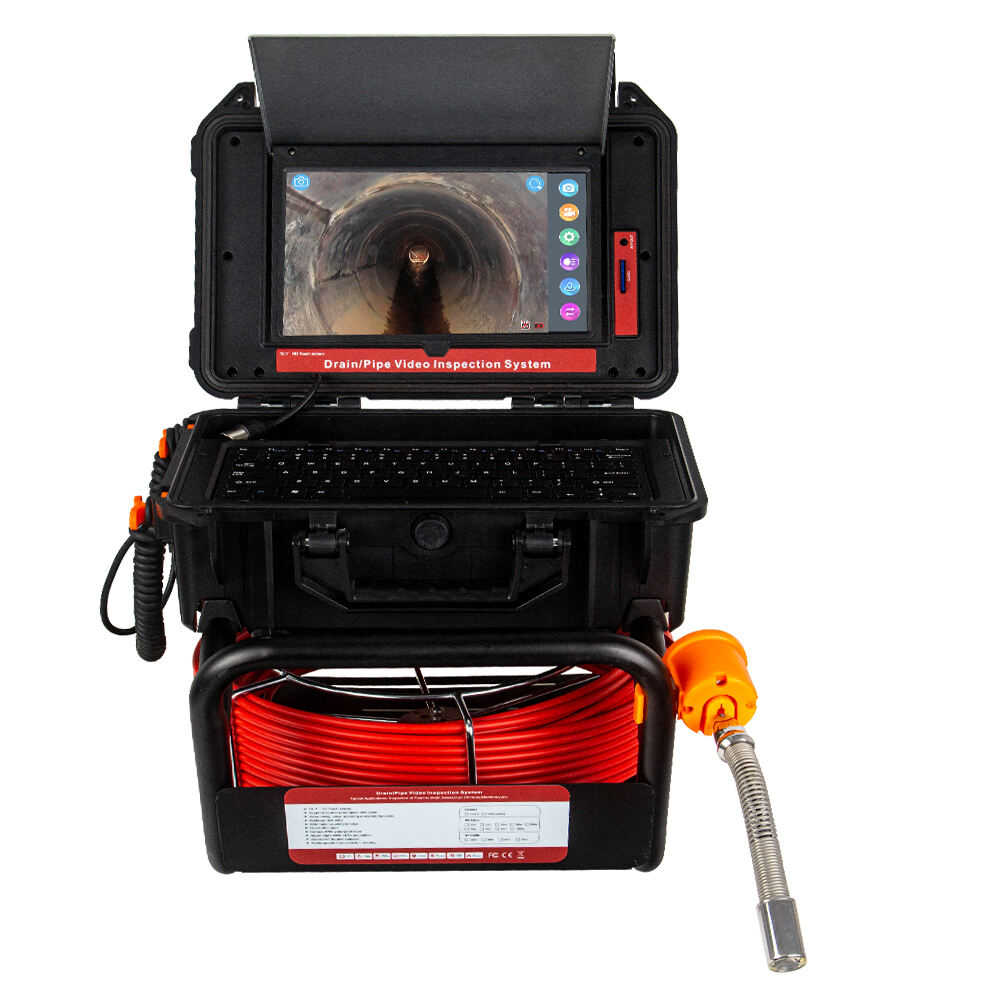
Den moderne markedet for rørinspeksjonskameraer tilbyr et overveldende utvalg av alternativer, fra enkle innstignsnivå-enheter til sofistikerte systemer med avanserte bildekvalitetsfunksjoner og telemetriefunksjoner. Å ta et informert valg krever forståelse ikke bare av de tekniske spesifikasjonene, men også av hvordan ulike kamerasytemer presterer under ulike rørforhold, miljømessige utfordringer og inspeksjonsmål. Denne artikkelen gjennomgår de viktigste vurderingskriteriene, praktiske hensyn og ekspertrådene som profesjonelle inspektører og driftsledere bruker for å velge det mest egnete rørinspeksjonskameraet for sine operative behov.
Forstå dine inspeksjonskrav
Vurdere kompatibilitet med rørdiameter og -konfigurasjon
Den første kritiske faktoren ved valg av kameratil inspeksjon av rør er å tilpasse størrelsen på kamerahodet og kabelforsyningssystemet til målrørenes dimensjoner. Avløpsledninger i boliger har vanligvis en diameter på to til fire tommer, mens kommersielle og kommunale systemer kan variere fra seks tommer til flere fot. Et kamera-system som er utformet for boligbruk kan vise seg fullstendig utilstrekkelig for større kommunale infrastrukturer, akkurat som et industrielt system ville være urimelig for rutinemessige inspeksjoner av husholdningsrørledninger. Valget av kamera for rørinspeksjon må tilpasses de minste diameterne på rørene du vanligvis møter, siden for små systemer ikke kan navigere effektivt i begrensede rom.
Utenfor enkle diameteroverveielser spiller røroppbygningens kompleksitet en like viktig rolle ved valg av kamerasytem. Rørledninger med flere svinger, forgreninger og høydeforskjeller krever kameraer med overlegen manøvrerbarhet og fleksible kabeldesign. Systemer med selv-nivellering av kamerahodene holder riktig orientering gjennom komplekse rørnettverk, noe som sikrer konsekvent bildekvalitet uavhengig av kameraposisjonen. Profesjonelle inspektører som arbeider med varierende røroppbygninger investerer ofte i modulære rørinspeksjonskamerasystemer som støtter utskiftbare kamerahoder i ulike størrelser, noe som gir mangfoldighet i ulike inspeksjonsscenarier uten at det er nødvendig med flere fullstendige systemer.
Definer dine krav til inspeksjonsdybde og -avstand
Inspeksjonsdybdens kapasitet påvirker direkte hvilke rørinspeksjonskameramodeller som passer dine operative behov. Boligplomberer arbeider vanligvis innenfor et område på én hundre til to hundre fot, mens kommunale inspektører kanskje må undersøke rørledninger som strekker seg fem hundre fot eller mer fra tilgangspunktene. Kabellengdens begrensninger begrenser ikke bare inspeksjonsområdet, men påvirker også kvaliteten på bildeoverføringen over avstand. Lengre kabelløp krever mer robust signalforsterkning og skjerming for å opprettholde klare videofeed uten svekkelse eller forstyrrelser.
Når du vurderer rekkeviddeegenskaper, må du ta hensyn til både dine nåværende driftskrav og potensielle fremtidige behov. Infrastrukturprosjekter utvides ofte i omfang, og å kjøpe en rørinspeksjonskamera med begrenset rekkevidde kan føre til at utstyret må erstattes for tidlig når bedriften din vokser. Lengre kablersystemer gir imidlertid også større håndteringskompleksitet og økt utstyrsvekt, faktorer som er svært viktige under lengre inspeksjonssesjoner. Profesjonelle systemer har ofte modulære kabelforlengelser, slik at operatører kan konfigurere systemet for spesifikke oppgaver samtidig som de beholder oversiktlig håndtering av utstyret under rutinemessige inspeksjoner.
Identifisering av miljø- og materiellutfordringer
Driftsmiljøet der kamerat for rørinspeksjon skal brukes, avgjør viktige holdbarhets- og beskyttelsesegenskaper. Avløpsmiljøer utsetter utstyr for korrosive kjemikalier, slibende partikler og biologiske forurensninger som raskt svekker utilstrekkelig beskyttede systemer. Industrielle rørledninger kan inneholde petroleumsprodukter, løsemidler eller ekstreme temperaturforhold, noe som krever spesialiserte kamerahus og kablingsmaterialer. Kommunale regnvannsledninger stiller andre krav, blant annet akkumulering av stein- og sandpartikler, sesongbetonte oversvømmelser og til tider eksponering for kjemikalier brukt ved veibehandling.
Materiellkompatibilitet blir spesielt kritisk ved inspeksjon av spesialiserte rørledningssystemer. Petroleumsrørledninger, kjemiske prosesslinjer og matvarekvalitetsrørledningssystemer gir hver sin unike kontaminasjonsrisiko og rekrav til rengjøring. Kamerat for rørinspeksjon som du velger, må ha materialer og overflater som er kompatible med stoffene det kommer i kontakt med, for å unngå både utstyrskorrosjon og mulig kontaminering av følsomme innhold i rørledningen. I tillegg bør du vurdere krav til deskontaminering etter inspeksjon, siden noen miljøer krever grundig desinfisering av utstyret mellom inspeksjonssteder for å unngå krysskontaminering.
Vurdering av kritiske tekniske spesifikasjoner
Bildekvalitet og oppløysingsstandarder
Bildeforklaringen avgjør i stor grad inspeksjonens effektivitet, noe som gjør oppløsning til en av de viktigste spesifikasjonene ved valg av rørinspeksjonskamera. Moderne systemer varierer fra grunnleggende standarddefinisjonsenheter til høyoppløselige systemer med 1080p eller til og med 4K-oppløsning. Selv om høyere oppløsning alltid forbedrer evnen til å oppdage feil, øker den også systemkostnadene og kravene til datalagring. For rutinemessige boliginspeksjoner, der tilstopping og åpenbar skade er hovedproblemer, kan en middels oppløsning vise seg fullt tilstrekkelig. Ved kommunale infrastrukturvurderinger, eiendomsverdivurderinger før kjøp og detaljerte tilstandsdokumentasjoner er imidlertid høyoppløselige bildekapasiteter betydelig mer fordelaktige.
Utenfor ren oppløsning påvirker kvaliteten på sensoren og linsekonstruksjonen i betydelig grad den faktiske bildekvaliteten under reelle forhold i bildesystemet. Premium-kameraer for rørinspeksjon bruker større bildekapslere som fanger opp mer lys, noe som gir klarere bilder i de konsekvente lavlysforholdene inne i rør. Vidvinkel-linsekonstruksjoner gir et bredere synsfelt, noe som reduserer antallet kameragjennomganger som kreves for å undersøke rørets omkrets grundig. Innstillbare fokusfunksjoner lar operatørene undersøke detaljer i ulike avstander fra kamerahodet, selv om fastfokuserte systemer som er optimalisert for typiske avstander ved rørinspeksjon ofte gir tilstrekkelig ytelse til en lavere kostnad.
Belysningsystemer og lysstyring
Effektiv belysning gjør forskjellen mellom nyttig inspeksjonsmateriale og ubrukelige mørke bilder. Rørrørinnerdeler stiller ekstremt utfordrende belysningsforhold, med ingen omgivelsesbelysning og overflater som enten er svært reflekterende eller absorberende, avhengig av rørets konstruksjon. LED-belysningsarrayer har blitt standard på moderne rørinspeksjonskamerasystemer og gir kraftig, energieffektiv belysning med minimal varmeutvikling. Antallet, plasseringen og den enkelte kontrollen av LED-elementene avgjør hvor effektivt systemet belyser rørrørinnerdeler uten å skape blindinge lysflekker eller overdrevene skygger.
Justerbar belysningsstyrke viser seg å være avgjørende for tilpasning til ulike rørmaterialer og forhold. Høyreflekterende metall- eller PVC-rør kan kreve redusert belysning for å unngå utvasking av bildet, mens korroderte støpejerns- eller lemerør absorberer lys og krever maksimal belysning for tilstrekkelig sikt. Avanserte systemer har automatisk justering av lysstyrken som optimaliserer belysningen basert på sanntidsbilddeling, noe som reduserer operatørens arbeidsbyrde under lengre inspeksjonssesjoner. Noen profesjonelle modeller av rørinspeksjonskameraer inkluderer også spesialiserte belysningsmodi, blant annet sidebelysning for forbedret visualisering av struktur og pulsbelysning for bedre bevegelsesklarhet under kabelføring.
Opptaksfunksjoner og dokumentasjonsfunksjoner
Omstendelig dokumentasjonsfunksjonalitet transformerer en rørinspeksjonskamera fra et enkelt visningsverktøy til et komplett diagnostisk og rapporteringssystem. Den innebygde opptaksfunksjonen eliminerer behovet for ekstern opptakutsrustning og sikrer konsekvent dokumentasjonskvalitet. Lagringskapasitet blir viktig for operatører som utfører flere inspeksjoner daglig, siden videofiler i høy oppløsning raskt forbruker betydelig lagringsplass. Systemer som tilbyr både intern lagring og alternativer med utskiftbare lagringsmedier gir fleksibilitet for ulike arbeidsflytbehov og sikkerhetskopieringsredundans.
Utenfor grunnleggende videorekording inkluderer profesjonelle rørinspeksjonskamerasystemer funksjoner som forbedrer dokumentasjonsverdien og forenkler rapporteringsprosessene. På-skjerm tekstannotering lar operatørene merke opp opptak med informasjon om plassering, tidsstempler og beskrivelser av feil under inspeksjonen, noe som eliminerer behovet for etterbehandling og sikrer nøyaktig registrering. Avstandstellere integrert i kabelrullen gir nøyaktig dokumentasjon av feilens plassering, en viktig informasjon for planlegging av reparasjoner og kostnadsestimater. Noen avanserte systemer inkluderer GPS-merking for kartlegging av utendørs infrastruktur samt stemmeopptaksfunksjonalitet for detaljert narrativ dokumentasjon under inspeksjonssesjoner.
Analyse av systemdesign og driftsfaktorer
Kabelkonstruksjon og håndteringskarakteristika
Kabelen som kobler din rørinspeksjonskamera til kontrollenheten påvirker direkte bruksvennligheten og holdbarheten til systemet. Kabelkonstruksjonen innebär å finne en balanse mellom fleksibilitet for å navigere gjennom rørbuer og stivhet for å skubbe seg gjennom tilstoppinger og opprettholde kameravinkelen. Kabler forsterket med glassfiber gir utmerket skubbeevne og holdbarhet, men kan føles stivere under håndtering. Kevlar-kjernekonstruksjoner gir overlegen strekkfasthet og fleksibilitet, men er vanligvis dyrere. Materialet i kabelens ytre mantel bestemmer motstanden mot kjemikalier, slitasje og miljøpåvirkning, der polyuretan og spesialiserte polymerforbindelser gir best beskyttelse for kravfulle anvendelser.
Kabelstyringssystemer påvirker betydelig driftseffektiviteten og utstyrets levetid. Manuell kabelhåndtering under lange inspeksjoner fører til operatørens utmattelse og øker risikoen for at kablene blir bukt eller sladdet sammen. Motoriserte kabeltromler eliminerer behovet for manuell håndtering, men legger til vekt, kompleksitet og kostnad i systemet. Selv tromlens design er av stor betydning: Tromler med større diameter reduserer spenningen i kabelen og forlenger kabelens levetid i forhold til kompakte design som pålegger strammere bøyleradier. Når du vurderer et rørinspeksjonskamerasystem, bør du ta hensyn til hele driftsarbeidsflyten – inkludert utsetting, navigering og innhenting – og ikke bare fokusere på bildekvaliteten.
Display-system og brukergrensesnitt-design
Displaysystemet fungerer som ditt vindu inn til rørledningen, og skjermkvalitet samt grensesnittdesign er derfor kritiske bruksvennlighetsfaktorer. Skjermstørrelsen må balansere synlighet mot bærlighet, der skjermer på syv til ti tommer ofte gir et godt kompromiss for de fleste anvendelsene. Bruk utendørs krever høylysende skjermer med antiglansbelag for å sikre god synlighet i direkte sollys, mens bruk kun innendørs kan fungere tilfredsstillende med skjermer av standardlysstyrke. Touchscreen-grensesnitt gir en intuitiv betjening, men kan være vanskelige å bruke med våte eller hansker på, situasjoner som ofte oppstår under feltinspeksjoner.
Kontrollutforming og menyorganisering påvirker kraftig driftseffektiviteten, spesielt under komplekse inspeksjoner som krever hyppige innstillingstilpasninger. Velutformede grensesnitt for rørinspeksjonskameraer plasserer ofte brukte kontroller lett tilgjengelige og bruker logiske menyhierarkier som minimerer navigasjonstrinn. Fysiske kontrollknapper og -hendler gir taktil tilbakemelding og pålitelighet som berøringsbaserte grensesnitt alene ikke kan matche under harde feltforhold. Vurder om kontrollenheten kan betjenes med én hånd, slik at operatøren kan håndtere kabelforsyning med den ene hånden samtidig som kamerofunksjoner styres med den andre hånden – en praktisk vurdering under ensomme inspeksjoner.
Strømforsyningssystemer og bruksvarighet
Utforming av strømforsyningssystemet påvirker både operasjonell fleksibilitet og total eierkostnad for kamerat til inspeksjon av rør. Systemer som drives med batteri gir ubåten portabilitet og eliminerer behovet for stikkontakter på inspeksjonsstedene, noe som er avgjørende fordeler ved feltarbeid på avsidesliggende steder eller i områder uten elektrisk infrastruktur. Batterikapasitetsbegrensninger begrenser imidlertid den kontinuerlige driftstiden, noe som potensielt kan avbryte lengre inspeksjonssesjoner. Utforminger med utskiftbare batterier gjør det mulig å raskt bytte ut batteriene for å utvide driftstiden, selv om dette krever kjøp av ekstra batterier og håndtering av ladeprosedyrer.
AC-strømdrevne systemer gir ubegrenset driftstid, men ofrer på mobilitet og krever tilgjengelige stikkontakter. Dobbeltstrøm-konstruksjoner som aksepterer både AC-inngang og oppladbare batterier gir maksimal fleksibilitet, slik at operatører kan bruke AC-strøm når den er tilgjengelig, samtidig som de beholder muligheten til å bruke batteridrift på avsidesliggende steder. Når du vurderer batterispesifikasjoner for en rørinspeksjonskamera, bør du ta hensyn til både den oppgitte driftstiden og de faktiske driftskravene ved dine typiske inspeksjonssesjoner. Produsenter oppgir ofte driftstid under betingelser med minimal effekttrekk, mens bruk i virkeligheten med maksimal belysning og kontinuerlig opptak kan redusere den faktiske driftstiden med tretti til femti prosent.
Vurdering av avanserte funksjoner og fremtidssikring
Lokalisering og avstandsmålingsteknologier
Sonde-lokaliseringsteknologi gjør det mulig å nøyaktig lokalisere kamerahodets posisjon over bakken, noe som er uvurderlig for å markere feilsteder og planlegge utgravingsarbeid. Integrerte sondesendere genererer elektromagnetiske signaler som spesialiserte mottakere kan oppdage fra overflaten, og gir både horisontal posisjon og dybdeinformasjon. Valg av sondefrekvens er viktig for ulike anvendelser: høyere frekvenser gir bedre nøyaktighet i grunnleggende rør, mens lavere frekvenser trenger dypere ned for kommunale infrastrukturprosjekter. Noen profesjonelle rørinspeksjonskamerasystemer har tofrekvenssonder, noe som gir fleksibilitet i ulike inspeksjonsscenarier.
Nøyaktige avstandsmålingsfunksjoner forenkler dokumentasjon av feil og anslag for reparasjoner. Enkle systemer bruker mekaniske kabelfrekvensmålere som sporer avstanden kabelen trekkes ut, og gir rimelig nøyaktighet for generelle formål. Elektroniske enkodere gir bedre presisjon og integrerer avstandsdata direkte i videorekordinger og metadata for stillbilder. De mest avanserte rørinspeksjonskamerasystemene inneholder rørmålingsteknologi som måler den faktiske tilbakelagte avstanden gjennom røret, i stedet for bare uttrekkingsavstanden til kabelen, og tar hensyn til kabelslakhet for å gi nøyaktig feilstedslokalisering innenfor tommer over hundrevis av fot inspeksjonsavstand.
Trådløs tilkobling og fjernstyring
Integrasjon av trådløs teknologi representerer en betydelig fremskritt innen designet av rørinspeksjonskameraer, og åpner for nye bruksmuligheter og forbedringer av arbeidsflyten. Systemer med WiFi-tilkobling lar inspeksjonsvideo strømmes til smarttelefoner og nettbrett, slik at flere interessenter kan følge med på inspeksjonene i sanntid uten å samles rundt hoveddisplayen. Denne funksjonaliteten viser seg spesielt verdifull ved kundeconsultasjoner under boliginspeksjoner og ved teamarbeid under komplekse kommunale vurderinger. Funksjoner for skytilkobling muliggjør automatisk sikkerhetskopiering av inspeksjonsdata samt fjernaksess til opptak for kontorbasert analyse og rapportgenerering.
Muligheter for fjernstyring går ut over enkel videovisning og inkluderer full kamerastyring fra mobile enheter. Operatører kan justere belysningen, ta bilder og styre opptaksfunksjonene fra posisjoner som gir bedre sikt over kabelføring eller forbedret sikkerhet under farlige inspeksjoner. Noen avanserte rørinspeksjonskamera systemer inkluderer funksjoner for utvidet virkelighet som overlager måledata, defektmarkører og kommentarer direkte på live-inspeksjonsstrømmen, noe som forenkler dokumentasjonsprosesser og reduserer tid brukt på etterfølgende behandling etter inspeksjon.
Utvidbarhet og alternativer for systemintegrering
Modulære systemdesigner gir langsiktig verdi ved å tillate oppgradering av komponenter og utvidelse av funksjonalitet uten at hele systemet må erstattes. Utbyttbare kamerahoder gjør det mulig å bruke én baseenhet til flere anvendelser, fra små boligavløp til store kommersielle rørledninger. Kompatibilitet med tilbehør er svært viktig, siden spesialiserte verktøy som trykkspiraler, veiledningshjul og glideføtter betydelig forbedrer inspeksjonsmulighetene i spesifikke situasjoner. Når du vurderer kjøp av et rørinspeksjonskamera, bør du undersøke produsentens tilbehørsøkosystem og fremtidige produktveien for å sikre kontinuerlig støtte og muligheter for utvidelse.
Integrasjon med rapporteringsprogramvare og forretningsstyringssystemer forenkler driftsprosesser for profesjonelle inspeksjonsbedrifter. Muligheten til direkte eksport av data eliminerer manuelle oppgaver knyttet til filoverføring og organisering, mens kompatibel rapporteringsprogramvare automatiserer generering av inspeksjonsrapporter ved hjelp av tilpassbare maler og merkevareidentitet. Noen produsenter av rørinspeksjonskameraer tilbyr komplette arbeidsflyt-løsninger, inkludert mobilapper for innsamling av feltdata, skylagring for sentralisert datadministrasjon og kundeportaler for levering av rapporter. Disse integrerte økosystemene gir betydelige fordeler når det gjelder operativ effektivitet, men kan også føre til avhengighet av leverandør – en vurdering som bør tas opp i forhold til fleksibiliteten til selvstendige systemer.
Ta den endelige utvalgsbeslutningen
Budsjettoverveielser og total kostnadsanalyse
Kjøpsprisen utgjør bare én komponent av den totale eierkostnaden for et rørinspeksjonskamerasystem. Innledende forbrukermodeller starter på rundt flere hundre dollar, profesjonelle systemer i mellomklassen koster fra to til fem tusen dollar, og utstyr av industriell klasse på toppnivå kan koste mer enn ti tusen dollar. Imidlertid må den opprinnelige kostnaden vurderes i forhold til forventet levetid, vedlikeholdsbehov og virkninger på driftseffektiviteten. Et billig system som krever hyppig repareringsarbeid og utskifting innen to år kan til slutt koste mer enn et premiumsystem som gir fem til syv år med pålitelig drift.
Utenfor grunnsystemets pris må du ta hensyn til nødvendige tilbehør, reservedeler og forbruksartikler som påvirker operativ klarhet. Ekstra kamerahoder for ulike rørdiametere, ekstra kabler, reservede batterier og beskyttende transportkoffer bidrar alle til den totale systemkostnaden. Også opplæringsutgifter bør tas med i betraktning, siden komplekse profesjonelle systemer ofte krever betydelig innlæringsstid for operatørene for å kunne utnytte avanserte funksjoner fullt ut. For forretningsanvendelser bør du beregne inntektsvirkningen av forbedrede inspeksjonsmuligheter og økt operativ effektivitet, siden et mer avansert rørinspeksjonskamera kan rettferdiggjøre en premiumpris gjennom økte fakturerbare tjenester og redusert inspeksjonstid per oppdrag.
Garantidekning og produsentstøtte
Garantibetingelsene gir viktig innsikt i produsentens tillit til produktets kvalitet og langsiktige pålitelighet. Standard garanti dekker vanligvis en til tre år, selv om noen premiumprodusenter av rørinspeksjonskameraer tilbyr utvidet dekning opp til fem år. Vær nøye med å lese garantibetingelsene angående slitasjedeler som kamerahoder og kabler, da disse komponentene utsettes for størst belastning under normal drift. Noen garantier utelukker skade som skyldes bestemte bruksområder eller miljøforhold, noe som potensielt kan etterlate operatører uten dekning for gyldige forretningsanvendelser.
Produsentens støttekvalitet er like viktig som garantiperioden, siden selv den mest pålitelige utstyret til slutt krever service eller teknisk hjelp. Vurder produsentens rykte når det gjelder kundeservice, responsivitet, tilgjengelighet av reservedeler og reparasjonsomløpstider. Innlandsprodusenter eller produsenter med lokale servicekontorer tilbyr vanligvis raskere støtte enn internasjonale leverandører som må sende utstyret utlandet for reparasjon. Tilgjengelighet av teknisk støtte hjelper operatører med å feilsøke problemer og optimalisere systemets ytelse, der telefon-, e-post- og direktsamtalestøtte gir ulike nivåer av praktisk bruk. Før du forplikter deg til et bestemt rørinspeksjonskamerasystem, bør du undersøke brukeranmeldelser som fokuserer på opplevelser med støtte etter kjøp, snarere enn bare innledende inntrykk av produktet.
Testing og evaluering før kjøp
Praktisk vurdering før kjøp reduserer risikoen for kjøperens anger og sikrer at den valgte rørinspeksjonskameraet virkelig oppfyller dine operative behov. Mange utstyrsforhandlere og produsenter tilbyr demonstrasjonsenheter eller kortvarige leieprogram som lar potensielle kjøpere teste systemer under reelle arbeidsforhold. Denne praktiske erfaringen avslører ergonomiske faktorer, bruksvansker og ytelsesegenskaper som spesifikasjonsark ikke kan formidle. Testingen bør gjenspeile dine typiske inspeksjonsscenarier så nøyaktig som mulig, inkludert rørdiameter, materialer og miljøforhold du vanligvis støter på.
Under vurderingen skal praktiske faktorer vurderes i tillegg til tekniske spesifikasjoner, blant annet utstyrets vekt ved lengre bæring, kabelføringens egenskaper, displayets lesbarhet i dine vanlige arbeidsmiljøer og tilgjengeligheten til kontrollene mens du utfører andre inspeksjonsoppgaver. Sammenlign bildekvaliteten mellom ulike systemer under identiske forhold i stedet for å stole på produsentens eksempelvideoer, som vanligvis viser optimale ytelsesscenarioer. Hvis mulig, gjennomfør side-ved-side-sammenligninger av flere rørinspeksjonskameramodeller for å identifisere betydelige ytelsesforskjeller, i stedet for å vurdere systemer isolert, der du mangler referansepunkter for å bedømme om de er tilstrekkelige.
Ofte stilte spørsmål
Hva er den minste oppløsningen som kreves for effektive rørinspeksjoner?
For grunnleggende identifisering av blokkeringer og oppdagelse av åpenbare skader i boligapplikasjoner gir standardoppløsning på ca. 480p tilstrekkelig bildekvalitet. Profesjonelle applikasjoner som involverer detaljert tilstandsvurdering, sprekkdeteksjon og omfattende infrastrukturvurdering drar imidlertid betydelig nytte av høyoppløselig bildekvalitet på 720p eller helst 1080p. Høyere oppløsning gjør det mulig å identifisere mikroskopiske sprekker, tidlig korrosjon og subtile strukturelle feil som systemer med lavere oppløsning kan overse, noe som potensielt kan forhindre katastrofale svikter og kostbare nødreparskilt.
Hvor viktig er kamerahodets størrelse når du velger en rørinspeksjonskamera?
Størrelsen på kamerahodet er en av de viktigste valgfaktorene, siden den avgjør hvilke rør systemet ditt fysisk kan få tilgang til. Kamerahodet må passe komfortabelt gjennom den minste rørdiameteren du vanligvis inspiserer, samtidig som det må være tilstrekkelig plass til kabler og belysningskomponenter. Et kamerahode som er for stort for målrørene dine gjør hele systemet ubrukelige for disse anvendelsene, mens et unødvendig lite hodet kan ofre bildekvalitet og belysningskapasitet. Profesjonelle operatører som arbeider med ulike rørdiametre velger ofte systemer med utskiftbare kamerahoder for å oppnå fleksibilitet uten å måtte kjøpe flere fullstendige systemer.
Er trådløse rørinspeksjonskameraer like pålitelige som kabelførte systemer?
Moderne trådløse rørinspeksjonskamera teknologien har modnet seg betydelig og tilbyr pålitelighet som er sammenlignbar med tradisjonelle kabelførte systemer for mange anvendelser. Imidlertid avhenger trådløs ytelse i stor grad av faktorer som signalstøy og krav til overføringsavstand. Underjordiske rør-miljøer med tung metallinfrastruktur eller betydelig betongmasse kan svekke trådløse signaler, noe som fører til koblingsproblemer som kabelførte systemer unngår helt. For maksimal pålitelighet i utfordrende miljøer og ved vurderinger av kritisk infrastruktur er tradisjonelle kabelførte systemer fortsatt det foretrukne valget, mens trådløse løsninger tilbyr overbevisende praktiske fordeler for enkle bolig- og lette kommersielle anvendelser.
Hvilke vedlikeholdskrav må jeg forvente med et rørinspeksjonskamera?
Rutinemessig vedlikehold av en rørinspeksjonskamera inkluderer grundig rengjøring etter hver bruk for å fjerne søppel og forurensninger, spesielt viktig etter eksponering for avløpsvann eller kjemikalier. Inspeksjon av kamerahodet og kablene bør foretas regelmessig for å identifisere slitasje, skrapeskader eller forringelse av tetninger før feil oppstår under kritiske inspeksjoner. Batterivedlikehold omfatter riktig lading og periodisk utskifting når kapasiteten reduseres med tiden. Profesjonelle systemer som brukes i kravfulle miljøer kan kreve årlig kalibrering, utskifting av tetninger og grundig inspeksjon av kvalifiserte service-teknikere for å sikre optimal ytelse og unngå kostbare feil. Riktig vedlikehold utvider betydelig utstyrets levetid og sikrer pålitelig drift når du trenger det mest.