 EN
EN


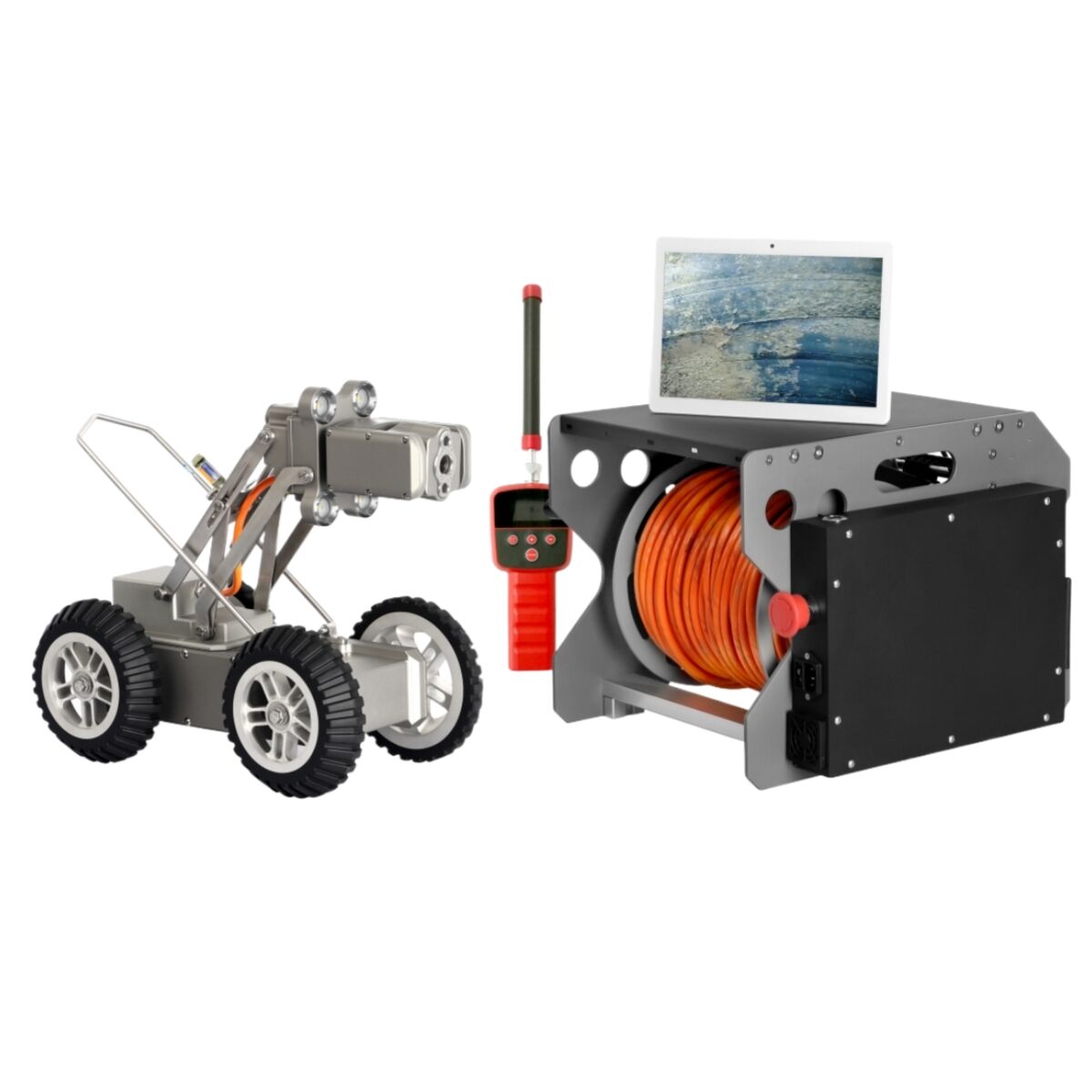
Att arbeta inom begränsade rörsystem innebär unika risker som kräver omfattande säkerhetsprotokoll och specialutrustning. En rörkrypning operation innebär att navigera genom underjordisk eller upphöjd rörsysteminfrastruktur för att utföra inspektioner, underhåll eller nödrepairs. Dessa miljöer kräver noggrann planering, adekvat utbildning och strikt efterlevnad av säkerhetsriktlinjer för att skydda arbetstagare från potentiellt livshotande förhållanden, såsom giftiga atmosfärer, strukturell rasning och utrustningsfel.
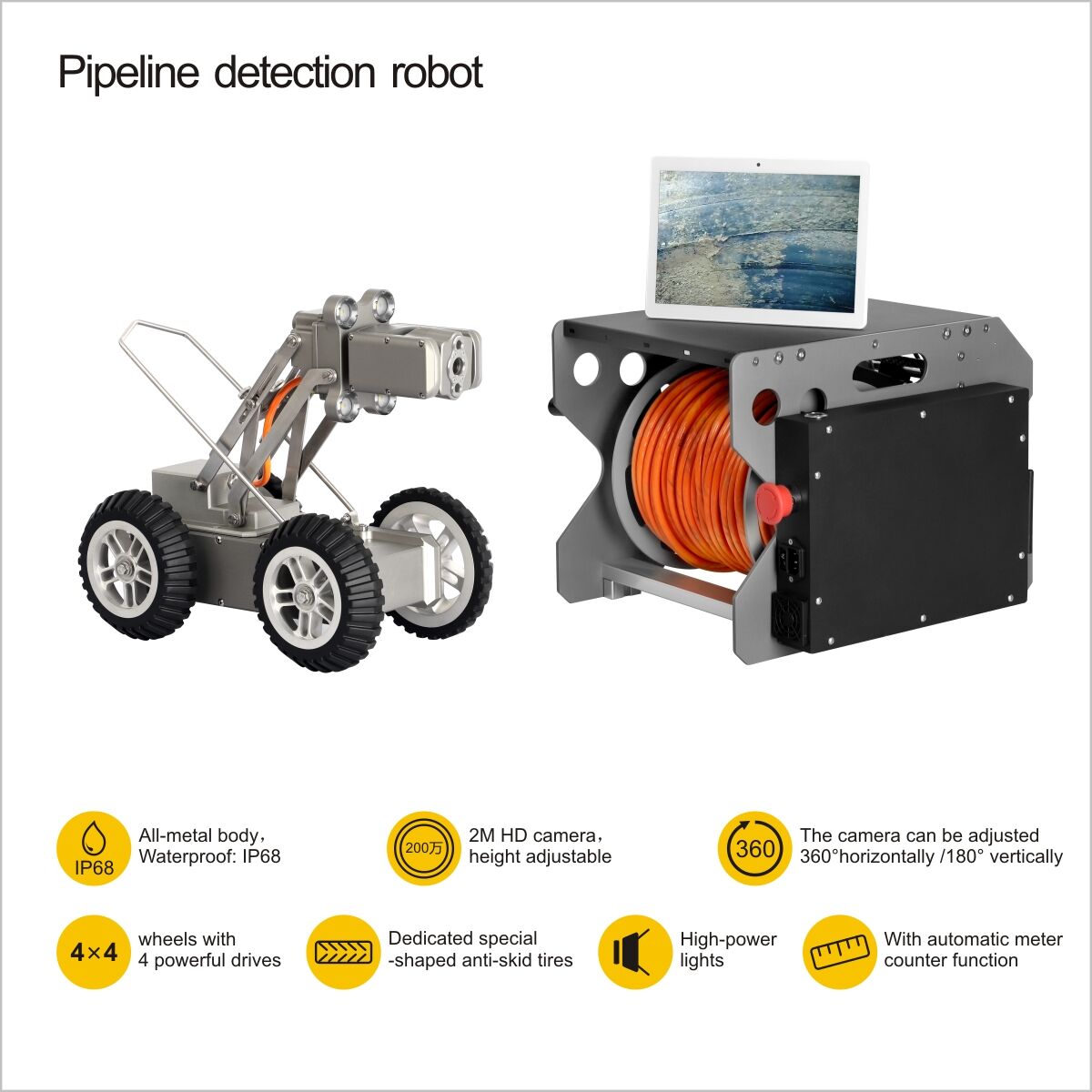
Att förstå de grundläggande säkerhetskraven för rörgångsaktiviteter är avgörande för industrifaciliteter, kommunala vatten- och avloppsverk samt infrastrukturunderhållslag. Den här omfattande guiden beskriver de kritiska säkerhetsaspekterna, utrustningskraven, strategierna för riskminimering och de åtgärder som krävs för att uppfylla regleringskraven – allt detta utgör grunden för säkra rörgångsoperationer. Oavsett om du planerar rutininspektioner eller akutinterventioner kommer genomförandet av dessa väsentliga riktlinjer att minska arbetsplatsolyckor avsevärt och säkerställa att personalen återvänder säkert från varje inträde i ett begränsat utrymme.
Att förstå farorna med rörgång och riskbedömning
Primära fysiska faror i rörmiljöer
Den begränsade karaktären hos rörrörelseoperationer skapar många fysiska faror som arbetare måste förutse innan de går in. Begränsat utrymme begränsar rörelsefriheten och flyktvägarna, medan skarpa kanter, framträdande fogar och korrosionspunkter kan orsaka snittskador eller skada utrustning. Strukturell integritet blir av yttersta vikt vid hantering av åldrande infrastruktur, där försvagade rörväggar kan kollapsa under yttre tryck eller inre spänningar. Extrema temperaturer utgör en annan betydande fara, eftersom rörledningar kan transportera restvärme från tidigare innehåll eller utsätta arbetare för frysende förhållanden i kylda system.
Risk för instängning under rörkrypaktiviteter ökar vid arbete i rörledningar med varierande diameter, oväntade hinder eller ackumulerad smuts. Arbetstagare kan fastna i trånga avsnitt, särskilt om de bär inspektionsutrustning eller kläder med tjock skyddsutrustning. Risk för översvämning finns i avloppssystem, regnvattensledningar och avloppsledningar där en plötslig vattentillströmning kan ske utan varning. Att förstå dessa fysiska faror gör att säkerhetsansvariga kan utveckla specifika åtgärder anpassade till varje rörkrypscenario.
Begränsad synlighet förvärrar de fysiska riskerna i rörsystem där naturligt ljus inte kan tränga in. Tillräcklig belysningsutrustning blir därför avgörande för att kunna identifiera hinder, strukturella defekter och navigeringsmarkörer. Desorientering som uppstår i enhetliga cylindriska utrymmen kan påverka den rumsliga medvetenheten, vilket gör det svårt för arbetare att bedöma hur långt de har förflyttat sig eller att behålla riktningen under längre rörgångsoperationer.
Atmosfäriska risker och krav på gasdetektering
Atmosfäriska förhållanden utgör de omedelbart livshotande riskerna under rörgångsoperationer. Syrensbrist uppstår när fördrängningsgaser eller kemiska reaktioner förbrukar tillgängligt syre till under den minsta säkra nivån på 19,5 procent. Omvänt skapar syrrikhet över 23,5 procent explosionsrisker i kombination med brännbara material. Kontinuerlig atmosfärövervakning under hela varaktigheten av en rörkrypning operation är obligatorisk för att upptäcka dessa farliga förhållanden.
Ackumulering av giftiga gaser utgör en kritisk fara i industriella rörledningar som tidigare transporterat kemikalier, petroleumprodukter eller tillverkningsbiflöden. Vätebrunst, som ofta förekommer i avloppssystem, kan orsaka omedelbar medvetslöshet vid koncentrationer över 100 delar per miljon. Kolmonoxid från ofullständig förbränning eller infiltration av fordonens avgaser utgör en annan tyst fara. Metanackumulering i sanitära avloppssystem skapar explosiva atmosfärer som kräver specialiserad gasdetekteringsutrustning kalibrerad för nedre explosionsgränser.
Kemiska rester som täcker insidan av rör kan frigöra ångor när de störs under rörgångsaktiviteter. Även rörledningar som tömts och blåsts ren kan innehålla fickor med farliga atmosfärer i nedersta delar, ventilkammare eller föreningsområden. Atmosfärtester innan inträde måste utföras på flera ställen genom hela rörledningssystemet, och kontinuerliga övervakningsenheter måste följa arbetarna under hela tiden för rörgång för att ge realtidsvarningar om förändrade förhållanden.
Risker för biologisk och miljömässig förorening
Biologiska faror i avlopp och dagvattensystem utsätter arbetare för patogener, parasiter och sjukdomsframkallande organismer under rörrörelseoperationer. Kontakt med förorenade ytor, inandning av aerosoler eller oavsiktlig intagning kan överföra allvarliga infektioner, inklusive hepatit, leptospiros och gastroenterit. Rätt personlig skyddsutrustning, inklusive icke-genomträngliga dräkter, andningsskydd och ögonskydd, blir avgörande vid arbete i biologiskt förorenade miljöer.
Odling av skadedjur och pestinfestationer inom rörsystem skapar ytterligare hälsorisker. Gnagare, insekter och deras avfallsprodukter kan utlösa allergiska reaktioner eller överföra sjukdomar. Boaterial kan blockera ventilationen eller skapa brandfaror. Ormkontakter i sydliga klimatzoner och stora regnvattenbrunnar kräver medvetenhet och skyddsåtgärder. Utförliga inspektioner före inträde med hjälp av fjärrkamerasystem kan identifiera biologiska faror innan personal påbörjar rörkrypning.
Mögel- och svampväxt trivs i fuktiga rörmiljöer där organiskt material ackumuleras. Utsättning för luftburna sporer kan orsaka andningsirritation, allergiska reaktioner eller allvarliga lunginfektioner hos personer med nedsatt immunförsvar. Ventilation och andningsskydd hanterar dessa biologiska faror, medan ytdeskontamineringsprotokoll förhindrar vidare spridning av kontamination vid utgång från begränsade rörrum.
Viktig säkerhetsutrustning och teknik för rörkrypning
Standarder för personlig skyddsutrustning och urval
Att välja lämplig personlig skyddsutrustning för rörgångsuppdrag kräver en noggrann utvärdering av identifierade faror och miljöförhållanden. Fullkroppsharnesk med flera fästpunkter möjliggör räddningsextraktion om arbetare blir handikappade eller fastklämda. Dessa harness måste vara godkända för räddning i begränsade utrymmen och sitta korrekt för att fördela krafterna vid nöduttag. Belysningssystem monterade på hjälmen ger händerfri belysning samtidigt som de skyddar huvudet mot stötar mot rörens insida.
Valet av andningsskydd beror på resultaten från atmosfärstestning och på vilka föroreningar som finns. En självständig andningsapparat ger den högsta skyddsnivån, men ökar volymen och vikten, vilket begränsar rörelsefriheten i trånga rörkrypområden. Luftförsedda andningsapparater som är anslutna till externa källor med ren luft ger en längre användningstid för längre inspektioner. Atmosfärrenande andningsapparater med lämpliga patroner kan vara tillräckliga när syrenivåerna förblir adekvata och typerna samt koncentrationerna av föroreningar ligger inom utrustningens gränser.
Kemikaliebeständiga dräkter skyddar mot kontakt med frätande rester, biologiska föroreningar och farliga ämnen som täcker rörens insida. Materialvalet måste ta hänsyn till de specifika kemikalier som förekommer, med korrekta genombrottstidsbetyg för de förväntade exponeringstiderna. Handskar, stövlar och kompletterande skydd runt leder och sömmar förhindrar exponering genom luckor i de primära skyddshindrarna. Allt skyddsutrustning måste undersökas innan varje rörkrypning och deskontaminerad enligt fastställda protokoll vid avslutningen av arbetet.
Kommunikationssystem och övervakningsteknik
Att upprätthålla kontinuerlig kommunikation mellan personal som utför inspektioner i rör och externa säkerhetsvakter är lagstadgat och operativt avgörande. Radiokommunikationssystem som är utformade för begränsade utrymmen måste fungera tillförlitligt i metallrörmiljöer där signalreflektion och signaldämpning utgör en utmaning för konventionell utrustning. Kabelbundna kommunikationssystem som använder glasfiber- eller kopparkablar ger felsäker anslutning oavsett avstånd eller miljöförhållanden.
Enheter för realtidsövervakning av atmosfären spårar syrenivåer, koncentrationer av brännbara gaser och närvaro av giftiga ämnen under hela rörrutiner. Moderna flergasdetektorer är utrustade med ljud- och visuella alarm, möjlighet att logga data samt trådlös överföring till externa övervakningsstationer. En bump-test före varje användning verifierar sensorernas funktionalitet, medan regelbunden kalibrering mot kända gasstandarder säkerställer noggrannhet. Reservövervakningsenheter bör följa arbetarna som redundans mot utrustningsfel.
Avancerade inspektionskamerasystem möjliggör fjärrvisual bedömning innan personal skickas in i rörkrypning drift. Högupplösta kameror monterade på krypvagnar eller tryckstavar kan navigera hundratals fot in i rörsystemen och identifiera blockeringar, strukturella defekter och potentiella faror. Kameror med automatisk nivellering behåller korrekt orientering oavsett rörens lutning, medan vattentäthetsklassning säkerställer funktion även i delvis översvämmade förhållanden. Dessa system minskar onödig mänsklig exponering genom att bekräfta förhållandena innan man går in i rören och dokumenterar resultaten för ingenjörsmässig analys.
Ventilations- och luftkvalitetsstyrutrustning
Tvångsventilationssystem etablerar och upprätthåller godtagbara atmosfäriska förhållanden under rörkrypning i begränsade rörrum. Högvolymsfläktar som kan åstadkomma fullständiga luftutbyten inom angivna tidsramar måste placeras så att de trycker in frisk luft genom hela arbetsområdet. Luftintag måste hämtas från rena luftkällor, bort från fordonens avgaser, industriella utsläpp eller andra föroreningskällor som kan introducera nya faror i arbetsområdet.
Placeringen av ventilationskanaler kräver strategisk planering för att säkerställa effektiv luftcirkulation längs hela rörkrypningsruten. Flexibla kanaler bör sträcka sig till inom några meter från arbetsplatsen, med hänsyn till luftströmningsmönster i cylindriska utrymmen. Kontinuerlig drift av ventilationsutrustningen under hela inträdandet förhindrar försämring av atmosfären på grund av arbetstagares andning, utsläpp från utrustning eller kemisk avdunstning från störda rester.
Luftkvalitetsverifiering efter ventilation måste bekräfta att atmosfäriska förhållanden uppfyller kraven i inträdesförordningen innan rörkrypning påbörjas. Flerpunktsmätning vid olika djup och platser inom rörsystemet identifierar potentiella döda zoner eller fickor där farliga atmosfärer kvarstår trots ventilationsåtgärder. Dokumentation av atmosfäriska mätvärden etablerar utgångsförhållanden och utlöser omvärdering om mätvärdena avviker mot osäkra parametrar under arbetsaktiviteterna.
Driftförfaranden och säkerhetsprotokoll
Krav på inträdesförordning för begränsade utrymmen
Regleringsramverk som styr rörrörelseoperationer klassificerar de flesta rörinmatningar som begränsade utrymmen som kräver tillstånd på grund av farliga atmosfärer, risk för översvämningsförhållanden eller konfigurationsrisker. Skriftliga inmatningstillstånd måste dokumentera identifiering av faror, åtgärder för att kontrollera farorna, resultat av atmosfärstester, auktoriserade inmatare, vaktmästare, ansvariga för inmatning samt kontaktuppgifter för nödsituationer. Dessa tillstånd fungerar som bekräftelse på att alla säkerhetskrav har uppfyllts innan personal får tillträde till rörsystem.
Förfarandet för inträdes tillstånd kräver att utpekade inträdesansvariga verifierar att alla skyddsåtgärder är på plats och fungerar korrekt. Atmosfärisk provtagning måste utföras omedelbart innan inträde, och resultaten måste registreras i tillstånds dokumentet. Utrustningsinspektioner bekräftar att alla krävda säkerhetsutrustningar, kommunikationssystem och räddningsutrustningar finns på plats och är driftkla. Inträdesansvarig har befogenhet att avbryta arbetet om förhållandena förändras eller om tidigare okända faror uppträder under rörkrypning.
Tidsbegränsningar som anges på inträdespermit reflekterar den förväntade arbetsomfattningen och de fysiologiska stressfaktorer som är förknippade med rörkrypning. Förlängda perioder i begränsade utrymmen ökar trötthet, uttorkning och psykologisk stress, vilket kan försämra omdöme och fysisk prestanda. Kraven på permitförnyelse säkerställer en periodisk ombedömning av förhållandena när arbetet sträcker sig längre än den ursprungligen godkända tidsramen. Korrekt dokumentation vid permitavslut registrerar sluttiderna, slutliga atmosfärsmätningar och bekräftar att all personal har lämnat utrymmet säkert.
Krav på spärrning och märkning samt energiavkoppling
Energiisoleringsprotokoll skyddar arbetare som utför rörröjning från oväntad aktivering av pumpar, ventiler eller automatiska system som kan introducera farliga ämnen eller skapa farliga flödesförhållanden. Omfattande spärr- och etiketteringsförfaranden identifierar alla energikällor, inklusive elström, hydrauliskt tryck, pneumatiska system och gravitationsdrivna flöden, som kan påverka arbetsområdet. Fysiska lås som appliceras av varje auktoriserad arbetare förhindrar oavsiktlig återaktivering tills all personal har lämnat rörsystemet.
Verifiering av nollenergitillstånd kräver provningsförfaranden som är lämpliga för varje energityp. Försök att styra ventiler bekräftar korrekt stängning och korrekt tillämpning av lås. Tryckmätaravläsningar verifierar systemets trycklöställning. Elektriska provningsinstrument bekräftar att motor- och styrsystemen är strömlösa. Blockering eller blindering av kritiska anslutningspunkter ger ytterligare fysiska barriärer mot införande av material från sammankopplade rörnät under rörgångsoperationer.
Samordning med verksamhetsavdelningar säkerställer att rörsystemisolering inte leder till oavsiktliga konsekvenser i andra anläggningsområden. Bypasssystem kan behöva aktiveras för att upprätthålla kritiska processer medan avsnitt är avspärrade för rörkrypning. Tydliga kommunikationsprotokoll informerar alla berörda parter om isoleringsstatus, förväntad varaktighet och återställningsförfaranden. Dokumentationskrav spårar varje isoleringspunkt, ansvariga personer och verifieringssteg som slutförts innan personell får tillträde.
Beredskap för nödreaktion och räddning
Omfattande nödinsatsplaner som är specifika för rörkräppning måste ta itu med de unika utmaningarna med att få ut funktionshindrade arbetare från trånga rörledningsutrymmen. Räddningsgrupper behöver specialutbildning i räddningstekniker i ett begränsat utrymme, bekantskap med den specifika rörledningskonfigurationen och regelbundna övningsträningar som simulerar realistiska nödscenarier. Räddningskapacitet på plats ger snabbaste svarstider, även om externa räddningstjänster kan komplettera interna resurser för komplexa situationer.
Räddningsutrustning måste vara omedelbart tillgänglig vid varje ingångspunkt under rörrörelseoperationer. Mekaniska fördelssystem som använder taljor och rep minskar den fysiska ansträngning som krävs för att dra ut arbetare genom begränsade tillträdesöppningar. Stativ eller davitarmar placerade över schakt ger stabila förankringspunkter för räddningssystem. Reservhämtningslinor som är fästade vid arbetare under hela deras rörrörelse gör det möjligt med snabb hämtnig utan att räddningspersonal behöver ta sig in och lokalisera personer som blivit handikappade.
Nödkommunikationsprotokoll fastställer tydliga förfaranden för att påbörja räddningsåtgärder när atmosfärslarm aktiveras, kommunikationen bryts eller arbetare inte svarar på schemalagda kontrolluppringningar. Externa övervakare får aldrig överge sina övervakningspositioner för att försöka utföra enskilda räddningsinsatser, eftersom detta ofta leder till ytterligare offer. Kontaktuppgifter för lokala brandkårer, farligt godsgrupper och avancerade sjukvårdstjänster måste vara lättillgängliga med exakta platsuppgifter och instruktioner för tillträde för de insatser som sänds ut.
Krav på utbildning och kompetensutveckling
Reglerade utbildningskrav och certifieringsprogram
Arbetsmiljöregler kräver specifika utbildningskrav för all personal som är involverad i rörkrypning, inklusive auktoriserade inträdande, vaktmästare, inträdesansvariga och medlemmar av räddningsteam. Grundutbildningen måste omfatta identifiering av faror, användning av utrustning, nödprocedurer och regleringskrav innan personer får delta i inträden i begränsade utrymmen. Dokumenterad kompetensverifiering säkerställer att arbetstagare visar praktisk förmåga att utföra sina tilldelade arbetsuppgifter på ett säkert och effektivt sätt.
Årlig uppdateringsutbildning bibehåller kunskapens aktualitet och tar upp ändringar i procedurer, utrustning eller regleringskrav som påverkar säkerhetsprogram för rörkrypning. Ytterligare utbildning krävs när arbetsplatsförhållandena förändras, nya faror identifieras eller utredningar av incidenter avslöjar kunskapsluckor. Utbildningsdokumentation måste sparas under hela anställningstiden och ställas till förfogande vid regleringsinspektioner eller granskningar.
Specialiserade certifieringsprogram för räddningsteam i trånga utrymmen fastställer minimikompetenskrav för personal som utsetts som beredskapspersonal vid rörkrypning. Dessa program inkluderar vanligtvis klassrumsundervisning, praktisk utrustningsutbildning och scenariobaserade övningar som simulerar realistiska räddningsutmaningar. Återcertifieringsintervall säkerställer att färdigheter hålls aktuella och att teammedlemmar bibehåller den fysiska form som krävs för krävande räddningsoperationer.
Utveckling av praktiska färdigheter och simuleringsträning
Klassrumskunskaper måste förstärkas genom praktiska övningar som utvecklar de fysiska färdigheterna och den situationella medvetenheten som krävs för säkra rörrörelseoperationer. Utbildningsanläggningar som återger verkliga rörledningskonfigurationer gör det möjligt för arbetare att öva inträttningsmetoder, utrustningsdrift och beredskapsåtgärder i kontrollerade miljöer. Dessa simuleringar bygger självförtroende och muskelminne utan att utsätta deltagare för verkliga faror under lärandeprocessen.
Utbildning i bekantskap med utrustning säkerställer att arbetare kan korrekt ta på sig, justera och driva all skyddsutrustning som krävs för rörrörelseuppdrag. Praktisk övning med andningsskydd, kommunikationsutrustning, atmosfärövervakningsutrustning och räddningssystem utvecklar kompetens innan arbetare ställs inför verkliga akutsituationer. Utbildning i felidentifiering lär personalen att känna igen utrustningsfel och vidta lämpliga åtgärder.
Psykologisk förberedelse tar upp de mentala utmaningar som är förknippade med arbete i rör genom trånga utrymmen. Vissa personer upplever ångest, klaustrofobi eller panikreaktioner när de arbetar i begränsade miljöer. Gradvis exponering – som börjar med större utrymmen och fortskrider till allt smalare konfigurationer – hjälper arbetare att utveckla hanteringsstrategier och känna igen sina personliga gränser. Denna förberedelse minskar risken för incidenter som drivs av panik under verkliga rörgångsoperationer.
Ansvarsområden för övervakande personal och ledarskapsutveckling
Inträdesansvariga för rörgångsoperationer har betydande juridiska och etiska ansvar för arbetares säkerhet. Ledarskapsträningsprogram utvecklar beslutsfattande färdigheter, förmåga att bedöma faror samt kommunikationsförmågor som krävs för effektiv övervakning. Chefer måste förstå de tekniska aspekterna av atmosfärstestning, ventilationkrav och utrustningsbegränsningar för att kunna fatta välgrundade godkännandedecisioner.
Rätten att avbryta verksamheten när förhållandena försämrar sig eller oväntade faror uppstår är ett avgörande chefsansvar som kräver självförtroende och tydlig bedömningsförmåga. Utbildningsscenarier som presenterar tvetydiga situationer hjälper chefer att utveckla den analytiska förmågan att identifiera varningssignaler och vidta bestämda åtgärder. En betoning av försiktig beslutsfattning etablerar en organisationskultur som prioriterar säkerhet framför produktionspress.
Utbildning i dokumentationsfärdigheter säkerställer att chefer korrekt utfyller inträdesgodkännanden, håller de krävda registren uppdaterade och genererar incidentrapporter vid avvikelser. Myndighetskraven för efterlevnad beror på korrekt dokumentation som visar att fastställda rutiner följs. Granskning av faktiska inträdesgodkännanden från tidigare rörkrypningar ger praktiska exempel på korrekt ifyllnad och identifierar vanliga dokumentationsfel som kan skapa efterlevnadsrisker.
Ständig förbättring och hantering av säkerhetsprogram
Utredning av incidenter och rotorsaksanalys
Systematisk utredning av incidenter, nära olyckor och osäkra förhållanden som identifierats under rörkrypning ger värdefulla insikter för att förebygga framtida händelser. Utredningsmetoder som identifierar underliggande orsaker i stället för att enbart dokumentera omedelbara omständigheter möjliggör utvecklingen av effektiva åtgärder. Multidisciplinära utredningsteam bidrar med olika perspektiv för att analysera utrustningsfel, brister i rutiner, brister i utbildning eller organisatoriska faktorer som bidragit till incidenter.
Dokumentationskraven för händelseutredningar fastställer tydliga tidsramar, bevarar bevis och registrerar vittnesmål medan minnena fortfarande är fräscha. Fotografisk dokumentation, utrustningsinspektioner och atmosfäriska data från övervakningsenheter ger objektiva bevis som stödjer utredningsresultaten. Preliminära rapporter som utfärdas inom 24 timmar informerar ledningen om allvarliga situationer som kräver omedelbar korrigerande åtgärd, medan omfattande slutrapporter detaljerar bidragande faktorer och rekommenderade förbättringar.
System för spårning av korrigerande åtgärder säkerställer att rekommendationer från utredningar implementeras och verifieras som effektiva. Ansvarsfördelning, tidsfrister för genomförande och verifieringsmetoder skapar ansvarskänsla för säkerhetsförbättringar. Trendanalys av flera incidenter kan avslöja systemiska problem som kräver bredare organisatoriska förändringar utöver enskilda korrigerande åtgärder. Att dela utredningsresultat med all personal som utför rörkrypning förhindrar liknande incidenter i olika arbetsgrupper eller på olika platser.
Säkerhetsrevisionssystem och efterlevnadsverifiering
Regelbundna säkerhetsrevisioner utvärderar effektiviteten i rörrörelseprogrammet och identifierar förbättringsmöjligheter innan incidenter inträffar. Omfattande revisionsprotokoll undersöker skrivna förfaranden, utbildningsregister, underhållsdokumentation för utrustning och tillståndsfilerna för att verifiera efterlevnad av regleringskraven. Fältobservationer av faktiska rörrörelseoperationer bedömer om skrivna förfaranden följs konsekvent och om arbetare visar korrekta tekniker samt medvetenhet om faror.
Oberoende revisorer från utanför den operativa befälskedjan ger en objektiv bedömning fri från produktionspress eller organisatoriska bias. Revisorer från tredje part med specialkompetens inom begränsade utrymmen kan identifiera faror eller luckor i förfaranden som interna medarbetare missar på grund av för stort bekantskap. Revisionsresultat kategoriseras efter allvarlighetsgrad för att prioritera korrigerande åtgärder som riktas mot de allvarligaste bristerna först.
Granskningsfrekvensen bör återspegla komplexiteten i rörkrypoperationsverksamheten, incidenthistoriken och de regleringsmässiga kraven. Verksamheter med hög risk kräver mer frekventa granskningar, medan stabila program med goda prestandaposter kan förlänga granskningsintervallen. Regleringsmyndigheters inspektioner utgör externa granskningar som bedömer efterlevnaden av lagstadgade krav. Proaktiv intern granskning identifierar ofta och korrigerar problem innan regleringsmyndigheternas inspektioner sker, vilket minskar risken för påföljder och visar engagemang för arbetstagares skydd.
Teknikintegration och innovationsspridning
Uppkommande teknologier erbjuder möjligheter att minska människors exponering under rörkrypning genom fjärrinspektionsfunktioner och robotiska system. Avancerade kameraplattformar med högupplöst bild, laserbaserad mätteknik och artificiell intelligensstödd defektdetektering kan uppnå många inspektionsmål utan att personal behöver ta sig in i rören. En kostnads-nyttoanalys väger investeringen i utrustning mot minskad riskexponering och potentiella produktivitetsförbättringar.
Bärbar teknik, inklusive smarta hjälmar med integrerade kameror, heads-up-display och biometriska sensorer, tillhandahåller övervakning i realtid av arbetarens fysiologiska status under rörrörelseoperationer. Hjärtfrekvens, kärntemperatur och rörelseövervakning kan varna externa vårdare om pågående problem innan arbetarna blir handikappade. System för förstärkt verklighet projicerar navigationsinformation, faroplatsers lägen och procedurvägledning direkt i arbetarens synfält, vilket förbättrar situationssmedvetenheten i desorienterande rörmiljöer.
Integration av nya teknologier i etablerade säkerhetsprogram för rörkrypning kräver noggrann planering, utbildning och validering. Utrustningens tillförlitlighet i hårda rörmiljöer måste verifieras genom tester innan driftsättning. Arbetares acceptans och korrekt användning av nya teknologier beror på effektiv utbildning och påvisat värde. Kontinuerlig utvärdering säkerställer att teknikinförandet leder till avsedda säkerhetsförbättringar utan att introducera nya risker eller komplikationer.
Vanliga frågor
Vilka kvalifikationer krävs för arbetare som utför rörkrypningsoperationer?
Arbetare som utför rörrörelseoperationer måste genomgå omfattande utbildning i inträde i begränsade utrymmen, vilken omfattar identifiering av faror, atmosfärisk provtagning, användning av utrustning och nödprocedurer. De måste kunna visa fysisk förmåga att arbeta i begränsade utrymmen, inklusive förmågan att bära kravd skyddsutrustning under längre perioder. En medicinsk utvärdering kan krävas för att bekräfta lämplighet för andningsapparatens användning samt fysiskt krävande räddningsscenarier. Ansvariga för inträde kräver ytterligare utbildning i tillståndsgivning, bedömning av faror och samordning av nödåtgärder. All personal måste delta i årlig uppdateringsutbildning och visa på fortsatt kompetens genom praktiska utvärderingar. Specifika certifieringskrav varierar beroende på jurisdiktion och branschsektor, där vissa verksamheter kräver ytterligare specialiserade kvalifikationer för hantering av farliga ämnen eller medlemskap i räddningsteam.
Hur ofta ska atmosfärisk övervakning ske under rörrörelseaktiviteter?
Atmosfärövervakning måste ske kontinuerligt under hela varaktigheten av rörkrypningsoperationer med hjälp av kalibrerad utrustning för detektering av flera gaser. Inledande provtagning innan inträde fastställer utgångsförhållandena och verifierar att atmosfären uppfyller säkerhetskraven avseende syreinnehåll, nivåer av brännbara gaser samt koncentrationer av giftiga ämnen. Arbetare måste bära personliga atmosfärövervakningsenheter som ger realtidsavläsningar och automatiska larm om förhållandena försämras under säkra gränsvärden. Externa väktare bör övervaka atmosfärdata som överförs från de personliga enheterna för att behålla kunskap om förhållandena längs hela rörkrypningsruten. Ytterligare provtagning i regelbundna intervall, dokumenterad på inträdesbevis, ger bekräftelse på att atmosfärens kvalitet förblir acceptabel. Alla betydande förändringar i avläsningarna, ovanliga lukter eller utrustningslarm kräver omedelbar evakuering och ny bedömning innan drift återupptas.
Vad är de vanligaste orsakerna till incidenter under rörkrypning?
Atmosfäriska faror utgör den främsta orsaken till allvarliga incidenter under rörrörelseoperationer, inklusive syrsbrist, exponering för giftiga gaser och antändning av brännbara atmosfärer. Otillräcklig atmosfärstestning, underlåtenhet att upprätthålla kontinuerlig ventilation samt antagandet att tidigare säkra atmosfärer förblir stabila bidrar till dessa incidenter. Fysisk inneslutning i begränsade röravsnitt, särskilt när arbetare stöter på oväntade hinder eller försöker navigera genom diameterövergångar medan de bär klumpig utrustning, utgör en annan betydande kategori av incidenter. Kommunikationssystemfel som hindrar arbetare från att begära hjälp eller ta emot varningar om faror från externa väktare skapar farliga situationer. Otillräcklig beredskap för räddningsinsatser förvärrar ofta de ursprungliga incidenterna, eftersom försök till räddning ofta leder till ytterligare offer. Procedurkortslutningar som tas under produktionstryck, otillräcklig utbildning samt underlåtenhet att identifiera förändrade förhållanden bidrar också till rörrörelseincidenter inom olika industriella sektorer.
Kan fjärrinspektionsteknik helt eliminera behovet av fysiska inspekteringsingångar i rör?
Fjärrinspektionsteknik minskar avsevärt, men kan inte helt eliminera behovet av fysiska inspekteringsingångar i rör i alla situationer. Avancerade kamerasystem monterade på robotkrypande enheter utför effektivt visuella inspektioner, dimensionsmätningar och dokumentation av defekter för många pipelinebedömningsändamål utan att människor behöver gå in. Dessa system är särskilt effektiva vid rutinmässiga inspektioner av tillgängliga pipelineavsnitt med tillräckliga tillträdespunkter för utrustningens distribution. Fysisk ingång är dock fortfarande nödvändig för vissa underhållsarbetsuppgifter, provtagning, manuella mätningar i komplexa geometrier samt situationer där utrustningsbegränsningar förhindrar fjärråtkomst. Rörsystem med extrema diametervariationer, skarpa böjar, betydande ackumulering av smuts eller begränsade tillträdespunkter kan inte ta emot utrustning för fjärrinspektion. Nödrepairs som kräver manuellt arbete kan inte utföras på distans med nuvarande teknik. Organisationer bör maximera användningen av fjärrteknik för att minimera människors exponering, samtidigt som de bibehåller förmågan och beredskapen för nödvändiga fysiska ingångar när fjärrmetoder visar sig otillräckliga för operativa krav.
Innehållsförteckning
- Att förstå farorna med rörgång och riskbedömning
- Viktig säkerhetsutrustning och teknik för rörkrypning
- Driftförfaranden och säkerhetsprotokoll
- Krav på utbildning och kompetensutveckling
- Ständig förbättring och hantering av säkerhetsprogram
-
Vanliga frågor
- Vilka kvalifikationer krävs för arbetare som utför rörkrypningsoperationer?
- Hur ofta ska atmosfärisk övervakning ske under rörrörelseaktiviteter?
- Vad är de vanligaste orsakerna till incidenter under rörkrypning?
- Kan fjärrinspektionsteknik helt eliminera behovet av fysiska inspekteringsingångar i rör?