 EN
EN


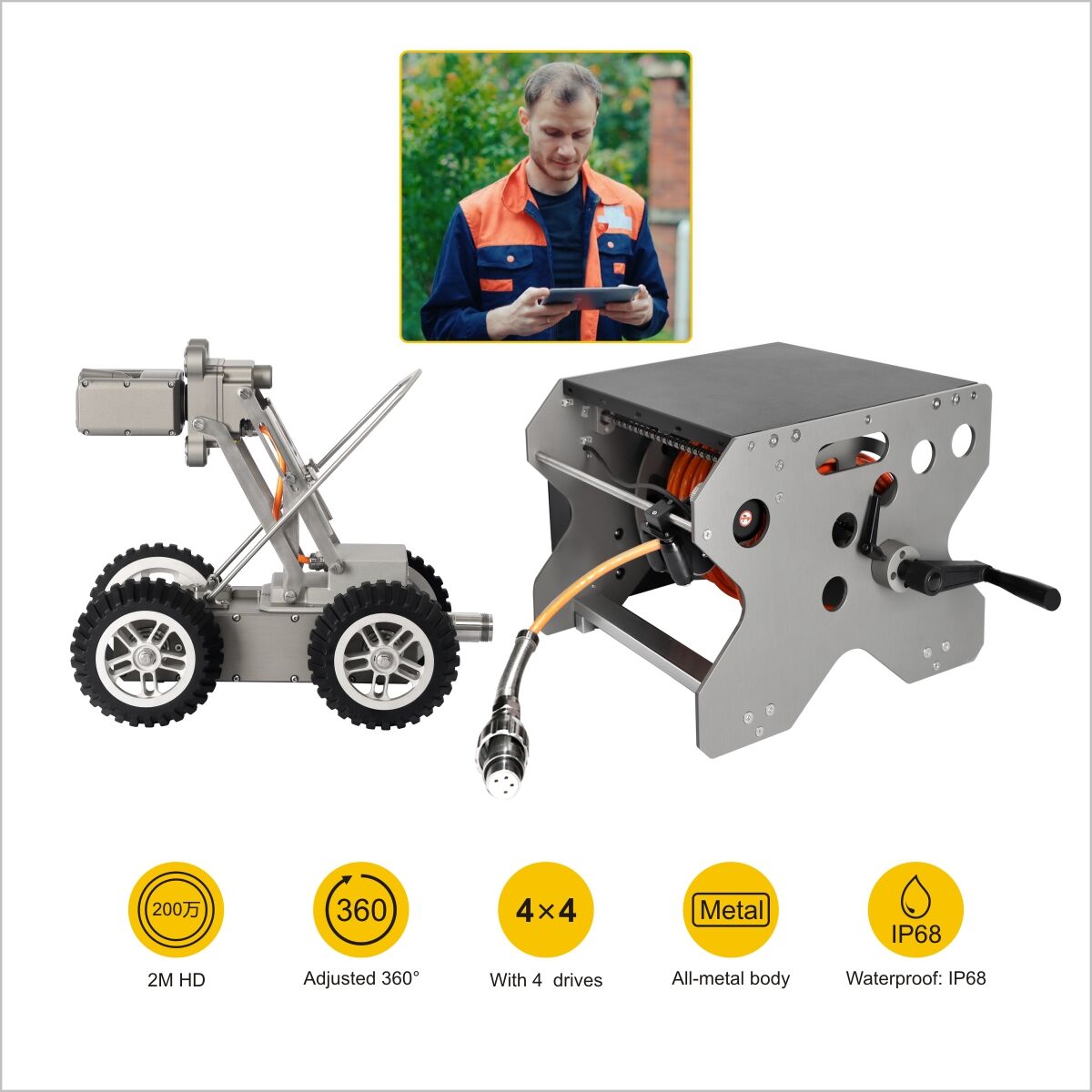
Обслуговування інфраструктури є одним із найбільших експлуатаційних витрат для муніципалітетів, промислових об’єктів та керівників комерційної нерухомості. Традиційні методи огляду трубопроводів часто вимагають масштабних земляних робіт, спеціалізованої важкої техніки та тривалих перерв у роботі, що експоненціально збільшує витрати. Сучасна технологія рухомих інспекційних пристроїв для труб (pipe crawl) стала трансформаційним рішенням, яке кардинально змінює підхід організацій до оцінки підземних трубопроводів, забезпечуючи вимірне зниження витрат і водночас підвищуючи точність діагностики та безперервність експлуатації.
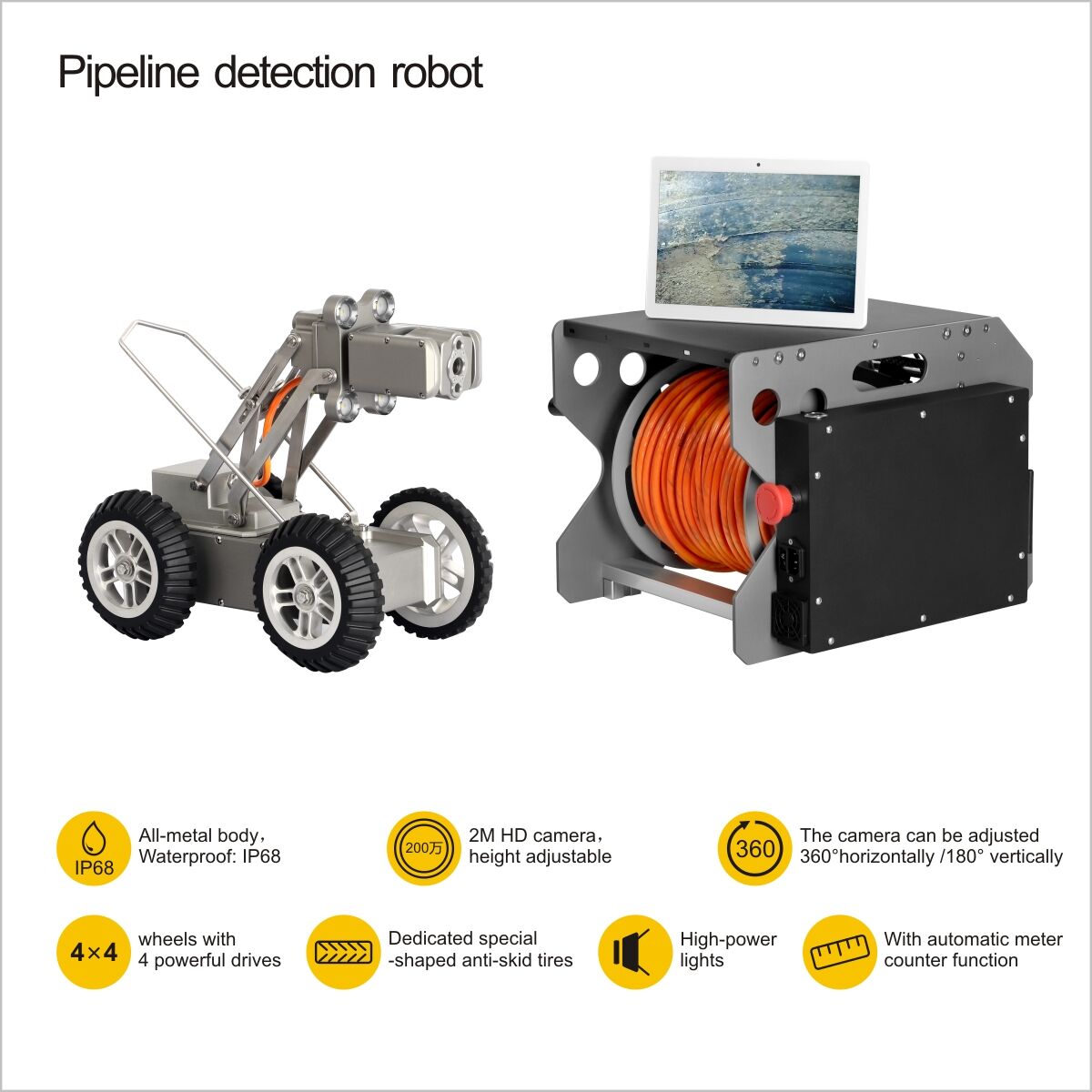
Розуміння фінансових переваг інспекції трубопроводів за допомогою рухомих пристроїв вимагає аналізу повної структури витрат на обслуговування трубопроводів. Крім безпосередньої економії завдяки уникненню земляних робіт, ці передові системи скорочують потребу в робочій силі, мінімізують витрати на мобілізацію обладнання, запобігають непотрібній заміні труб та ліквідують побічні витрати, пов’язані з тривалим простоєм. Для організацій, що керують масштабними підземними інфраструктурними мережами, сукупний фінансовий ефект від впровадження технології інспекції трубопроводів за допомогою рухомих пристроїв може становити сотні тисяч доларів щорічної економії, одночасно подовжуючи термін служби активів і підвищуючи точність планування технічного обслуговування.
Ліквідація витрат на земляні роботи за рахунок передових діагностичних методів
Пряме зниження витрат завдяки недеструктивній оцінці
Традиційні методології інспекції трубопроводів вимагають розкопок у припущених місцях проблем, що призводить до значних прямих витрат, зокрема оренди землерийної техніки, систем забезпечення безпеки траншей, управління рухом транспорту та подальших робіт з відновлення поверхні. Типовий проект розкопок для оцінки підземного трубопроводу може коштувати від п’ятнадцяти тисяч до п’ятдесяти тисяч доларів США за одне місце, залежно від глибини залягання, ґрунтових умов та вимог до відновлення поверхні. Натомість системи інспекції трубопроводів за допомогою кроючих пристроїв (pipe crawl) дозволяють проводити повну внутрішню оцінку без будь-якого порушення поверхні, негайно виключаючи ці витрати, пов’язані з розкопками, з рівняння бюджету на технічне обслуговування.
Фінансова вигода стає особливо вираженою у разі діагностичної невизначеності. Традиційні підходи часто вимагають дослідницького розкопування в кількох передбачуваних зонах проблеми до того, як буде встановлено фактичне місце дефекту, що непотрібно збільшує витрати. Технологія прокладання труб за допомогою спеціальних роботів-повзунів забезпечує точне визначення місця дефекту ще до початку будь-яких розкопок, забезпечуючи, що ресурси для розкопування залучаються лише тоді, коли це абсолютно необхідно, і саме в тому місці, де потрібне втручання. Такий цільований підхід перетворює розкопування з діагностичного інструменту на хірургічну дію з метою ремонту, принципово підвищуючи ефективність витрат.
Організації, що діють у міських умовах або під покритими твердим покрівельним матеріалом поверхнями, отримують ще більші економії, оскільки витрати на відновлення в таких умовах часто перевищують самі витрати на розкопки. Повторне асфальтування доріг, тротуарів або ландшафтних зон створює значне фінансове навантаження для традиційних методів інспекції. Неінвазивний характер інспекції труб за допомогою кишенькових камер повністю зберігає існуючі поверхні, усуваючи витрати на відновлення та пов’язані з цим затримки в реалізації проектів, що збільшують витрати на робочу силу й продовжують перерви в наданні послуг.
Зниження витрат на мобілізацію обладнання та експлуатаційні витрати
Інспекція на основі земляних робіт вимагає залучення важкої техніки, зокрема екскаваторів, самоскидів, опорних коробів для траншей та допоміжного обладнання. Кожне вивезення техніки тягне за собою витрати на транспортування, заробітну плату операторів та оренду обладнання, які швидко накопичуються при проведенні інспекцій на кількох ділянках. Натомість системи для проходження всередині труб є компактними й портативними й зазвичай потребують лише одного транспортного засобу для перевезення та двох осіб у складі бригади для їх експлуатації. Таке спрощене вивезення техніки значно зменшує логістичні витрати, пов’язані з програмами оцінки трубопроводів.
Експлуатаційна ефективність поширюється також на час налаштування та розгортання. Традиційні земляні роботи вимагають ретельної підготовки майданчика, у тому числі визначення трас комунікацій, організації регулювання руху, монтажу засобів безпеки та планування управління ґрунтом. Ці підготовчі заходи споживають оплачувані години ще до початку будь-яких фактичних робіт із огляду. Огляд труб за допомогою рухомих інспекційних пристроїв вимагає мінімальної підготовки майданчика й часто дозволяє перейти в робочий стан протягом тридцяти хвилин після прибуття на об’єкт. Така економія часу безпосередньо перетворюється на зниження витрат на робочу силу, а також дає змогу групам інспекторів оглядати значно більшу довжину трубопроводів щодня, що підвищує загальну продуктивність програми.
Крім того, зменшена займана площа обладнання пересування всередині труб системи мінімізують порушення на об'єкті та усувають необхідність у розширених заходах з управління рухом, що призводить до додаткових витрат. Проекти, що проводяться на діючих об’єктах або в публічних смугах відведення, можуть реалізовуватися з мінімальним порушенням навколишніх операцій, уникнувши непрямих витрат, пов’язаних із перервою в роботі підприємств, тимчасовими дорожніми знаками, особами, що регулюють рух, та вимогами щодо повідомлення громадськості, які є обов’язковими для традиційних проектів земляних робіт.
Запобігання передчасній заміні за рахунок точного оцінювання стану
Точна діагностика, що усуває непотрібні капітальні витрати
Одним із найважливіших аспектів економії коштів під час інспекції трубопроводів за допомогою рухомих керованих пристроїв є здатність запобігти передчасній заміні трубопроводів на основі точного оцінювання їх технічного стану. За відсутності внутрішньої візуальної документації рішення щодо технічного обслуговування часто ґрунтуються на консервативних стратегіях заміни, коли виникають підозри про наявність проблем, що призводить до значних капітальних витрат на інфраструктуру, яка, можливо, ще має кілька років терміну експлуатації. Системи інспекції трубопроводів за допомогою рухомих пристроїв забезпечують високоякісне внутрішнє зображення, завдяки якому можна точно визначити характер, масштаб та ступінь пошкоджень, що дозволяє приймати обґрунтовані рішення щодо того, яке втручання — ремонт чи заміна — є найбільш економічно вигідним.
Ця діагностична точність є особливо цінною для старіючої інфраструктури, де поверхневі ознаки вказують на погіршення стану, але внутрішній стан залишається невизначеним. Традиційні методи оцінки можуть рекомендувати повну заміну ділянок на основі віку та зовнішніх симптомів, що потенційно обійдеться в сотні тисяч доларів для розгалужених мереж трубопроводів. Інспекція трубопроводів за допомогою спеціальних роботів-повзунів може показати, що погіршення локалізоване лише в окремих стиках або ділянках, що дозволяє проводити цільовий ремонт, вартість якого становить лише частину вартості повної заміни, при цьому забезпечуючи еквівалентне функціональне відновлення.
Фінансовий вплив поширюється за межі окремих проектів і впливає на стратегії довгострокового планування капіталовкладень. Організації, які мають повні дані про огляд трубопроводів за допомогою роботів-повзунів, можуть створювати точні інвентаризації стану активів, що забезпечують оптимізацію графіків заміни. Замість реагування на аварійні ситуації або профілактичної заміни лише на основі віку обладнання, програми технічного обслуговування можуть надавати пріоритет заходам, заснованим на фактичних даних про стан активів, максимізуючи віддачу від інвестицій у інфраструктуру шляхом продовження терміну експлуатації активів до кінця їхнього справжнього функціонального життя, а не до припущених строків деградації.
Раннє виявлення запобігає витратам, пов’язаним із катастрофічним виходом із ладу
Перевага у вартості інспекції труб за допомогою роботів-повзунів стає найбільш вираженою, коли враховуються витрати, що уникнуто завдяки запобіганню катастрофічним відмовам. Невеликі дефекти, виявлені під час планової інспекції труб за допомогою роботів-повзунів, можна усунути за допомогою незначних ремонтних робіт, вартість яких становить кілька тисяч доларів США; тоді як ті самі дефекти, якщо їх не виявити вчасно, можуть поступово розвинутися до повної відмови, що вимагатиме аварійного реагування, масштабних земляних робіт, ліквідації екологічних наслідків та призведе до перерви в діяльності підприємства — витрати в такому разі легко перевищують кілька сотень тисяч доларів США. Здатність виявляти тріщини товщиною з волосину, початкове роз’єднання стиків або корозію на ранніх стадіях дозволяє вжити проактивних заходів до того, як незначні проблеми переростуть у серйозні фінансові події.
Промислові об'єкти зазнають особливо гострої вразливості щодо витрат, пов’язаних із катастрофічними відмовами, оскільки аварії на трубопроводах можуть призвести до зупинки виробництва, пошкодження обладнання, штрафів за порушення вимог екологічного законодавства та інцидентів, що ставлять під загрозу безпеку й тягнуть за собою значні юридичні зобов’язання. Регулярні програми інспекції трубопроводів за допомогою рухомих інспекційних пристроїв виконують функцію страхування проти таких екстремальних сценаріїв витрат: вартість інспекцій становить незначну частку потенційних наслідків відмови. Зафіксовані дані про стан також підтримують стратегії технічного обслуговування, засновані на ризику, які передбачають розподіл ресурсів пропорційно до реальної ймовірності відмови, а не за загальними графіками.
Муніципальні системи також вигідно використовують можливості раннього виявлення, оскільки аварії на магістральних лініях можуть вплинути на весь район обслуговування, спричинити скарги громадян, створити відповідальність за пошкодження майна та вимагати дорогого аварійного реагування поза робочими годинами. Програми інспекції трубопроводів за допомогою спеціалізованих пристроїв для повзучого огляду дозволяють муніципалітетам виявляти вразливі ділянки до того, як станеться їхнє пошкодження, і планувати ремонт у звичайні робочі години за стандартними ставками робітників замість надзвичайно високих витрат на аварійне реагування. Саме уникнення перерв у наданні послуг часто саме по собі виправдовує інвестиції в програму інспекції, навіть без урахування різниці в прямих витратах на ремонт.
Підвищення ефективності праці та продуктивності
Зменшення потреби в робітниках та витрат на спеціалізовану робочу силу
Традиційний огляд трубопроводів із використанням земляних робіт вимагає значної кількості працівників для безпечного виконання робіт із копання, кріплення траншей, огляду та відновлення. Типовий проект може включати операторів обладнання, робітників, персонал з регулювання руху, спеціалістів з огляду та керівників, а щоденні витрати на робочу силу легко досягають кількох тисяч доларів США. Натомість огляд трубопроводів за допомогою рухомих камер можна ефективно виконувати бригадою з двох осіб — оператора камери та його помічника, що значно зменшує витрати на робочу силу, не поступаючись у якості діагностичних результатів.
Спеціалізований характер земляних робіт часто вимагає сертифікованих операторів та ліцензованих фахівців, годинна оплата яких відображає їхні кваліфікаційні документи та досвід. Хоча для роботи з трубним інспекційним пристроєм (pipe crawl) також потрібне спеціальне навчання та експертні знання, тривалість навчання значно коротша, а вимоги до сертифікації — менш жорсткі, ніж у разі керування важкою технікою чи управління безпекою під час земляних робіт. Така доступність дозволяє організаціям розвивати внутрішні можливості щодо проведення інспекцій замість повної залежності від зовнішніх підрядників, що ще більше знижує довгострокові витрати на програму та сприяє формуванню інституційних знань про стан інфраструктури.
Крім того, знижені фізичні вимоги до огляду трубопроводів методом повзання порівняно з роботами з розкопок сприяють підвищенню продуктивності екіпажу та зменшенню неефективності, пов’язаної з втомою. Оператори можуть проводити оглядові роботи протягом усього робочого змінного циклу без фізичного виснаження, яке супроводжує ручну підтримку розкопок, забезпечуючи стабільний рівень продуктивності й максимізуючи довжину трубопроводу, що оглядається, на кожен витрачений долар праці. Ця перевага в продуктивності накопичується з часом, особливо для організацій із масштабними вимогами до огляду в рамках великих інфраструктурних портфелів.
Прискорені терміни проведення огляду та розширення охоплення
Експлуатаційна ефективність пересування всередині труб систем дозволяє значно скоротити терміни інспекції порівняно з методами, що передбачають розкопки. Тоді як традиційні методи можуть охоплювати лише кілька сотень футів трубопроводу на день з урахуванням робіт з розкопок, інспекції та відновлення, системи для інспекції трубопроводів «повзучого типу» зазвичай здатні оглядати тисячі футів на день — залежно від діаметра труби, відстані між точками доступу та внутрішніх умов. Ця перевага у продуктивності безпосередньо призводить до скорочення тривалості проекту та зниження загальних трудових витрат у рамках комплексних програм оцінки мережі.
Ефективність у плані часу стає особливо цінною, коли роботи з огляду мають бути виконані в стислих термінах — наприклад, під час зупинки об’єкта, в межах дозволених термінів отримання дозволів або за сезонних обмежень. Технологія інспекції труб за допомогою спеціалізованих роботів-повзунів дозволяє організаціям досягати цілей огляду в межах наявного часу, що неможливо при використанні традиційних методів, уникнувши витрат, пов’язаних із тривалими зупинками або додатковими виїздами бригад для завершення робіт з оцінки. Можливість огляду цілих ділянок системи під час однієї зупинки максимально підвищує ефективність кожної технологічної перерви.
Крім того, підвищена здатність охоплення дозволяє частіше проводити інспекції без пропорційного зростання витрат. Організації можуть перейти від реагування на виникнення проблем до проактивних програм моніторингу стану, які виявляють неполадки на ранніх етапах, коли втручання є більш економічно вигідним. Цей стратегічний перехід від корективного до профілактичного технічного обслуговування принципово покращує вартісний профіль управління інфраструктурою, усуваючи проблеми до їх загострення, що в кінцевому підсумку продовжує термін служби активів, підвищує надійність системи та зменшує загальні витрати протягом життєвого циклу.
Мінімізація перерв у діяльності підприємства та непрямих витрат
Збереження безперервності надання послуг під час оцінки
Одна з найбільш суттєвих, але часто не помічених переваг у плані витрат, пов’язаних із інспекцією труб за допомогою рухомих пристроїв (pipe crawl), полягає у збереженні безперервності надання послуг. Традиційна інспекція з викопуванням часто вимагає повного припинення роботи системи під час проведення оцінки, що призводить до непрямих витрат, які можуть значно перевищувати прямі витрати на інспекцію. Промислові процеси можуть втрачати обсяги виробництва на тисячі чи десятки тисяч доларів за годину, тоді як комерційні об’єкти можуть страждати від порушення роботи орендарів, втрати доходів та шкоди репутації. Інспекція труб за допомогою рухомих пристроїв (pipe crawl) часто дозволяє проводити оцінку під час звичайної експлуатації або з мінімальним перериванням роботи, забезпечуючи безперервність бізнес-процесів і усуваючи такі значні непрямі витрати.
Невід’ємна природа технології огляду трубопроводів за допомогою роботів-повзунів є особливо цінною для критично важливої інфраструктури, яка не може допускати тривалих перерв у роботі. Лікарні, центри обробки даних, підприємства з переробки харчових продуктів та інші об’єкти, що вимагають безперервного функціонування, можуть проводити оцінку стану трубопроводів у межах коротких вікон технічного обслуговування або навіть під час часткової експлуатації, замість того щоб повністю зупиняти роботу всього об’єкта, як цього вимагає традиційна розкопка. Ця можливість перетворює інспектування трубопроводів із масштабної операційної події, що вимагає детального планування та координації, на рутинну дію з технічного обслуговування з мінімальним впливом на бізнес.
Муніципальні системи також вигодають від збереження безперервності обслуговування, оскільки перевірки магістральних водопровідних або каналізаційних мереж часто можна проводити без відключення постачання послуг у всіх районах. Уникнення негативного впливу на споживачів зменшує кількість скарг, зберігає рівень задоволеності клієнтів і запобігає потенційним штрафним санкціям, пов’язаним із угодами про рівень обслуговування або регуляторними вимогами. Для систем, що генерують доходи, можливість підтримувати функціонування під час перевірки безпосередньо захищає грошовий потік та усуває втрати можливостей, пов’язані з простоєм системи.
Зниження ризику юридичної відповідальності та витрат на управління ризиками
Роботи з розробки ґрунту за своєю природою створюють ризики для безпеки та відповідальність, що призводять як до прямих страхових витрат, так і до потенційних витрат у разі інцидентів. Завалювання траншей, пошкодження комунікацій, дорожньо-транспортні пригоди в робочих зонах та загрози для безпеки громадськості — усе це створює сценарії ризиків, які вимагають ретельного управління безпекою, страхового покриття та потенційних виплат у разі настання відповідальності. Інспекція трубопроводів методом повзання по трубах усуває більшість цих факторів ризику, повністю уникнувши розробки ґрунту, що зменшує страхові премії, витрати на засоби індивідуального захисту та ймовірність дорогостоячих інцидентів, які можуть призвести до виплат за програмою компенсації працівникам, врегулювання збитків майну або санкцій з боку регуляторних органів.
Документовані дані про стан, отримані за допомогою систем для огляду трубопроводів, також забезпечують цінні переваги у сфері управління ризиками, що призводять до економії коштів завдяки покращенню процесу прийняття рішень. Відеозаписи високої роздільної здатності створюють обґрунтовану документацію стану інфраструктури, яка може підтримувати обґрунтування капітального планування, демонструвати відповідність регуляторним вимогам та захищати від претензій у разі подальших відмов. Цінність такої документації виходить за межі безпосередніх переваг інспекції й формує інвентарний реєстр активів, що сприяє стратегічному плануванню на довгострокову перспективу та зменшує ймовірність дорогостоячих реактивних рішень, прийнятих без достатньої інформації про поточний стан.
Охорона навколишнього середовища є ще одним аспектом зменшення відповідальності, пов’язаним із оглядом трубопроводів за допомогою рухомих інспекційних пристроїв. Виявляючи дефекти до того, як вони переростуть у аварії, що можуть призвести до витоку забруднюючих речовин у ґрунт або підземні води, проактивні програми огляду запобігають екологічним інцидентам, які спричиняють витрати на ліквідацію наслідків, регуляторні штрафи та довготривалі зобов’язання щодо відновлення. Вартість усунення незначного витоку, виявленого під час огляду трубопроводів за допомогою рухомих інспекційних пристроїв, становить лише частку витрат, пов’язаних із реагуванням на забруднення навколишнього середовища, особливо в промислових умовах, де вміст трубопроводів може включати небезпечні речовини, що підлягають суворому регуляторному контролю.
Довгострокове управління активами та стратегічне планування
Оптимізація капітального планування на основі даних
Вичерпні дані про стан, отримані в результаті систематичних програм інспекції трубопроводів за допомогою роботів-повзунів, дозволяють реалізовувати складні стратегії управління активами, що оптимізують розподіл капіталу в межах портфелів інфраструктурних об’єктів. Замість того, щоб рівномірно розподіляти бюджети на технічне обслуговування або реагувати на аварії після їх виникнення, організації можуть надавати пріоритет інвестиціям на основі фактичної оцінки стану, аналізу конструктивної цілісності та моделювання ймовірності відмов. Такий стратегічний підхід максимізує ефективність використання обмежених капітальних коштів шляхом спрямування ресурсів на найбільш пріоритетні заходи, тоді як витрати на об’єкти, що зберігають робочий термін експлуатації, відкладаються.
Фінансовий вплив планування на основі даних стає значним у разі управління великими інфраструктурними мережами, що охоплюють кілометри підземних трубопроводів. Традиційні підходи можуть виділяти кошти на заміну об’єктів на основі вікових груп або історичних показників аварійності, що призводить до передчасної заміни справно працюючої інфраструктури й одночасно — до ігнорування деградованих ділянок у інших районах. Дані, отримані за допомогою роботів-повзунів для огляду труб, дозволяють точно оцінювати технічний стан, що забезпечує роботу складних алгоритмів пріоритезації та гарантує, що капітальні інвестиції спрямовані на усунення реальної, а не припущеної деградації. Така оптимізація може продовжити ефективний термін експлуатації інфраструктури на роки чи навіть десятиліття, відкладаючи значні капітальні витрати й покращуючи віддачу від уже наявних активів.
Стратегічна цінність поширюється також на прогнозування бюджету та фінансове планування. Організації, які мають комплексні бази даних про стан трубопроводів, здатні розробляти точні багаторічні капітальні плани з надійними оцінками витрат на основі спостережуваних темпів погіршення стану та задокументованих популяцій дефектів. Така передбачуваність забезпечує кращу фінансову підготовку, більш конкурентні ставки за позиками завдяки продемонстрованій високій кваліфікації у сфері управління активами, а також підвищує довіру зацікавлених сторін до стратегій інвестування в інфраструктуру. Зниження невизначеності у капітальному плануванні є значною непрямою фінансовою перевагою, яка накопичується протягом типових горизонтів життєвого циклу інфраструктури, що тривають десятиліття.
Підвищена експлуатаційна ефективність за рахунок глибокого розуміння системи
Крім прямих економій, пов’язаних із діяльностю з огляду та ремонту, програми інспекції трубопроводів за допомогою роботів-повзунів забезпечують оперативні аналітичні дані, що підвищують загальну ефективність системи та зменшують довгострокові витрати. Внутрішнє візуалізаційне дослідження виявляє обмеження потоку, накопичення осаду, утворення накипу та проблеми з конфігурацією, які можуть не призводити до негайних відмов, але погіршують експлуатаційні характеристики системи й збільшують експлуатаційні витрати через зниження пропускної спроможності, зростання енерговитрат на перекачування або прискорене зношення компонентів. Виявлення таких проблем ефективності дозволяє проводити цільові заходи, що покращують роботу системи та зменшують постійні експлуатаційні витрати.
Промислові об'єкти особливо вигідно використовують інсайти щодо оптимізації продуктивності, отримані в результаті інспекції трубопроводів за допомогою роботів-повзунів. Технологічні системи, що працюють нижче проектної потужності через невиявлені обмеження потоку, спричиняють зростання енерговитрат, зниження продуктивності та підвищені вимоги до технічного обслуговування насосного обладнання, яке змушене працювати в більш навантаженому режимі, щоб подолати ці обмеження. Інспекція трубопроводів за допомогою роботів-повзунів безумовно виявляє такі проблеми, що дозволяє провести очищення або реконструкцію й відновити проектну продуктивність, а також знизити експлуатаційні витрати. Сукупна економія енергії та покращення технологічної ефективності часто забезпечують повернення інвестицій у програму інспекції протягом місяців, а не років.
Муніципальні системи також отримують експлуатаційні переваги завдяки покращеному розумінню гідравліки мережі та обмежень її пропускної здатності. Дані, отримані в ході інспекції труб за допомогою роботів-повзунків, що свідчать про структурну деформацію, проникнення коренів або накопичення осаду, дозволяють проводити цільове технічне обслуговування, яке відновлює проектну пропускну здатність та зменшує кількість аварійних випадків у санітарних каналізаційних мережах або розривів водопровідних магістралей, спричинених гідравлічним навантаженням. Збережені витрати на аварійне реагування та поліпшення відповідності нормативним вимогам становлять значні фінансові переваги, які набагато перевищують початкові інвестиції в інспекцію й демонструють, як комплексна оцінка стану створює вартість у різних експлуатаційних аспектах.
Часті запитання
Яка типова різниця у вартості між інспекцією труб за допомогою роботів-повзунків та традиційною оцінкою, що передбачає розкопки?
Різниця в вартості залежить від масштабу проекту та умов на місці, але інспекція труб за допомогою роботів-повзунів, як правило, коштує на шістдесят–вісімдесят відсотків менше, ніж оцінка з викопуванням, якщо врахувати всі прямі й непрямі витрати. Тоді як проекти з викопуванням можуть коштувати від п’ятнадцяти до п’ятдесяти тисяч доларів США на одне місце (включаючи копання, відновлення та робочу силу), інспекція труб за допомогою роботів-повзунів дозволяє оцінити еквівалентну довжину трубопроводу за три–вісім тисяч доларів США залежно від відстані та вимог до доступу. Економія значно зростає при оцінці кількох місць або проведені комплексних мережевих обстежень, оскільки системи для інспекції труб за допомогою роботів-повзунів здатні безперервно оглянути тисячі футів, тоді як для викопування потрібно буде організувати кілька окремих місць розкопок.
Як частота інспекції труб за допомогою роботів-повзунів впливає на довгострокові витрати на технічне обслуговування?
Збільшення частоти інспекцій за допомогою технології проникнення в труби, як правило, зменшує загальні експлуатаційні витрати протягом усього життєвого циклу, оскільки дозволяє раннє виявлення дефектів та більш стратегічне планування втручань. Організації, що проводять щорічні або раз на два роки інспекції за допомогою технології проникнення в труби, зазвичай мають на двадцять–сорок відсотків нижчі загальні витрати на технічне обслуговування порівняно з реактивними підходами до обслуговування, переважно завдяки уникненню аварійного ремонту, запобіганню катастрофічним відмовам та оптимізації термінів капітального заміщення. Відносно низька вартість інспекції за допомогою технології проникнення в труби дозволяє проводити регулярний моніторинг без надмірного навантаження на бюджет, перетворюючи управління трубопроводами з реактивної кризової відповіді на проактивне технічне обслуговування, засноване на реальному стані, що постійно забезпечує кращі фінансові результати.
Чи може інспекція за допомогою технології проникнення в труби надавати достатньо детальну інформацію для повного усунення необхідності розвідувальних земляних робіт?
Сучасні системи для огляду труб за допомогою рухомих пристроїв із високоякісним зображенням, здатністю використовувати сонар та точною технологією локації можуть усунути більшість розвідувальних земляних робіт, забезпечуючи детальну документацію внутрішнього стану труб, достатню для прийняття обґрунтованих рішень щодо технічного обслуговування. Системи, що надають відеозапис у роздільній здатності 1080p або вище, регульоване освітлення та можливості вимірювання, дозволяють точно характеризувати дефекти, зокрема оцінювати ширину тріщин, глибину корозії та кількісно визначати зміщення стиків. Хоча певні спеціалізовані сценарії, пов’язані з оцінкою зовнішнього стану труб або ґрунту навколо них, і надалі можуть вимагати обмежених земляних робіт, інспекція труб за допомогою рухомих пристроїв усуває необхідність розвідувального копання приблизно в дев’яноста відсотках типових ситуацій оцінки, що кардинально зменшує непотрібні витрати на земляні роботи.
Який термін окупності інвестицій очікують організації від придбання системи для огляду труб за допомогою рухомих пристроїв?
Організації з помірною або значною інфраструктурою трубопровідних мереж, як правило, отримують повернення інвестицій у придбання системи для огляду трубопроводів за допомогою кроючих пристроїв протягом дванадцяти–тридцяти шести місяців залежно від частоти оглядів та вартості уникнених розкопок. Підприємство, що проводить щоквартальні огляди кількох тисяч футів трубопроводів щорічно, може відшкодувати вартість системи лише за рахунок економії на розкопках протягом вісімнадцяти місяців, тоді як додаткові переваги — запобігання аваріям, оптимізація капітального планування та зниження витрат на робочу силу — ще більше прискорюють термін окупності. Організації з особливо розгалуженими мережами або з високими наслідками аварій можуть досягти окупності протягом шести–дванадцяти місяців, тоді як ті, хто має обмежену інфраструктуру, можуть вважати послуги підрядників більш економічно вигідними, ніж придбання обладнання; однак системні програми огляду постійно забезпечують позитивний фінансовий результат незалежно від обраного способу реалізації.
Зміст
- Ліквідація витрат на земляні роботи за рахунок передових діагностичних методів
- Запобігання передчасній заміні за рахунок точного оцінювання стану
- Підвищення ефективності праці та продуктивності
- Мінімізація перерв у діяльності підприємства та непрямих витрат
- Довгострокове управління активами та стратегічне планування
-
Часті запитання
- Яка типова різниця у вартості між інспекцією труб за допомогою роботів-повзунків та традиційною оцінкою, що передбачає розкопки?
- Як частота інспекції труб за допомогою роботів-повзунів впливає на довгострокові витрати на технічне обслуговування?
- Чи може інспекція за допомогою технології проникнення в труби надавати достатньо детальну інформацію для повного усунення необхідності розвідувальних земляних робіт?
- Який термін окупності інвестицій очікують організації від придбання системи для огляду труб за допомогою рухомих пристроїв?