 EN
EN


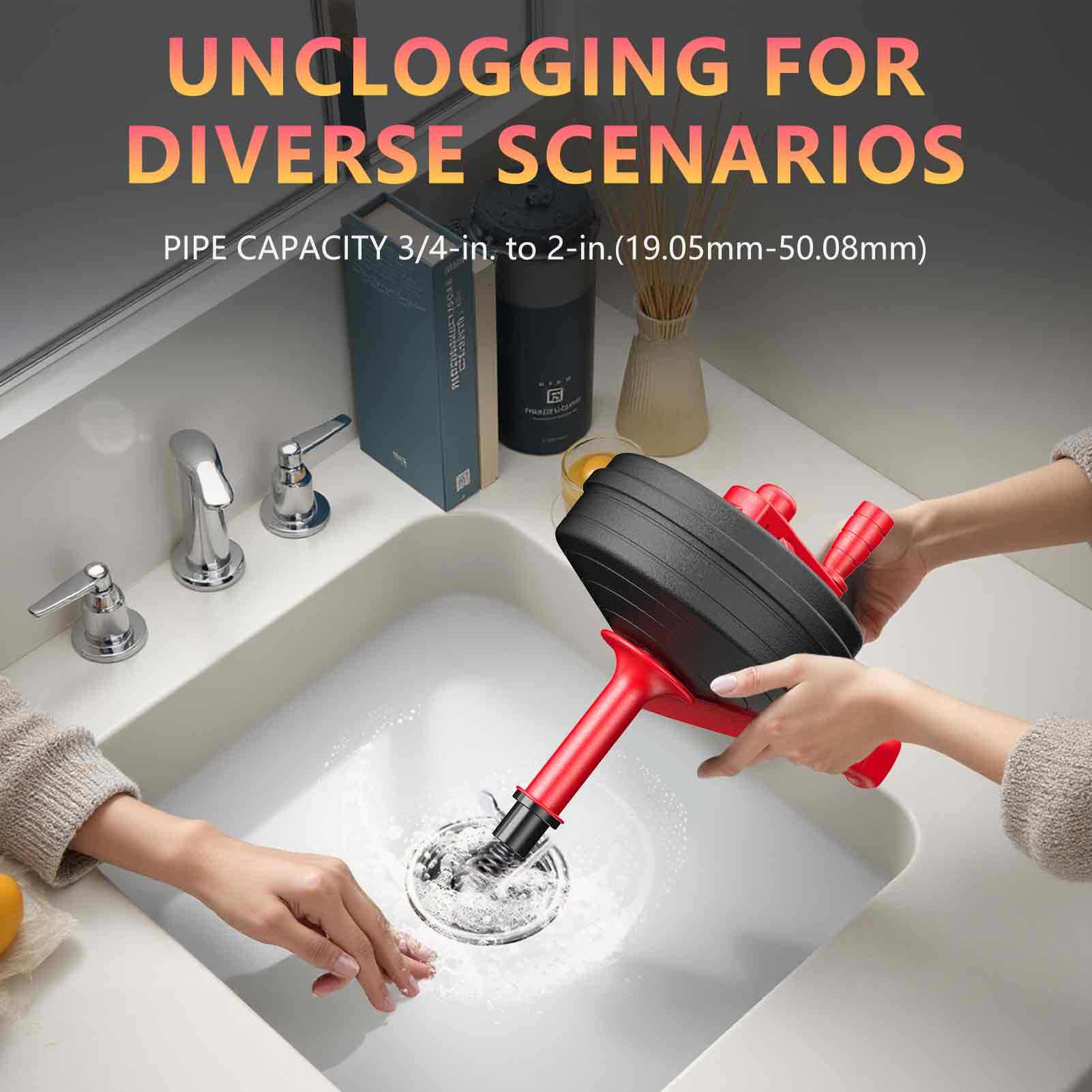
When faced with stubborn clogs that resist plungers and chemical drain cleaners, a drain snake becomes an essential tool for homeowners and professional plumbers alike. This versatile plumbing instrument works by physically breaking through blockages using a flexible cable or auger mechanism. Understanding the different types of drain snake options available can help you choose the most effective solution for your specific drainage issues, whether you're dealing with kitchen sink backups, bathroom drain clogs, or more complex sewer line obstructions.
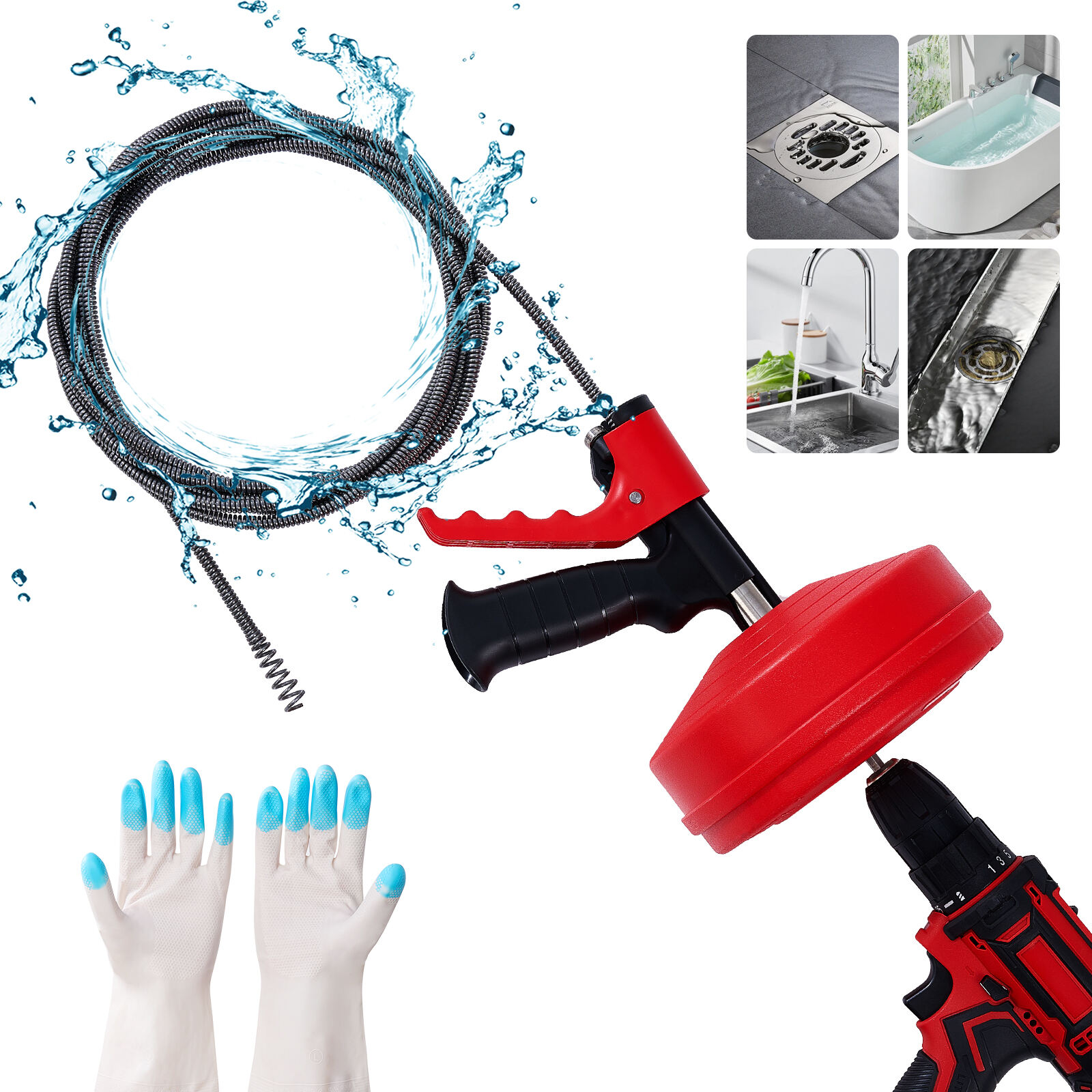
Manual Drain Snake Fundamentals
Hand-Crank Operation Mechanics
Manual drain snake models rely on hand-operated cranking mechanisms to rotate the cable through blocked pipes. These tools typically feature a coiled steel cable ranging from 15 to 50 feet in length, attached to a handle system that allows for controlled insertion and rotation. The operator feeds the cable into the drain opening while simultaneously turning the crank handle, creating a drilling motion that breaks apart organic matter, grease buildup, and small debris accumulations. Most manual units include a drum housing that stores the cable when not in use, preventing tangling and facilitating easy transport.
The effectiveness of manual operation depends largely on proper technique and cable selection. Different cable thicknesses serve various pipe diameters, with quarter-inch cables suitable for sink drains and three-eighth-inch options better suited for toilet and floor drain applications. The rotating action combined with forward pressure allows the drain snake to navigate pipe bends and reach blockages located several feet from the access point. Professional plumbers often prefer manual models for precise control during delicate operations where excessive force could damage older pipes or fixtures.
Portable Design Advantages
Compact manual drain snake units offer significant portability benefits for both homeowners and service professionals. These lightweight tools typically weigh between 5 to 15 pounds, making them easy to transport between job sites or store in utility closets. The absence of electrical components eliminates the need for power sources, allowing operation in any location regardless of outlet availability. This independence proves particularly valuable during emergency situations or when working in crawl spaces, basements, or outdoor locations where electrical access may be limited.
Storage efficiency represents another key advantage of manual designs. Most units feature collapsible handles or compact drum configurations that fit easily into service vehicles or residential storage areas. The simple mechanical construction reduces maintenance requirements compared to motorized alternatives, with occasional cable replacement being the primary service need. Many manual drain snake models also include interchangeable cutting heads and retrieval attachments, expanding their functionality without significantly increasing storage space requirements.
Electric Drain Snake Technology
Motor-Powered Performance Benefits
Electric drain snake systems deliver consistent rotational power through integrated motor assemblies, eliminating the physical effort required for manual operation. These motorized units typically provide variable speed control, allowing operators to adjust rotation rates based on blockage severity and pipe material considerations. The continuous power delivery enables sustained operation during challenging clogs that might fatigue manual operators, particularly in commercial or high-volume residential applications where multiple drains require attention.
Power transmission systems in electric models often include gear reduction mechanisms that multiply torque output while maintaining manageable cable speeds. This mechanical advantage allows smaller motors to generate sufficient force for breaking through compacted debris, tree root intrusions, and hardened grease deposits. Many electric drain snake units feature reverse rotation capabilities, enabling operators to back out of tight spots or retrieve broken cable sections without manual intervention. The consistent power delivery also reduces the risk of cable kinking or binding that can occur with uneven manual cranking techniques.
Advanced Control Features
Modern electric drain snake equipment incorporates sophisticated control systems that enhance operational safety and effectiveness. Automatic feed mechanisms regulate cable deployment speed, preventing excessive force application that could damage pipes or cause cable breakage. Torque limiting systems monitor resistance levels and automatically stop rotation when encountering immovable obstructions, protecting both the equipment and plumbing infrastructure from potential damage.
Digital display interfaces on premium electric models provide real-time feedback about cable position, rotation speed, and motor load conditions. These monitoring systems help operators identify optimal operating parameters for different drain types and blockage conditions. Some advanced units include programmable memory functions that store successful cleaning protocols for specific pipe configurations, streamlining repeat service calls. Safety interlock systems prevent accidental activation and require deliberate operator input for cable deployment, reducing the risk of injury during equipment setup and operation.
Professional-Grade Specifications
Heavy-Duty Construction Standards
Professional drain snake equipment incorporates robust construction materials and engineering specifications designed to withstand demanding commercial applications. Heavy-gauge steel frames provide structural stability during high-torque operations, while industrial-grade motors deliver reliable performance through extended operating cycles. Cable assemblies in professional units typically feature higher tensile strength ratings and specialized coatings that resist corrosion from chemical exposure and abrasive pipe surfaces.
Component accessibility represents a crucial design consideration in professional-grade drain snake systems. Serviceable parts including motor brushes, cable connections, and drive mechanisms are positioned for easy maintenance access, minimizing downtime during busy service schedules. Quality professional units often include redundant safety systems and overload protection circuits that prevent damage from unexpected operational stresses. The construction standards typically exceed residential equipment specifications by significant margins, reflecting the demanding environments and continuous usage patterns encountered in commercial plumbing applications.
Extended Cable Capacity Systems
Professional drain snake models accommodate extended cable lengths ranging from 75 to 200 feet or more, enabling access to distant blockages in large commercial buildings and municipal sewer systems. These extended capacity systems require specialized cable management mechanisms that prevent tangling during deployment and retrieval operations. Powered cable feed systems automatically advance and retract cables at controlled rates, reducing operator fatigue during lengthy cleaning procedures.
Cable storage drums in professional units incorporate precision winding mechanisms that maintain proper cable organization and prevent damage from improper coiling. Multiple cable diameter options allow technicians to select appropriate sizes for different pipe applications, from small residential drains to large commercial sewer lines. Some professional systems include quick-disconnect cable couplings that enable rapid cable changes without complete drum removal, improving operational efficiency during complex jobs requiring multiple drain snake configurations.
Application-Specific Selection Criteria
Residential Drain Cleaning Requirements
Residential drain snake applications typically involve clearing blockages in kitchen sinks, bathroom drains, laundry connections, and floor drains within single-family homes. These environments generally feature smaller pipe diameters ranging from 1.5 to 4 inches, with blockages consisting primarily of hair accumulations, soap residue, food particles, and organic debris. Manual or light-duty electric drain snake models usually provide sufficient power for residential applications while remaining cost-effective for homeowner purchase and operation.
Pipe material considerations play an important role in residential drain snake selection. Older homes with cast iron or galvanized steel pipes may require gentler cleaning approaches to avoid damage to corroded surfaces, while modern PVC installations can typically withstand more aggressive cleaning techniques. Cable length requirements in residential settings rarely exceed 25 to 50 feet, making compact units more practical than professional-grade equipment. The frequency of use in residential applications also favors simpler mechanical designs that require minimal maintenance between occasional cleaning sessions.
Commercial and Industrial Applications
Commercial and industrial facilities present more challenging drain snake requirements due to larger pipe diameters, longer runs, and more severe blockage conditions. Restaurant kitchens generate grease-heavy waste streams that create stubborn accumulations requiring powerful cleaning equipment, while manufacturing facilities may encounter debris types that demand specialized cutting attachments. Heavy-duty electric or professional-grade drain snake systems typically prove necessary for these demanding applications.
Multi-story buildings and large commercial complexes often require extended cable lengths to reach blockages in main sewer lines or remote drainage points. The higher usage frequency in commercial settings also necessitates more robust construction and readily available replacement parts to minimize service disruptions. Professional drain snake operators working in commercial environments typically maintain multiple cable types and cutting head options to address the diverse range of blockage conditions encountered across different facility types and operational requirements.
Maintenance and Operational Considerations
Proper Cable Care Techniques
Effective drain snake maintenance begins with proper cable handling and storage procedures that extend equipment lifespan and maintain operational reliability. Cables should be thoroughly cleaned after each use to remove debris, grease, and chemical residues that can cause corrosion or degradation of the steel construction. A systematic cleaning routine involving wire brushing and solvent application helps preserve cable flexibility and prevents accumulation of materials that could interfere with smooth operation through pipe systems.
Storage conditions significantly impact cable longevity and performance characteristics. Cables should be completely dry before coiling to prevent moisture-related corrosion, and storage areas should maintain stable temperature and humidity levels. Proper coiling techniques prevent kinking and stress concentrations that can lead to premature cable failure during operation. Regular inspection of cable connections, cutting heads, and drive mechanisms identifies wear patterns before they result in equipment failure or reduced cleaning effectiveness.
Safety Protocols and Best Practices
Safe drain snake operation requires adherence to established protocols that protect both operators and plumbing systems from potential damage or injury. Proper personal protective equipment including safety glasses, work gloves, and appropriate clothing prevents contact with debris and rotating machinery components. Electrical safety considerations for powered units include ground fault circuit interrupter protection and proper extension cord specifications for wet environment operation.
Operational safety protocols emphasize controlled cable deployment and retrieval to prevent equipment damage and operator injury. Understanding pipe material limitations helps prevent excessive force application that could crack or damage plumbing systems, particularly in older installations with deteriorated conditions. Emergency shutdown procedures and equipment inspection requirements ensure safe operation in various working conditions, while proper tool selection based on drain snake specifications and blockage characteristics optimizes cleaning effectiveness while minimizing risk factors.
FAQ
What size drain snake do I need for different types of drains
The appropriate drain snake size depends on your specific pipe diameter and blockage location. For standard bathroom and kitchen sink drains with 1.25 to 2-inch pipes, a quarter-inch cable drain snake works effectively for most household clogs. Toilet drains and floor drains typically require three-eighth-inch cables due to larger pipe diameters and more substantial blockages. Main sewer lines and commercial applications often need half-inch or larger cables with extended lengths reaching 75 to 100 feet for effective cleaning.
How do I know when to use manual versus electric drain snake equipment
Manual drain snake tools work well for occasional residential use and light blockages in accessible locations. Choose manual options when dealing with simple hair clogs, soap buildup, or food particle accumulations in standard household drains. Electric models become necessary for frequent use, stubborn blockages, or situations requiring extended operation periods. Professional applications, commercial facilities, and severe clogs typically require electric drain snake systems with consistent power delivery and advanced control features.
Can drain snake use damage my pipes or plumbing fixtures
Proper drain snake operation typically poses minimal risk to modern plumbing systems when appropriate techniques and equipment sizing are used. However, excessive force application or incorrect cable selection can potentially damage older pipes, particularly those with corrosion or structural weakening. Always match cable diameter to pipe size, avoid aggressive rotation in fragile systems, and consider professional service for valuable fixtures or uncertain pipe conditions. Modern PVC and copper installations generally withstand standard drain snake operations without damage when proper procedures are followed.
What maintenance does a drain snake require between uses
Regular drain snake maintenance includes thorough cable cleaning after each use to remove debris and chemical residues that can cause corrosion. Inspect cables for kinks, fraying, or damaged sections that could break during operation. Lubricate moving parts according to manufacturer specifications and store equipment in dry conditions to prevent rust formation. Electric models require additional motor maintenance including brush inspection and electrical connection checks. Replace worn cables and cutting heads promptly to maintain cleaning effectiveness and prevent damage to plumbing systems.