 EN
EN


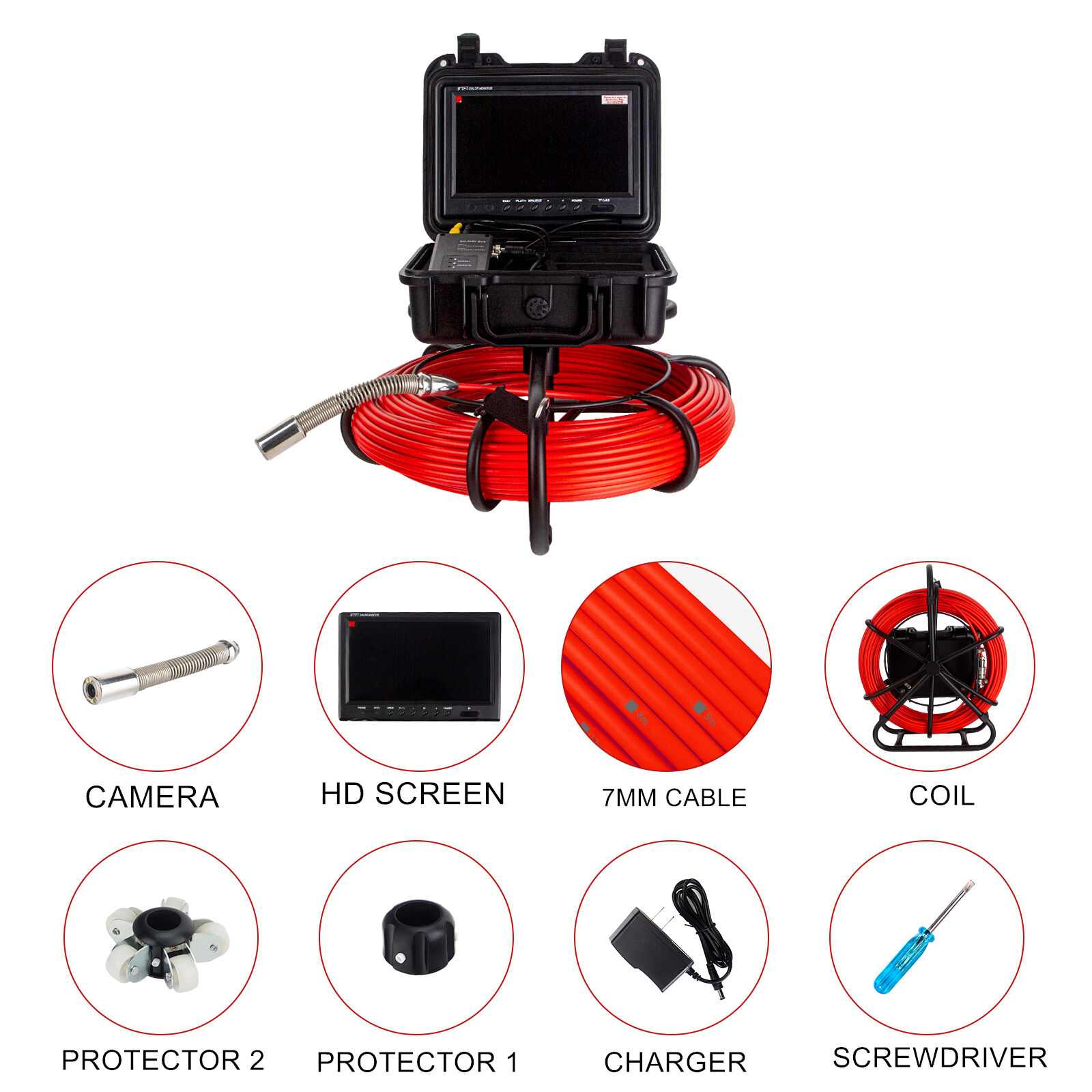
Modern homeowners and property managers increasingly face the challenge of maintaining drainage systems efficiently without relying solely on professional plumbers. A sewer inspection camera has emerged as an indispensable tool for conducting thorough diagnostic evaluations of underground pipes and drainage networks. This advanced technology enables users to identify blockages, structural damage, and potential issues before they escalate into costly repairs or complete system failures.
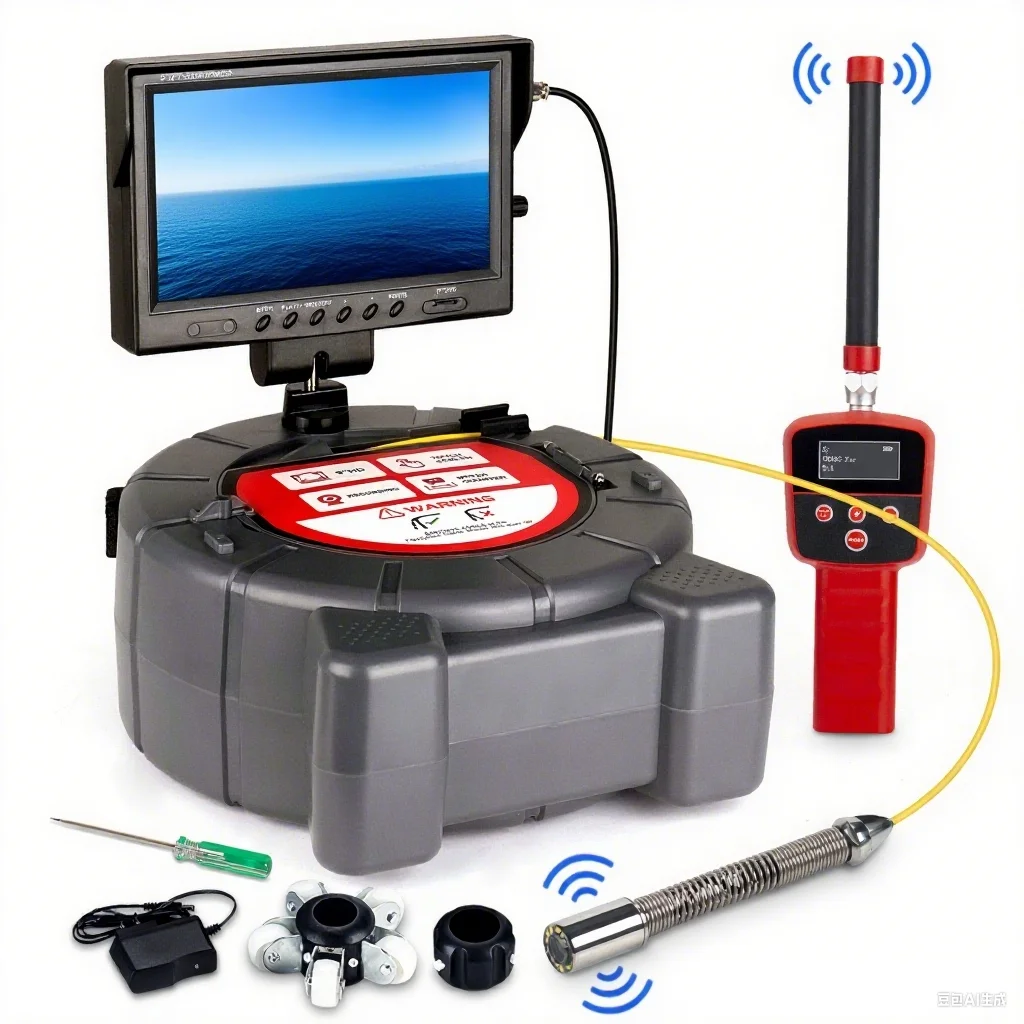
The adoption of sewer inspection camera technology has revolutionized how property maintenance professionals approach drainage system diagnostics. These sophisticated devices provide real-time visual feedback, allowing users to navigate through complex pipe networks and document findings with precision. Whether dealing with residential plumbing or commercial infrastructure, the ability to conduct thorough inspections without excavation saves significant time and resources while providing comprehensive diagnostic capabilities.
Understanding the proper implementation and operation of inspection camera systems requires knowledge of various technical specifications and practical applications. From basic residential drain cleaning to complex industrial pipeline assessments, these versatile tools offer solutions for diverse inspection requirements while maintaining cost-effectiveness and operational efficiency.
Essential Components and Technical Specifications
Camera Head Design and Durability Features
The camera head represents the most critical component of any sewer inspection camera system, designed to withstand harsh underground environments while delivering exceptional image quality. Professional-grade units feature waterproof housings rated for complete submersion, impact-resistant materials that protect against debris collisions, and specialized lens systems optimized for low-light conditions commonly encountered in drainage systems.
Advanced camera heads incorporate self-leveling mechanisms that automatically adjust orientation during navigation, ensuring consistent viewing angles regardless of pipe positioning or camera rotation. LED illumination systems provide uniform lighting distribution, eliminating shadows and dark spots that could obscure critical visual information during inspection processes.
Modern sewer inspection camera heads often include adjustable focus capabilities, allowing operators to examine pipe surfaces at various distances with remarkable clarity. Some models feature zoom functionality and image enhancement technologies that improve visibility in challenging conditions, such as partially flooded pipes or areas with significant debris accumulation.
Cable Systems and Transmission Technology
High-quality cable systems form the backbone of effective sewer inspection camera operations, providing both power transmission and data communication between the camera head and monitoring equipment. Professional cables feature reinforced construction with multiple protective layers, including waterproof sheathing, strength members, and electromagnetic shielding to prevent signal interference.
The cable length directly impacts inspection capabilities, with longer cables enabling access to extensive pipe networks and deep underground systems. Most professional-grade units offer cables ranging from 100 to 400 feet, accommodating various inspection requirements from residential service lines to major commercial drainage systems.
Advanced cable systems incorporate distance measuring capabilities, providing accurate location information for identified issues. This feature proves invaluable when coordinating repair activities or creating detailed inspection reports that require precise measurements and positioning data.
Operational Procedures and Best Practices
Pre-Inspection Setup and Safety Protocols
Proper preparation before conducting sewer inspection camera operations ensures both equipment safety and optimal inspection results. Initial setup procedures include thorough equipment inspection, cable testing, and verification of all electrical connections. Operators should examine the camera head for physical damage, test LED functionality, and confirm proper image transmission quality before beginning inspection activities.
Safety protocols require operators to identify potential hazards associated with drainage system access, including confined space considerations, toxic gas exposure risks, and electrical safety precautions. Proper personal protective equipment includes safety glasses, gloves, and appropriate footwear to prevent injury during equipment handling and deployment.
Environmental factors such as weather conditions, water levels, and access point safety must be evaluated before commencing inspection procedures. Heavy rainfall or flooding conditions may compromise inspection effectiveness and equipment safety, requiring postponement until suitable conditions return.
Navigation Techniques and Image Interpretation
Effective navigation with a sewer inspection camera requires systematic approach and careful attention to pipe characteristics and potential obstacles. Experienced operators develop techniques for smooth camera advancement while maintaining optimal viewing angles and avoiding cable entanglement or camera head damage from sharp pipe edges or protruding objects.
Image interpretation skills develop through practice and training, enabling operators to distinguish between normal pipe conditions and various types of defects or blockages. Common issues identified during inspections include root intrusion, pipe scaling, structural cracks, joint misalignment, and foreign object accumulation that could impact drainage system performance.
Documentation techniques involve capturing high-quality images and video recordings of significant findings, establishing reference points for future inspections, and maintaining detailed logs of inspection routes and discovered conditions. This information proves valuable for maintenance planning and repair prioritization.
Applications Across Different Pipe Systems
Residential Drainage Network Assessment
Residential applications of sewer inspection camera technology focus primarily on service line evaluation, main drain assessment, and preventive maintenance activities. Homeowners benefit from regular inspection schedules that identify potential problems before they result in backup incidents or emergency repair situations requiring immediate professional intervention.
Common residential inspection targets include kitchen drain lines, bathroom waste systems, laundry connections, and outdoor drainage components. The sewer inspection camera enables thorough evaluation of these systems without disrupting normal household operations or requiring extensive excavation activities.
Property purchase inspections increasingly include drainage system evaluation using camera technology, providing potential buyers with comprehensive information about hidden infrastructure conditions that could impact future maintenance costs and system reliability.
Commercial and Industrial Pipeline Monitoring
Commercial facilities require more extensive inspection capabilities due to larger pipe diameters, complex routing systems, and higher usage volumes that accelerate wear and potential failure modes. Industrial applications often involve specialized pipe materials, chemical exposure considerations, and regulatory compliance requirements that demand thorough documentation and regular monitoring schedules.
Manufacturing facilities benefit from preventive inspection programs that identify potential blockages or structural issues before they impact production operations or environmental compliance. The ability to conduct inspections during scheduled downtime minimizes operational disruptions while maintaining system reliability and performance standards.
Large-scale commercial properties such as shopping centers, office complexes, and hospitality facilities utilize sewer inspection camera technology for routine maintenance planning and emergency response capabilities. These applications require equipment with extended cable lengths and advanced documentation features to manage complex infrastructure networks effectively.
Troubleshooting Common Inspection Challenges
Equipment Performance Optimization
Maintaining optimal sewer inspection camera performance requires attention to equipment care, calibration procedures, and component replacement schedules. Regular cleaning of camera heads, cable maintenance, and electrical connection inspection prevent performance degradation and extend equipment service life while ensuring reliable operation during critical inspection activities.
Image quality issues often result from improper lighting adjustment, lens contamination, or cable signal degradation. Systematic troubleshooting procedures help operators identify and resolve these problems quickly, minimizing inspection delays and ensuring accurate diagnostic results throughout the inspection process.
Cable handling techniques significantly impact equipment longevity and inspection effectiveness. Proper deployment and retrieval procedures prevent cable damage, reduce wear on mechanical components, and maintain consistent performance throughout extended inspection sessions.
Environmental Adaptation Strategies
Various environmental conditions present challenges for sewer inspection camera operations, requiring adaptive strategies and specialized techniques. High water levels, debris accumulation, and pipe deformation can impede camera navigation and compromise inspection thoroughness if not properly addressed through modified operational approaches.
Temperature extremes affect both equipment performance and operator comfort during extended inspection activities. Cold weather conditions may impact camera sensitivity and cable flexibility, while hot environments require attention to equipment cooling and operator safety considerations during prolonged operations.
Confined space considerations become particularly important when accessing inspection points in basement areas, utility tunnels, or other restricted environments where proper ventilation and emergency procedures must be established before beginning inspection activities.
Cost-Benefit Analysis and ROI Considerations
Investment Justification for Property Owners
The economic benefits of owning a sewer inspection camera extend beyond immediate diagnostic capabilities to include long-term maintenance cost reduction and property value protection. Regular inspection schedules enable proactive maintenance planning that prevents costly emergency repairs and minimizes property damage from drainage system failures.
Professional service call elimination represents significant cost savings for property owners who conduct their own routine inspections. The typical cost of professional drain inspection services can quickly justify equipment purchase costs, particularly for properties with recurring drainage issues or extensive pipe networks requiring regular monitoring.
Insurance considerations may favor properties with documented preventive maintenance programs that include regular drainage system inspections. Some insurance providers offer premium reductions for properties with comprehensive maintenance documentation and proactive problem identification procedures.
Professional Service Provider Benefits
Professional plumbers, drain cleaning services, and property maintenance companies benefit significantly from sewer inspection camera capabilities that enhance service offerings and improve customer satisfaction. The ability to provide visual documentation of problems and solutions builds customer confidence and justifies service recommendations with concrete evidence.
Competitive advantages emerge from offering comprehensive inspection services that differentiate providers from competitors relying solely on traditional diagnostic methods. Customers increasingly value transparent service approaches that include visual confirmation of problems and detailed documentation of completed work.
Revenue opportunities expand through offering preventive inspection services, maintenance contracts, and specialized diagnostic capabilities that command premium pricing while providing genuine value to customers seeking comprehensive drainage system care.
FAQ
What pipe sizes can a sewer inspection camera effectively inspect
Most professional sewer inspection camera systems accommodate pipe diameters ranging from 2 inches to 36 inches, with specialized models available for larger commercial applications. The camera head size and cable flexibility determine minimum pipe diameter capabilities, while maximum inspection distance depends on cable length and power transmission capabilities. Standard residential applications typically involve pipes between 3 and 8 inches in diameter, well within the range of most inspection camera systems.
How often should drainage systems be inspected using camera technology
Inspection frequency depends on system age, usage levels, and environmental factors affecting pipe condition. Residential properties benefit from annual or biannual inspections, particularly for older homes with mature landscaping that may contribute to root intrusion issues. Commercial facilities often require quarterly or monthly inspections due to higher usage volumes and regulatory compliance requirements. Properties with known issues or aging infrastructure may need more frequent monitoring to prevent system failures.
Can sewer inspection cameras detect all types of pipe problems
Sewer inspection cameras excel at identifying visible defects such as blockages, cracks, root intrusion, corrosion, and structural deformation. However, some issues like minor hairline cracks, pipe wall thinning, or problems behind pipe joints may not be clearly visible through camera inspection alone. Advanced systems with specialized lighting and high-resolution imaging capabilities detect more subtle defects, but comprehensive pipe assessment may require combining camera inspection with other diagnostic methods.
What maintenance requirements do sewer inspection cameras have
Regular maintenance includes cleaning camera heads after each use, inspecting cables for damage or wear, checking electrical connections, and calibrating distance measuring systems. LED lights require periodic replacement, and camera lens cleaning ensures optimal image quality. Proper storage in protective cases prevents damage during transport and storage periods. Annual professional calibration and inspection help maintain accuracy and extend equipment service life while ensuring reliable performance during critical inspection activities.