 EN
EN


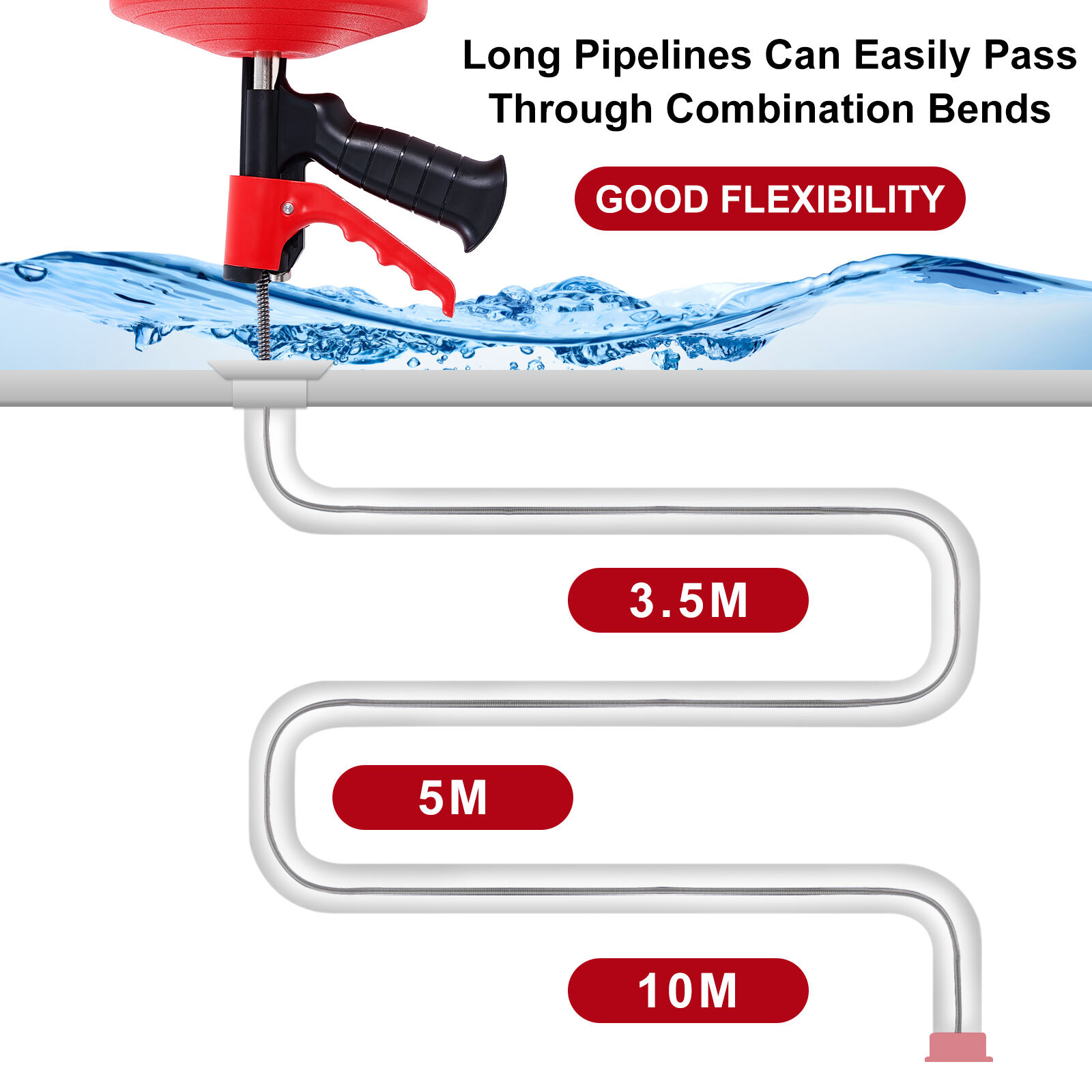
When faced with a stubborn drain clog, homeowners and professionals alike often debate which tool provides the most effective solution. While both plungers and drain snakes serve essential roles in drain maintenance, understanding their specific applications and limitations can help determine which tool works better for different situations. A drain snake offers mechanical precision for deep blockages, while a plunger relies on hydraulic pressure to dislodge surface-level obstructions. The choice between these two fundamental plumbing tools depends on factors such as clog location, pipe material, blockage type, and the severity of the drainage issue.
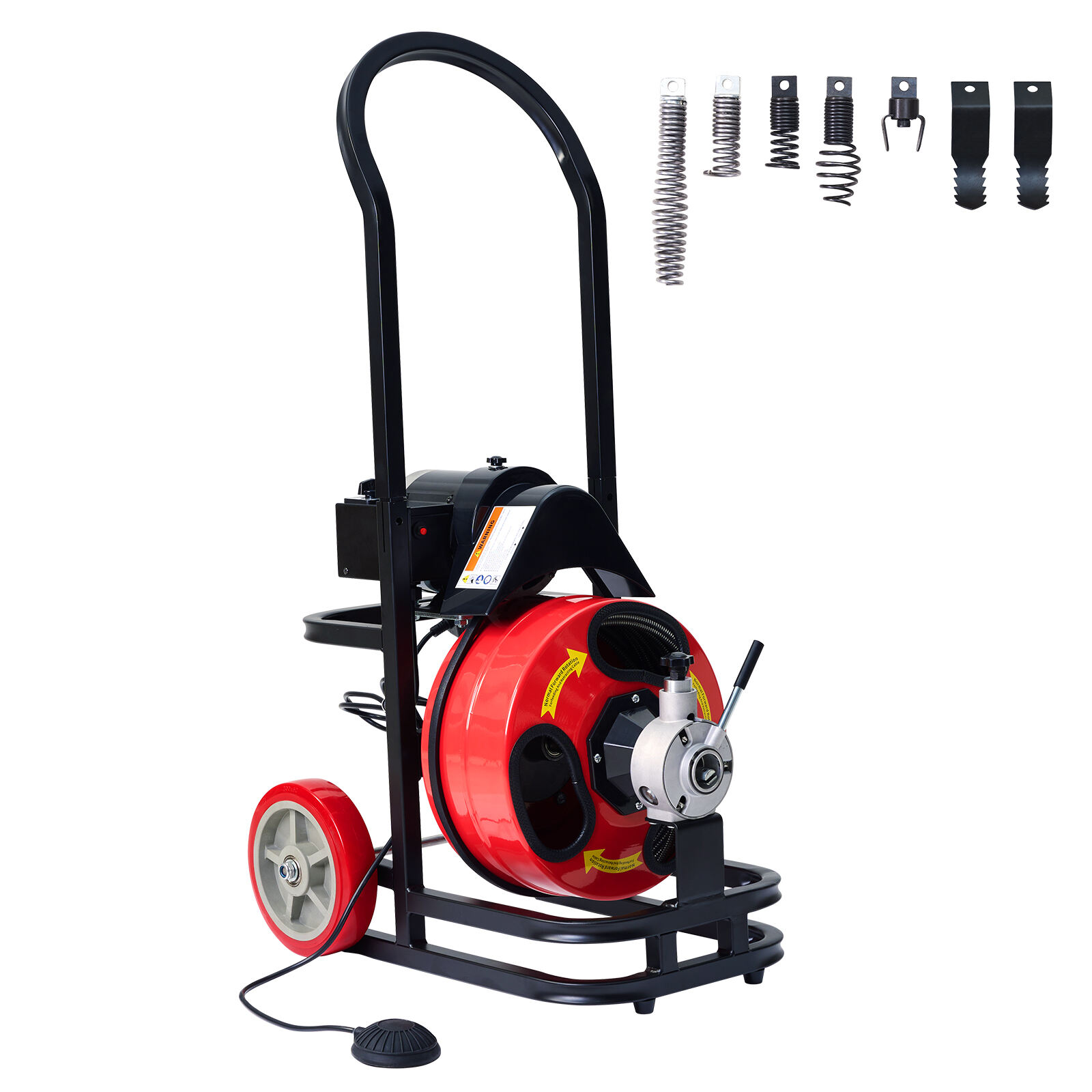
Understanding Drain Snake Mechanics and Applications
How Drain Snakes Function
A drain snake operates through mechanical action, using a flexible metal cable or auger to physically break through blockages deep within drainage systems. The rotating motion of a drain snake allows it to navigate pipe bends and reach clogs located far from the drain opening. Professional-grade models feature motorized mechanisms that provide consistent torque and feeding action, making them highly effective for commercial and residential applications. The cutting head or auger attachment physically fragments debris, hair, grease buildup, and other obstructive materials that accumulate within pipes over time.
Modern drain snake designs incorporate various features to enhance their effectiveness, including interchangeable cutting heads for different blockage types and auto-feed mechanisms that maintain consistent cable tension. The mechanical advantage of a drain snake becomes particularly apparent when dealing with root intrusions, mineral deposits, or compacted organic matter that cannot be dislodged through hydraulic pressure alone. This direct physical intervention makes the drain snake an invaluable tool for addressing persistent drainage issues that resist other clearing methods.
Optimal Drain Snake Usage Scenarios
Professional plumbers typically recommend using a drain snake when dealing with deep-seated blockages located beyond the immediate drain trap area. Kitchen sinks experiencing grease-related clogs often require the mechanical action of a drain snake to break through solidified fats and oils that have accumulated along pipe walls. Similarly, bathroom drains clogged with hair and soap scum respond well to drain snake intervention, as the rotating auger can effectively capture and remove these fibrous materials.
Floor drains, laundry room sinks, and utility drains frequently develop clogs from lint, debris, and sediment that settle in lower pipe sections. A drain snake proves particularly effective in these scenarios because it can reach these deeper accumulation points and physically remove the obstructive materials. Commercial establishments dealing with food service operations or heavy-use facilities often rely on drain snakes as their primary clearing tool due to their ability to handle substantial blockages and provide thorough pipe cleaning action.
Plunger Mechanics and Effectiveness Analysis
Hydraulic Pressure Principles
Plungers function through hydraulic pressure dynamics, creating alternating compression and suction forces that can dislodge blockages positioned relatively close to the drain opening. The rubber cup design forms a seal around the drain, allowing users to generate significant pressure differentials that can break apart loose debris or push clogs through to wider pipe sections. This hydraulic action proves most effective against soft blockages such as toilet paper, food particles, or loosely compacted organic matter that can be displaced through pressure manipulation.
The effectiveness of plunger action depends heavily on proper technique and seal formation. Different plunger designs, including cup plungers for sinks and flange plungers for toilets, optimize the hydraulic seal for specific drain configurations. However, the reach limitation of hydraulic pressure means that plungers primarily address blockages within the immediate vicinity of the drain opening, typically within the first few feet of the drainage system.
Plunger Limitations and Constraints
While plungers offer convenience and immediate availability, they face significant limitations when confronting certain types of blockages. Hard obstructions such as jewelry, toys, or mineral deposits cannot be effectively addressed through hydraulic pressure alone. Additionally, plungers struggle with grease-based clogs that have solidified along pipe walls, as the pressure waves cannot penetrate these adherent materials effectively.
Distance limitations further restrict plunger effectiveness, as hydraulic pressure dissipates rapidly through pipe systems. Blockages located beyond the immediate drain trap area often remain unaffected by plunger action, requiring alternative clearing methods. The temporary nature of plunger solutions also presents concerns, as hydraulic pressure may temporarily displace debris without fully removing it, leading to recurring blockage issues.
Comparative Performance Analysis
Effectiveness Against Different Blockage Types
When comparing drain snake versus plunger effectiveness, the type of blockage serves as the primary determining factor. Hair clogs, common in bathroom drains, respond exceptionally well to drain snake intervention due to the mechanical catching and removal action. The rotating auger effectively wraps around hair masses and extracts them completely from the drainage system. Plungers, conversely, may temporarily displace hair clogs but often fail to achieve complete removal.
Grease blockages present another scenario where drain snake superiority becomes evident. The mechanical cutting action can break through solidified grease deposits and scrape adherent materials from pipe walls. Plungers typically cannot generate sufficient force to penetrate hardened grease barriers, making them ineffective for kitchen drain maintenance. Food particle clogs, however, may respond to either tool depending on their composition and location within the drainage system.
Reach and Accessibility Considerations
The reach advantage of drain snakes provides a significant performance benefit over plungers in most drainage scenarios. Professional drain snake models can extend 25 to 100 feet into pipe systems, accessing blockages located far from drain openings. This extended reach capability allows for comprehensive pipe cleaning and blockage removal throughout the entire drainage network. Plungers, limited by hydraulic pressure transmission, typically affect only the first few feet of pipe length.
Accessibility to different drain configurations also favors drain snake usage. Floor drains, cleanout ports, and various pipe diameters can accommodate drain snake insertion, while plungers require specific drain geometries to form effective seals. The versatility of drain snake applications extends to both residential and commercial settings, making them valuable tools for professional plumbing services and property maintenance operations.
Cost and Investment Considerations
Initial Purchase and Operating Costs
The initial investment for drain snake equipment varies significantly based on intended usage and performance requirements. Basic manual drain snake models suitable for homeowner use typically range from fifty to two hundred dollars, while professional motorized units can cost several hundred to thousands of dollars. However, this initial investment often proves economical over time due to the tool's durability and effectiveness in resolving drainage issues without requiring professional service calls.
Plungers represent a minimal initial investment, typically costing between ten and thirty dollars for quality models. However, their limited effectiveness may result in higher long-term costs through repeated professional plumbing services or the eventual need for additional clearing tools. The operational costs of drain snake usage include occasional replacement of cutting heads or cables, while plungers may require replacement due to wear or contamination from heavy usage.
Long-term Value and Return on Investment
Professional-grade drain snake equipment delivers superior return on investment through its ability to handle diverse blockage types and provide comprehensive pipe cleaning services. Commercial establishments and rental property managers often find that drain snake ownership reduces maintenance costs significantly compared to repeated plumber service calls. The thorough cleaning action of a drain snake can prevent future blockage formation, extending the intervals between required maintenance interventions.
For residential applications, a quality drain snake can serve multiple decades with proper maintenance, making it a valuable long-term investment for property owners. The ability to address emergency drainage issues immediately, regardless of time or service availability, provides additional value that justifies the initial equipment cost. Plungers, while offering immediate availability and low cost, may not deliver equivalent long-term value due to their limited problem-solving capabilities.
Professional Application and Industry Standards
Commercial and Industrial Usage Patterns
Professional plumbing services consistently rely on drain snake equipment as their primary tool for drainage system maintenance and blockage removal. The mechanical precision and deep-reach capabilities of drain snakes make them indispensable for commercial kitchens, industrial facilities, and multi-unit residential properties. Professional standards typically require comprehensive pipe cleaning that extends beyond surface-level blockage removal, making drain snake usage the preferred approach for thorough drainage system maintenance.
Restaurant operations, healthcare facilities, and educational institutions often incorporate regular drain snake maintenance into their preventive maintenance programs. The ability to remove buildup before it develops into complete blockages helps maintain operational continuity and prevents costly emergency repairs. Professional drain snake operators undergo training to optimize equipment usage and ensure safe operation within various pipe materials and configurations.
Safety and Operational Protocols
Proper drain snake operation requires adherence to established safety protocols to prevent equipment damage and ensure operator safety. Professional guidelines emphasize the importance of understanding pipe materials, diameter limitations, and appropriate cutting head selection for different blockage types. Motorized drain snake equipment includes safety features such as torque controls and emergency stops to prevent cable damage or operator injury during operation.
Training programs for drain snake operation cover proper feeding techniques, rotation speed control, and recognition of equipment limitations. Professional operators learn to identify situations where alternative clearing methods may be more appropriate and how to assess pipe condition during cleaning operations. These comprehensive protocols ensure that drain snake usage delivers optimal results while maintaining system integrity and operator safety.
FAQ
When should I choose a drain snake over a plunger for drain cleaning?
Choose a drain snake when dealing with deep blockages, hair clogs, grease buildup, or recurring drainage issues that plungers cannot resolve. Drain snakes are particularly effective for kitchen sinks with grease problems, bathroom drains with hair accumulation, and any situation where blockages are located beyond the immediate drain area. If plunging fails to clear a blockage after several attempts, a drain snake typically provides the mechanical action needed to break through stubborn obstructions.
Can a drain snake damage my pipes compared to using a plunger?
When used properly, drain snakes are safe for most pipe materials including PVC, cast iron, and copper. However, aggressive operation or incorrect technique can potentially damage older or fragile pipes. Always start with gentle pressure and appropriate cutting heads for your pipe type. Plungers are generally safer for delicate fixtures but may not solve underlying drainage problems, potentially leading to more severe issues requiring intensive intervention later.
What types of blockages respond better to plungers than drain snakes?
Plungers work best for soft, loose blockages located near the drain opening, such as toilet paper, food particles, or recently formed organic clogs. They are particularly effective for toilet blockages and situations where hydraulic pressure can push debris through to larger pipe sections. However, for most sink and floor drain applications, drain snakes provide more comprehensive and permanent solutions.
How do I determine if I need professional drain snake service?
Consider professional service when dealing with main line blockages, recurring drainage issues despite repeated clearing attempts, or situations involving sewage backup. Professional drain snake operators have access to high-powered equipment and can handle complex pipe systems safely. If you're uncomfortable operating drain snake equipment or if initial attempts with basic tools fail to resolve the problem completely, professional service ensures thorough cleaning and proper system restoration.