 EN
EN


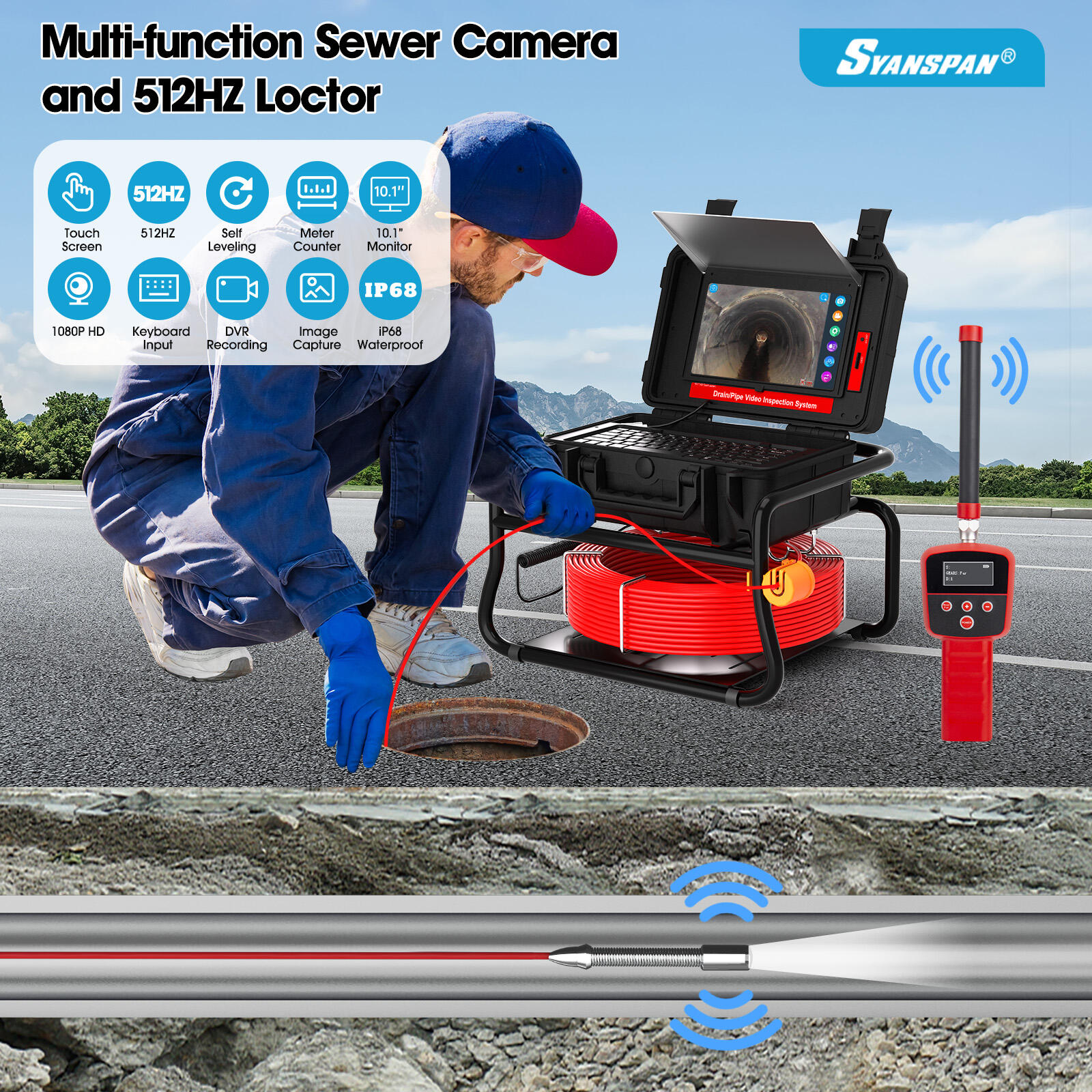
Professional plumbing and municipal maintenance work requires reliable diagnostic tools to identify blockages, cracks, and structural issues within pipe systems. A quality sewer inspection camera serves as an essential piece of equipment for contractors, municipal workers, and property maintenance professionals who need to assess underground infrastructure without costly excavation. Modern inspection cameras have evolved significantly, offering enhanced imaging capabilities, longer cable lengths, and improved durability to handle demanding field conditions.
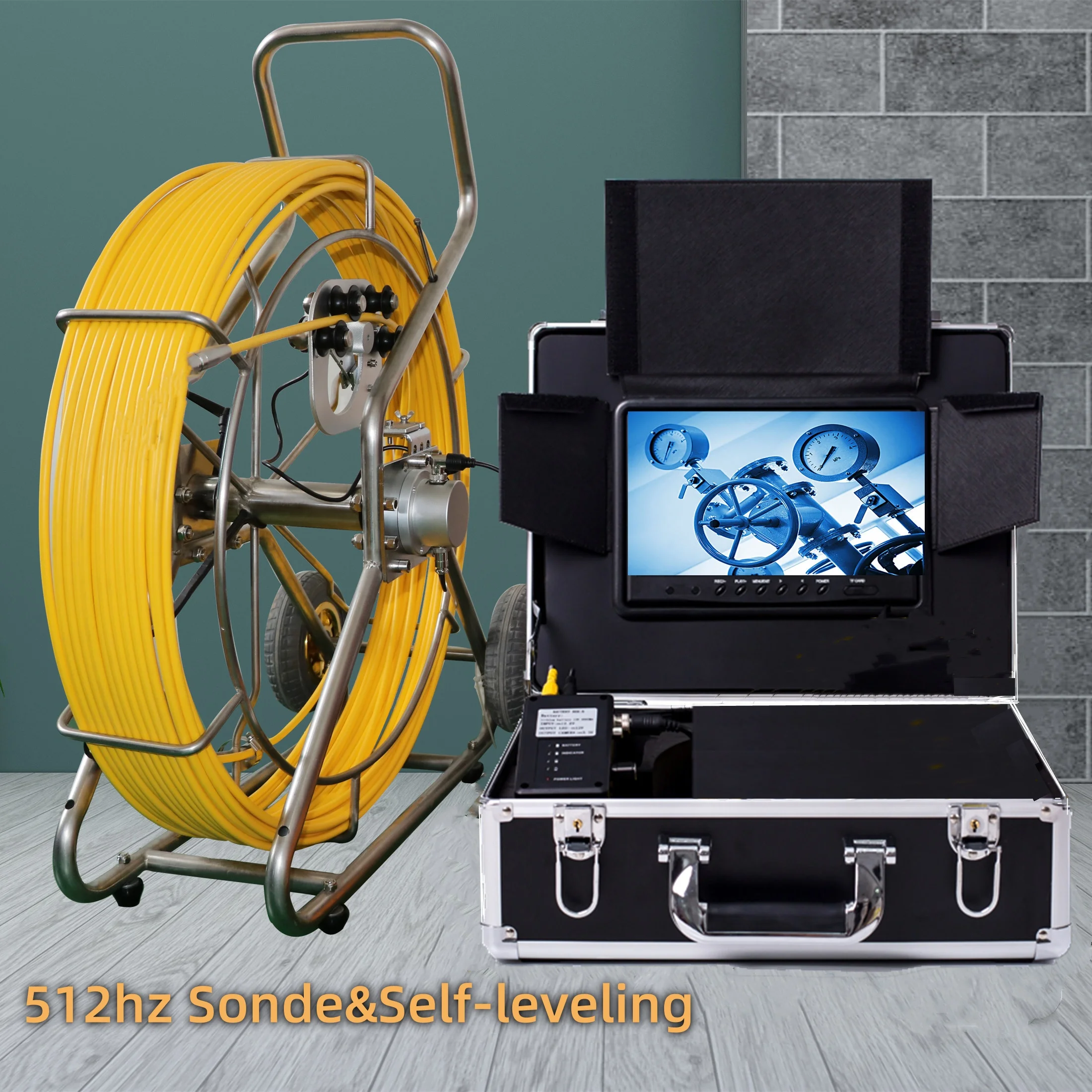
The selection process involves evaluating multiple technical specifications and operational requirements that directly impact diagnostic accuracy and long-term equipment reliability. Professional-grade inspection systems must deliver consistent performance across various pipe materials, diameters, and environmental conditions while providing clear visual documentation for client reports and maintenance records.
Essential Camera Head Specifications
Resolution and Image Quality Standards
High-definition video resolution represents a fundamental requirement for professional pipe inspection work. Modern systems typically offer 1080p recording capabilities, ensuring detailed visual documentation of pipe interiors, joint conditions, and potential problem areas. Superior image quality enables accurate identification of hairline cracks, root intrusion points, and corrosion patterns that might be missed with lower-resolution equipment.
Camera sensors must perform effectively in low-light underground environments while maintaining color accuracy for proper material identification. Professional models incorporate advanced LED lighting arrays that provide uniform illumination without creating harsh shadows or glare that could obscure important details during inspection procedures.
Waterproof Ratings and Durability Features
IP68 waterproof certification ensures reliable operation in fully submerged conditions, protecting sensitive electronic components from water damage during extended underground inspections. This protection level allows operators to conduct thorough examinations of water-filled pipes and storm drainage systems without equipment failure concerns.
Robust construction materials and shock-resistant housing protect camera heads from impacts against pipe walls, debris, and obstacles commonly encountered during navigation through complex plumbing systems. Professional-grade equipment incorporates reinforced cable connections and sealed component housings to withstand repeated field use and harsh environmental conditions.
Cable System Performance Factors
Length Requirements and Flexibility Standards
Cable length directly determines inspection reach capabilities, with professional systems offering 200-meter options for extensive municipal pipeline surveys and residential property assessments. Longer cables enable comprehensive examination of main sewer lines, lateral connections, and underground infrastructure without requiring multiple access points or repositioning procedures.
Flexible cable construction ensures smooth navigation through pipe bends, transitions, and junction points while maintaining signal integrity throughout the inspection process. Premium cables incorporate fiber-optic technology or high-quality coaxial designs that preserve video quality over extended distances without signal degradation or interference issues.
Push-Pull Strength and Retrieval Systems
Adequate cable strength prevents breakage during extraction from pipes containing debris, sediment buildup, or unexpected obstructions. Professional operators require equipment capable of withstanding substantial pulling forces while maintaining structural integrity and continued operational reliability.
Integrated cable management systems facilitate organized storage and deployment, reducing setup time and preventing tangling issues that could interrupt inspection workflows. Motorized reel systems enhance operational efficiency by enabling controlled cable advancement and retrieval during complex inspection procedures.
Display and Recording Technology
Screen Size and Visibility Options
Nine-inch display screens provide optimal viewing area for detailed inspection work while maintaining portable equipment configurations suitable for field operations. Larger screens enable multiple team members to simultaneously observe inspection progress and collaborate on problem identification and documentation procedures.
High-brightness displays with anti-glare coatings ensure clear visibility in various lighting conditions, from bright outdoor environments to dimly lit basement locations. Professional systems incorporate adjustable brightness controls and contrast settings that optimize image viewing based on specific operational requirements and ambient lighting conditions.
Video Recording and Documentation Features
Integrated recording capabilities enable comprehensive documentation of inspection findings for client reports, insurance claims, and maintenance planning purposes. Professional sewer inspection camera systems store high-definition video files and still images on removable storage media for easy transfer and archival purposes.
Timestamp and location overlay features provide essential documentation elements that support accurate record-keeping and enable precise problem location identification for future repair work. Advanced systems incorporate GPS coordinates and distance measurements that enhance diagnostic accuracy and facilitate efficient maintenance scheduling.
Advanced Features and Technology Integration
Self-Leveling Capabilities
Self-leveling camera heads maintain consistent image orientation regardless of cable rotation during navigation through complex pipe systems. This feature ensures stable video footage and reduces operator fatigue by eliminating the need for manual image adjustment during extended inspection procedures.
Gyroscopic stabilization technology provides smooth video recording even when cameras encounter turbulence from water flow or debris contact. Professional operators benefit from consistent image quality that facilitates accurate problem identification and detailed visual documentation throughout inspection processes.
Locating and Measurement Functions
Integrated sonde transmitters enable precise underground location detection using compatible receiver equipment, allowing operators to mark problem areas for excavation or repair work. Frequency options typically include 512Hz signals that provide reliable detection capabilities through various soil conditions and surface materials.
Distance measurement capabilities track cable insertion depth, enabling accurate problem location documentation and precise repair planning. Professional systems incorporate linear measurement displays that help operators navigate to specific locations and provide accurate distance information for maintenance records and cost estimation procedures.
Selection Criteria for Professional Applications
Budget Considerations and Value Assessment
Professional sewer inspection camera systems require significant initial investment, but quality equipment provides long-term operational savings through reduced downtime, improved diagnostic accuracy, and enhanced service capabilities. Comparing total cost of ownership includes equipment purchase price, maintenance requirements, and expected service life for comprehensive value evaluation.
Factory direct pricing options often provide substantial cost savings compared to distributor markups while maintaining manufacturer warranty coverage and technical support services. Professional contractors benefit from establishing direct relationships with equipment manufacturers for ongoing parts availability and service support.
Manufacturer Support and Warranty Coverage
Comprehensive warranty coverage protects equipment investments and ensures reliable technical support for troubleshooting and repair services. Professional operators require access to replacement parts, firmware updates, and technical assistance to maintain operational readiness and minimize service interruptions.
Training resources and operational documentation support proper equipment utilization and help operators maximize diagnostic capabilities. Manufacturer-provided training programs ensure staff competency and promote safe operating procedures that extend equipment service life and improve inspection quality.
FAQ
What cable length is recommended for residential sewer inspections
Most residential sewer inspections require cable lengths between 100-200 meters to reach from main access points to property connections. Longer cables provide flexibility for complex layouts and ensure comprehensive inspection coverage without requiring multiple setup locations.
How important is video recording capability for professional use
Video recording serves as essential documentation for client reports, insurance claims, and legal requirements in professional plumbing applications. High-quality recordings enable detailed analysis, support accurate cost estimates, and provide proof of inspection thoroughness for liability protection.
What maintenance is required for sewer inspection cameras
Regular cleaning of camera heads and cables prevents debris buildup that could affect image quality or cause equipment damage. Professional systems require periodic calibration checks, software updates, and replacement of wear components to maintain optimal performance and reliability.
Can inspection cameras detect all types of pipe problems
Modern inspection cameras effectively identify visual problems including cracks, blockages, root intrusion, and structural damage. However, some issues like minor leaks or problems behind pipe walls may require additional diagnostic methods for complete assessment and accurate problem identification.