 EN
EN


Industrial infrastructure maintenance faces unprecedented challenges as aging pipe systems demand more sophisticated inspection and repair solutions. Traditional maintenance approaches often require extensive excavation, service disruptions, and costly manual labor that can paralyze operations for days or weeks. The emergence of advanced pipe crawl technology has fundamentally transformed how facility managers, municipal authorities, and industrial operators approach pipeline maintenance, offering unprecedented access to previously unreachable areas while dramatically reducing operational downtime and maintenance costs.
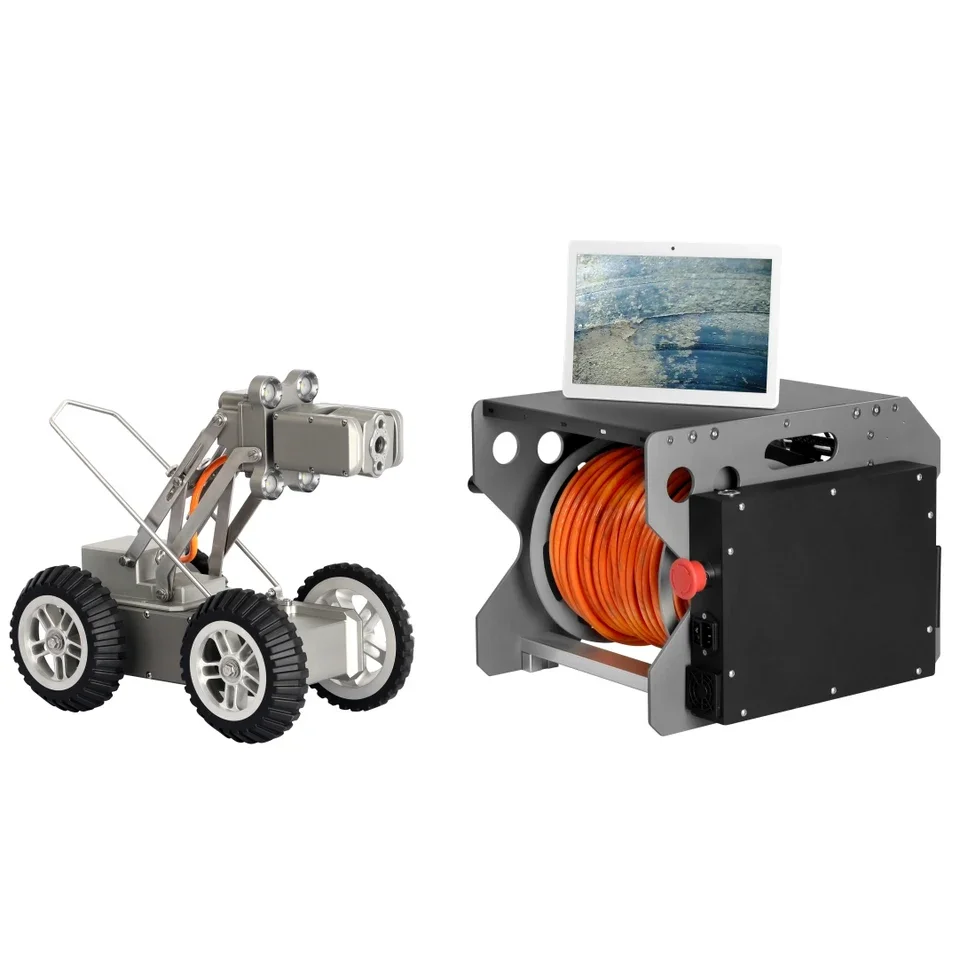
This revolutionary maintenance methodology leverages robotic systems equipped with high-definition cameras, sensors, and diagnostic tools that navigate through pipe networks autonomously or under remote control. Modern pipe crawl systems integrate advanced navigation capabilities, real-time data transmission, and comprehensive documentation features that enable maintenance teams to identify problems, assess conditions, and plan interventions with surgical precision. The technology has proven particularly valuable in municipal water systems, industrial process pipelines, and large-scale drainage networks where traditional inspection methods prove inadequate or prohibitively expensive.
Advanced Navigation and Positioning Systems
Multi-Directional Mobility Enhancement
Contemporary pipe crawl systems incorporate sophisticated locomotion mechanisms that enable navigation through complex pipeline geometries, including vertical sections, sharp bends, and varying diameter transitions. These robotic platforms utilize tracked drive systems, articulated joints, and adaptive wheel configurations that maintain continuous contact with pipe walls regardless of orientation or surface conditions. The enhanced mobility allows maintenance teams to access previously unreachable pipeline sections without requiring costly excavation or service interruptions.
Advanced pipe crawl technology integrates gyroscopic stabilization systems and magnetic positioning sensors that provide precise location data throughout the inspection process. This positioning accuracy enables maintenance personnel to create detailed pipeline maps, correlate defect locations with surface landmarks, and plan targeted repair interventions. The navigation systems also incorporate obstacle detection capabilities that automatically adjust movement patterns when encountering debris, structural changes, or unexpected pipeline configurations.
Automated Distance Measurement and Mapping
Modern pipe crawl platforms feature integrated distance measurement systems that continuously track travel distance, direction changes, and elevation variations throughout the inspection process. These measurement capabilities enable the creation of comprehensive pipeline surveys that document internal conditions, structural integrity, and potential maintenance requirements. The automated mapping functionality eliminates guesswork from maintenance planning and provides accurate data for regulatory compliance reporting.
The mapping systems integrate with GPS positioning technology when operating in accessible pipeline sections, creating seamless transitions between underground and surface navigation references. This integration ensures that maintenance teams can precisely locate identified problems and coordinate repair activities with minimal disruption to surrounding infrastructure or operations.
High-Definition Diagnostic Capabilities
Multi-Spectrum Imaging Technology
Advanced pipe crawl systems incorporate high-definition cameras capable of capturing detailed visual documentation in various lighting conditions and pipe environments. These imaging systems utilize LED illumination arrays, adjustable focus mechanisms, and multi-angle recording capabilities that provide comprehensive visual assessment of internal pipe conditions. The cameras can detect hairline cracks, corrosion patterns, joint failures, and blockage formations that might remain undetected using conventional inspection methods.
The diagnostic capabilities extend beyond visible light imaging to include thermal detection, ultrasonic thickness measurement, and electromagnetic defect identification. This multi-spectrum approach enables pipe crawl systems to identify structural weaknesses, material degradation, and potential failure points before they develop into costly emergency repairs or system failures.
Real-Time Data Analysis and Reporting
Contemporary pipe crawl technology integrates artificial intelligence algorithms that analyze captured data in real-time, automatically identifying potential problems and prioritizing maintenance requirements. These analysis systems can recognize common defect patterns, measure crack dimensions, and assess corrosion severity using standardized industry criteria. The automated analysis capabilities reduce inspection time while improving detection accuracy and consistency across different operators and inspection campaigns.
The reporting systems generate comprehensive documentation packages that include high-resolution imagery, defect classifications, location coordinates, and recommended maintenance actions. These reports integrate seamlessly with computerized maintenance management systems, enabling facility managers to track pipeline conditions over time, schedule preventive maintenance activities, and optimize resource allocation based on actual condition data rather than arbitrary maintenance schedules.
Operational Efficiency and Cost Reduction
Minimized Service Disruption
Pipe crawl technology eliminates the need for extensive excavation, service shutdowns, and disruptive access procedures that characterize traditional pipeline inspection methods. The systems can inspect active pipelines during normal operation periods, allowing continuous service delivery while gathering comprehensive condition data. This operational continuity proves particularly valuable in critical infrastructure applications where service interruptions create significant economic or safety consequences.
The non-invasive nature of pipe crawl inspections enables more frequent condition assessments without imposing operational burdens on facility managers or end users. Regular inspection intervals facilitate early problem detection, preventive maintenance scheduling, and proactive system management that prevents minor issues from developing into major failures requiring emergency response and extensive repairs.
Resource Optimization and Planning
Advanced pipe crawl systems provide detailed condition data that enables precise maintenance planning and resource allocation optimization. Maintenance teams can prioritize repair activities based on actual defect severity rather than estimated conditions, ensuring that limited maintenance budgets address the most critical problems first. The detailed documentation also supports accurate repair material estimation, contractor specifications, and project timeline development.
The comprehensive data collection capabilities support long-term asset management strategies by providing objective condition trending information over multiple inspection cycles. This historical data enables facility managers to predict maintenance requirements, optimize replacement schedules, and justify capital improvement investments based on documented deterioration patterns and performance metrics.
Integration with Modern Maintenance Management
Digital Documentation and Compliance
Contemporary pipe crawl systems generate digital documentation packages that integrate seamlessly with modern asset management platforms and regulatory reporting requirements. The standardized data formats enable automatic report generation, condition trend analysis, and compliance documentation that satisfies various industry standards and government regulations. This digital integration eliminates manual documentation tasks while improving data accuracy and accessibility for multiple stakeholders.
The comprehensive documentation capabilities support audit requirements, insurance assessments, and capital planning initiatives by providing objective evidence of system conditions and maintenance activities. The digital records create valuable institutional knowledge that persists regardless of personnel changes and supports continuous improvement in maintenance strategies and operational procedures.
Predictive Maintenance Integration
Modern pipe crawl technology contributes essential data inputs for predictive maintenance algorithms that forecast component failures and optimize maintenance scheduling. The detailed condition information enables machine learning systems to identify deterioration patterns, predict failure timelines, and recommend proactive interventions before problems develop into costly emergency situations. This predictive capability transforms maintenance from reactive problem-solving to proactive system optimization.
The integration with predictive maintenance platforms enables automated maintenance scheduling, resource planning, and performance monitoring that optimizes system reliability while minimizing maintenance costs. The objective condition data eliminates guesswork from maintenance decisions and supports data-driven optimization of maintenance strategies based on actual system performance rather than theoretical maintenance intervals.
FAQ
What pipe sizes and materials are compatible with modern pipe crawl technology?
Contemporary pipe crawl systems accommodate pipe diameters ranging from 6 inches to 72 inches, with specialized platforms available for larger municipal and industrial pipelines. The technology works effectively in various pipe materials including concrete, steel, cast iron, PVC, and composite materials. Advanced systems feature adaptive wheel configurations and adjustable chassis dimensions that automatically conform to different pipe sizes and cross-sectional shapes during inspection operations.
How does pipe crawl technology perform in pipes with flowing water or debris?
Modern pipe crawl systems incorporate waterproof housing, enhanced traction systems, and debris navigation capabilities that enable operation in pipes containing flowing water up to specified depths. The systems feature sealed electronics, corrosion-resistant materials, and specialized locomotion mechanisms designed to maintain stability and control in wet conditions. Debris detection sensors automatically adjust navigation patterns to avoid damage while continuing inspection operations in challenging environmental conditions.
What training requirements exist for operating pipe crawl inspection systems?
Operating pipe crawl technology typically requires specialized training covering system operation, data interpretation, safety protocols, and equipment maintenance procedures. Most manufacturers provide certification programs that include hands-on training, technical documentation, and ongoing support resources. The training duration varies from several days for basic operation to comprehensive programs covering advanced diagnostic interpretation and system maintenance for technical specialists and maintenance supervisors.
How does pipe crawl technology compare to traditional inspection methods in terms of accuracy and completeness?
Pipe crawl technology provides significantly higher inspection accuracy and completeness compared to traditional visual inspection or sampling methods. The high-definition imaging capabilities, precise positioning systems, and comprehensive documentation features enable detection of defects as small as hairline cracks that might remain unnoticed during conventional inspections. The systematic inspection approach ensures complete pipeline coverage without gaps or missed sections that commonly occur with manual inspection techniques.
Table of Contents
- Advanced Navigation and Positioning Systems
- High-Definition Diagnostic Capabilities
- Operational Efficiency and Cost Reduction
- Integration with Modern Maintenance Management
-
FAQ
- What pipe sizes and materials are compatible with modern pipe crawl technology?
- How does pipe crawl technology perform in pipes with flowing water or debris?
- What training requirements exist for operating pipe crawl inspection systems?
- How does pipe crawl technology compare to traditional inspection methods in terms of accuracy and completeness?