 EN
EN


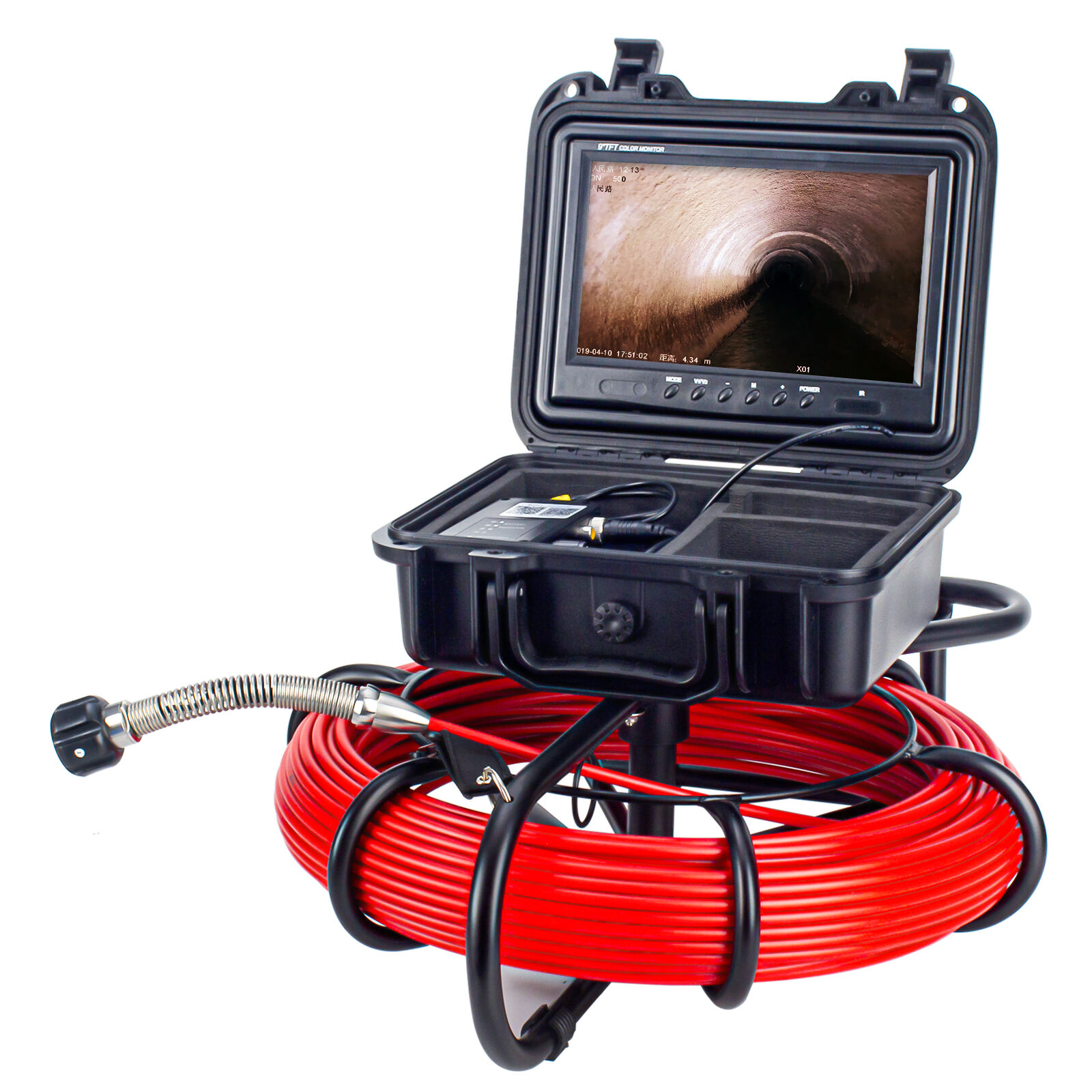
Industrial pipeline inspection has evolved significantly with advanced pipe crawl technology, providing unprecedented access to confined spaces that were previously impossible to examine thoroughly. Modern pipe crawl systems have revolutionized how maintenance teams approach pipeline diagnostics, offering comprehensive visual documentation and real-time assessment capabilities that enhance operational efficiency across various industrial sectors.
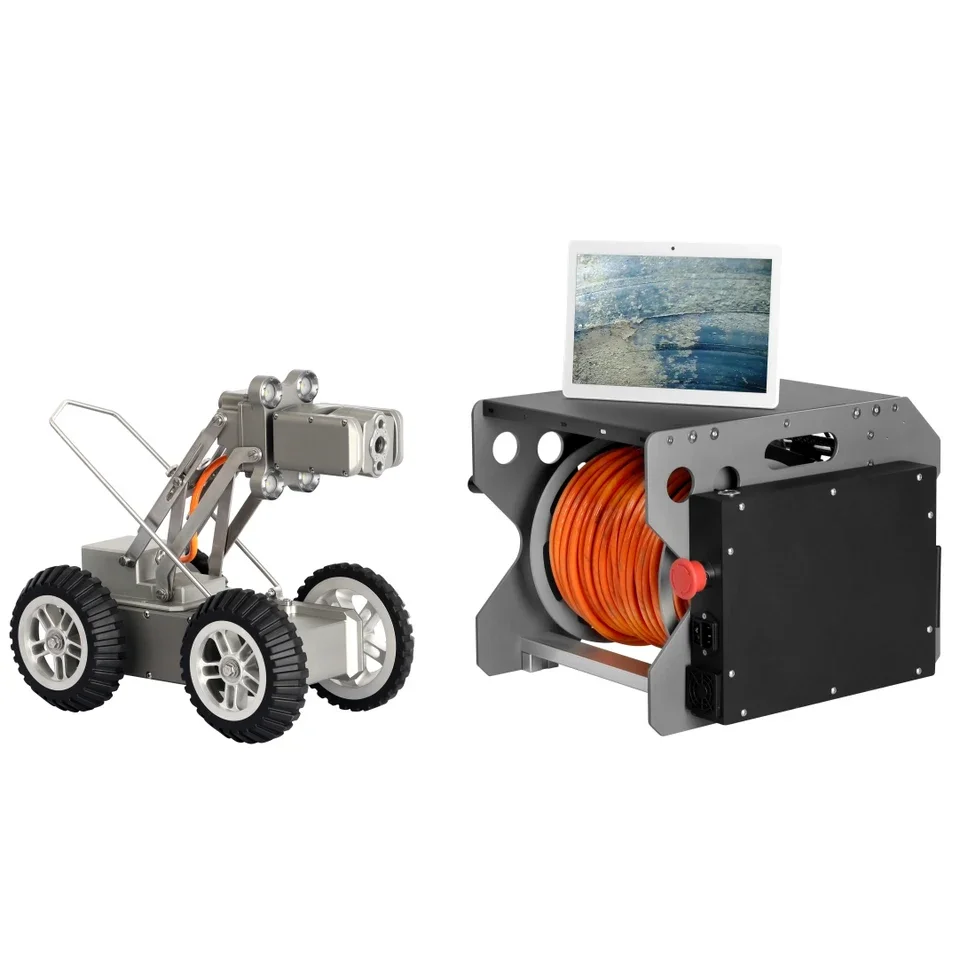
Selecting the optimal pipe crawl system requires careful consideration of multiple technical factors, operational requirements, and specific application environments. Industrial facilities depend on reliable pipeline infrastructure, making the choice of inspection equipment critical for maintaining system integrity and preventing costly downtime. Understanding the key characteristics that define superior pipe crawl performance enables informed decision-making when evaluating available options.
Essential Features of High-Performance Pipe Crawl Systems
Camera Resolution and Image Quality Standards
Professional pipe crawl systems must deliver exceptional visual clarity to identify subtle defects, corrosion patterns, and structural anomalies within pipeline environments. High-definition 1080p resolution represents the minimum acceptable standard for industrial applications, ensuring that inspection teams can capture detailed footage suitable for analysis and documentation purposes. Advanced systems incorporate multiple camera angles and lighting configurations to provide comprehensive visual coverage.
The integration of 360-degree rotation capability in pipe crawl cameras significantly enhances inspection thoroughness by eliminating blind spots and ensuring complete circumferential coverage. This rotational functionality proves particularly valuable when examining pipe joints, welded connections, and areas where debris accumulation might obscure critical defects. Superior image stabilization technology further improves footage quality during extended inspection runs.
Professional-grade pipe crawl systems often feature adjustable LED lighting arrays that adapt to varying pipeline conditions and diameters. The ability to control illumination intensity and distribution ensures optimal visibility regardless of pipe material, internal coating, or ambient lighting conditions. Some advanced models incorporate specialized filters to enhance contrast and reveal surface irregularities that might otherwise remain undetected.
Mobility and Navigation Capabilities
Effective pipe crawl performance depends heavily on the system's ability to navigate complex pipeline configurations, including bends, junctions, and varying diameter sections. Tracked drive systems provide superior traction and stability compared to wheeled alternatives, particularly in wet or debris-laden environments commonly encountered during industrial inspections. The track design must balance mobility with durability to withstand repeated exposure to harsh pipeline conditions.
Cable management represents another critical aspect of pipe crawl functionality, as inspection distances often extend hundreds of feet through confined spaces. Professional systems incorporate advanced cable reels with precise tension control and anti-snag mechanisms that prevent entanglement during complex navigation sequences. The cable itself must provide reliable power transmission and data communication while maintaining flexibility throughout extended deployment cycles.
Modular component design allows pipe crawl systems to adapt to specific pipeline configurations and inspection requirements. Interchangeable camera heads, drive units, and accessory modules enable customization for different pipe diameters, material types, and environmental conditions. This adaptability proves essential for industrial facilities that maintain diverse pipeline infrastructure requiring varied inspection approaches.
Technical Specifications for Industrial Applications
Power Systems and Operating Duration
Industrial pipe crawl operations often require extended inspection periods to thoroughly examine lengthy pipeline sections or multiple interconnected systems. Battery-powered units must provide sufficient operating duration to complete comprehensive inspections without interruption, while maintaining consistent performance throughout the duty cycle. Lithium-ion battery technology offers superior energy density and cycle life compared to traditional alternatives.
Alternatively, tethered power systems eliminate operating time constraints for extensive inspection projects, drawing continuous power through the deployment cable. This configuration proves particularly valuable for municipal pipeline networks, industrial process systems, and other applications requiring prolonged inspection periods. The power management system must provide stable voltage regulation to ensure consistent camera performance and lighting intensity.
Hybrid power configurations combine battery backup with tethered operation, providing flexibility to adapt to varying inspection requirements and pipeline accessibility constraints. This approach enables operation in areas where cable deployment might be challenging while maintaining extended operational capability for comprehensive system evaluation. Advanced power management systems automatically switch between power sources to optimize performance and reliability.
Environmental Resistance and Durability Standards
Industrial pipeline environments present significant challenges for pipe crawl equipment, including exposure to moisture, chemicals, temperature extremes, and physical hazards. Professional systems must incorporate robust sealing mechanisms and corrosion-resistant materials to withstand these harsh operating conditions while maintaining reliable performance over extended service life. Stainless steel construction and specialized coatings provide superior protection against chemical exposure.
Waterproof ratings represent a fundamental requirement for pipe crawl systems, as pipeline environments frequently contain standing water, condensation, or process fluids. IP68 certification ensures complete protection against water ingress under submersion conditions, while specialized sealing systems prevent contamination of critical electronic components. Pressure resistance capabilities must match or exceed expected pipeline operating conditions.
Temperature tolerance specifications must accommodate the full range of conditions encountered in industrial pipeline applications, from refrigerated systems to high-temperature process lines. Thermal management systems protect sensitive electronic components while maintaining operational functionality across specified temperature ranges. Vibration resistance ensures reliable operation in environments subject to mechanical stress from pumps, compressors, and other industrial equipment.
Application-Specific Performance Criteria
Municipal Infrastructure Inspection Requirements
Municipal pipeline networks demand pipe crawl systems capable of handling large-diameter pipes, extended inspection distances, and diverse material compositions. Sewer systems, storm drains, and water distribution networks present unique challenges requiring specialized equipment configurations. The ability to navigate through manholes and access points while maintaining cable management becomes critical for municipal applications.
Documentation requirements for municipal inspections often involve detailed condition assessment reports, GPS coordinate logging, and integration with asset management systems. Advanced pipe crawl platforms incorporate data logging capabilities, measurement tools, and reporting software to streamline the inspection process and ensure compliance with regulatory standards. Real-time video streaming enables remote monitoring and consultation during inspection activities.
Municipal pipe crawl operations frequently encounter obstacles such as debris accumulation, root intrusion, and structural damage that require specialized navigation capabilities. Systems designed for municipal applications often incorporate enhanced traction control, obstacle detection sensors, and emergency retrieval mechanisms to ensure successful completion of inspection projects while protecting valuable equipment from damage or loss.
Industrial Process Pipeline Evaluation
Industrial process pipelines require pipe crawl systems capable of operating in specialized environments containing chemicals, high temperatures, or pressurized conditions. The selection of appropriate materials and protective coatings becomes critical to ensure equipment longevity and prevent contamination of process streams. Chemical compatibility charts and material certifications guide proper equipment selection for specific industrial applications.
Process pipeline inspection often focuses on identifying corrosion patterns, scale buildup, and wear mechanisms that could compromise system integrity or product quality. High-resolution imaging capabilities combined with specialized lighting configurations enable detection of subtle defects that might indicate developing problems. Advanced systems incorporate measurement tools to quantify defect dimensions and assess remaining pipe wall thickness.
Integration with plant maintenance management systems enables pipe crawl inspection data to support predictive maintenance programs and asset lifecycle management strategies. Automated reporting features streamline documentation requirements while ensuring consistent data quality and format. Trending analysis capabilities help identify patterns and prioritize maintenance activities based on actual pipeline condition rather than arbitrary schedules.
Selection Methodology for Optimal Pipe Crawl Systems
Performance Evaluation Framework
Establishing a systematic evaluation framework ensures objective comparison of pipe crawl systems based on quantifiable performance criteria rather than marketing claims or superficial features. Key performance indicators should include image quality metrics, navigation capabilities, operational reliability, and total cost of ownership considerations. Standardized testing protocols enable fair comparison between competing systems under controlled conditions.
Field testing represents an essential component of the evaluation process, allowing potential users to assess pipe crawl performance under actual operating conditions. Demonstration programs should include representative pipeline configurations, environmental conditions, and inspection challenges commonly encountered in the target application. Performance documentation during field testing provides valuable data for final selection decisions.
User interface design and operational complexity significantly impact inspection efficiency and operator training requirements. Intuitive control systems reduce learning curves and minimize operator errors that could compromise inspection quality or equipment safety. Advanced systems incorporate automated features that simplify complex operations while maintaining user control over critical inspection parameters.
Cost-Benefit Analysis Considerations
Total cost of ownership calculations must include initial equipment purchase price, training expenses, maintenance requirements, and consumable items over the expected service life. While premium pipe crawl systems command higher initial investment, superior reliability and enhanced capabilities often result in lower long-term costs through reduced downtime, improved inspection efficiency, and extended equipment life.
Return on investment analysis should consider the value of improved inspection quality, reduced manual entry requirements, and enhanced safety compared to alternative inspection methods. Quantifying the cost savings from early defect detection and preventive maintenance enables justification of advanced pipe crawl system investments. Insurance and liability considerations may also influence the economic evaluation of different system options.
Service and support availability represents a critical factor in long-term system ownership costs, particularly for specialized industrial applications requiring expert technical assistance. Manufacturer service networks, spare parts availability, and technical training programs contribute significantly to overall system value. Local service capabilities often prove more valuable than marginally lower equipment costs from distant suppliers.
FAQ
What pipe diameters can modern pipe crawl systems accommodate?
Most industrial pipe crawl systems accommodate diameters ranging from 4 inches to 48 inches, with specialized models available for larger municipal applications up to 72 inches or more. Modular designs allow the same basic platform to adapt to different pipe sizes through interchangeable components and adjustable track configurations.
How do pipe crawl systems perform in pipes containing standing water or debris?
Professional pipe crawl systems feature waterproof construction rated for submersion operation and incorporate powerful LED lighting to penetrate murky water conditions. Tracked drive systems provide superior traction in debris-laden environments, while obstacle detection capabilities help navigate around obstructions safely.
What training requirements are typical for pipe crawl system operators?
Basic operator training typically requires 1-2 days for fundamental system operation, with advanced training covering specialized applications and maintenance procedures extending to one week. Most manufacturers provide comprehensive training programs including classroom instruction, hands-on practice, and certification testing to ensure competent operation.
How do pipe crawl systems integrate with existing asset management software?
Modern pipe crawl systems often include data export capabilities compatible with common asset management platforms through standardized file formats and API connections. Integration typically involves GPS coordinate logging, inspection report generation, and video file management systems that streamline data transfer and analysis workflows.