 EN
EN


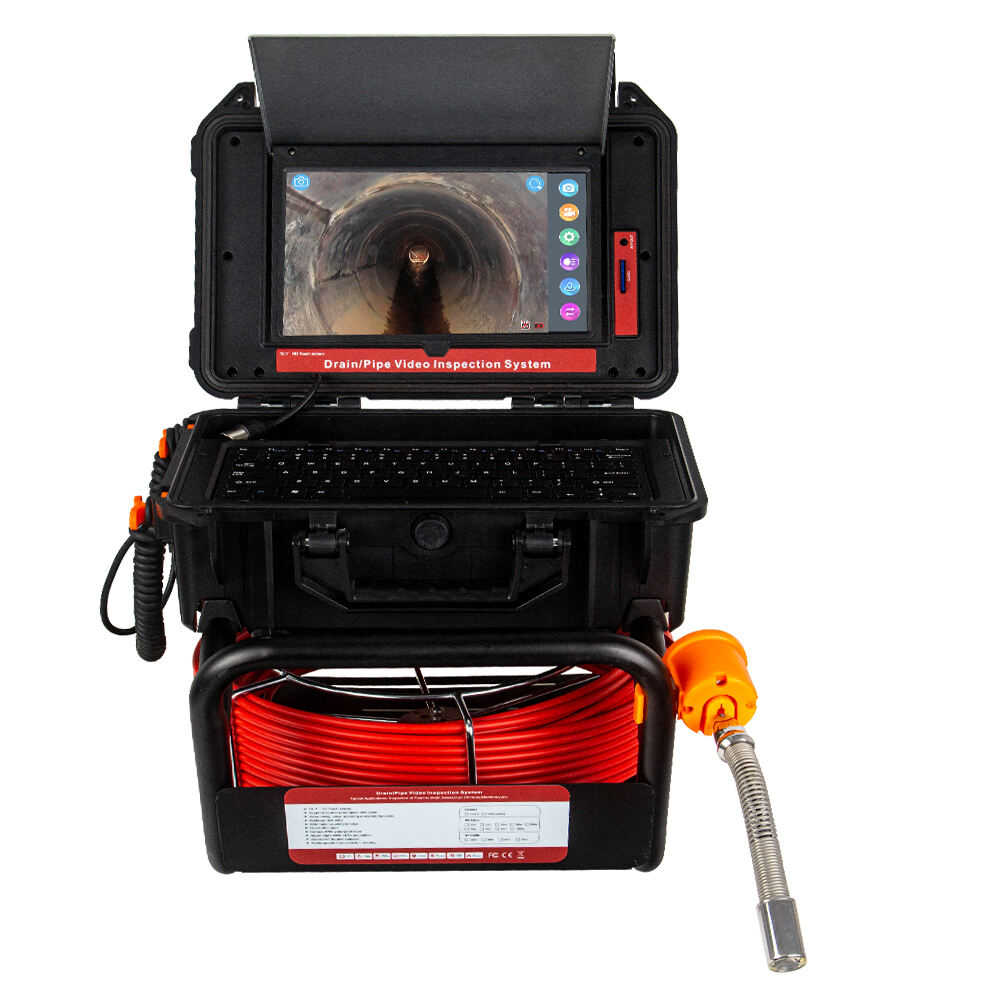
When a blocked drain, mysterious leak, or damaged sewer line demands immediate attention, the question professionals and property owners face is not just how to fix the problem — it is how to diagnose it accurately without tearing up floors, walls, or landscaping. A pipe inspection camera is the most direct answer to that challenge, delivering real-time, high-definition visuals from inside pipelines that would otherwise require costly excavation. But once the decision to use one has been made, another critical question emerges: should you rent a pipe inspection camera for the job at hand, or invest in purchasing one outright?
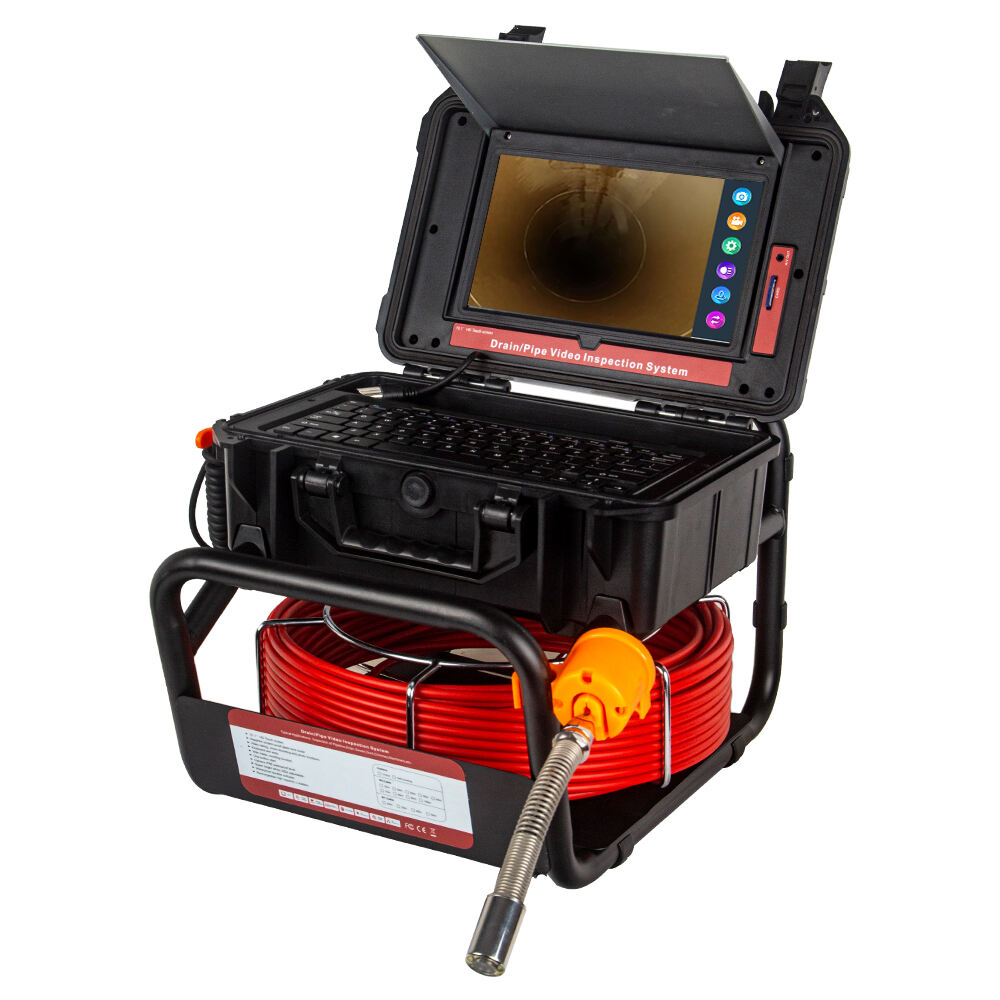
This is a genuinely important financial and operational decision, and the right answer depends on your usage frequency, business model, project scope, and long-term goals. Rental and buying each come with their own set of advantages, limitations, and hidden costs. This article breaks down both options side by side — not as a generic comparison, but as a practical decision guide built specifically around how a pipe inspection camera is actually used in the field, in businesses, and in ongoing maintenance programs.
Understanding the Core Decision: Frequency of Use
When Occasional Use Favors Renting
The most straightforward case for renting a pipe inspection camera is when your need is infrequent and project-specific. A homeowner dealing with a one-time sewer backup, a property manager conducting an annual inspection, or a contractor brought in for a single residential project may not justify the upfront cost of ownership. In these scenarios, renting provides access to professional-grade equipment at a fraction of the purchase price.
Rental agreements typically include equipment that is maintained, calibrated, and tested by the rental company. This means you can walk in, pick up a fully functional pipe inspection camera, complete your job, and return it without worrying about storage, maintenance schedules, or repair costs. For low-frequency users, this model is highly cost-efficient.
However, availability is not always guaranteed. Peak seasons — particularly during spring when drainage issues peak — can lead to rental shortages. Time-sensitive jobs may be delayed if the specific type of pipe inspection camera you need is already checked out. That unpredictability can have real operational consequences on the job site.
When High Frequency Shifts the Math Toward Buying
For plumbing contractors, municipal maintenance crews, pipeline inspection companies, or facility managers overseeing large commercial properties, the calculation changes dramatically. If your team uses a pipe inspection camera multiple times per week — or even daily — the cumulative rental cost will quickly surpass the purchase price of a quality unit.
Consider a realistic scenario: a mid-sized plumbing company that uses a pipe inspection camera three times per week at a rental rate of $80 to $150 per day would spend between $12,000 and $23,000 annually on rental fees alone. A purchased unit of comparable capability might cost between $1,500 and $8,000 depending on specifications. The return on investment timeline in this case is measured in months, not years.
Beyond cost recovery, owning equipment also means your team can develop familiarity and proficiency with the specific device. Technicians who work with the same pipe inspection camera consistently will operate it faster, interpret footage more accurately, and deliver better results to clients. Rental units vary between visits, introducing a subtle but real learning curve each time.
Total Cost of Ownership vs. Rental Costs Over Time
Breaking Down the True Cost of Buying
Purchasing a pipe inspection camera outright involves several cost categories beyond the sticker price. Initial investment includes the camera unit, the push-rod cable, the display monitor or tablet, carrying case, and any accessories such as sonde locators or additional camera heads. High-resolution systems with 1080p HD screens and extended cable lengths can represent a meaningful but justifiable capital investment for professional users.
Ongoing ownership costs include battery replacement or charging system maintenance, cable care and storage, occasional lens cleaning, and in some cases firmware or software updates for units with digital recording capabilities. Repairs due to cable kinks, connector damage, or camera head wear are also part of the long-term ownership picture. These costs are real but manageable when spread over years of regular use.
The key advantage of ownership is that these costs are relatively predictable and controllable. A well-maintained pipe inspection camera used by trained operators can deliver consistent service for five years or more. Over that lifespan, the per-use cost drops dramatically — sometimes to just a few dollars per inspection — making ownership a financially sound strategy for active users.
The Hidden Costs of Renting
Renting a pipe inspection camera appears straightforward on paper, but the true cost often includes more than the daily or half-day rental rate. Fuel or delivery charges may apply if you are using an equipment rental service rather than picking it up yourself. Damage deposits can tie up working capital. If a job takes longer than anticipated, overtime rental fees add up quickly.
There is also the issue of equipment condition. Rental units cycle through many users, and even with regular maintenance, rental cameras may show signs of wear — scratched lenses, stiff cables, or worn connectors — that affect image quality and usability. A pipe inspection camera with degraded optics may produce footage that is technically usable but not sharp enough to make confident diagnostic calls.
Additionally, every rental interaction consumes time — time spent picking up, checking out, returning, and filing paperwork. For a professional operation running multiple jobs per week, this administrative overhead accumulates into a significant operational burden. Owning your own equipment eliminates that friction entirely.
Operational Flexibility and Job Site Readiness
The Readiness Advantage of Ownership
In the plumbing and pipeline inspection industry, responsiveness is a competitive advantage. Clients dealing with sewer backups or water intrusion want immediate answers, not next-day availability pending equipment rental. When you own a pipe inspection camera, your team can respond on-demand, schedule same-day inspections, and offer emergency services without dependency on a third-party rental source.
Ownership also allows for spontaneous, value-added inspections. A plumber visiting a property for a routine repair can offer a complimentary camera inspection as part of the service visit, generating additional revenue and deepening the client relationship. This kind of flexible, opportunity-driven use is simply not practical when equipment availability requires advance booking.
The ability to keep a pipe inspection camera staged and ready in a service vehicle transforms it from a specialized diagnostic tool into a standard part of every job toolkit. That shift in workflow has tangible business value that does not appear in a simple cost comparison but significantly differentiates a service offering in competitive markets.
When Renting Supports Flexibility in Scope and Scale
There are, however, scenarios where renting a pipe inspection camera is the more flexible option — specifically when job requirements fall outside your owned equipment's capabilities. Large-diameter municipal sewer inspections require cameras designed for wide-bore pipes, while a standard residential unit cannot handle those specifications. Renting allows you to access specialized equipment on an as-needed basis without the financial commitment of owning multiple units.
Similarly, if your business is growing and you are not yet certain whether camera inspections will become a core service offering, renting allows you to test market demand before committing capital. It is a legitimate way to validate a business hypothesis — whether clients in your area will pay for standalone camera inspection services — before making an irreversible investment decision.
For specialty contractors who occasionally encounter projects requiring a pipe inspection camera but whose primary business does not center on pipeline diagnostics, renting on-demand is a sensible and lean approach. It keeps overhead low while maintaining the ability to deliver services when required.
Equipment Quality and Technological Relevance
Staying Current with Purchased Equipment
One concern buyers sometimes raise about purchasing a pipe inspection camera is technology obsolescence. Camera technology, display resolution, and recording capabilities have evolved significantly in recent years, and there is a reasonable concern about investing in equipment that could be outdated within a few years. This is a valid consideration, but it is often overstated.
Modern pipe inspection cameras, particularly professional-grade systems with 1080p HD screens and robust push-rod designs, represent mature, stable technology. The fundamental mechanics of inserting a camera into a pipe, transmitting footage to a display, and recording the results have not changed conceptually — only the image quality and software features have improved. Buying a current-generation unit means you are purchasing technology that will remain functionally relevant for many years.
The pipe inspection camera category has reached a level of maturity where units designed for both residential and municipal applications offer exceptional image clarity, durable cable construction, and reliable recording features that satisfy the demands of most professional inspection scenarios without requiring frequent hardware upgrades.
Equipment Condition and Performance Consistency
When you own a pipe inspection camera, you control its maintenance history from day one. You know when the cable was last inspected, when the lens was cleaned, and whether the connectors are in optimal condition. This knowledge gives you confidence in the reliability of your equipment before every job, which is especially important when delivering inspection results to clients who depend on that footage for repair decisions.
Rental units, by contrast, arrive with an unknown maintenance history. Even if a rental company maintains their fleet diligently, you cannot verify whether the last renter used the unit carefully or stressed the cable through a particularly abrasive pipe run. The performance consistency that comes from owning and maintaining your own pipe inspection camera is a meaningful quality control advantage for professional operators.
For businesses that provide inspection reports to clients — including timestamped footage, written findings, and repair recommendations — the quality and consistency of that footage directly reflects on your professional credibility. Owning equipment that you know and trust is part of delivering a reliable, repeatable service experience.
Which Scenario Is Right for You: A Practical Decision Framework
Signals That Renting Is the Right Choice
Renting a pipe inspection camera makes the most sense when you are dealing with a one-time or infrequent need, when the specific job requires equipment outside your current specifications, or when you are in an early stage of building a service offering and want to test demand before investing in ownership. It also makes sense for homeowners or property managers who need a single inspection and have no ongoing use case for owning professional diagnostic equipment.
If your projected usage is fewer than two jobs per month, and if rental access in your area is reliable and competitively priced, renting a pipe inspection camera is a cost-effective, low-risk approach. The flexibility to access different equipment types without capital commitment is a genuine advantage in this usage profile.
Signals That Buying Is the Right Choice
Buying a pipe inspection camera is clearly the better choice when you use one regularly as part of your core service offering. If camera inspections are a revenue-generating service you provide to clients — whether as a standalone service or as part of drain cleaning, plumbing repair, or property inspection packages — owning your equipment is both financially and operationally superior to long-term renting.
The combination of faster job readiness, lower per-use cost at volume, consistent equipment performance, and the ability to build technician proficiency makes ownership the dominant strategy for professional users. When you factor in the service differentiation that comes from being able to offer immediate, on-demand camera inspections without scheduling constraints, the business case for owning a pipe inspection camera becomes even more compelling.
Ultimately, the question is not just which option is cheaper in isolation — it is which option best supports your business model, your client commitments, and your operational efficiency goals. For most active professionals in the plumbing, drainage, or property inspection industry, buying wins on all three dimensions once usage crosses a relatively modest threshold.
FAQ
How often do I need to use a pipe inspection camera before buying makes more financial sense than renting?
The break-even point depends on your local rental rates and the purchase price of the unit you would buy, but as a general rule, if you are using a pipe inspection camera more than two to three times per month consistently, ownership typically becomes the more cost-effective option within the first year. At higher usage frequencies — such as daily or several times per week — the payback period can be just a few months.
Can I use a purchased pipe inspection camera for both residential and municipal applications?
Many professional-grade pipe inspection camera systems are designed to handle a wide range of pipe diameters and conditions, making them suitable for both residential drains and larger municipal pipelines. However, very large-diameter municipal applications may require specialized tractor-mounted or high-powered systems. If your work spans both standard residential and heavy municipal inspection, it is worth evaluating whether a single unit covers your full range or whether rental makes sense for the occasional large-diameter job.
What maintenance does a pipe inspection camera require after purchase?
Routine maintenance for a pipe inspection camera typically includes regular cable inspection for kinks or damage, lens cleaning after each use to prevent residue buildup, connector care to ensure signal integrity, and battery management to maximize lifespan. Most professional units are designed for durable field use, and with proper care, a quality camera system can remain in reliable service for several years. Keeping the push-rod reel clean and properly stored is particularly important for maintaining cable flexibility and longevity.
Is it worth buying a pipe inspection camera for personal home use?
For most homeowners, renting a pipe inspection camera for occasional use is more practical than purchasing. Unless you own multiple rental properties, manage a large residential estate, or deal with recurring drainage issues that require frequent monitoring, the purchase cost is difficult to justify for purely personal use. Renting from a local tool hire company or hiring a plumber who owns their own equipment is typically the most cost-efficient path for one-time or rare residential inspection needs.
Table of Contents
- Understanding the Core Decision: Frequency of Use
- Total Cost of Ownership vs. Rental Costs Over Time
- Operational Flexibility and Job Site Readiness
- Equipment Quality and Technological Relevance
- Which Scenario Is Right for You: A Practical Decision Framework
-
FAQ
- How often do I need to use a pipe inspection camera before buying makes more financial sense than renting?
- Can I use a purchased pipe inspection camera for both residential and municipal applications?
- What maintenance does a pipe inspection camera require after purchase?
- Is it worth buying a pipe inspection camera for personal home use?