 EN
EN


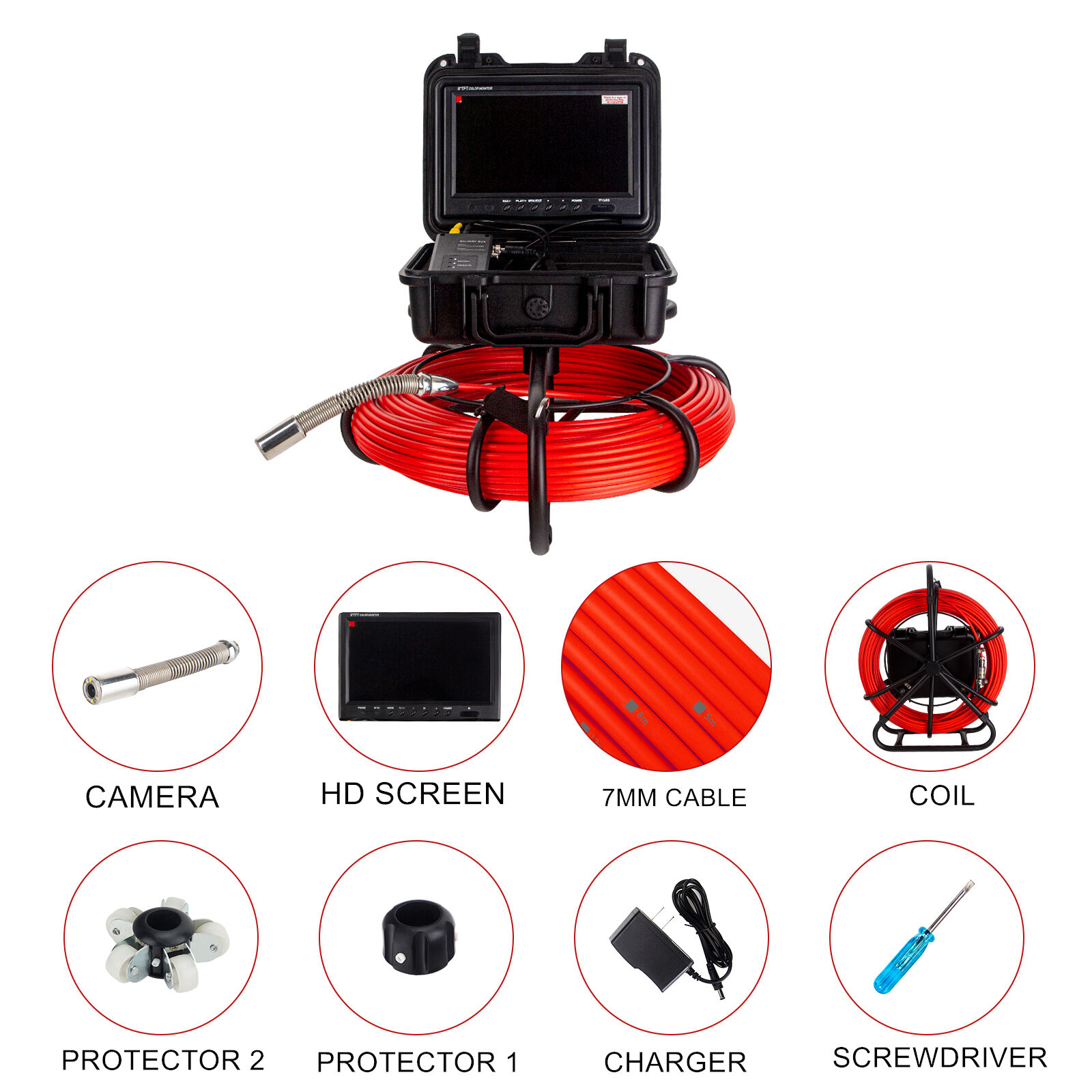
When faced with pipeline inspection needs, contractors and facility managers often wrestle with a critical decision: should they rent or purchase a sewer camera system? This choice impacts both immediate project costs and long-term operational efficiency. Understanding the financial implications, usage patterns, and strategic considerations helps professionals make informed decisions that align with their business objectives and inspection requirements.
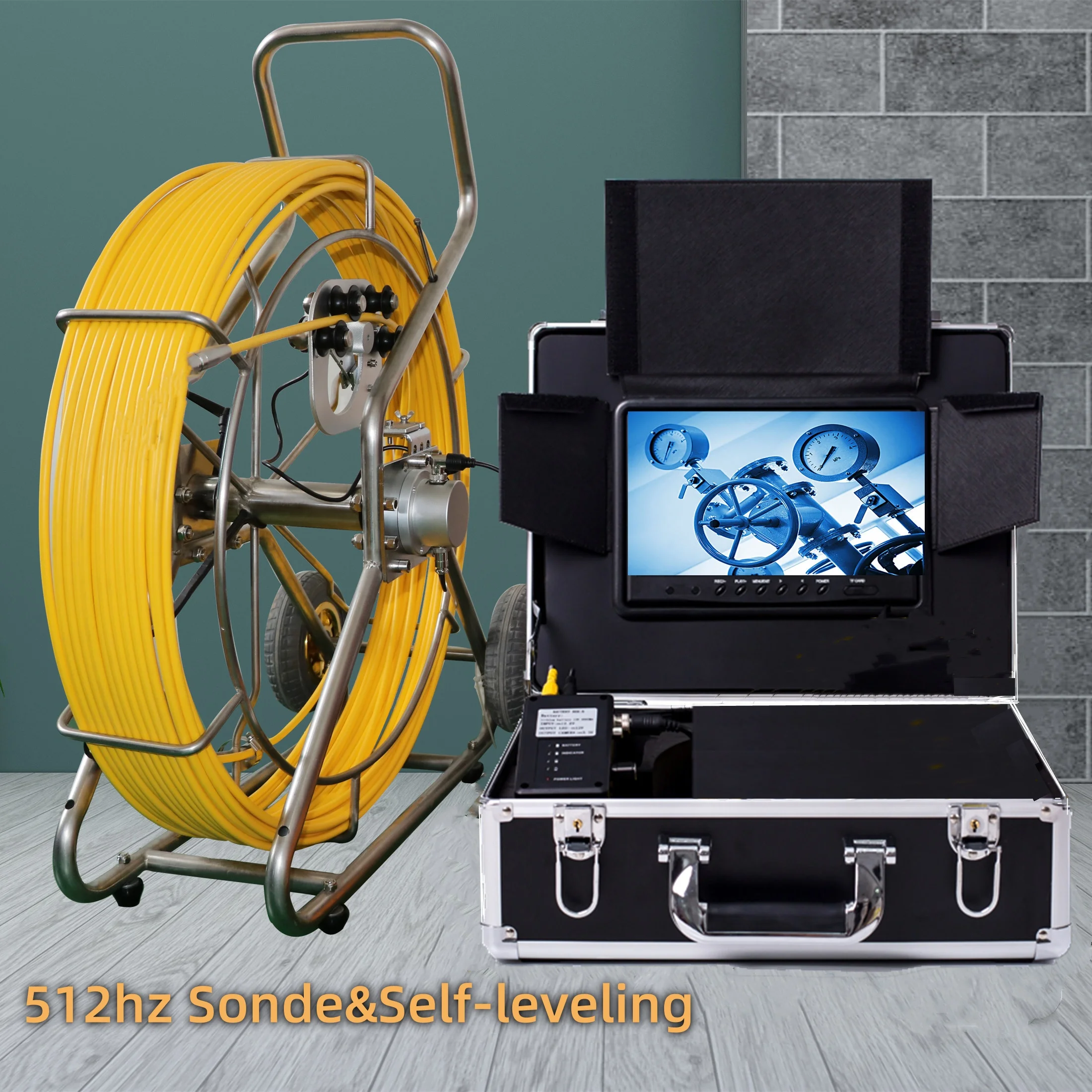
The pipeline inspection industry has evolved significantly with advanced diagnostic technology becoming more accessible and affordable. Modern inspection systems offer sophisticated features including high-definition imaging, real-time video recording, and precise location tracking capabilities. These technological advances have transformed how professionals approach pipeline diagnostics, making accurate assessments more achievable than ever before.
Financial Analysis of Rental Versus Purchase Options
Initial Investment Requirements
Purchasing inspection equipment requires substantial upfront capital investment, typically ranging from several thousand to tens of thousands of dollars depending on system specifications and capabilities. This initial expenditure can strain cash flow, particularly for smaller contractors or businesses just entering the pipeline inspection market. The financial commitment extends beyond the base equipment cost to include accessories, training, and initial setup expenses.
Rental options eliminate the need for large capital investments, allowing businesses to access professional-grade equipment with minimal upfront costs. Daily, weekly, or monthly rental rates provide flexibility for project-based work without tying up significant financial resources. This approach enables companies to allocate capital toward other business priorities while still maintaining access to quality inspection technology.
Long-term Cost Considerations
Over extended periods, purchasing equipment often proves more economical for businesses with consistent inspection needs. The break-even point typically occurs after several months of regular use, depending on rental rates and purchase price. Ownership eliminates recurring rental fees and provides unlimited access to equipment, potentially reducing per-inspection costs significantly over time.
However, ownership also introduces ongoing expenses including maintenance, repairs, calibration, and potential upgrades. These costs can accumulate substantially over the equipment's operational lifetime, potentially offsetting some financial advantages of ownership. Rental agreements typically include maintenance and technical support, transferring these responsibilities and costs to the rental provider.
Operational Flexibility and Project Requirements
Equipment Availability and Scheduling
Owning inspection equipment provides complete control over scheduling and availability, eliminating potential delays caused by rental availability constraints. This autonomy proves particularly valuable for emergency response situations or projects with tight timelines where equipment access cannot be compromised. Immediate availability supports responsive service delivery and client satisfaction.
Rental arrangements may introduce scheduling challenges, particularly during peak demand periods when quality sewer camera systems become scarce. Advanced planning and established relationships with rental providers help mitigate these risks, but cannot completely eliminate potential availability issues. Some rental companies offer priority booking systems for regular customers, providing enhanced scheduling reliability.
Technology Updates and Equipment Evolution
The rapid pace of technological advancement in inspection equipment creates ongoing challenges for equipment owners. Purchased systems may become outdated relatively quickly, potentially requiring expensive upgrades or replacements to maintain competitive capabilities. Technology obsolescence represents a significant hidden cost of ownership that businesses must consider in their decision-making process.
Rental providers typically maintain current equipment inventories, offering access to the latest technology without requiring individual upgrade investments. This arrangement ensures consistent access to state-of-the-art inspection capabilities while transferring technology refresh costs to the rental company. Regular access to updated equipment can enhance service quality and competitive positioning.
Maintenance and Technical Support Considerations
Equipment Upkeep Responsibilities
Equipment ownership transfers all maintenance responsibilities to the purchaser, including routine servicing, component replacements, and major repairs. These tasks require technical expertise, specialized tools, and replacement parts inventory management. Inadequate maintenance can result in equipment failures, costly repairs, and project delays that impact business operations and client relationships.
Professional maintenance services are available for purchased equipment, but these services represent additional ongoing costs that must be factored into ownership calculations. Establishing relationships with qualified service providers and maintaining appropriate maintenance schedules requires time and management attention that could be directed toward other business activities.
Technical Support and Training
Comprehensive technical support becomes crucial when operating sophisticated inspection equipment, particularly for businesses new to pipeline diagnostics. Equipment manufacturers typically provide initial training and documentation, but ongoing support may incur additional costs or have limited availability. Developing internal technical expertise requires time investment and may involve multiple team members.
Rental providers often include technical support and operator training as part of their service packages, reducing the learning curve and technical burden on client organizations. This support can prove invaluable for occasional users or businesses exploring pipeline inspection services without committing to extensive internal training programs.
Strategic Business Implications
Market Entry and Service Expansion
For businesses considering entry into pipeline inspection services, rental options provide a low-risk method to test market demand and develop operational expertise. This approach allows companies to evaluate client response, refine service offerings, and build technical competency before making substantial equipment investments. Market testing through rental arrangements can inform future purchasing decisions and business strategy development.
Established businesses expanding their service portfolios can use rental equipment to assess demand for specialized inspection capabilities without committing to purchase advanced or niche equipment. This strategy enables service diversification while maintaining financial flexibility and minimizing risk exposure in new market segments.
Competitive Positioning and Service Quality
Access to current technology through either ownership or rental arrangements directly impacts service quality and competitive positioning. Clients increasingly expect high-definition imaging, detailed reporting capabilities, and rapid turnaround times that require modern inspection equipment. The choice between rental and purchase should align with quality expectations and competitive requirements in target markets.
Consistent equipment availability through ownership can support premium service positioning and higher pricing structures, particularly for businesses offering guaranteed response times or emergency services. This reliability factor may justify ownership costs for businesses targeting premium market segments or specialized applications requiring immediate equipment access.
Usage Patterns and Decision Frameworks
Frequency and Volume Analysis
Businesses should analyze their inspection frequency and volume patterns to determine the most cost-effective equipment access strategy. Regular, high-volume inspection work typically favors ownership, while occasional or seasonal inspection needs may be better served through rental arrangements. Detailed usage projections help establish break-even points and inform decision-making processes.
Project-based businesses with irregular inspection requirements often find rental arrangements more economical and operationally efficient. This approach eliminates equipment idle time costs and reduces capital requirements while maintaining access to appropriate technology when needed. Careful project planning and rental scheduling become critical success factors for this approach.
Risk Assessment and Mitigation
Equipment ownership introduces various risks including theft, damage, obsolescence, and maintenance costs that must be evaluated and managed appropriately. Insurance requirements, storage facilities, and security measures represent additional considerations and costs associated with equipment ownership. Risk tolerance and mitigation capabilities should influence the rental versus purchase decision.
Rental arrangements transfer many equipment-related risks to the rental provider, potentially simplifying risk management for client businesses. However, rental dependency introduces different risks related to availability, scheduling, and service provider reliability that require careful evaluation and contingency planning.
FAQ
How do I determine whether rental or purchase makes financial sense for my business
Calculate your projected annual inspection volume and multiply by current rental rates to establish total rental costs. Compare this figure to the purchase price plus annual maintenance, insurance, and storage costs. Generally, if you plan to use inspection equipment more than 60-80 days per year, purchasing often becomes more economical than renting.
What factors should I consider when evaluating equipment specifications for purchase
Focus on cable length requirements, image resolution capabilities, recording features, and compatibility with your typical inspection applications. Consider future needs and technology upgrade paths, as purchasing decisions typically involve multi-year commitments. Evaluate warranty terms, service availability, and training requirements to ensure long-term operational success.
Can rental arrangements provide access to the same quality equipment as purchasing
Yes, reputable rental providers typically maintain current, professional-grade equipment comparable to purchase options. Many rental companies invest in high-quality systems to maintain competitive advantages and client satisfaction. However, equipment age and maintenance history may vary, so evaluate specific rental units and provider quality standards before making commitments.
What are the key operational differences between renting and owning inspection equipment
Ownership provides complete scheduling control and immediate availability but requires maintenance management, storage, and technical expertise. Rental offers flexibility and reduced responsibilities but may involve scheduling constraints and transportation logistics. Consider your operational priorities, technical capabilities, and scheduling requirements when evaluating these operational differences.
Table of Contents
- Financial Analysis of Rental Versus Purchase Options
- Operational Flexibility and Project Requirements
- Maintenance and Technical Support Considerations
- Strategic Business Implications
- Usage Patterns and Decision Frameworks
-
FAQ
- How do I determine whether rental or purchase makes financial sense for my business
- What factors should I consider when evaluating equipment specifications for purchase
- Can rental arrangements provide access to the same quality equipment as purchasing
- What are the key operational differences between renting and owning inspection equipment