 EN
EN


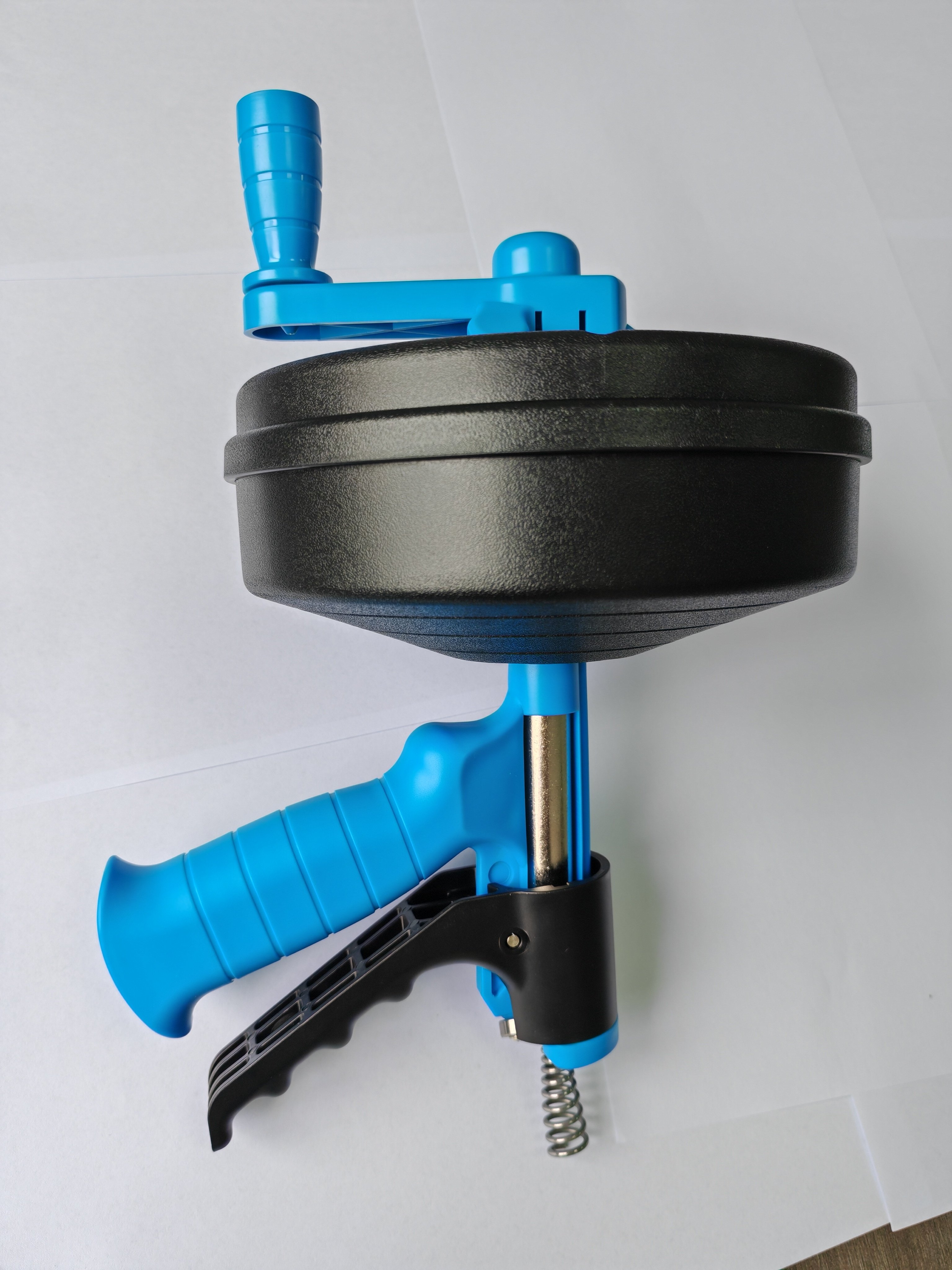
Knowing when to reach for a plumbing snake instead of a plunger or chemical cleaner can save you hours of frustration and prevent costly pipe damage. A plumbing snake is a flexible, coiled cable tool designed to break through or retrieve blockages deep inside drain lines. While it may look simple, using a plumbing snake at the right moment — and in the right way — is what separates a quick fix from a recurring problem. This guide covers the exact conditions that call for a plumbing snake, how to deploy it correctly, and what professional plumbers consider before picking one up.
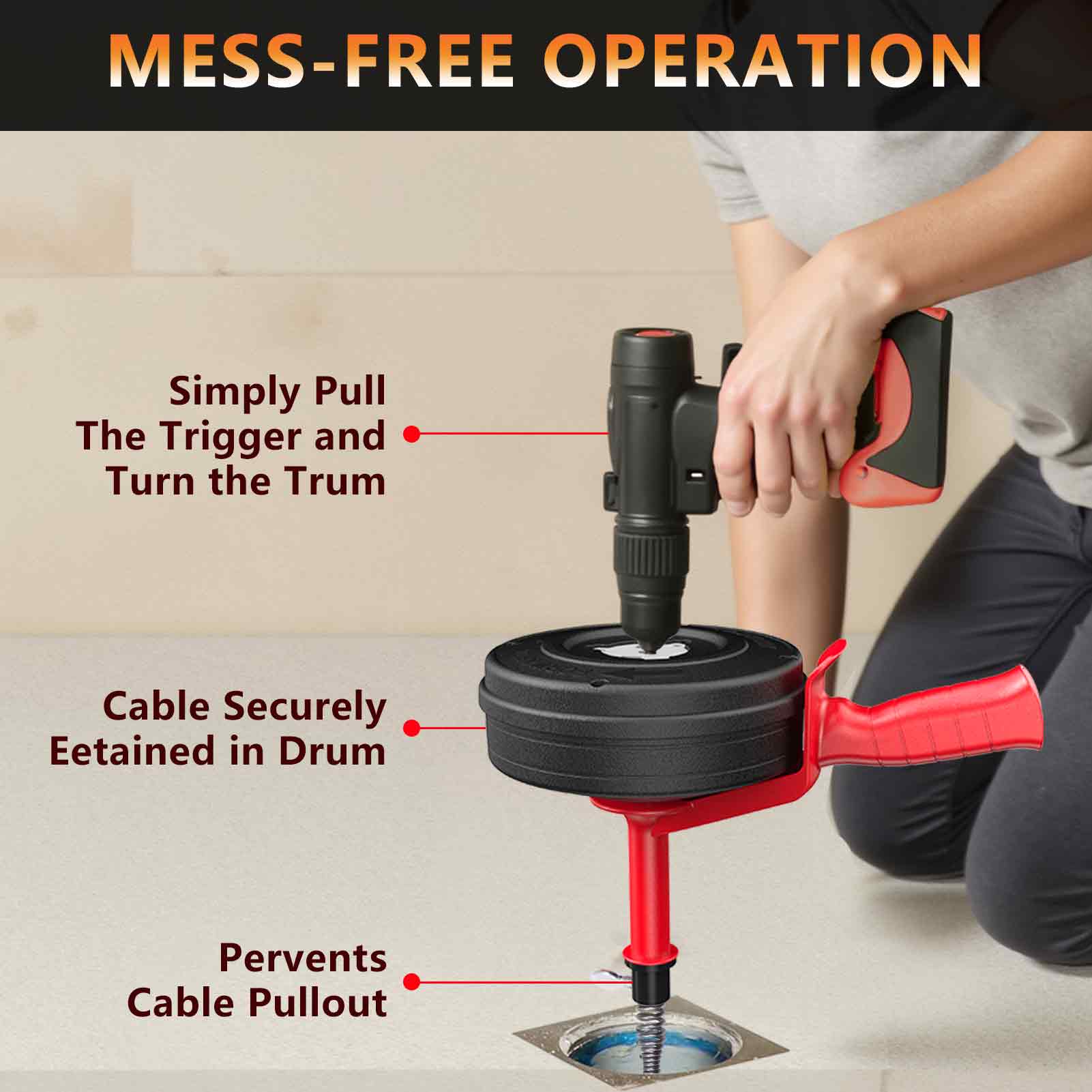
A plumbing snake is not a universal first response to every slow drain. Understanding the trigger conditions that make a plumbing snake the right tool helps you avoid overusing it on minor clogs or underusing it when the situation genuinely demands one. Whether you are managing a residential kitchen sink, a commercial bathroom, or an industrial floor drain, the core decision logic around a plumbing snake remains consistent: match the tool to the type, depth, and nature of the blockage.
Situations That Call for a Plumbing Snake
When Plunging Has Already Failed
The most common signal that a plumbing snake is needed is when a standard plunger has been applied multiple times without clearing the drain. A plunger works through suction and pressure, which is effective for soft, surface-level clogs sitting close to the drain opening. Once the blockage is deeper in the pipe — typically beyond 12 inches from the drain — a plumbing snake becomes necessary. The coiled cable of a plumbing snake can navigate bends in the pipe and physically engage the clog rather than simply pushing air against it.
If water backs up in multiple fixtures at the same time, such as a toilet gurgling when a sink drains, the blockage may be located in the main drain line. In these cases, a heavy-duty plumbing snake designed for larger-diameter pipes is the appropriate tool. Using a small hand-operated plumbing snake on a main line clog will rarely be effective; a motorized plumbing snake with a longer cable and appropriate cutter head is required.
When Chemical Drain Cleaners Have Not Worked
Chemical drain cleaners dissolve soft organic matter like hair and grease, but they are ineffective against solid obstructions such as small objects, accumulated mineral scale, or compacted debris. If a drain remains slow or completely blocked after a chemical treatment, a plumbing snake is the logical next step. Continuing to pour chemicals into a blocked drain can corrode pipe walls over time, making the use of a plumbing snake not just practical but also the safer choice for pipe integrity. Professionals consistently recommend transitioning to a plumbing snake after one failed chemical attempt rather than repeating the chemical application.
Choosing the Right Plumbing Snake for the Job
Matching Snake Type to Pipe Diameter and Blockage Depth
Not every plumbing snake is suited to every job. A drum auger or hand-held plumbing snake with a cable length of 15 to 25 feet is appropriate for standard household drains such as bathroom sinks, tubs, and shower drains. For kitchen sink lines, where grease buildup tends to be denser, a plumbing snake with a 3/8-inch cable diameter provides enough torque to cut through compacted material. Toilet augers are a specialized type of plumbing snake with a protective rubber sleeve designed to avoid scratching porcelain, and they should be used exclusively in toilet applications rather than a standard plumbing snake.
For sewer lines and main drain pipes ranging from 2 to 4 inches in diameter, a motorized plumbing snake — sometimes called a drain cleaning machine or sewer snake — is the professional standard. These machines feed cable automatically and use interchangeable cutter heads to handle different blockage types. A high-performance plumbing snake with auto-feed capability and an air-activated foot switch allows the operator to maintain full control over cable advancement while keeping both hands free to guide the cable safely.
Reading the Blockage Before Deploying the Snake
Before inserting a plumbing snake, experienced plumbers assess the blockage type. A slow-draining sink with gradual buildup over weeks suggests a soft organic clog that a plumbing snake can break apart quickly. A suddenly blocked drain with no prior warning may indicate a solid object lodged in the line, requiring the plumbing snake to hook and retrieve rather than simply drill through. Knowing whether to rotate the plumbing snake forward aggressively or to use a retrieval motion affects both the outcome and the risk of cable tangling or pipe damage.
Pro Techniques for Safe and Effective Plumbing Snake Use
Controlling Feed Rate and Rotation Speed
One of the most common mistakes when using a plumbing snake is advancing the cable too quickly. Feeding a plumbing snake cable faster than the pipe can guide it causes the cable to kink, loop back on itself, or create secondary blockages. Professionals feed a plumbing snake steadily while maintaining consistent rotational speed, allowing the cutter head to work progressively through the obstruction. When resistance is felt, the operator slows the feed rate of the plumbing snake and increases rotation slightly to let the head engage the clog rather than forcing past it.
After the plumbing snake has cleared the obstruction, the cable should be retracted slowly and steadily, never yanked out. Pulling the plumbing snake cable too quickly can dislodge debris into the pipe wall or scatter material that then re-clogs the drain. Flushing hot water through the drain immediately after retracting the plumbing snake helps clear residual debris and confirms the line is fully open.
Safety and Maintenance Practices
A plumbing snake cable accumulates contaminants during use, including grease, waste material, and scale. After every job, the cable of the plumbing snake should be wiped clean and lightly oiled before being re-coiled into the drum. Corrosion on a plumbing snake cable reduces its flexibility and makes it prone to snapping inside a pipe, which creates a far more complex removal problem. Inspecting the cutter heads of a plumbing snake after each use and replacing worn or damaged heads ensures consistent cutting performance on the next job.
FAQ
How do I know when to use a plumbing snake versus a hydro-jet?
A plumbing snake is the better choice for solid, localized blockages and is safer for older or fragile pipes. A hydro-jet uses high-pressure water and is more effective for widespread grease buildup along longer pipe sections. For most residential clogs, a plumbing snake is sufficient and less likely to cause pipe stress.
Can a plumbing snake damage my pipes?
A plumbing snake used correctly poses minimal risk to pipes. However, forcing a plumbing snake cable too aggressively or using an oversized cable in a narrow pipe can scratch pipe interiors or cause joints to loosen. Always match the plumbing snake cable diameter and cutter head type to the specific pipe size being serviced.
How often should a plumbing snake be used for maintenance?
A plumbing snake is generally a reactive tool rather than a scheduled maintenance tool. In high-use commercial or industrial settings, running a plumbing snake through main drain lines every six to twelve months can prevent major blockages from developing. For residential drains, a plumbing snake is best deployed when early signs of slow drainage appear rather than on a fixed schedule.