 EN
EN


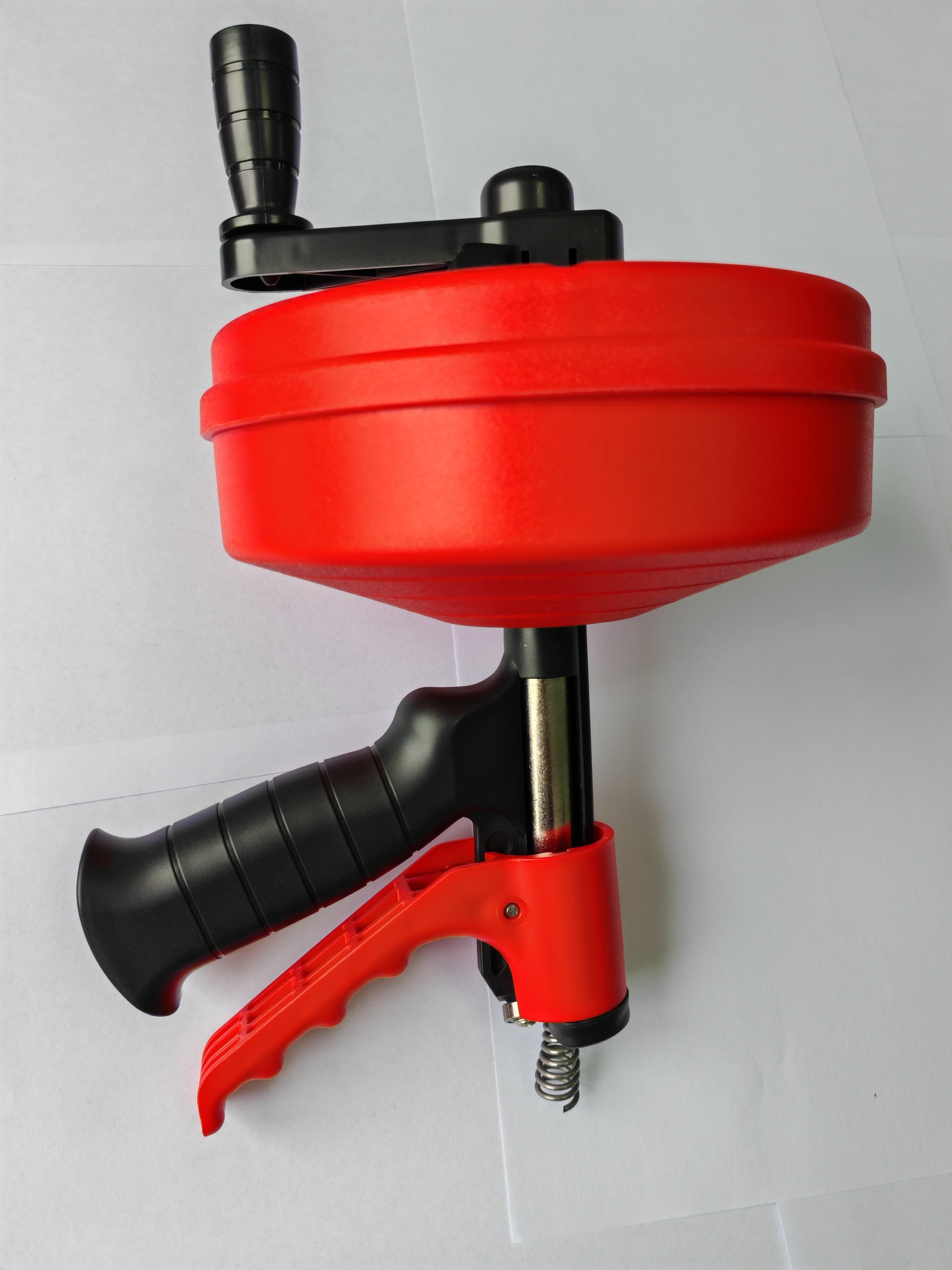
A plumbing snake is one of the most hardworking tools in any drain-clearing arsenal, but like all professional equipment, it demands regular care to perform reliably. Whether you use a plumbing snake on residential jobs or tackle heavy commercial blockages, neglecting maintenance leads to premature cable wear, mechanical failures, and safety risks on the job site. Understanding how to care for your plumbing snake properly is not just good practice — it directly affects your productivity and bottom line.

Professional plumbers who invest in a quality plumbing snake understand that routine maintenance extends equipment lifespan significantly. A well-maintained plumbing snake delivers consistent torque, resists corrosion, and operates safely across hundreds of jobs. This guide covers the essential maintenance habits every serious plumber should follow to get maximum value from their plumbing snake investment.
Cleaning Your Plumbing Snake After Every Use
Why Post-Job Cleaning Is Non-Negotiable
After each use, a plumbing snake cable carries residue from drains — grease, hair, soap scum, and organic matter. If left on the cable, these materials accelerate corrosion and degrade the steel core over time. Every plumbing snake should be thoroughly cleaned before storage, no exceptions. Wipe the entire cable length with a dry cloth as you retract it, removing visible debris with each pass.
Once the cable is fully retracted, use a mild degreaser or cable-safe cleaning solution to wipe down the plumbing snake cable from end to end. Pay special attention to the cutter head and any joints where debris tends to pack tightly. A plumbing snake with a clean cable resists rust formation far more effectively than one stored with biological residue still clinging to the steel.
Flushing the Drum and Housing
The drum of a plumbing snake is often overlooked during cleaning, but wastewater frequently splashes into the drum cavity during operation. Flush the drum interior with clean water and allow it to drain fully before storing the plumbing snake. If your plumbing snake uses a foot-switch or auto-feed mechanism, wipe down those components carefully with a damp cloth to prevent buildup that could jam the feed system over time.
Inspecting and Maintaining the Cable
Regular Cable Inspections Prevent Failures
The cable is the heart of every plumbing snake. Regularly inspecting the cable for kinks, frays, and weak spots is critical for both performance and operator safety. Run the plumbing snake cable through your gloved hand slowly after cleaning, feeling for any irregularities along its length. A kinked plumbing snake cable transmits torque unevenly, increasing the risk of snapping inside a drain pipe during a job.
If you discover a damaged section on your plumbing snake cable, replace the cable before the next job. Attempting to use a compromised plumbing snake cable risks serious injury and potential damage to the drain system. Replacement cables are widely available and are far less expensive than emergency repairs or liability from a cable failure mid-job.
Lubricating the Plumbing Snake Cable
Lubrication is a fundamental step in plumbing snake maintenance that many technicians skip. After cleaning and inspecting the cable, apply a light coat of cable lubricant or machine oil along the entire length of the plumbing snake cable. This protects the steel from moisture-driven oxidation and ensures the cable feeds and retracts smoothly within the drum. A properly lubricated plumbing snake operates with less resistance, reducing motor strain on powered units and fatigue on manual models.
For plumbing snake models with an auto-feed mechanism, also lubricate the feed rollers and any exposed drive components according to the manufacturer guidelines. Well-lubricated feed components on a plumbing snake extend the life of both the motor and the cable, keeping the entire unit functioning at full capacity for much longer.
Storage and Long-Term Plumbing Snake Care
Proper Storage Conditions Matter
Storing a plumbing snake correctly is just as important as cleaning it. A plumbing snake stored in a damp environment will rust quickly, even if the cable was oiled before storage. Always store your plumbing snake in a dry, temperature-stable area. Avoid leaving a plumbing snake in the back of a truck for extended periods where temperature swings and humidity can degrade cable integrity and mechanical components.
When coiling the plumbing snake cable back into the drum, do so evenly and without forcing sharp bends. Uneven coiling creates stress points in the cable that weaken the steel over repeated use cycles. A plumbing snake stored with a properly coiled cable retains its flexibility and torque transfer capability far longer than one carelessly rewound after each job.
Scheduled Servicing for Powered Plumbing Snake Units
Powered plumbing snake machines require periodic mechanical servicing beyond daily cleaning. Check the motor housing, foot switch, and all electrical connections of your plumbing snake regularly for signs of wear or damage. Inspect the cutter blades on your plumbing snake and replace any that show dulling or chipping. Sharp cutters on a plumbing snake clear blockages faster and reduce stress on the motor by cutting more efficiently with less resistance.
Establish a scheduled service interval for your plumbing snake based on usage frequency. A plumbing snake used daily on commercial jobs needs more frequent servicing than one used occasionally. Keeping a maintenance log for each plumbing snake unit in your fleet helps identify recurring issues and ensures no service intervals are missed.
FAQ
How often should I clean my plumbing snake?
You should clean your plumbing snake after every single use. Allowing organic residue and moisture to remain on the plumbing snake cable between jobs accelerates corrosion and shortens cable life significantly. A quick post-job wipe-down and a full cleaning before storage is the minimum standard for professional plumbing snake care.
What type of lubricant works best on a plumbing snake cable?
A light machine oil or a dedicated cable lubricant works well on a plumbing snake cable. Avoid using heavy greases that attract dirt and debris, as these can clog the drum mechanism of your plumbing snake. Apply lubricant evenly along the full cable length after each cleaning session to maintain smooth operation and corrosion protection.
When should I replace the cable on my plumbing snake?
Replace the cable on your plumbing snake as soon as you detect kinks, fraying, or any visible damage during inspection. Do not continue using a plumbing snake with a compromised cable, as it can snap under torque and cause injury. Proactive cable replacement on a plumbing snake is far safer and more cost-effective than waiting for a failure during an active job.