 EN
EN


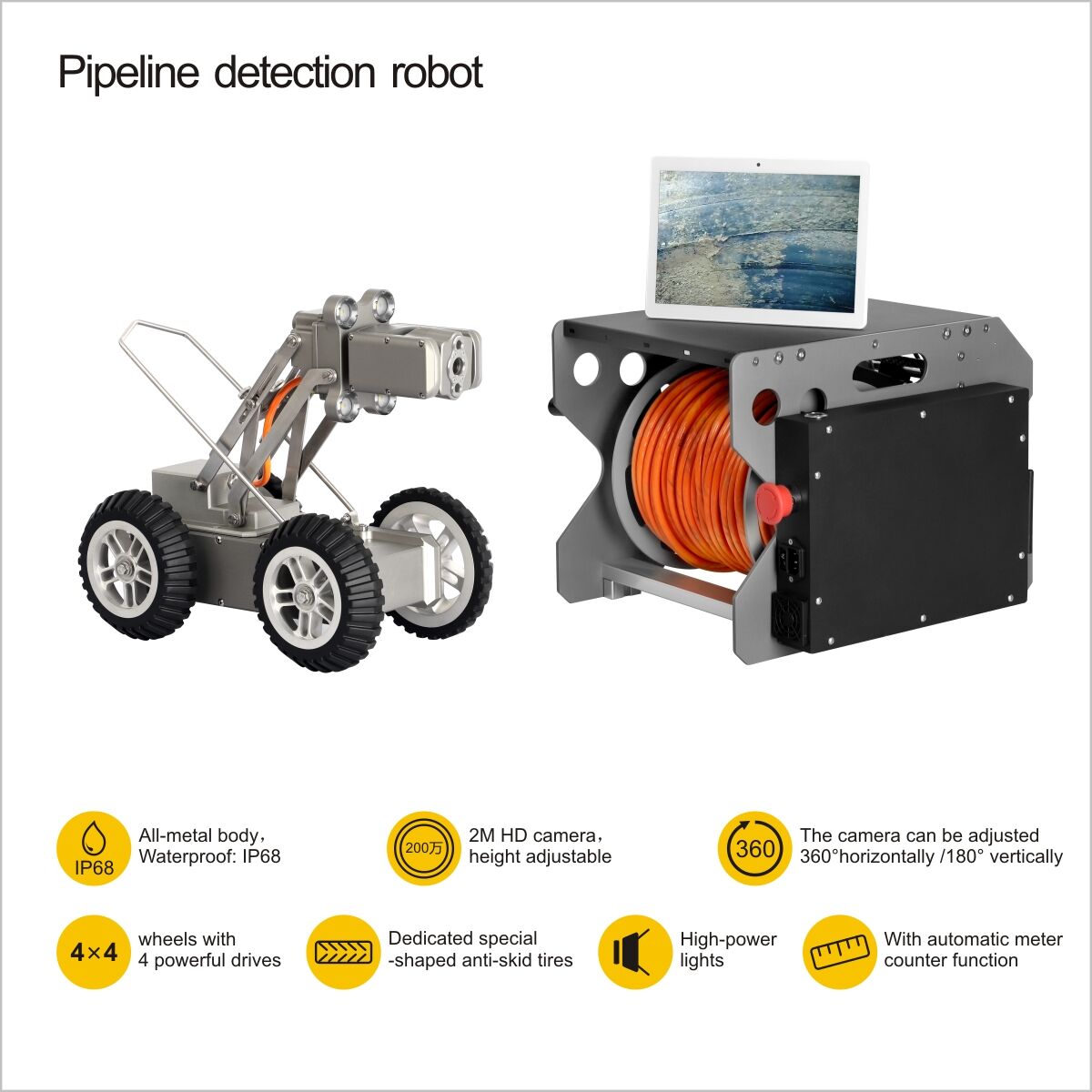
Utvecklingen av rörkrypning Tekniken har i grunden förändrat hur kommuner, entreprenörer och driftsoperatörer för vatten- och avloppssystem utför inspektioner av avloppsledningar och bedömningar av infrastruktur. Moderna rörrullsystem integrerar avancerade bildningsfunktioner, förbättrade rörelsemechanismer och intelligenta diagnostiska verktyg som möjliggör en omfattande utvärdering av underjordiska ledningar utan omfattande schakt. När åldrande avloppsledningsnät kräver mer frekventa inspektioner och proaktivt underhåll, ger de senaste innovationerna inom rörrullutrustning en oöverträffad insyn i rörens skick, högre noggrannhet vid identifiering av fel och ökad driftseffektivitet – faktorer som direkt påverkar besluten kring infrastrukturhantering och budgetallokering.
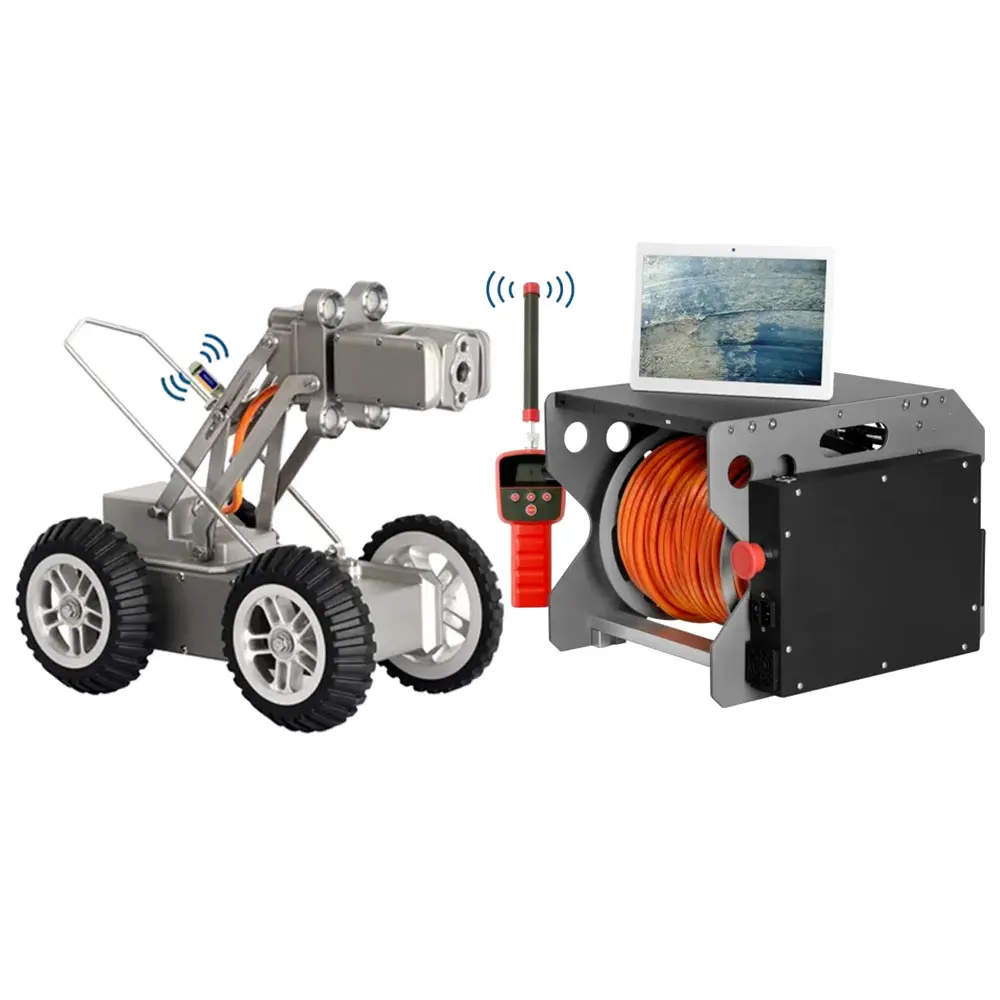
Idag omformas inspektionslandskapet för avloppsledningar av teknologiska genombrott som möter de bestående utmaningar som fältoperatörer står inför vid navigering i komplexa underjordiska rörsystem. Från AI-förstärkt felidentifiering till utökade driftområden representerar de senaste rörgångsinnovationerna en sammansmältning av robotteknik, digital bildvetenskap och praktiskt provade designförbättringar. Att förstå dessa teknologiska framsteg hjälper infrastrukturprofiler att fatta välgrundade investeringsbeslut angående utrustning, optimera inspektionsarbetsflöden och utnyttja banbrytande verktyg som ger mätbara förbättringar av datakvalitet, inspektionshastighet och långsiktiga resultat för förvaltningen av kritiska avloppssamlingsnät.
Avancerade mobilitets- och navigeringssystem
Flerriktade drivmekanismer
De senaste rörgångsplattformarna integrerar sofistikerade flerriktade drivsystem som övervinner begränsningarna hos traditionella tvåhjulsdesigner. Moderna krypdoner har oberoende hjulstyrning med justerbar hastighetsreglering, vilket gör att operatörer kan navigera genom rörböjar, vertikala övergångar och utmanande terrängdrag med hög precision. Avancerade drifthjulssystem använder material med hög greppkraft och justerbar fördelning av marktrycket för att bibehålla stabilitet i fuktiga, smutsbelagda eller lutande rörrör. Dessa förbättringar av rörligheten möjliggör en grundlig inspektionsomfattning i tidigare oåtkomliga rördelar, särskilt i äldre infrastruktur där oregelbundna rörfogar, förskjutna anslutningar och delvisa ras skapar navigeringshinder som konventionell utrustning inte kan hantera effektivt.
Innovativa upphängningssystem i moderna rörräknare ger anpassad markkontakt som automatiskt justerar sig efter olika rördiametrar och ytojämnheter. Chassin med fjäderbelastade konstruktioner säkerställer optimal positionering av kameran samtidigt som de dämpar vibrationer som kan försämra bildkvaliteten under rörelse. Vissa avancerade plattformar integrerar förmåga att klättra över hinder med artikulerade hjulmonteringar som kan hantera ansamlingar av smuts, framträdande serviceanslutningar och höjdskillnader som överskrider traditionella räknars begränsningar. Dessa mekaniska innovationer leder direkt till färre avbrott i inspektionen, färre uttag av utrustning och mer fullständig dokumentation av ledningsnätet under en enda insatscykel.
Ökad räckvidd och kabelhantering
Nyliga innovationer inom rörrörelse inkluderar betydligt utökade driftområden som möjliggör inspektion av längre rörsegment utan krav på mellanliggande tillträdespunkter. Moderna system använder förstärkta kompositkablar som kombinerar dragstyrka med minskad vikt och diameter, vilket möjliggör distributionsavstånd på över 300 meter samtidigt som signalintegriteten och effektförsörjningen bibehålls. Avancerade kabelförvaltningssystem är utrustade med motoriserade spolar med programmerbar spännkontroll, vilket förhindrar att kabelns dragmotstånd hindrar rörelsen hos krypvagnen eller orsakar tidig utmattning av utrustningen. Dessa räckviddsutvidgningar visar sig särskilt värdefulla vid inspektion av huvudledningar, avledningsledningsundersökningar samt i situationer där avståndet mellan tillträdespunkter begränsar inspektionsverktygets effektivitet jämfört med konventionella kortare utrustningar.
Intelligenta kabellösningsystem ger nu övervakning av avstånd i realtid med precisionsskivor som korrelerar defektplatser exakt till ytkoordinater för planering av grävningar. Vissa innovativa rörrullplattformar integrerar GPS-koordinater med djupgivare för att skapa tredimensionella ledningskartor, där inspektionsresultat överlagras på kommunala infrastrukturdatabaser. Denna integration av geografisk data omvandlar rå inspektionsfilm till handlingsbar information som stödjer prioriterad reparationsschemaläggning, planering av kapitalförbättringar och dokumentation för efterlevnad av regler. Kombinationen av utökade räckviddsfunktioner med exakt positionsbestämning utgör en betydande operativ förbättring för storskaliga bedömningar av avloppssystem.
Modulära plattformskonfigurationer
Samtidiga kryppelrördesigner betonar modulär arkitektur som möjliggör snabba konfigurationsändringar för att anpassa sig till specifika inspektionskrav och rörförhållanden. Utbytbara hjulmonteringar täcker diameterområden från små sidoförbindelser till stora huvudledningar med hjälp av en enda basplattform. Kameramoduler med snabbanslutning gör det möjligt for operatörer att byta ut bildsystem beroende på inspektionsmålen, till exempel mellan panorerings-, lutnings- och zoomkonfigurationer för allmän bedömning samt specialiserade sensorer för målgrupperad defektanalys. Denna modularitet minskar kraven på utrustningsinventarie samtidigt som den maximerar flexibiliteten vid distribution i olika inspektningscenarier som kommunala verksamheter och entreprenörsflottor möter dagligen.
Modulära funktioner för integrering av tillbehör i avancerade rörsystem för krypning stödjer specialiserade diagnostiska verktyg, inklusive laserprofiler för kvantitativ mätning av deformation, sonarmoduler för inspektion av under vatten belägna rörledningar och kemiska sensorer för identifiering av infiltrationskällor eller närvaro av farliga ämnen. Montering och demontering utan verktyg minimerar förberedelsetiden på platsen och möjliggör snabb reaktion på nödinspektionskrav. Standardiseringen av monteringsgränssnitt över olika utrustningsgenerationer skyddar det långsiktiga investeringsvärdet genom att tillåta teknikuppdateringar utan att hela systemet behöver ersättas – en avgörande aspekt för organisationer som hanterar begränsade kapitalbudgetar samtidigt som de eftersträvar kontinuerlig förbättring av sina inspektionsmöjligheter.
Revolutionerande bild- och sensorteknologier
Högupplösta och 4K-bildsystem
Övergången till högupplösta och 4K-upplösningens bildsystem utgör en av de mest påverkansrika innovationerna inom modern rörkrypning teknik. Sensorer med ultra-hög upplösning fångar detaljer på rörens insida med en tydlighet som möjliggör identifiering av mikroskopiska sprickor, korrosion i tidigt skede och subtila förskjutningar i fogar – detaljer som system med standardupplösning inte kan lösa upp. Ökad pixeltäthet stödjer digital zoom utan betydande bildförsvagning, vilket gör att operatörer kan undersöka misstänkta strukturer närmare under realtidsinspektion utan att behöva ompositionera krypvagnen. Denna förbättring av bildkvaliteten ökar direkt noggrannheten vid klassificering av defekter och stödjer säkrare bedömningar av rörens tillstånd, vilket avgör brådskande reparationer och valet av repareringsmetod.
Avancerade bildsystem integrerar bearbetning med brett dynamikomfång som bibehåller detaljsynlighet i utmanande belytningsförhållanden, vilket är typiskt för avloppsledningsmiljöer. Automatisk exponeringsjustering kompenserar för variationer mellan mörka rördelar och ljusa fläckar som orsakas av yttre tillträdespunkter eller sidoförbindelser. Sofistikerade brusreduceringsalgoritmer eliminerar kornighet i mörka förhållanden samtidigt som kantskärpa – avgörande för sprickdetektering – bevaras. Dessa förbättringar av bildbehandlingen säkerställer konsekvent dokumentationskvalitet oavsett omgivande förhållanden, vilket minskar behovet av upprepade inspektioner på grund av otillräcklig visuell dokumentation och stödjer effektivare slutförandehastigheter för arbetsflöden.
360-graders roterande kameraplattformar
Innovativa rörsystem för krypning är nu utrustade med helt roterande kameraplattformar som ger fullständig radiallyckvidd i rörledningar utan att kräva flera genomgångar eller ompositionering av krypdonen. Möjligheten till kontinuerlig 360-graders rotation möjliggör en grundlig undersökning av rörens tak, mittlinjer och botten under framåtrörelse, vilket säkerställer att ingen yta förblir oobserverad under inspektionerna. Programmerbara rotationsmönster möjliggör automatiserade genomsökningsprotokoll som standardiserar inspektionsförfaranden mellan olika operatörer och utrustningsdistributioner. Denna omfattande täckningsförmåga är avgörande för att identifiera defekter på icke uppenbara platser, såsom de övre kvadranterna i rören, där strukturella sprickor kan uppstå innan de blir synliga i de nedre sektionerna, vilka vanligtvis betonas vid konventionella inspektioner.
Precisionstyrda rotationsystem inkluderar justerbara hastighetsinställningar som anpassar optimala bildförhastigheter till krypandets framåtgående hastighet, vilket säkerställer fullständig dokumentation av röret utan luckor eller överlappande områden. Integrerade positionsensorer ger exakta uppgifter om vinkelorientering som kopplar felplaceringar till klockpositioner för underhållspersonalens referens. Vissa avancerade plattformar kombinerar rotation med samtidig pan-tilt-justering, vilket skapar flexibilitet i flera axlar för positionering och underlättar detaljerad undersökning av komplexa funktioner som serviceanslutningar, utskjutande lateraler och strukturella avvikelser som kräver flera betraktningsvinklar för korrekt karaktärisering. Dessa sofistikerade kamerastyrningssystem omvandlar inspektioner av rör med krypande enheter från linjära dokumentationsuppgifter till omfattande tredimensionella ledningsbedömningar.
Specialiserade belysningsteknologier
Modern rörkrypning Utrustningen omfattar intelligenta LED-belysningssystem som anpassar ljusstyrkan och ljusfördelningen för att matcha inspektionskraven och miljöförhållandena. Belysning med varierande intensitet och automatisk justeringsfunktion förhindrar att bilder blekner på reflekterande, blöta ytor samtidigt som den ger tillräcklig belysning i ljusabsorberande avsnitt som är fulla av smuts. Avancerade system har flerzonsbelysningskontroll som oberoende justerar framåtriktade och sidoriktade LED-arrayer för att optimera skugghantering och avslöja ytstruktur. Denna adaptiva belysningsmetod förbättrar synligheten av defekter genom att skapa kontrollerad kontrast som framhäver ytojämnheter, fogförskjutningar och indikationer på materialförslitning som enhetlig belysning kan dölja.
Innovativa spektralbelysningsalternativ i banbrytande rörinspektionsplattformar inkluderar ultraviolett och infraröd funktionalitet som avslöjar defektkarakteristika som är osynliga under standardvitt ljus. UV-belysning framhäver organiska avlagringar, fettansamlingar och vissa tätningsmaterial som indikerar repareringshistorik eller underhållsbehov. Infraröd bildbehandling upptäcker temperaturvariationer som är kopplade till grundvattentillflöde, aktiva läckor eller exfiltrationszoner. Dessa specialiserade belysningslägen utökar diagnostikmöjligheterna utöver visuell ytbaserad bedömning och ger operatörer ytterligare datalager som stödjer en mer omfattande tillståndsevaluering samt förutsägande underhållsstrategier baserade på faktorer utöver endast strukturell integritet.
Intelligent programvara och integration av datahantering
AI-drivna system för feligenkänning
Integration av artificiell intelligens utgör en omvandlande innovation inom nutida rörrörelseteknik, där maskininlärningsalgoritmer som tränats på omfattande defektdatabaser nu kan utföra automatisk identifiering av avvikelser under realtidsinspektioner. Dessa AI-system analyserar videofeeden kontinuerligt och markerar potentiella defekter, inklusive sprickor, korrosion, fogförskjutning, rotintrång och strukturell deformation, med klassificeringsförtroendepoäng. Automatisk identifiering minskar effekterna av operatörens trötthet under längre inspektionsperioder och säkerställer konsekventa standarder för defektidentifiering bland olika personal och inspektionskampanjer. Även om mänsklig verifiering fortfarande är avgörande, accelererar AI-stödet väsentligt den preliminära bedömningen och hjälper operatörer att fokusera uppmärksamheten på egenskaper som kräver detaljerad undersökning och bedömning.
Avancerade maskininlärningsmodeller i modern rörrörelsesoftware fortsätter att förbättras genom återkopplingsloopar som inkluderar operatörskorrigeringar och valideringsdata från efterföljande utgrävningar. Denna funktion för kontinuerlig inlärning innebär att detekteringsnoggrannheten ökar över tid och att systemen anpassar sig till organisationsspecifika rörmaterial, försämringsscheman och klassificeringsstandarder. Vissa plattformar erbjuder anpassbar AI-träning som gör det möjligt för vatten- och avloppsverk att utveckla algoritmer som är optimerade för deras unika infrastrukturkarakteristika och regionala förhållanden. Integrationen av AI-driven analys med rörrörelsehårdvara skapar intelligenta inspektionsystem som fungerar som expertassistenter snarare än passiva inspelningsverktyg, vilket grundläggande förändrar kompetenskraven och produktivitetspotentialen för avloppsinspektionsarbete.
Molnbaserad hantering av inspektionsdata
Moderna rörsystem för krypning är utrustade med sömlös molnintegration som möjliggör automatisk uppladdning av inspektionsdata och skapar centraliserade databaser som är tillgängliga för intressenter inom organisationer. Synkronisering av data i realtid stödjer fjärrövervakningsfunktioner, vilket gör att chefer och ingenjörer kan följa pågående inspektioner, ge vägledning till fältoperatörer och fatta omedelbara bedömningsbeslut utan att vara fysiskt närvarande på arbetsplatserna. Molnlagring eliminerar risken för lokal dataförlust samtidigt som den erbjuder obegränsad arkiveringskapacitet för att underhålla omfattande databaser med inspektionshistorik. Dessa plattformar inkluderar vanligtvis samarbetsbaserade kommenteringsverktyg som gör det möjligt för flera granskare att markera defekter, lägga till kommentarer och bidra till tillståndsbaserade bedömningsrapporter med hjälp av standardiserade kodningsramverk som är kompatibla med branschstandarder och krav på regleringsrapportering.
Integrerade analysinstrumentpaneler inom molnbaserade system för ledningsinspektion omvandlar råa inspektionsdata till handlingsbar intelligens genom automatiserad rapportering, trenderanalys och visualisering av prestandamått. Dessa verktyg genererar sammanfattande statistik om felfrekvens, allvarlighetsfördelning och trender i nätverkets skick, vilket stödjer kapitalplanering och prioritering av underhållsåtgärder. Avancerade plattformar inkluderar förutsägande modelleringsfunktioner som prognosticerar försämringens utveckling baserat på historiska inspektionsdata och miljöfaktorer. Kombinationen av sofistikerad datahantering och modern hårdvara för ledningsinspektion skapar omfattande tillgångshanteringssystem som utökar värdet av inspektionsinvesteringar långt bortom enkel videodokumentation.
Integration av mobila enheter och fältrapportering
Modern rörkrypningsteknik omfattar integration med mobila enheter som gör att operatörer kan styra utrustningen, granska inspelningsmaterial och slutföra inspektionsrapporter med hjälp av surfplattor och smarttelefoner. Trådlös anslutning eliminerar besvärliga kabelförbindelser mellan krypdonen och kontrollstationerna, vilket förbättrar effektiviteten vid installation och operatörens rörelsefrihet på arbetsplatserna. Intuitiva pekskärmsgränssnitt ersätter komplexa knappmatriser, vilket minskar kraven på utbildning och möjliggör snabbare styrrespons under navigering. Mobila plattformar stödjer fältdatainmatning med anpassningsbara formulär som registrerar platsförhållanden, tillträdespunktsdetaljer och miljöfaktorer tillsammans med videodokumentation, vilket skapar fullständiga inspektionsregister som eliminerar efterbearbetningsuppgifter för datajustering.
Innovativa mobila applikationer för rörkrypning inkluderar funktioner för ökad verklighet som överlagrar kartor över rörsystem på kameravyer, vilket hjälper operatörer att behålla rumslig medvetenhet under komplexa inspektioner. GPS-integration korrelerar automatiskt inspektionssegment med infrastrukturdatabaser, vilket säkerställer korrekt identifiering av tillgångar och eliminerar fel vid manuell registrering av platser. Vissa avancerade system stödjer samarbete mellan flera enheter, där fältteam, kontorsingenjörer och chefer samtidigt kan komma åt live-inspektionsflöden med gränssnittskonfigurationer anpassade efter respektive roll. Denna mobilinriktade strategi för rörkrypningsteknik är i linje med bredare trender inom digital omvandling inom infrastrukturförvaltning och ger konkreta förbättringar av arbetsflödeseffektivitet och dataexakthet.
Förbättrade egenskaper för hållbarhet och driftsäkerhet
Vattentät och kemikaliebeständig konstruktion
Senaste innovationerna inom rörgångsteknik betonar pålitlig miljöskyddslösning som säkerställer tillförlitlig drift i hårda avloppsförhållanden. Avancerade tätningslösningar skyddar kritiska elektroniska komponenter mot vattentillträde, frätande gaser och kemisk påverkan, vilket är vanligt i avloppssystem för avloppsvatten. Moderna plattformar uppnår IP68-vattentäthetsklassning, vilket möjliggör fullständig nedsänkningsdrift – en nödvändighet vid inspektion av rör med stående vatten eller vid infiltrationsbedömningar under regniga förhållanden. Kemikaliebeständiga material, inklusive specialpolymerer och korrosionsbeständiga legeringar, förlänger utrustningens livslängd i aggressiva miljöer där väteväldioxid, syror och industriella utsläppsföreningar accelererar nedbrytningen av konventionella material.
Tryckutjämnade husdesigner i moderna rörrörelsesystem förhindrar fuktens kondensation, vilket kan orsaka dimning av kamerakameror och skada känsliga elektronikkomponenter vid temperaturövergångar mellan ytmiljöer och underjordiska miljöer. Andningsmembran upprätthåller ett inre tryckjämvikt samtidigt som de filtrerar föroreningar, och offeranodsystem skyddar metallkomponenter mot galvanisk korrosion i elektriskt ledande miljöer. Dessa hållbarhetsförbättringar minskar underhållskraven, minimerar oplanerad driftstopp och skyddar utrustningsinvesteringar i krävande driftsammanhang där tillförlitlighet direkt påverkar projektens slutförandetider och kostnadseffektivitet.
Självdiagnostiska och prediktiva underhållssystem
Intelligenta rörrörelseplattformar är nu utrustade med självdiagnostiska funktioner som kontinuerligt övervakar systemets hälsoparametrar, inklusive batteristatus, motorprestanda, kabelfunktion och sensorfunktionalitet. Realtime-statusvarningar informerar operatörer om potentiella problem innan de orsakar avbrott i inspektionen eller skador på utrustningen. Inbyggd dataloggning skapar underhållshistorik som spårar komponenters användningscykler, exponering för miljöpåverkan och prestandatrender över tid. Denna information stödjer förutsägande underhållsschemaläggning baserad på den faktiska utrustningens tillstånd snarare än godtyckliga tidsintervall, vilket optimerar serviceplaneringen för att förhindra fel utan att utföra onödiga förebyggande ingrepp som ökar driftskostnaderna utan motsvarande tillförlitlighetsfördelar.
Avancerade diagnostiksystem i moderna rörräkningsutrustningar ger detaljerad felsökningsvägledning vid fel, vilket snabbar upp reparationer i fält och minskar beroendet av tillverkarens tekniska support för rutinmässiga problem. Hälsoscore på komponentnivå hjälper organisationer att fatta välgrundade beslut om tidpunkten för reparation jämfört med utbyte. Vissa plattformar har fjärrdiagnostiska funktioner som gör det möjligt för tillverkarens supportteam att bedöma utrustningens status och ge vägledning utan krav på fysisk inspektion – särskilt värdefullt för organisationer som verkar på avlägsna platser eller hanterar stora utrustningsflottor över spridda serviceområden. Dessa prediktiva och diagnostiska innovationer minskar den totala ägarkostnaden samtidigt som de maximerar utrustningens tillgänglighet för produktiva inspektionsuppgifter.
Design för fältservice och tillgänglighet av komponenter
Moderna rörrörelsedesigner prioriterar underhåll på plats med paneler för verktygsfri åtkomst, modulär komponentkonstruktion och tydligt dokumenterade underhållsprocedurer som möjliggör reparationer och rutinunderhåll på operatörsnivå. Snabbkopplade elektriska och mekaniska gränssnitt gör det möjligt att snabbt byta ut slitagekomponenter, inklusive hjul, kameror och belysningsenheter, utan specialverktyg eller återföring till tillverkarens anläggningar. Standardiserade fästelement och lättillgängliga monteringsanordningar minskar underhållskomplexiteten och möjliggör att underhåll utförs med vanliga handverktyg, vilka normalt finns tillgängliga i fältfordon. Denna användarvänliga underhållsdesign minimerar driftstopp kopplade till mindre reparationer och rutinunderhåll samtidigt som den sänker de långsiktiga driftskostnaderna genom minskad beroendegrund på specialiserade serviceleverantörer.
Umfattande reservdelskit och fältrådgivningsdokumentation åtföljer avancerade rörrörelsesystem, vilket stödjer operatörernas självständighet vid hantering av vanliga problem, såsom kabelskador, utbyte av hjul och justering av kameror. Visuella underhållsanvisningar med exploderade monteringsdiagram eliminerar tvetydigheter i demonterings- och monteringsförfaranden. Vissa tillverkare tillhandahåller videobibliotek med instruktionsfilmer som visar rutinmässiga serviceuppgifter och felsökningsförfaranden. Denna inriktning på fältservicebarhet erkänner att utrustningens driftstopp direkt påverkar projektets ekonomi och kundnöjdheten, vilket gör repareringshastighet och tillgänglighet till avgörande faktorer för systemets totala värde utöver överväganden kring inköpspriset.
Uppkommande teknologier och framtida utvecklingsriktningar
Autonom navigering och inspektionsautomatisering
Gränsen för innovation inom rörrörelse inkluderar funktioner för autonom navigation som minskar operatörens arbetsbelastning samtidigt som inspektionskonsekvensen och noggrannheten förbättras. Experimentella system använder sonarmappning, laseravståndsmätning och maskinvision för att navigera automatiskt genom rörnätverk, enligt programmerade inspektionsprotokoll utan kontinuerlig mänsklig styring. Algoritmer för hinderidentifiering möjliggör säker autonom drift genom att identifiera blockeringar, oväntade rörfunktioner och navigeringshinder som kräver omställning av rutten eller operatörens ingripande. Även om fullständigt autonom rörrörelse fortfarande befinner sig i utvecklingsstadiet introduceras halvautonoma funktioner – såsom automatisk centreringsfunktion, hastighetsreglering och körning av programmerade inspektionsmönster – i kommersiella system och visar på produktivitetsfördelar i rutinapplikationer.
Framtida autonoma rörsystem för krypning kan integrera principer för svärmintelligens, där flera små krypdonheter samordnar sina aktiviteter för att effektivt undersöka komplexa nätverk, med enskilda enheter som specialiserar sig på olika diagnostiska funktioner. Automatiserade arbetsflöden för felregistrering kan eliminera kraven på manuell annotering av operatörer genom AI-drivna videouppgifter som genererar inspektionsrapporter med minimal mänsklig inblandning. Dessa automatiseringsframsteg lovar att lösa bristen på kvalificerade operatörer som många organisationer står inför, samtidigt som inspektionskvaliteten standardiseras över olika personal och inflytandet av operatörsutmattning på dokumentationens fullständighet minskas under längre inspektionskampanjer.
Avancerad materialanalys och integration av icke-destruktiv provning
Uppkommande innovationer inom rörrörelse undersöker integration av sofistikerade tekniker för materialanalys som karaktäriserar rörens skick utöver visuell ytbaserad bedömning. Ultraljudsbaserade tjockleksmätningstekniker som utvecklas skulle möjliggöra upptäckt av väggtunnning orsakad av yttre korrosion innan symtom på den inre ytan blir synliga. Integration av markgenomträngande radar skulle kunna avslöja hålrumsbildning i omgivande jord eller identifiera fyllnadens egenskaper, vilket påverkar strukturell stödförmåga. Elektromagnetiska inspektionsmetoder kan möjligen upptäcka armeringskorrosion i betongrör eller bedöma integriteten hos metalliska rörväggar under skalkamrar. Dessa avancerade diagnostiska funktioner skulle omvandla rörrörelseplattformar från verktyg för visuell dokumentation till omfattande system för skickbedömning som tillhandahåller kvantitativa strukturella data för att stödja ingenjörsmässig analys och prognoser av återstående livslängd.
Experimentell övervakning av akustisk emission integrerad med rörrullutrustning kan upptäcka aktiv sprickutbredning och fogrörelse under inspektion, vilket identifierar dynamiska försämringprocesser som undgår statisk visuell observation. Kemiska sensingsfunktioner kan analysera sammansättningen av atmosfären i röret för att identifiera villkor som accelererar korrosion eller upptäcka närvaro av farliga material som kräver specialhantering. Sammanflätningen av flera sensningsmodalityer inom enhetliga rörrullplattformar utgör en långsiktig utvecklingsriktning som successivt kommer att utöka den information som kan erhållas från infrastrukturinspektioner, vilket möjliggör mer sofistikerade tillvägagångssätt för tillgångshanteringen baserat på en omfattande förståelse av tillståndet snarare än begränsade visuella indikatorer.
Kollaborativ robotik och utveckling av människa-maskin-gränssnitt
Utvecklingen av framtida rörkrypningsteknologi betonar förbättrad samverkan mellan människa och maskin genom intuitiva gränssnitt som utnyttjar naturliga interaktionsparadigm, inklusive röststyrning, gestigenkänning och visuellt stöd via ökad verklighet. Möjligheten till kontroll utan att använda händerna skulle tillåta operatörer att styra krypans rörelse och kamerans placering samtidigt som de utför andra inspektionsuppgifter eller upprätthåller säkerhetsmedvetenhet i fältmiljöer. Integration av virtuell verklighet kan erbjuda engagerande inspektionsupplevanden där operatörer virtuellt navigerar genom rörens inre med ett rumsligt medvetande som överträffar konventionell kontroll via skärm, vilket potentiellt kan möjliggöra effektivare identifiering av avvikelser och förbättrad förståelse av rumsliga relationer i komplexa rörsystem.
Avancerade samarbetsbaserade system kan inkludera expertsystembaserade rådgivningsfunktioner som föreslår optimala inspektionsstrategier baserat på rörens egenskaper, kända defektmönster och inspektionsmål. Verktyg för beslutsstöd i realtid kan rekommendera kameravinklar, justeringar av belysning och dokumentationsmetoder anpassade till specifika funktioner som undersöks. Dessa intelligenta stödfunktioner skulle effektivt komplettera operatörens expertis samtidigt som mänsklig bedömning bevaras vid kritiska bedömningsbeslut. Utvecklingen mot mer sofistikerat människa-maskin-samarbete inom rörkrypningsteknik speglar bredare trender inom robotik och industriell automatisering och lovar fortsatt förbättring av kapaciteten, samtidigt som den avgörande rollen för skickliga fackpersoner vid bedömning av infrastrukturstatus bevaras.
Vanliga frågor
Vilka är de viktigaste innovationerna att leta efter vid investering i ny utrustning för rörkrypning?
De mest påverkande innovationer som bör prioriteras inkluderar högupplösta eller 4K-avbildningsfunktioner som avsevärt förbättrar noggrannheten vid felidentifiering, utökad driftsträcka som överstiger 250 meter för effektiva långdistansinspektioner samt kameraplattformar med 360-graders rotation för att säkerställa fullständig täckning av rörväggarna. Avancerade mobilsystem med förmåga att klättra över hinder visar sig vara avgörande för att navigera i förfallna infrastrukturer, medan integration av molnbaserad datahantering stödjer effektiv dokumentation av inspektioner och långsiktig tillgångsspårning. AI-driven feligenkänning är en ny uppstående funktion som snabbar upp analysen av inspektioner och förbättrar konsekvensen, även om mänsklig verifiering fortfarande är nödvändig. Modulära plattformsdesigner som erbjuder konfigurerbar flexibilitet och underhållsvänlig konstruktion i fält minskar de totala ägarkostnaderna samtidigt som de maximerar användningsflexibiliteten för olika inspektionskrav.
Hur förbättrar moderna rörsystem för krypning inspektionsverktygen effektiviteten jämfört med äldre utrustning?
Moderna rörgångsplattformar ger effektivitetsförbättringar genom flera tekniska framsteg som fungerar synergistiskt. Utökade kabellängder minskar kraven på åtkomstpunkter och distributionscykler som behövs för att inspektera långa rörsegment, vilket direkt minskar installations- och trafikstyrningskostnader. Förbättrade mobilitetssystem navigerar genom utmanande rörförhållanden i en enda genomgång, vilket tidigare krävde flera försök eller alternativa inspektionsmetoder. AI-baserad defektdetektering i realtid snabbar upp den preliminära bedömningen och minskar tiden för granskning av inspektionsvideor efteråt. Automatiserade dokumentationsfunktioner, inklusive GPS-korrelation och digitala rapporteringsverktyg, eliminerar manuell dataöverföring och minskar kraven på kontorsbearbetning. Högupplöst bildteknik minskar behovet av upprepade inspektioner på grund av otillräcklig dokumentationskvalitet, medan förbättrad tillförlitlighet minimerar utrustningsnedstopp som fördröjer projektavslut. Tillsammans kan dessa innovationer minska total inspektionstid per löpmeter med 30–50 % samtidigt som dokumentationskvaliteten och -fullständigheten förbättras.
Finns autonoma rörsystem för krypning för närvarande tillgängliga för kommersiellt bruk?
Fullständigt autonoma rörsystem för krypning befinner sig fortfarande främst i forsknings- och utvecklingsstadiet, med begränsad kommersiell tillgänglighet enligt nuvarande marknadsförhållanden. Halvautonoma funktioner, såsom automatisk hastighetsreglering, programmerade kameraskanningsmönster och stött navigering med hinderdetektering, är dock allt vanligare i avancerade kommersiella plattformar. Dessa funktioner minskar operatörens arbetsbelastning och förbättrar inspektionskonsekvensen utan att eliminera kraven på mänsklig övervakning. De tekniska utmaningarna med pålitlig autonom navigering i den mycket varierande och oförutsägbara avloppsledningsmiljön, kombinerat med ansvarsfrågor kring drift av utrustning utan övervakning, fortsätter att begränsa implementeringen av full autonomi. De flesta experter förväntar sig en gradvis utveckling av funktioner, där allt fler autonoma funktioner blir standard under de kommande fem till tio åren snarare än en omedelbar övergång till helt självständig drift. Organisationer bör utvärdera halvautonoma funktioner i befintlig utrustning samtidigt som de följer den tekniska mogna utvecklingen av mer avancerade autonoma system.
Hur påverkar integrationen av AI i rörrörelseteknologi behovet av skickliga operatörer?
AI-integration förändrar i grunden, snarare än eliminerar, kravet på skickliga operatörer för rörrörelse genom att förskjuta deras roll från kontinuerlig observation och manuell identifiering av fel till verifierings-, bedömnings- och beslutsfattande uppgifter. Automatiserad felidentifiering försnabbar den första screeningen och säkerställer konsekventa identifieringsstandarder, men mänsklig expertis förblir avgörande för att validera AI:s resultat, klassificera komplexa avvikelser, sammanhangsbestämma fel i förhållande till bredare systemförhållanden samt fatta beslut om reparationers prioritering – beslut som balanserar tekniska faktorer med driftsbegränsningar och budgetmässiga verkligheter. Skickliga operatörer utnyttjar AI som en intelligent assistent som ökar produktiviteten och minskar trötthet under längre inspektioner, snarare än som en ersättning för yrkesmässig bedömning. Organisationer bör se AI-integrationen som en möjlighet att förbättra operatörernas effektivitet och standardisera grundläggande inspektionskvalitet, samtidigt som man erkänner att expertis inom bedömning av rörens skick, drift av utrustning och kunskap om infrastruktur fortfarande ger oumbärlig värde i omfattande inspektionsprogram.
Innehållsförteckning
- Avancerade mobilitets- och navigeringssystem
- Revolutionerande bild- och sensorteknologier
- Intelligent programvara och integration av datahantering
- Förbättrade egenskaper för hållbarhet och driftsäkerhet
- Uppkommande teknologier och framtida utvecklingsriktningar
-
Vanliga frågor
- Vilka är de viktigaste innovationerna att leta efter vid investering i ny utrustning för rörkrypning?
- Hur förbättrar moderna rörsystem för krypning inspektionsverktygen effektiviteten jämfört med äldre utrustning?
- Finns autonoma rörsystem för krypning för närvarande tillgängliga för kommersiellt bruk?
- Hur påverkar integrationen av AI i rörrörelseteknologi behovet av skickliga operatörer?