 EN
EN


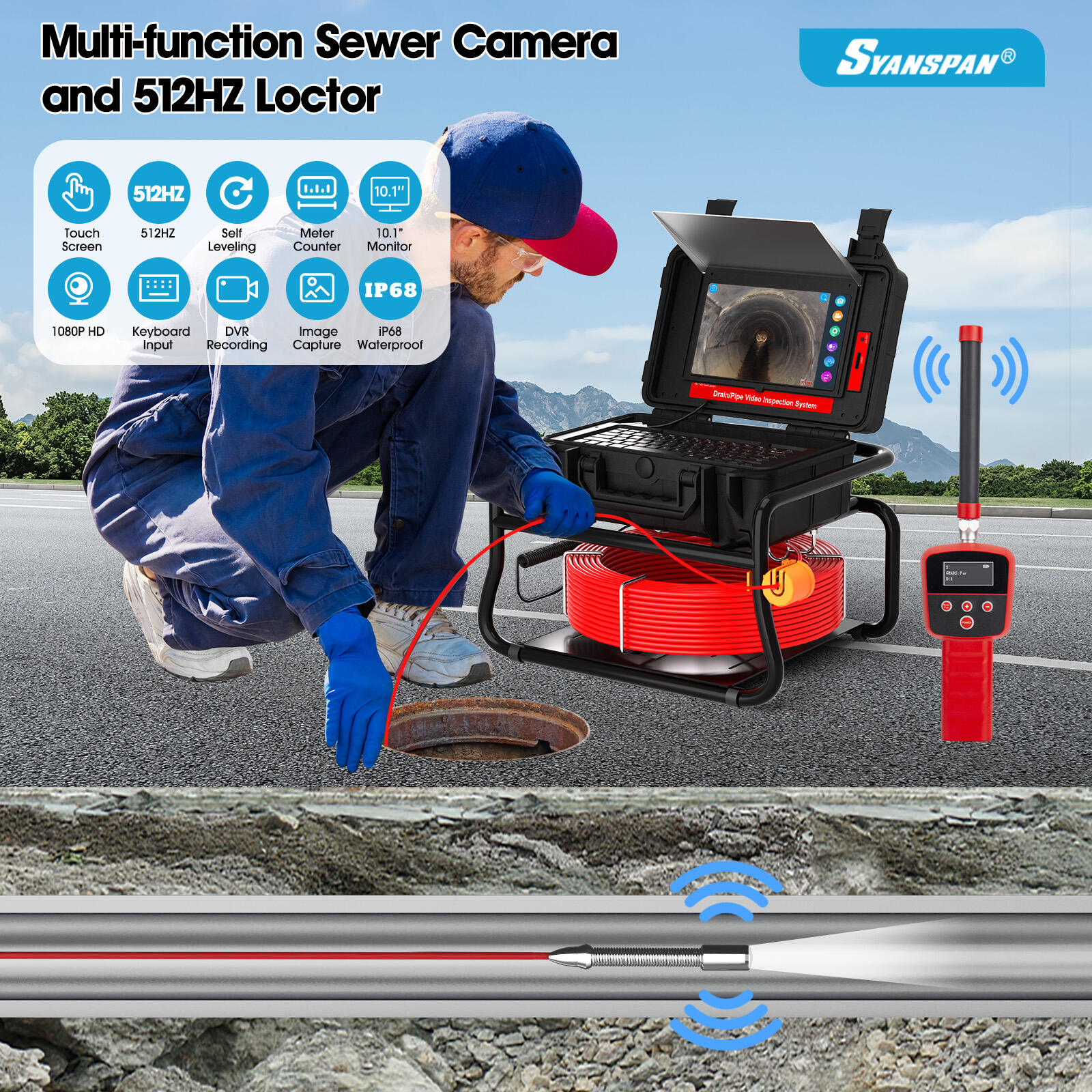
Modern plumbing diagnostics have revolutionized the way professionals approach drain repairs and maintenance. The introduction of advanced pipe camera technology has transformed time-consuming guesswork into precise, efficient inspection processes. These sophisticated devices enable plumbers and drain technicians to identify problems quickly, reducing both diagnostic time and overall project completion periods. A pipe camera provides real-time visual access to pipe interiors, eliminating the need for extensive excavation or destructive testing methods that traditionally consumed valuable hours and resources.
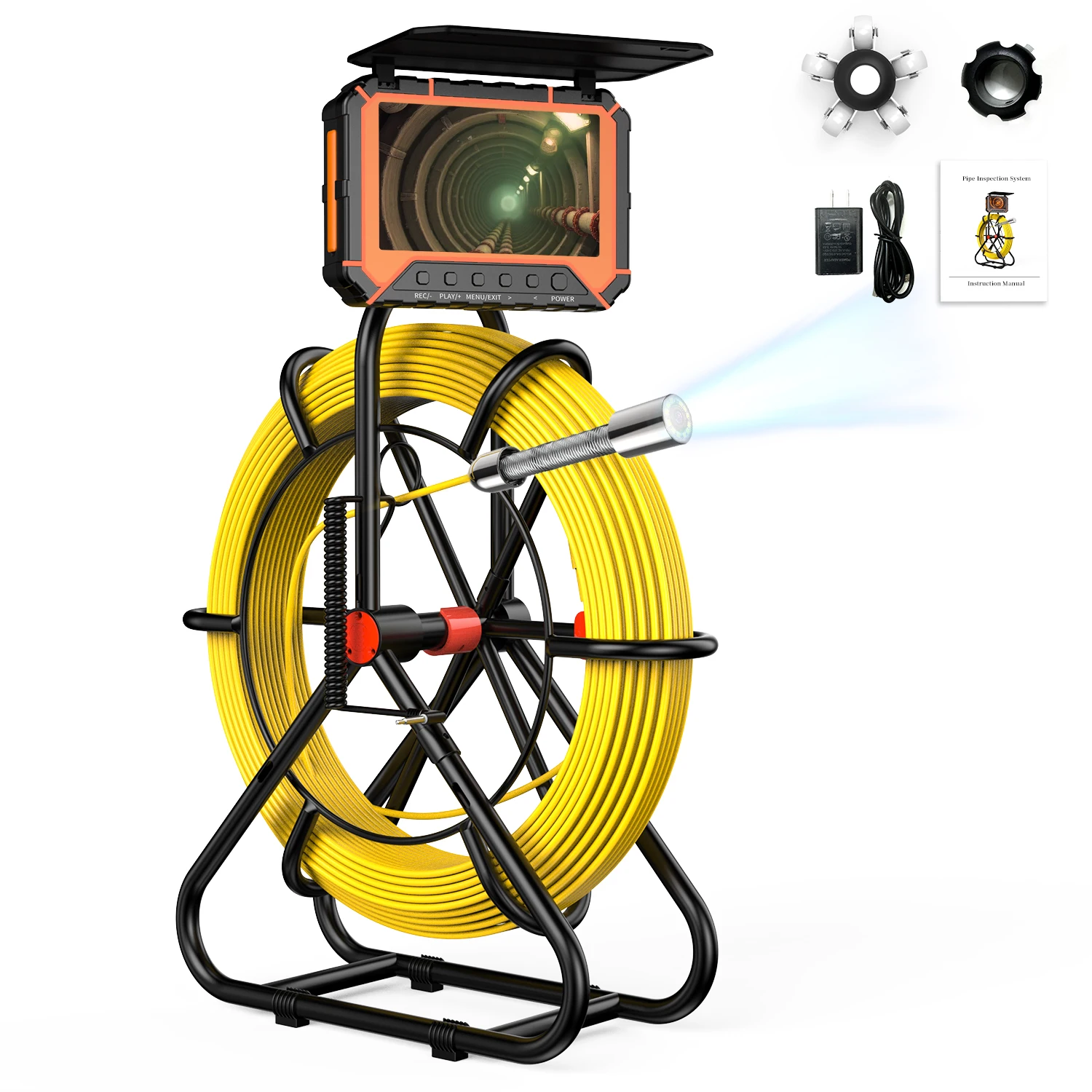
Immediate Problem Identification Through Visual Inspection
Real-Time Blockage Detection
Traditional drain inspection methods often involve multiple attempts to locate blockages through trial and error approaches. A pipe camera eliminates this inefficiency by providing immediate visual confirmation of obstruction locations. Technicians can identify the exact position, size, and nature of blockages within minutes rather than spending hours using conventional probing techniques. This immediate detection capability allows for targeted intervention strategies, focusing repair efforts precisely where needed.
The high-definition imaging capabilities of modern pipe camera systems reveal intricate details about blockage composition and surrounding pipe conditions. Whether dealing with grease accumulation, debris buildup, or foreign object intrusions, technicians gain comprehensive understanding of the situation before beginning physical removal processes. This visual intelligence prevents unnecessary work and guides the selection of appropriate removal tools and techniques.
Structural Damage Assessment
Pipe cameras excel at identifying structural issues that might otherwise require extensive investigation procedures. Cracks, joint separations, root intrusions, and corrosion damage become immediately visible through camera inspection. This rapid assessment capability enables technicians to evaluate repair complexity and resource requirements before commencing work. Understanding the full scope of structural problems prevents project delays and ensures appropriate repair strategies are implemented from the outset.
Advanced pipe camera technology captures detailed footage that can be reviewed and analyzed by multiple team members, facilitating collaborative decision-making processes. This shared visual information streamlines communication between field technicians and supervisory personnel, reducing time spent on explanations and status updates. The ability to document conditions visually also supports accurate project estimation and client communication efforts.
Precise Locating Reduces Excavation Time
GPS-Enabled Location Mapping
Modern pipe camera systems incorporate GPS technology and electronic locating features that pinpoint exact problem locations above ground. This precision eliminates guesswork about where to begin excavation or access procedures. Instead of digging multiple exploratory holes or trenches, technicians can target specific areas with surgical precision. The time savings achieved through accurate locating can reduce project duration by several hours or even days, depending on the complexity of the pipe system.
Electronic locating capabilities work in conjunction with the pipe camera to create comprehensive mapping of underground infrastructure. This integration provides technicians with three-dimensional understanding of pipe layouts and problem locations. The resulting accuracy minimizes disruption to surrounding areas and reduces restoration requirements after repairs are completed.
Minimized Property Disruption
Accurate problem location through pipe camera inspection significantly reduces the extent of excavation required for repair access. Property owners benefit from minimized landscape disruption, reduced restoration costs, and shorter project timelines. Technicians can plan efficient access routes that avoid unnecessary damage to driveways, gardens, or structural elements. This precision approach demonstrates professionalism and consideration for client property, enhancing customer satisfaction while saving valuable time.
The ability to minimize excavation also reduces the time required for site preparation and cleanup activities. Smaller work areas require less equipment setup time and generate fewer disposal requirements for excavated materials. These efficiency gains compound throughout the project lifecycle, contributing to substantial overall time savings and improved project profitability.
Enhanced Repair Planning and Preparation
Material and Equipment Selection
Pipe camera inspection provides detailed information about pipe materials, dimensions, and connection types before repair work begins. This advance knowledge enables technicians to select appropriate replacement parts, repair materials, and specialized tools before arriving at the job site. Having the correct materials readily available eliminates time-consuming trips to supply vendors during active repair procedures. The pipe camera footage serves as a visual shopping list that ensures comprehensive preparation for complex repair scenarios.
Understanding pipe specifications through camera inspection also prevents compatibility issues that could cause project delays. Technicians can verify thread types, diameter specifications, and material compatibility requirements before beginning work. This preparation prevents the frustration and time loss associated with discovering incompatible components during critical repair phases.
Team and Resource Coordination
Visual documentation from pipe camera inspections facilitates effective communication with team members, supervisors, and specialists who may need to contribute to repair efforts. Detailed footage enables accurate assessment of labor requirements, equipment needs, and project complexity. This information supports efficient scheduling decisions and resource allocation strategies that minimize downtime and maximize productivity.
The ability to share pipe camera footage with remote experts or specialists expands access to technical expertise without requiring physical site visits. Video consultation capabilities enable rapid problem-solving and technical guidance that might otherwise require scheduling delays for expert availability. This connectivity accelerates decision-making processes and ensures optimal repair approaches are implemented efficiently.
Streamlined Documentation and Quality Assurance
Before and After Verification
Pipe camera technology enables comprehensive documentation of conditions before, during, and after repair procedures. This visual record provides objective evidence of work quality and completion status that satisfies client expectations and regulatory requirements. The ability to demonstrate repair effectiveness through comparative footage eliminates time-consuming debates about work quality or completion standards.
Post-repair pipe camera verification ensures that all issues have been properly addressed before concluding the project. This final inspection step prevents callback visits and warranty claims that could consume additional time and resources. Technicians can confidently guarantee their work quality when supported by comprehensive visual documentation of repair results.
Compliance and Reporting Requirements
Many commercial and municipal projects require detailed documentation of inspection and repair procedures for regulatory compliance purposes. Pipe camera footage provides standardized visual evidence that meets documentation requirements without requiring extensive written reports or manual sketching processes. This automated documentation capability saves significant administrative time while ensuring compliance with industry standards and regulations.
The digital nature of pipe camera documentation enables efficient file management, storage, and retrieval systems that support long-term project records and warranty tracking. Electronic files can be easily copied, transmitted, and archived without the time-consuming processes associated with physical document management systems.
Preventive Maintenance Efficiency
Scheduled Inspection Programs
Regular pipe camera inspections enable proactive maintenance approaches that prevent emergency repair situations. Scheduled inspection programs identify developing problems before they escalate into major failures requiring extensive repair time and resources. This preventive strategy reduces overall maintenance time requirements while extending infrastructure lifespan and reliability.
Preventive pipe camera inspections can be completed rapidly without disrupting normal facility operations or requiring extensive setup procedures. The non-invasive nature of camera inspection enables frequent monitoring of critical pipe systems without the time and cost penalties associated with destructive testing methods.
Trend Analysis and Predictive Maintenance
Repeated pipe camera inspections create historical records that enable trend analysis and predictive maintenance strategies. By comparing inspection footage over time, technicians can identify gradual deterioration patterns and schedule maintenance activities before failures occur. This predictive approach optimizes maintenance timing and resource allocation while minimizing emergency response requirements.
The data collected through regular pipe camera inspections supports evidence-based maintenance planning that maximizes equipment reliability while minimizing maintenance time investments. Historical footage enables accurate assessment of maintenance intervals and helps identify the most effective preventive maintenance strategies for specific pipe systems and operating conditions.
FAQ
How much time can a pipe camera save during typical drain repairs
A pipe camera typically saves 2-4 hours on standard drain repair projects by eliminating diagnostic guesswork and enabling precise problem location. Complex repairs may see even greater time savings, particularly when multiple issues exist or when extensive excavation would otherwise be required for problem identification.
What types of pipe problems can be identified quickly with camera inspection
Pipe camera technology effectively identifies blockages, structural damage, root intrusions, joint failures, corrosion issues, and foreign object locations within minutes of inspection. The visual nature of camera inspection provides immediate confirmation of problem types and severity levels that guide appropriate repair strategies.
Can pipe camera inspection reduce overall project costs through time savings
Yes, pipe camera inspection reduces project costs through faster diagnosis, accurate material planning, minimized excavation requirements, and reduced labor time. The efficiency gains typically offset equipment costs while improving customer satisfaction through faster project completion and reduced property disruption.
How does pipe camera technology improve repair accuracy and quality
Pipe camera inspection ensures repairs target actual problems rather than symptoms, reducing the likelihood of incomplete repairs or recurring issues. Visual documentation enables verification of repair quality and provides objective evidence of work completion that satisfies quality assurance requirements and customer expectations.