 EN
EN


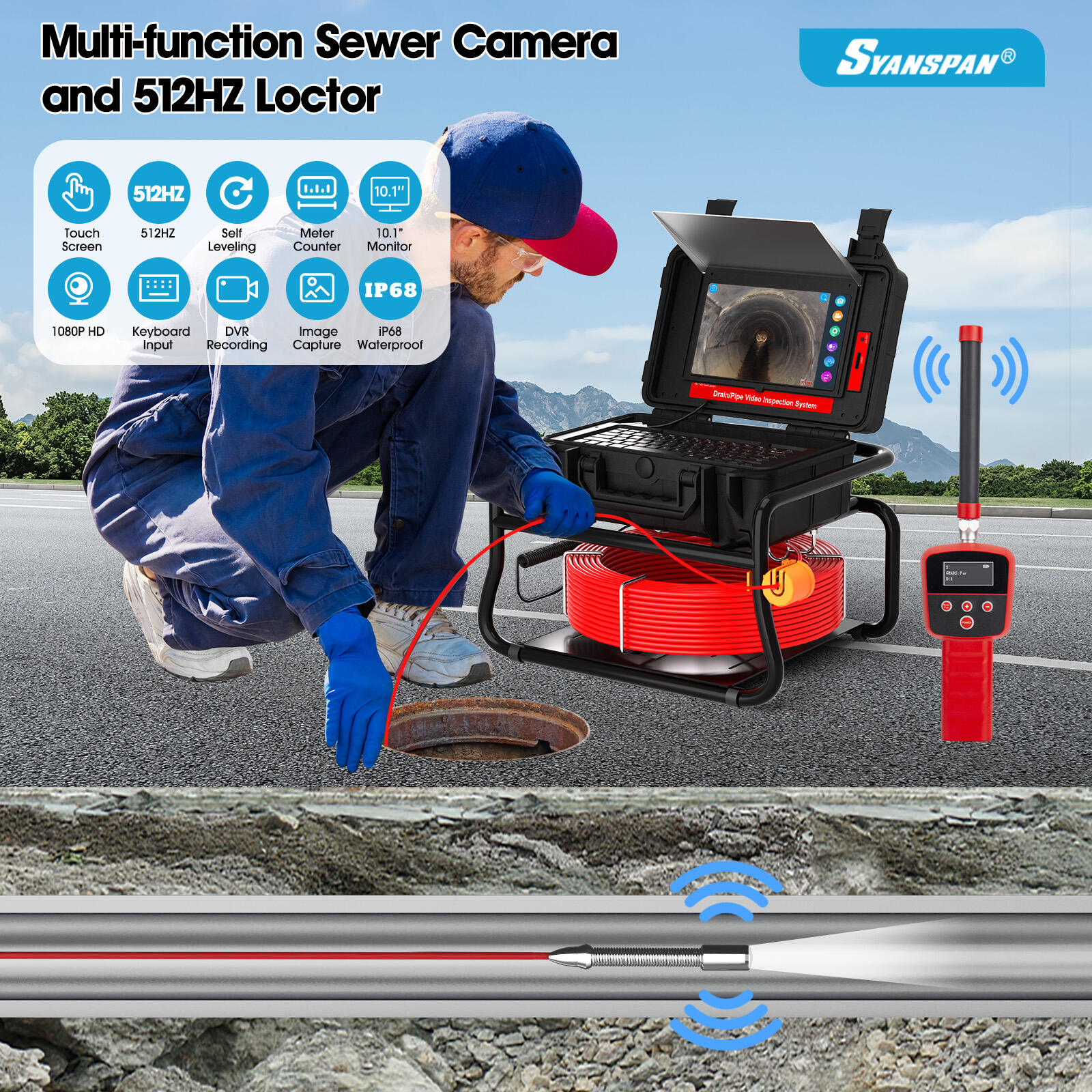
When plumbing problems arise in residential or commercial properties, identifying the root cause often requires looking inside pipes that are hidden behind walls or buried underground. A pipe camera has revolutionized the way plumbers and property owners diagnose drain and sewer line issues, offering visual inspection capabilities that eliminate guesswork and prevent unnecessary excavation. The decision between investing in professional pipe camera services or purchasing your own equipment depends on various factors including frequency of use, budget constraints, and technical expertise requirements.
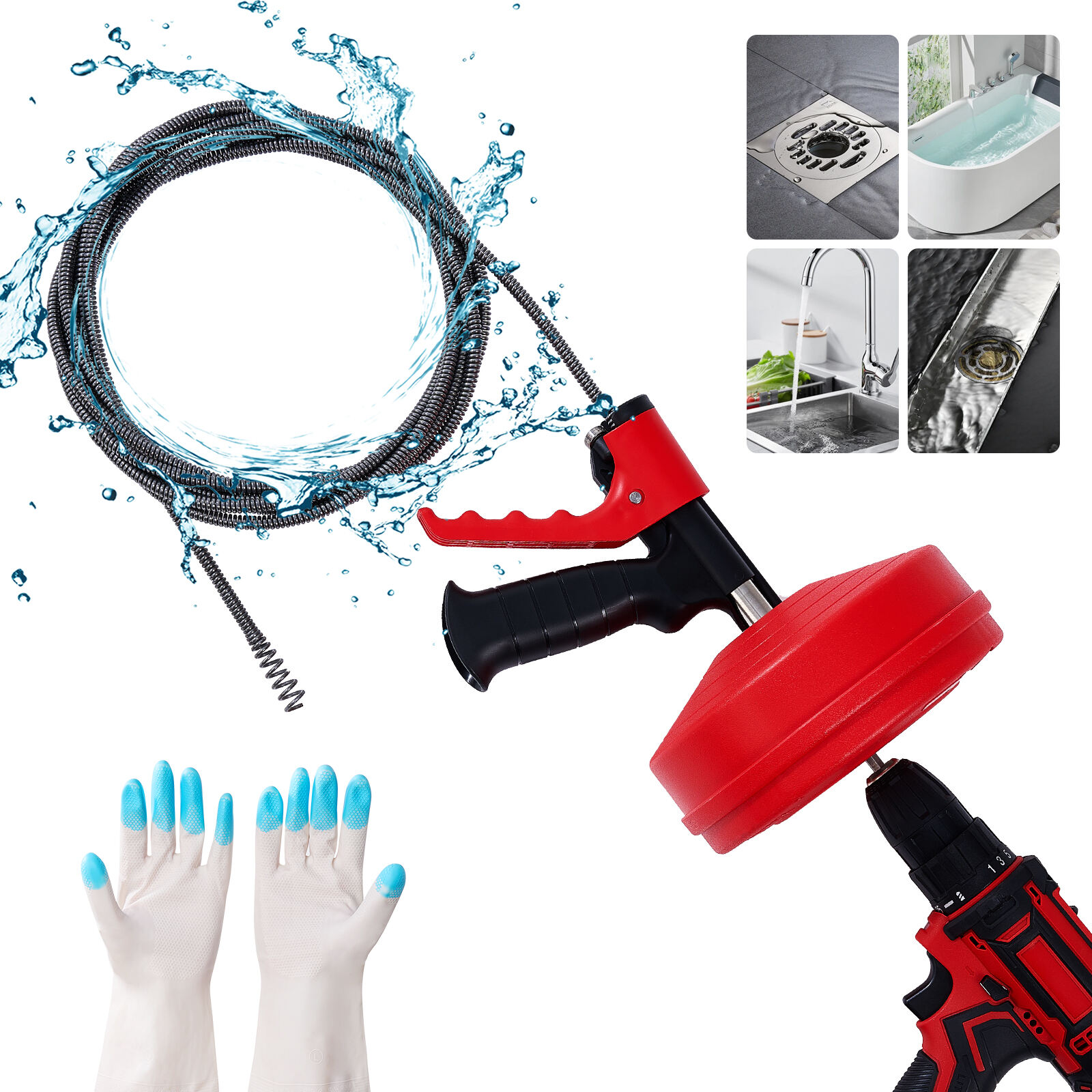
The pipe camera market has expanded significantly over the past decade, with manufacturers developing solutions that cater to both professional contractors and do-it-yourself enthusiasts. Professional-grade systems offer advanced features such as high-resolution imaging, extensive cable lengths, and sophisticated recording capabilities, while consumer-oriented models focus on affordability and ease of use. Understanding the distinctions between these categories helps property owners make informed decisions about which approach best suits their specific needs and circumstances.
Understanding Pipe Camera Technology
Core Components and Functionality
Modern pipe camera systems consist of several essential components that work together to provide comprehensive pipe inspection capabilities. The camera head houses the imaging sensor and LED lighting array, designed to capture clear footage in the dark, confined spaces typical of pipe interiors. High-quality pipe camera units feature waterproof construction and durable materials that withstand the harsh conditions encountered during drain inspections, including exposure to chemicals, debris, and varying temperatures.
The cable assembly serves as both a conduit for the camera head and a means of navigation through pipe systems. Professional pipe camera cables often extend 100 feet or more, allowing technicians to inspect lengthy runs of piping without requiring multiple entry points. The cable flexibility and pushability characteristics directly impact the system's ability to navigate bends, joints, and obstacles commonly found in residential and commercial plumbing systems.
Display and Recording Features
Contemporary pipe camera systems incorporate various display options, from basic LCD screens to tablet-style interfaces that provide enhanced viewing experiences. Advanced models offer recording capabilities that allow users to document their findings for future reference or to share with clients, contractors, or insurance companies. These recording features prove particularly valuable when dealing with complex pipe problems that require multiple inspections or ongoing monitoring over time.
Some pipe camera units include measurement capabilities that help users determine the precise location of problems within the pipe system. This locating technology proves invaluable when repairs require excavation or when problems occur in areas where access points are limited. The ability to accurately pinpoint issues reduces repair costs and minimizes property disruption during the correction process.
Professional Pipe Camera Services
Expertise and Experience Advantages
Professional plumbers and drain cleaning specialists bring years of experience interpreting pipe camera footage and identifying problems that untrained eyes might overlook. These professionals understand how different pipe materials, joint types, and installation methods affect the appearance of interior pipe surfaces during inspection. Their expertise extends beyond simple visual identification to understanding the implications of various conditions and recommending appropriate remediation strategies.
Licensed contractors who provide pipe camera services typically maintain comprehensive insurance coverage and warranty protections that protect property owners from potential damages or service deficiencies. This professional accountability provides peace of mind that DIY approaches cannot match, particularly when dealing with valuable properties or complex plumbing systems where mistakes could result in significant financial consequences.
Advanced Equipment and Capabilities
Professional pipe camera services utilize commercial-grade equipment that far exceeds the capabilities of consumer-oriented models. These systems often feature superior image quality, extended cable lengths, and specialized attachments designed for specific pipe types or inspection scenarios. Professional equipment frequently includes advanced lighting systems that provide optimal illumination in various pipe conditions and materials.
Many professional services offer additional capabilities such as pipe locating services, detailed reporting, and integration with other diagnostic tools. Some contractors provide comprehensive pipe assessment services that combine pipe camera inspection with hydro-jetting, mechanical cleaning, or other corrective measures to provide complete solutions rather than simple diagnostic services.
DIY Pipe Camera Solutions
Consumer-Grade Equipment Options
The consumer pipe camera market offers numerous options designed for homeowners and small-scale applications. These units typically feature simplified operation, compact designs, and price points that make them accessible to property owners who prefer handling their own maintenance tasks. Entry-level pipe camera systems often connect to smartphones or tablets, leveraging existing display technology to reduce overall system costs while maintaining functionality.
Mid-range consumer pipe camera models provide enhanced features such as dedicated displays, longer cable lengths, and improved image quality while remaining within reasonable budget ranges for individual property owners. These systems often include basic recording capabilities and may offer Wi-Fi connectivity for easy file sharing and remote viewing during inspections.
Learning Curve and Skill Development
Operating a pipe camera effectively requires developing skills in equipment handling, image interpretation, and problem identification. Property owners who choose DIY pipe camera solutions must invest time learning how to navigate pipes safely, recognize common problems, and understand the limitations of their equipment. This learning process involves understanding proper insertion techniques, managing cable feed rates, and interpreting visual information captured during inspections.
Successful DIY pipe camera use also requires understanding when problems exceed the scope of self-diagnosis or repair capabilities. Recognizing serious structural issues, identifying hazardous conditions, or detecting problems that require professional intervention becomes crucial for preventing property damage or personal safety risks during inspection activities.
Cost Analysis and Financial Considerations
Initial Investment Comparison
Professional pipe camera services typically charge per inspection, with costs varying based on pipe length, complexity, and additional services required. Single inspections generally range from moderate to significant expense levels, making this option cost-effective for occasional use or one-time diagnostic needs. Property owners who require frequent inspections may find that repeated professional service calls accumulate substantial costs over time.
Consumer pipe camera systems require upfront investment that varies dramatically based on features, quality, and intended applications. Basic models suitable for simple drain inspections cost significantly less than professional units, while advanced consumer models with extended cables and enhanced features require more substantial initial investments. The break-even point between purchasing equipment and hiring professional services depends on inspection frequency and the specific pipe camera model selected.
Long-Term Value Considerations
Property owners who maintain multiple buildings, manage rental properties, or frequently encounter pipe problems may find that owning a pipe camera provides better long-term value than repeatedly hiring professional services. The ability to perform immediate inspections when problems arise can prevent minor issues from developing into major repairs, potentially saving significant costs over time.
However, DIY pipe camera ownership includes ongoing costs such as equipment maintenance, replacement parts, and potential upgrades as technology advances. These factors, combined with the time investment required for learning and performing inspections, must be weighed against the convenience and expertise provided by professional services when evaluating long-term value propositions.
Practical Applications and Use Cases
Residential Property Maintenance
Homeowners utilize pipe camera technology for various maintenance and diagnostic applications, from investigating slow drains to documenting pipe conditions before major renovations. Regular pipe camera inspections help identify developing problems before they cause significant damage, particularly in older homes where pipe deterioration may occur gradually over time. This proactive approach enables property owners to plan repairs and budget for necessary work rather than facing emergency situations.
Pipe camera inspections prove valuable during real estate transactions, providing buyers and sellers with objective information about property pipe conditions. This documentation can influence purchase decisions, support price negotiations, or identify items requiring attention before closing. The visual evidence provided by pipe camera inspections eliminates speculation about hidden pipe problems that traditional inspection methods cannot detect.
Commercial and Industrial Applications
Commercial properties often require more frequent pipe camera inspections due to higher usage levels and more complex plumbing systems. Restaurants, manufacturing facilities, and multi-tenant buildings benefit from regular pipe camera monitoring to prevent disruptions that could impact business operations or tenant satisfaction. The ability to schedule inspections during off-peak hours helps minimize business interruption while maintaining system reliability.
Industrial applications frequently involve specialized pipe camera requirements due to unique pipe materials, chemical exposures, or extreme operating conditions. Professional pipe camera services for industrial clients often include specialized equipment designed for specific environments and comprehensive reporting that meets regulatory or insurance requirements.
Decision Framework and Recommendations
Evaluating Your Specific Needs
The choice between professional and DIY pipe camera solutions depends primarily on inspection frequency, technical comfort level, and budget constraints. Property owners who encounter pipe problems occasionally or prefer professional oversight for important diagnostic work typically benefit from hiring qualified contractors with professional-grade pipe camera equipment and interpretation expertise.
Conversely, property managers, maintenance professionals, or technically inclined homeowners who require frequent pipe inspections may find that investing in quality consumer pipe camera equipment provides better long-term value. The key consideration involves honestly assessing both current needs and future requirements to make decisions that provide optimal value over time.
Quality and Safety Considerations
Regardless of the approach chosen, prioritizing quality and safety remains essential for successful pipe camera implementation. Professional services should demonstrate proper licensing, insurance coverage, and experience with similar applications, while DIY equipment selection should emphasize reliability, durability, and appropriate feature sets for intended uses.
Safety considerations include understanding pipe system pressures, identifying hazardous conditions, and recognizing when professional expertise becomes necessary. Both professional and DIY pipe camera users must understand proper safety protocols and equipment limitations to prevent property damage or personal injury during inspection activities.
FAQ
How often should pipe camera inspections be performed
The frequency of pipe camera inspections depends on several factors including pipe age, material, usage patterns, and previous problem history. Most residential properties benefit from pipe camera inspections every 2-3 years for preventive maintenance, while commercial properties may require more frequent monitoring. Properties with recurring drain problems or older pipe systems may need annual or bi-annual inspections to catch developing issues early.
Can DIY pipe camera equipment handle all pipe sizes
Consumer-grade pipe camera systems typically work well in standard residential drain lines ranging from 2 to 8 inches in diameter. However, larger commercial pipes or very small fixture drains may exceed the capabilities of basic DIY equipment. Professional pipe camera services maintain specialized equipment for various pipe sizes and configurations, making them better suited for unusual or challenging inspection requirements.
What problems can pipe camera inspections identify
Pipe camera technology effectively identifies numerous common pipe problems including blockages, root intrusion, joint separation, pipe corrosion, and structural damage. The visual inspection capabilities also reveal pipe bellying, offset joints, and foreign objects that may cause future problems. However, some issues such as minor leaks or problems behind pipe walls may not be visible during standard pipe camera inspections.
How do I choose between different pipe camera brands and models
Selecting appropriate pipe camera equipment involves evaluating factors such as cable length requirements, image quality needs, intended pipe sizes, and budget constraints. Research manufacturer reputations, warranty coverage, and customer support availability when comparing options. Consider starting with basic models for occasional use or investing in more advanced features if frequent inspections are anticipated. Reading user reviews and consulting with experienced professionals can provide valuable insights for making informed equipment selections.