 EN
EN


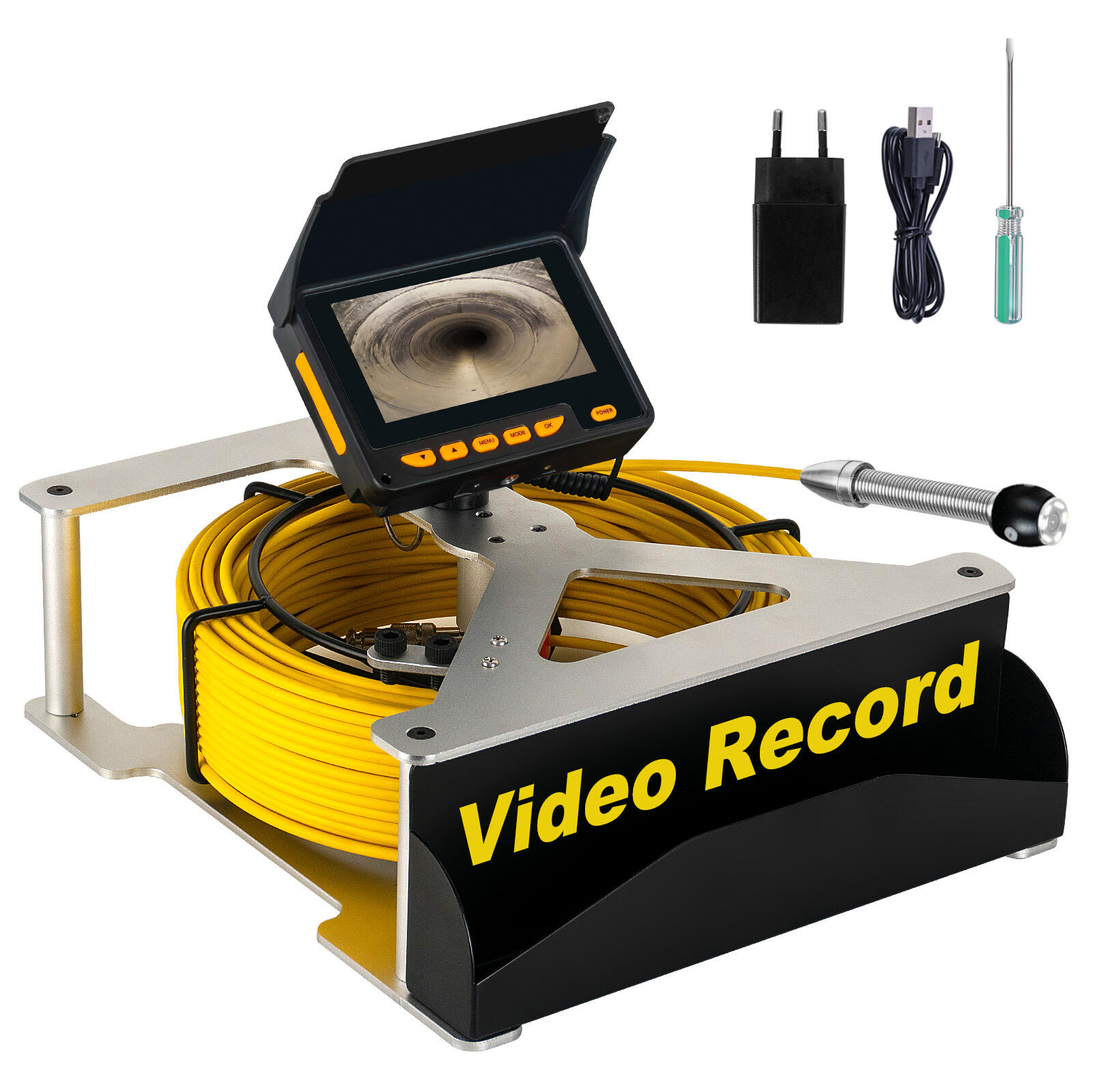
Professional plumbing inspections have revolutionized with the advent of advanced pipe camera technology. Whether you're a seasoned plumber, facility manager, or property inspector, selecting the right pipe camera can dramatically improve your diagnostic capabilities and operational efficiency. This comprehensive guide explores everything you need to know about choosing the perfect inspection equipment for your specific requirements and budget constraints.
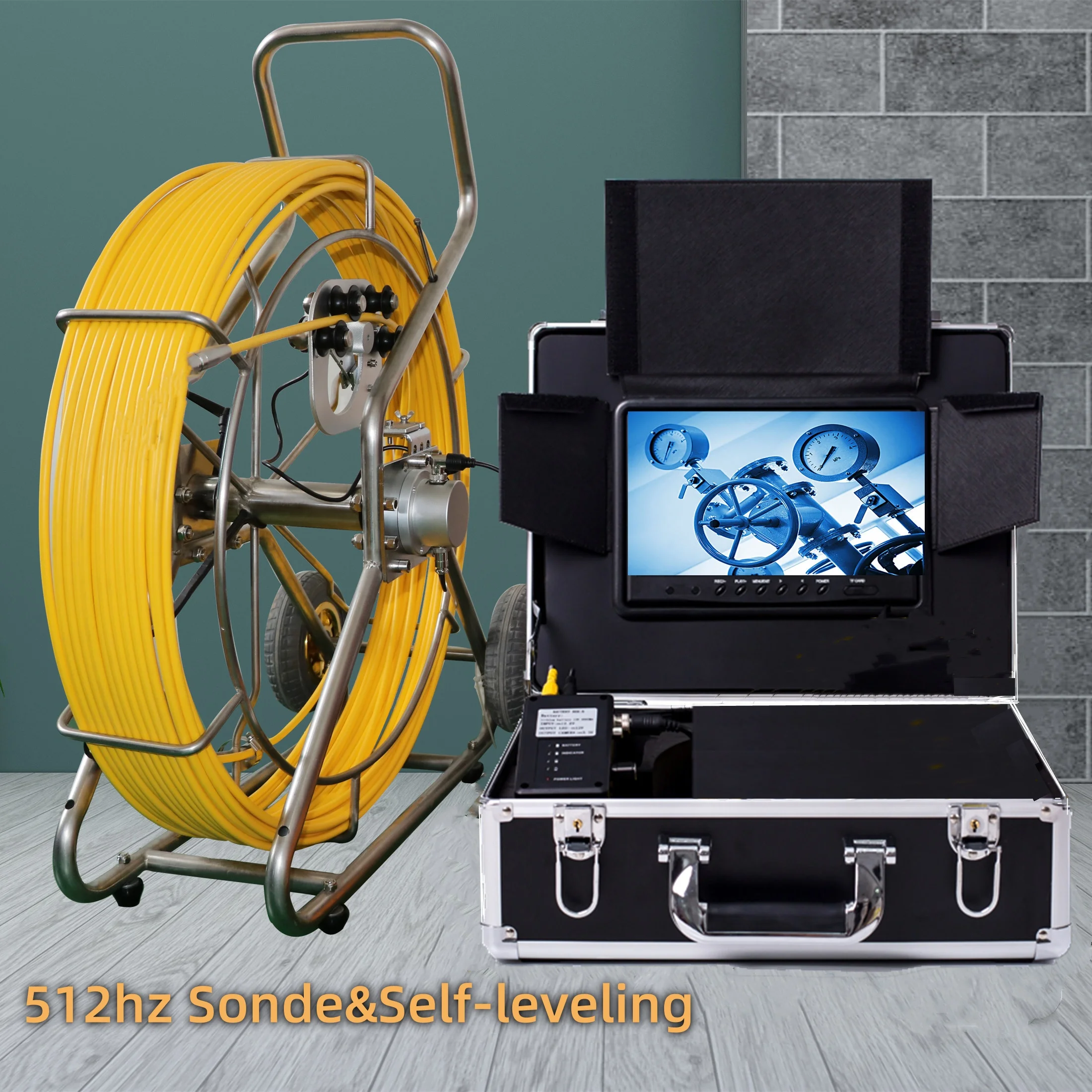
Modern sewer inspection systems offer unprecedented visibility into underground infrastructure, enabling professionals to identify blockages, cracks, root intrusions, and structural defects without costly excavation. The investment in quality inspection equipment pays dividends through accurate diagnostics, reduced labor costs, and enhanced customer satisfaction. Understanding the key features and specifications will help you make an informed purchasing decision that serves your business for years to come.
Essential Features to Consider
Camera Resolution and Image Quality
High-definition imaging capabilities form the foundation of effective pipe inspections. Modern pipe camera systems typically offer 1080p resolution, providing crystal-clear visuals that reveal even minor defects and irregularities. The camera head size also plays a crucial role, with smaller diameters allowing access to tight spaces while maintaining image clarity. Professional-grade systems often feature adjustable LED lighting to illuminate dark pipe interiors effectively.
Image stabilization technology ensures smooth footage even when navigating through curved or uneven pipe sections. Some advanced models include self-leveling capabilities that automatically orient the camera head for optimal viewing angles. This feature proves invaluable when documenting inspection findings for client reports or insurance claims. Consider systems with recording capabilities to capture video evidence and still images during inspections.
Cable Length and Durability
Cable specifications directly impact the scope and efficiency of your inspections. Professional pipe camera systems typically offer cable lengths ranging from 100 to 300 meters, accommodating various project requirements. The cable construction should feature reinforced materials that resist kinking, crushing, and chemical damage from harsh sewer environments. Fiberglass rods provide excellent flexibility while maintaining the strength needed for long-distance pushes.
Consider the cable diameter carefully, as thinner cables navigate tight bends more easily but may sacrifice durability. Many professional systems include graduated markings on the cable to accurately measure distances and locate problem areas within the pipe network. Some advanced models feature built-in sondes or transmitters that allow above-ground locating equipment to pinpoint the camera's exact position for targeted repairs or excavations.
Display and User Interface Considerations
Screen Size and Visibility
The display monitor serves as your window into the underground world, making screen quality a critical factor in your pipe camera selection. Professional systems typically feature screens ranging from 7 to 10 inches, with larger displays providing better detail visibility in various lighting conditions. High-brightness screens perform better in outdoor environments where ambient light can interfere with image clarity.
Anti-glare coatings and adjustable brightness controls enhance usability across different working conditions. Some systems offer articulating or detachable monitors that can be positioned for optimal viewing angles during inspections. Consider displays with touch-screen interfaces for intuitive operation, though physical buttons may prove more reliable in dirty or wet environments typical of plumbing work.
Control Functions and Navigation
User-friendly controls streamline the inspection process and reduce operator fatigue during extended use. Look for systems with ergonomic remote controls featuring clearly labeled buttons for essential functions like recording, LED adjustment, and image capture. Advanced pipe camera models include programmable function keys that can be customized for frequently used operations.
Real-time distance counters help track cable deployment and accurately locate problem areas within the pipe system. Some systems offer on-screen measurement tools that calculate pipe diameters and defect sizes directly from the video feed. Digital zoom capabilities allow closer examination of specific areas without physically moving the camera head, while pan and tilt functions provide comprehensive viewing angles in larger diameter pipes.
Waterproofing and Environmental Protection
IP Rating Standards
Waterproofing represents a fundamental requirement for any pipe camera system operating in sewer and drain environments. Look for equipment with IP68 ratings, indicating complete protection against dust ingress and continuous submersion in water. The camera head must withstand immersion at depths encountered in typical plumbing applications while maintaining full functionality and image quality.
Sealed cable connections prevent water infiltration that could damage internal electronics or compromise image transmission. Quality manufacturers typically pressure-test their systems to ensure reliable performance under challenging conditions. Consider systems with replaceable cable heads, as this component experiences the most wear and potential damage during regular use.
Temperature and Chemical Resistance
Professional pipe camera systems must operate reliably across a wide temperature range, from freezing conditions to heated industrial environments. Chemical resistance becomes crucial when inspecting systems carrying corrosive substances or when working in contaminated environments. Stainless steel and specialized polymer housings provide excellent protection against chemical attack and corrosion.
Some systems include temperature sensors that monitor operating conditions and alert operators to potentially damaging environments. Anti-fog coatings on camera lenses prevent condensation buildup that could obscure visibility during temperature transitions. Consider systems with backup protective measures, such as automatic cable retraction if dangerous conditions are detected.
Advanced Features and Technology
Recording and Documentation Capabilities
Modern pipe camera systems offer sophisticated recording features that streamline report generation and client communication. Built-in storage allows recording of entire inspections with timestamp and location data embedded in the video files. Some systems support external storage devices for expanded capacity and easy file transfer to office computers for processing and archiving.
Annotation tools enable real-time marking and commenting on recorded footage, creating comprehensive inspection reports directly in the field. Advanced systems include voice recording capabilities that capture operator observations and client discussions during the inspection process. Cloud connectivity features allow immediate upload of inspection data for remote access by office staff or clients.
Locating and Measurement Tools
Integrated locating technology transforms your pipe camera into a comprehensive diagnostic tool. Built-in sondes or transmitters work with above-ground receivers to pinpoint the exact location of problems identified during inspection. This capability proves invaluable for targeted excavation and repair planning, reducing unnecessary digging and associated costs.
Precision measurement tools calculate pipe diameters, joint spacing, and defect dimensions directly from the video feed. Some advanced systems include laser measurement guides that project reference points for accurate sizing of cracks, blockages, and other irregularities. GPS integration records location coordinates for each inspection point, creating detailed maps of underground infrastructure.
Budget and ROI Considerations
Initial Investment vs Long-term Value
Pipe camera pricing varies significantly based on features, build quality, and manufacturer reputation. Entry-level systems suitable for basic drain inspections start around $2,000, while professional-grade equipment with advanced features can exceed $15,000. Consider your typical inspection requirements and frequency of use when evaluating the cost-benefit ratio of different systems.
Higher-end systems typically offer better durability, longer warranty coverage, and more comprehensive support services. The reduced downtime and repair costs often justify the additional upfront investment for professional contractors performing regular inspections. Factor in training costs, as more sophisticated systems may require additional operator education to maximize their capabilities.
Maintenance and Operating Costs
Ongoing maintenance represents a significant portion of total ownership costs for pipe camera systems. Regular cleaning, cable inspection, and camera head replacement contribute to operational expenses. Systems with user-replaceable components reduce service costs and minimize downtime when repairs are needed.
Consider the availability and cost of replacement parts when selecting a pipe camera system. Established manufacturers typically maintain better parts inventory and support networks compared to newer or overseas suppliers. Extended warranty options provide additional protection for your investment, though evaluate coverage terms carefully to understand what repairs and replacements are included.
Selecting the Right System for Your Needs
Application-Specific Requirements
Different applications demand specific pipe camera capabilities and configurations. Residential drain cleaning services typically require compact, portable systems with sufficient cable length for typical home layouts. Commercial plumbing contractors need more robust equipment capable of handling larger diameter pipes and longer inspection runs. Municipal utilities often prioritize advanced documentation features and integration with existing asset management systems.
Consider the typical pipe sizes you'll encounter, as camera head diameter must match the smallest pipes you need to inspect. Some systems offer interchangeable camera heads for different applications, providing versatility for contractors serving diverse markets. Specialized applications like industrial process piping may require explosion-proof equipment or enhanced chemical resistance beyond standard commercial grades.
Training and Support Considerations
Comprehensive training ensures operators can maximize their pipe camera system's capabilities while avoiding costly mistakes or equipment damage. Many manufacturers offer hands-on training programs that cover proper operation, maintenance procedures, and basic troubleshooting techniques. Online resources and video tutorials provide ongoing support for new operators and refresher training for experienced users.
Technical support availability becomes crucial when equipment problems occur in the field. Look for manufacturers offering responsive phone support, online chat assistance, and local service networks. Some companies provide loaner equipment during warranty repairs, minimizing business interruption when your primary system requires service.
FAQ
What pipe sizes can typical camera systems inspect
Most professional pipe camera systems can inspect pipes ranging from 2 inches to 12 inches in diameter, though specialized equipment extends this range in both directions. The camera head size determines the minimum pipe diameter you can inspect, while cable strength and system capabilities affect maximum diameter performance. Always verify compatibility with your specific pipe sizes before purchasing.
How often should pipe camera equipment be calibrated
Professional pipe camera systems should undergo calibration annually or after major repairs to ensure accurate measurements and optimal performance. Distance counters, measurement tools, and locating equipment require periodic verification against known standards. Some manufacturers provide calibration services, while others offer guidance for in-house calibration procedures using certified reference tools.
What warranty coverage should I expect from quality manufacturers
Reputable pipe camera manufacturers typically offer warranties ranging from one to three years on major components, with shorter coverage periods for wear items like camera heads and cables. Comprehensive warranties cover defects in materials and workmanship while excluding damage from misuse or normal wear. Extended warranty options often provide additional years of coverage for a fraction of the original equipment cost.
Can pipe camera systems work in freezing temperatures
Professional-grade pipe camera systems are designed to operate in temperatures ranging from -10°F to 120°F, though performance may be affected at extreme temperatures. Cold weather can reduce battery life and affect LCD screen responsiveness, while extreme heat may trigger protective shutdowns. Some manufacturers offer cold-weather packages with heated displays and enhanced insulation for harsh climate applications.