 EN
EN


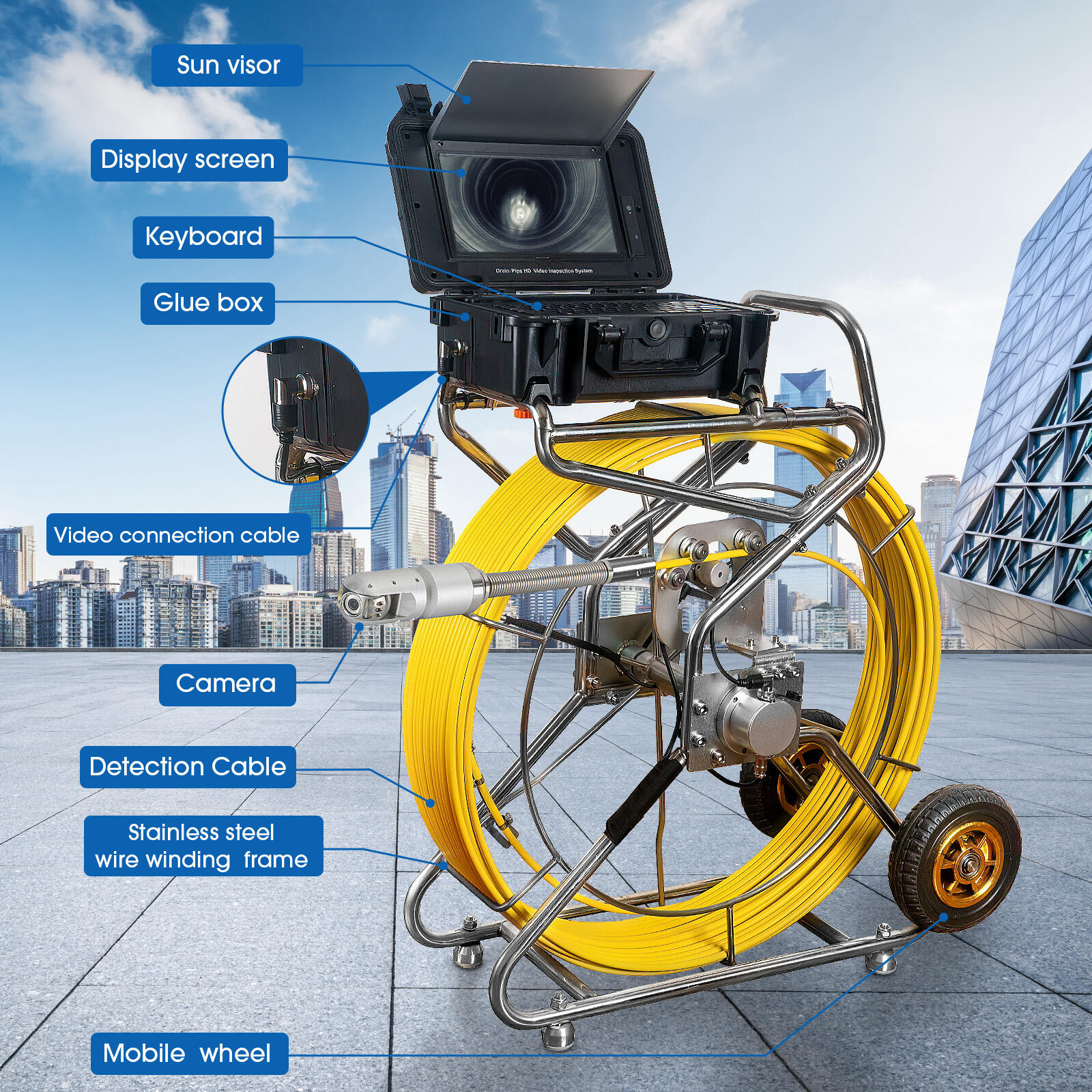
Professional plumbers and technicians rely heavily on pipe camera systems for accurate diagnostics and efficient problem-solving. However, even the most reliable pipe camera equipment can encounter operational challenges that disrupt workflow and compromise inspection quality. Understanding these common issues and implementing quick solutions ensures minimal downtime and maintains inspection accuracy across various applications.
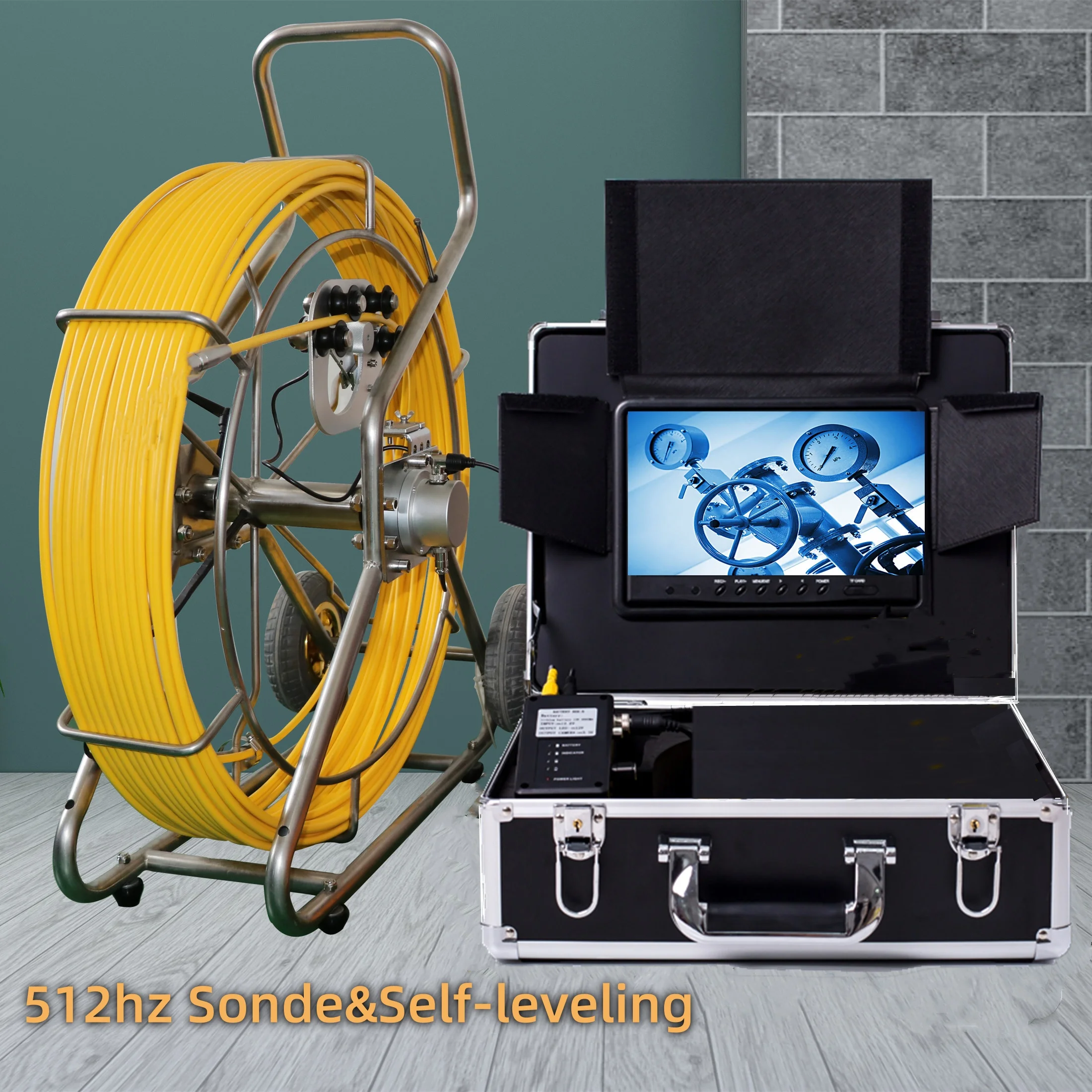
Modern pipe camera technology has revolutionized pipeline inspection processes, enabling professionals to identify blockages, cracks, and structural defects without invasive excavation methods. Despite technological advances, operators frequently encounter technical difficulties that require immediate attention. Recognizing symptoms early and applying appropriate remedies prevents costly equipment damage and project delays.
The complexity of pipe camera systems means multiple components can malfunction simultaneously, creating cascading problems that affect overall performance. Cable management, display functionality, lighting systems, and waterproofing mechanisms all require regular maintenance and troubleshooting expertise. Professional operators benefit significantly from comprehensive problem identification skills and systematic repair approaches.
Display and Screen Issues
Poor Image Quality and Resolution Problems
Image quality deterioration represents one of the most frequent pipe camera malfunctions encountered during field operations. Blurry, pixelated, or distorted visuals often stem from camera head damage, lens contamination, or internal component degradation. Regular cleaning protocols and protective handling practices significantly reduce these occurrences while maintaining optimal visual clarity throughout extended inspection sessions.
Resolution problems typically manifest as grainy footage or reduced detail visibility, particularly when examining small cracks or subtle pipe defects. These issues commonly result from compression settings, transmission interference, or aging camera sensors. Adjusting recording parameters and ensuring proper cable connections often restores original image quality without requiring professional repair services.
Environmental factors also contribute to display problems, especially in challenging pipeline conditions with excessive debris or chemical exposure. Protective measures include using appropriate camera head shields and implementing regular calibration procedures to maintain consistent image standards across different inspection environments.
Screen Flickering and Power Fluctuations
Screen flickering indicates potential electrical problems within the pipe camera system, often caused by loose connections, battery degradation, or power supply inconsistencies. Immediate troubleshooting involves checking all cable connections, testing battery charge levels, and examining power adapter functionality to isolate the root cause effectively.
Power fluctuations create intermittent operation patterns that disrupt inspection continuity and potentially damage sensitive electronic components. These problems frequently occur due to inadequate grounding, voltage irregularities, or internal circuitry faults requiring systematic diagnostic approaches and component-level testing procedures.
Preventive maintenance includes regular power system inspections, battery replacement schedules, and proper storage practices that minimize electrical component stress. Professional technicians recommend maintaining backup power sources and implementing surge protection measures for extended field operations.
Cable and Connectivity Challenges
Cable Tangling and Management Issues
Cable management problems plague pipe camera operations, particularly during extended inspections requiring significant cable deployment. Tangled cables create operational delays, increase wear rates, and potentially damage internal wiring through excessive tension and twisting forces. Proper handling techniques and systematic deployment procedures prevent most cable-related complications.
Professional operators develop specific cable management strategies including controlled feeding rates, regular tension monitoring, and appropriate storage methods between inspections. These practices extend cable lifespan significantly while reducing downtime associated with untangling operations and emergency repairs during critical inspection periods.
Advanced pipe camera systems incorporate anti-kink technology and reinforced cable construction that minimizes tangling risks. However, operator training remains essential for maximizing equipment longevity and maintaining consistent inspection performance across diverse pipeline applications.
Signal Loss and Transmission Problems
Signal degradation affects pipe camera functionality through reduced image quality, intermittent display problems, or complete transmission failure. These issues commonly result from cable damage, connector corrosion, or electromagnetic interference from nearby equipment. Systematic troubleshooting protocols help identify specific causes and implement appropriate corrective measures quickly.
Transmission problems often manifest as delayed response times, frozen displays, or audio synchronization issues during inspection recordings. Environmental factors including moisture infiltration, temperature extremes, and chemical exposure contribute to signal reliability problems requiring immediate attention and protective countermeasures.
Regular connector maintenance, cable inspection routines, and proper environmental protection significantly reduce transmission-related failures. Professional technicians emphasize the importance of using appropriate cable types for specific applications and maintaining adequate signal strength throughout extended inspection distances.
Camera Head and Lighting Malfunctions
LED Light Failure and Illumination Issues
Inadequate illumination severely compromises pipe camera inspection effectiveness, making defect identification difficult or impossible. LED light failures typically result from moisture infiltration, electrical shorts, or component aging that reduces brightness levels progressively over time. Regular lighting system maintenance prevents unexpected failures during critical inspection operations.
Uneven lighting distribution creates shadows and blind spots that obscure important pipeline details, particularly in larger diameter pipes or complex junction areas. These problems often stem from damaged reflectors, misaligned LED arrays, or inadequate power distribution to lighting components requiring professional adjustment or replacement procedures.
Advanced pipe camera systems feature adjustable lighting controls and backup illumination options that maintain consistent visibility throughout various inspection conditions. Operators benefit from understanding optimal lighting settings for different pipe materials, diameters, and environmental conditions encountered during routine inspections.
Camera Head Positioning and Control Problems
Camera head positioning difficulties affect inspection accuracy and operator efficiency, particularly when navigating complex pipeline configurations or examining specific defect areas. Mechanical problems including worn gears, damaged actuators, or control system malfunctions require immediate attention to maintain inspection quality standards.
Self-leveling mechanisms represent critical pipe camera features that ensure consistent image orientation throughout inspection processes. Malfunctions in these systems create disorienting footage and complicate defect documentation procedures, requiring calibration adjustments or component replacement to restore proper functionality.
Regular lubrication schedules, protective handling practices, and systematic calibration procedures extend camera head component lifespan while maintaining precise positioning capabilities. Professional operators develop specific techniques for managing positioning systems across different pipeline applications and environmental conditions.
Waterproofing and Environmental Protection
Seal Degradation and Water Ingress
Waterproofing integrity remains essential for pipe camera reliability, particularly during sewer and drain inspections involving direct water contact. Seal degradation allows moisture infiltration that damages electronic components, creates corrosion problems, and eventually leads to complete system failure if left unaddressed.
Regular seal inspection routines help identify early degradation signs including discoloration, cracking, or hardening that compromises waterproof effectiveness. Preventive replacement schedules and proper storage practices significantly extend seal lifespan while maintaining reliable environmental protection throughout equipment operational life.
Professional-grade pipe camera systems incorporate multiple sealing layers and pressure relief mechanisms that provide enhanced protection against water ingress. However, operator vigilance regarding seal condition and appropriate maintenance procedures remains crucial for preventing expensive water damage repairs.
Chemical Resistance and Corrosion Prevention
Chemical exposure represents a significant threat to pipe camera equipment longevity, particularly in industrial applications involving aggressive substances or corrosive environments. Protective coatings, resistant materials, and appropriate cleaning protocols help minimize chemical damage while extending equipment operational lifespan.
Corrosion prevention requires understanding specific chemical hazards encountered in different pipeline applications and implementing appropriate protective measures. Regular equipment inspection, prompt cleaning after chemical exposure, and using compatible materials prevent accelerated deterioration and maintain inspection accuracy.
Advanced pipe camera designs incorporate chemical-resistant components and protective barriers that withstand harsh environmental conditions. Professional operators benefit from understanding material compatibility requirements and implementing comprehensive protection strategies for challenging inspection environments.
Power System and Battery Issues
Battery Performance and Charging Problems
Battery reliability directly impacts pipe camera operational efficiency and inspection continuity. Performance degradation typically manifests as reduced operating time, inconsistent power delivery, or complete charge retention failure requiring immediate battery replacement or system evaluation procedures.
Charging system malfunctions prevent proper battery maintenance and create operational scheduling difficulties during extended inspection projects. These problems commonly result from damaged charging ports, faulty adapters, or internal circuitry issues requiring professional diagnostic evaluation and repair services.
Implementing proper battery care practices including appropriate charging cycles, temperature control, and storage procedures significantly extends battery lifespan while maintaining consistent power delivery. Professional operators maintain backup battery supplies and charging equipment to prevent inspection delays caused by power system failures.
Power Distribution and Electrical Safety
Electrical safety considerations become paramount when operating pipe camera equipment in wet environments or confined spaces. Proper grounding procedures, circuit protection devices, and regular electrical system inspections prevent dangerous situations while maintaining reliable equipment operation throughout inspection activities.
Power distribution problems affect multiple pipe camera components simultaneously, creating complex troubleshooting challenges that require systematic diagnostic approaches. Understanding electrical system architecture and component interdependencies helps operators identify root causes and implement effective repair strategies quickly.
Regular electrical system maintenance including connection cleaning, insulation testing, and component inspection prevents unexpected failures while ensuring operator safety during equipment operation. Professional technicians emphasize the importance of following manufacturer safety guidelines and implementing appropriate protective measures.
FAQ
How often should pipe camera equipment undergo professional maintenance
Professional maintenance schedules depend on usage frequency and environmental conditions, but most manufacturers recommend comprehensive inspections every six months. High-usage commercial operations may require monthly maintenance, while occasional residential users can extend intervals to annually. Regular maintenance prevents major failures and extends equipment lifespan significantly.
What causes most pipe camera failures in the field
Cable damage represents the leading cause of pipe camera failures, accounting for approximately 40% of service calls. Improper handling, excessive tension, and environmental exposure create cable problems that affect system functionality. Implementing proper cable management techniques and operator training significantly reduces these failure rates.
Can pipe camera systems be repaired in the field
Many common pipe camera problems can be addressed through field repairs including cable connections, battery replacement, and basic calibration procedures. However, complex electronic issues, waterproofing repairs, and component replacement typically require professional service facilities with specialized equipment and trained technicians.
How do environmental conditions affect pipe camera performance
Temperature extremes, chemical exposure, and moisture levels significantly impact pipe camera reliability and performance. Cold conditions reduce battery life and affect display clarity, while excessive heat can damage electronic components. Chemical environments accelerate corrosion and seal degradation, requiring enhanced protective measures and maintenance frequencies.