 EN
EN


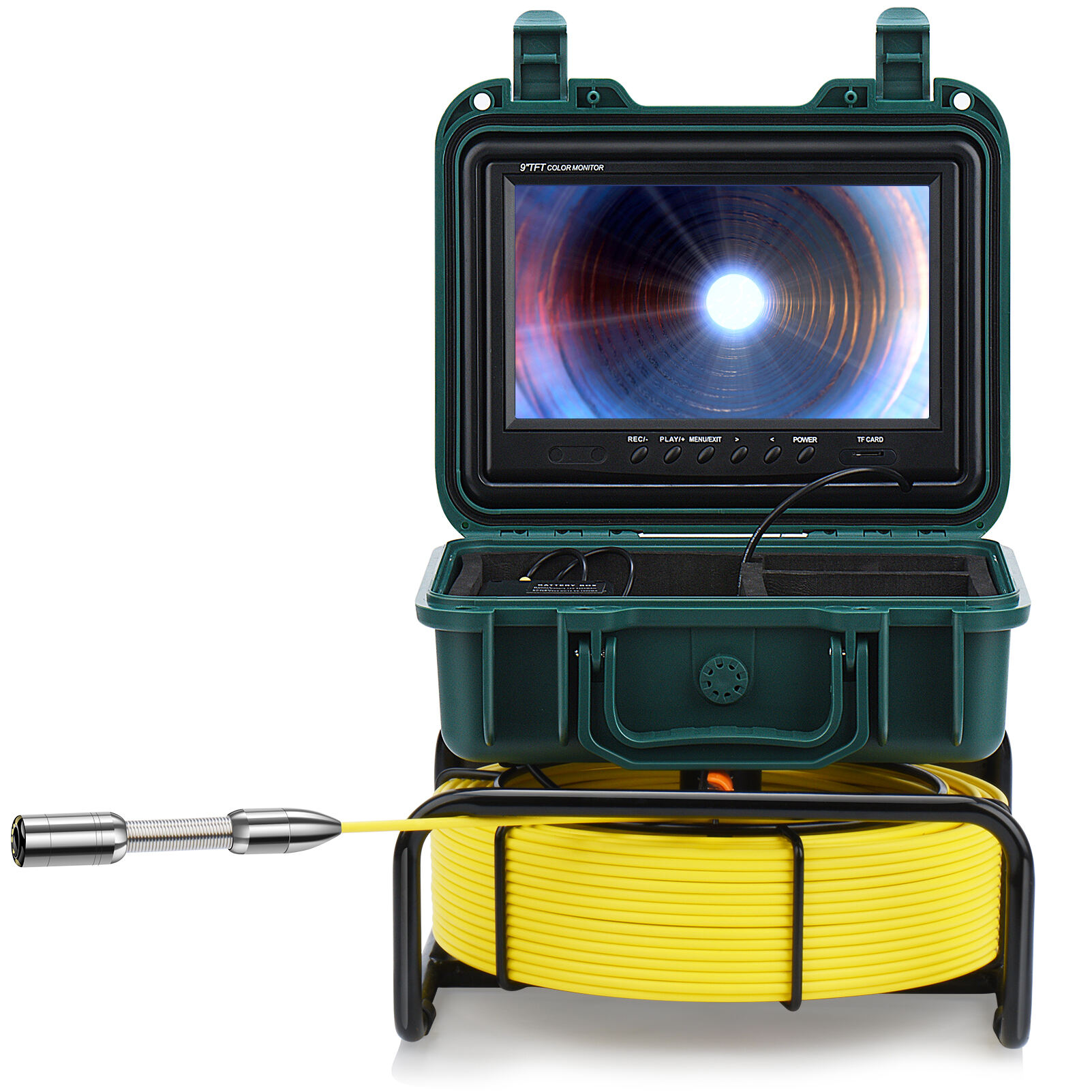
Investing in a pipe camera system represents a significant financial decision that can dramatically transform your inspection business operations and profitability. The key to maximizing return on investment lies in making informed purchasing decisions that align with your specific operational needs, budget constraints, and long-term business objectives. Understanding the critical factors that influence pipe camera performance, durability, and cost-effectiveness ensures you select equipment that delivers measurable value over its operational lifespan.
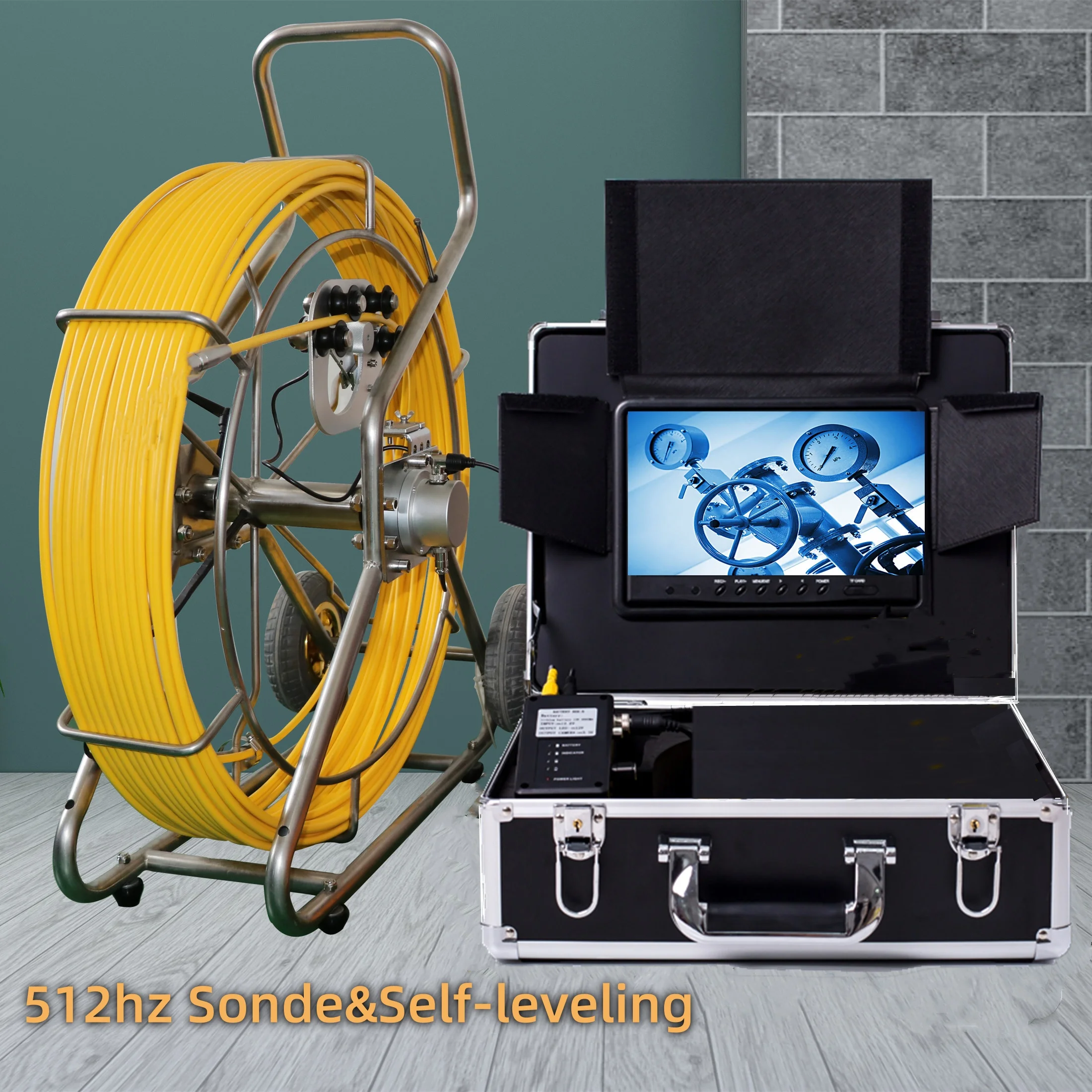
Smart pipe camera investments require careful analysis of technical specifications, operational requirements, and total cost of ownership calculations. The most successful contractors and facility managers focus on equipment that provides reliable performance, reduces operational downtime, and delivers clear diagnostic capabilities that justify the initial investment through increased efficiency and customer satisfaction. Strategic purchasing decisions consider not only upfront costs but also maintenance requirements, warranty coverage, and the potential for increased service revenue generation.
Understanding Pipe Camera Investment Fundamentals
Initial Cost Analysis and Budget Planning
Effective pipe camera investment begins with comprehensive budget analysis that extends beyond the initial purchase price. Professional-grade pipe camera systems typically range from several thousand to tens of thousands of dollars, depending on cable length, camera resolution, recording capabilities, and additional diagnostic features. Smart investors evaluate their current service volume, average job pricing, and projected growth to determine the appropriate investment level that supports business expansion without overextending financial resources.
Budget planning should incorporate financing options, lease arrangements, and potential tax advantages associated with equipment purchases. Many businesses benefit from spreading costs over time through equipment financing, which preserves working capital while providing immediate access to advanced pipe camera technology. Consider seasonal cash flow patterns and ensure that equipment payments align with projected revenue increases from expanded service capabilities.
Total Cost of Ownership Calculations
Maximizing pipe camera ROI requires understanding total ownership costs over the equipment's operational lifespan. These calculations include initial purchase price, training costs, maintenance expenses, replacement parts, software updates, and potential downtime costs. High-quality pipe camera systems often justify higher upfront investments through reduced maintenance requirements, longer operational life, and superior reliability that minimizes costly service interruptions.
Operational cost analysis should factor in labor efficiency gains achieved through advanced pipe camera features such as automated reporting, GPS tracking, and integrated measurement tools. These capabilities reduce inspection time, improve report accuracy, and enable technicians to complete more jobs per day, directly impacting revenue generation potential and overall investment returns.
Technical Specifications That Drive ROI
Camera Resolution and Image Quality Impact
High-definition pipe camera systems deliver superior diagnostic capabilities that justify premium pricing through enhanced problem identification accuracy and professional reporting capabilities. 1080p resolution cameras provide crystal-clear imagery that enables precise defect identification, accurate measurements, and compelling customer presentations that support higher service pricing. Investing in advanced camera technology pays dividends through improved customer satisfaction and reduced callback rates.
Image quality directly affects inspection efficiency and diagnostic accuracy, reducing the likelihood of missed problems that could result in warranty issues or customer dissatisfaction. Superior camera resolution enables confident identification of hairline cracks, joint separations, root intrusion, and pipe deterioration that lower-quality systems might miss, protecting your professional reputation and reducing liability exposure.
Cable Length and Inspection Capability Range
Pipe camera cable length significantly impacts service versatility and revenue generation potential across different market segments. Systems with 200-meter cables enable inspection of extensive commercial and municipal pipeline systems, opening opportunities for higher-value contracts that smaller capacity equipment cannot accommodate. Longer cable systems typically command premium pricing and access to lucrative industrial inspection markets.
Cable quality and construction affect system reliability and operational costs over time. Self-leveling camera heads and robust cable construction minimize wear and maintenance requirements while ensuring consistent image quality throughout extended inspections. pipe camera systems with superior cable engineering deliver better long-term value through reduced replacement costs and improved operational uptime.
Revenue Generation and Business Growth Strategies
Service Pricing and Market Positioning
Advanced pipe camera systems enable premium service pricing through superior diagnostic capabilities and professional presentation features. High-quality video documentation, detailed reporting, and precise measurement capabilities justify higher inspection fees and support value-based pricing strategies that emphasize diagnostic accuracy over time-based billing. Professional-grade equipment builds credibility with commercial customers who require detailed documentation for insurance claims, construction planning, and regulatory compliance.
Market positioning benefits significantly from pipe camera technology that supports comprehensive inspection services including condition assessment, defect mapping, and maintenance planning. These value-added services command higher margins and create ongoing customer relationships that generate recurring revenue opportunities through regular inspection schedules and preventive maintenance programs.
Customer Retention and Referral Generation
Reliable pipe camera systems build customer confidence through consistent, professional results that encourage repeat business and referral generation. Advanced features such as GPS tracking, timestamp documentation, and integrated reporting create comprehensive inspection records that customers value for asset management and regulatory compliance purposes. This professional approach differentiates your services from competitors using basic equipment.
Customer satisfaction directly correlates with equipment reliability and diagnostic accuracy, making pipe camera quality a critical factor in business growth and reputation management. Systems that consistently deliver clear imagery and accurate assessments build trust and credibility that translates into long-term customer relationships and positive word-of-mouth marketing that reduces customer acquisition costs.
Operational Efficiency and Cost Reduction Benefits
Inspection Speed and Productivity Gains
Modern pipe camera systems dramatically improve inspection efficiency through features such as automated distance tracking, integrated recording capabilities, and streamlined operation interfaces. These productivity enhancements enable technicians to complete more inspections per day while maintaining high-quality standards, directly improving revenue per technician and overall business profitability. Time savings compound over thousands of inspections annually.
Operational efficiency gains extend beyond inspection speed to include reduced setup time, simplified operation procedures, and integrated reporting capabilities that eliminate manual data entry and transcription errors. These improvements reduce labor costs while improving service quality and customer satisfaction, creating a positive feedback loop that supports sustainable business growth and increased market share.
Maintenance and Reliability Considerations
Pipe camera reliability directly impacts operational costs and revenue stability through minimized downtime and reduced repair expenses. Industrial-grade equipment built for demanding environments typically offers superior reliability and longer service life, justifying higher initial investments through reduced maintenance costs and improved operational availability. Waterproof IP68 ratings and robust construction protect equipment investments in challenging working conditions.
Preventive maintenance programs and manufacturer support services significantly impact long-term ownership costs and equipment reliability. Comprehensive warranty coverage, readily available replacement parts, and responsive technical support minimize operational disruptions and protect revenue streams from equipment failures that could impact customer satisfaction and business reputation.
Long-Term Investment Strategy and Future Planning
Technology Evolution and Upgrade Pathways
Smart pipe camera investments consider technology evolution trends and upgrade pathways that preserve equipment value over time. Systems with modular designs and software update capabilities adapt to changing industry requirements and maintain competitive advantages as technology advances. Forward-thinking investments in expandable platforms provide flexibility for future capability additions without complete system replacement.
Emerging technologies such as artificial intelligence integration, cloud-based reporting, and advanced analytics will likely influence future pipe camera development. Investing in systems from manufacturers committed to ongoing innovation and software development ensures continued relevance and capability enhancement throughout the equipment's operational lifespan.
Market Expansion and Service Diversification
Advanced pipe camera capabilities enable service diversification into specialized markets such as industrial process piping, storm water management, and infrastructure assessment services. These expanded capabilities open new revenue streams and reduce dependency on traditional residential drain cleaning services, supporting business stability and growth through market diversification strategies.
Geographic expansion opportunities increase with pipe camera systems that support diverse inspection requirements and operational environments. Portable, reliable equipment enables service area expansion and supports mobile inspection services that can command premium pricing in underserved markets or specialized application areas.
FAQ
What factors most significantly impact pipe camera ROI calculations?
The most significant ROI factors include initial equipment cost, operational efficiency gains, service pricing improvements, maintenance expenses, and equipment reliability. High-quality pipe camera systems typically justify higher upfront costs through improved productivity, reduced downtime, premium service pricing capabilities, and longer operational lifespans that spread investment costs over more jobs and extended time periods.
How do advanced pipe camera features translate into measurable business benefits?
Advanced features such as HD resolution, self-leveling cameras, GPS tracking, and automated reporting directly improve inspection quality, reduce completion time, and enable premium pricing strategies. These capabilities translate into measurable benefits through increased daily job capacity, higher average service pricing, improved customer satisfaction scores, and reduced callback rates that protect profit margins and business reputation.
What operational cost considerations affect long-term pipe camera investment returns?
Key operational cost factors include maintenance requirements, replacement part availability, warranty coverage, training expenses, and software update costs. Systems with robust construction, comprehensive warranty support, and readily available parts typically deliver better long-term returns through minimized downtime, predictable maintenance costs, and extended service life that maximizes revenue generation over the investment period.
How can businesses measure and track pipe camera investment performance over time?
Effective performance tracking involves monitoring metrics such as jobs completed per day, average service pricing, customer satisfaction ratings, equipment downtime, maintenance costs, and revenue per technician. Establishing baseline measurements before equipment purchase and tracking improvements over time provides clear ROI documentation that supports future investment decisions and demonstrates equipment value to stakeholders and financial partners.
Table of Contents
- Understanding Pipe Camera Investment Fundamentals
- Technical Specifications That Drive ROI
- Revenue Generation and Business Growth Strategies
- Operational Efficiency and Cost Reduction Benefits
- Long-Term Investment Strategy and Future Planning
-
FAQ
- What factors most significantly impact pipe camera ROI calculations?
- How do advanced pipe camera features translate into measurable business benefits?
- What operational cost considerations affect long-term pipe camera investment returns?
- How can businesses measure and track pipe camera investment performance over time?