 EN
EN


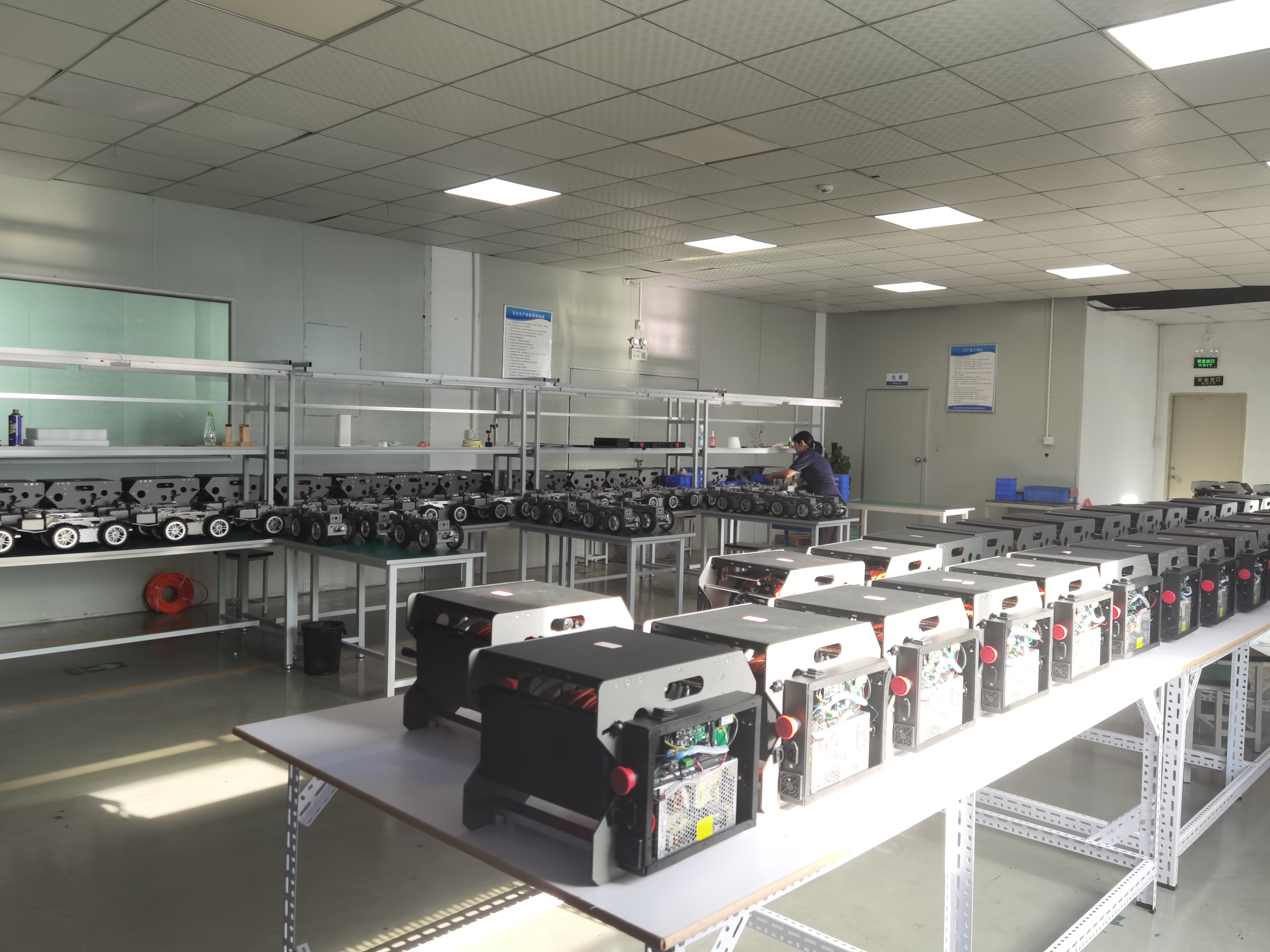
A pipe inspection camera robot is one of the most valuable tools available for pipeline maintenance professionals today. Whether you are assessing municipal drainage systems, industrial pipelines, or residential plumbing networks, a pipe inspection camera robot delivers real-time visual data that manual inspection simply cannot match. However, like any advanced piece of field equipment, a pipe inspection camera robot can present operational challenges that, if left unresolved, reduce inspection accuracy and overall productivity. Understanding these problems in advance allows operators to maintain peak performance from every deployment.
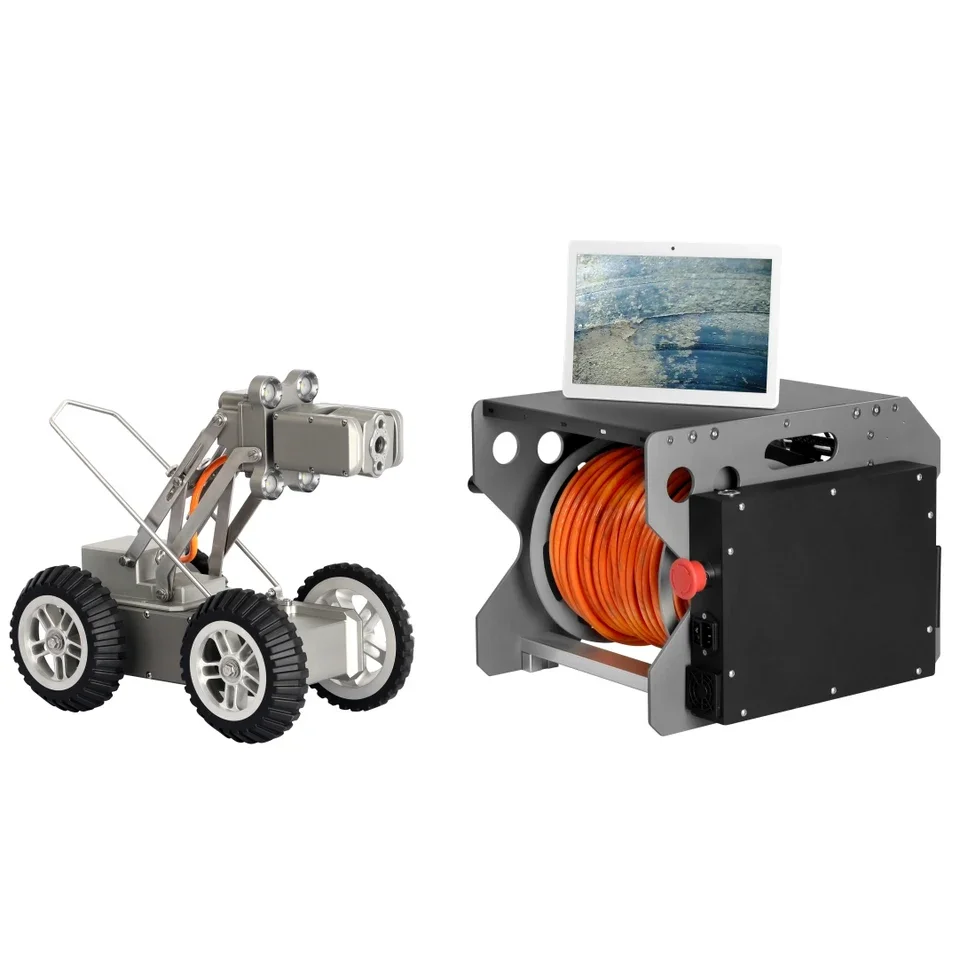
This article addresses the most frequently reported issues with a pipe inspection camera robot and provides practical, experience-based solutions for each. From image quality degradation to mobility failures and signal loss, every problem covered here directly impacts how effectively a pipe inspection camera robot performs in real-world conditions. By applying these solutions, operators can extend equipment lifespan, reduce downtime, and produce more reliable inspection reports across a wide range of pipe diameters and environments.
Image Quality Problems and How to Fix Them
Blurry or Distorted Footage from a Pipe Inspection Camera Robot
One of the most common complaints operators report about a pipe inspection camera robot is degraded image quality. Blurry or distorted footage makes defect identification difficult and can lead to inaccurate reporting. In most cases, this problem originates from a dirty camera lens. Debris, grease, and biofilm accumulate quickly inside active pipelines, coating the lens of a pipe inspection camera robot within minutes of deployment. The immediate solution is to clean the lens thoroughly before and after every inspection run using a non-abrasive cloth and a mild cleaning agent approved for optical surfaces.
Distortion can also arise from lens damage caused by impacts inside narrow or corrugated pipe sections. A pipe inspection camera robot operating in tight bends or deteriorated pipes is particularly vulnerable. Replacing the camera module with a high-resolution unit rated for the specific pipe diameter you are inspecting will resolve persistent distortion issues. Always verify that the replacement module supports the required field of view and lighting intensity for the application.
Poor Lighting Conditions Inside the Pipeline
Inadequate LED illumination is another factor that causes a pipe inspection camera robot to produce dark, unusable footage. Older LED arrays lose brightness over time, especially when exposed to moisture and chemical residues common in sewer environments. Regularly inspect the LED brightness levels of your pipe inspection camera robot before deployment. If light output has diminished noticeably, replace the LED ring promptly. Upgrading to a pipe inspection camera robot with adjustable LED brightness gives operators the flexibility to adapt lighting to different pipe conditions without compromising image clarity.
Mobility and Navigation Failures
Crawler Drive System Malfunctions in a Pipe Inspection Camera Robot
Mobility issues are among the most disruptive problems a pipe inspection camera robot can experience in the field. When the crawler drive system stalls or loses traction, forward progress stops entirely, and recovery can be time-consuming. The most frequent cause is debris entanglement around the drive wheels or tracks of the pipe inspection camera robot. Fine sediment, root fibers, and fibrous waste material commonly wrap around the wheel axles, increasing resistance until the motor stalls. Regular preventive cleaning of the drive mechanism after each use significantly reduces this risk.
Another contributing factor to drive failure is insufficient wheel traction on slick or wet pipe surfaces. A pipe inspection camera robot designed with adjustable wheel configurations or multiple track options allows operators to match the crawler setup to the specific pipe material and condition. Selecting the correct wheel type for smooth plastic pipes versus rough concrete pipes improves traction and reduces the likelihood of the pipe inspection camera robot becoming stuck mid-inspection.
Getting Stuck in Bends or Transitions
Pipeline bends and diameter transitions are locations where a pipe inspection camera robot frequently gets stuck. Rigid chassis designs struggle to navigate sharp elbows or sudden changes in pipe diameter. A pipe inspection camera robot with a flexible, jointed body or an articulated design handles these transitions far more effectively. Before selecting a pipe inspection camera robot for a specific project, always confirm that the robot's minimum bend radius matches or exceeds the tightest bend present in the pipe network to be inspected.
Signal and Connectivity Problems
Cable Signal Degradation in a Pipe Inspection Camera Robot
Signal degradation along the tether cable is a serious issue that reduces both video quality and operational control reliability. As the cable of a pipe inspection camera robot stretches over longer distances, signal attenuation increases, resulting in a pixelated or frozen image on the control unit display. This problem becomes especially pronounced in inspections exceeding fifty meters. Using a pipe inspection camera robot with a high-quality, shielded cable rated for the intended operating distance prevents most signal degradation issues before they develop.
Cable damage from abrasion against rough pipe walls is equally problematic. A pipe inspection camera robot that repeatedly traverses corroded metal or jagged concrete surfaces will suffer cable jacket wear over time. Inspect the full length of the cable before and after each deployment. Any visible cracking, kinking, or exposed conductors on the cable of your pipe inspection camera robot should be addressed immediately to prevent complete signal failure mid-inspection.
Control Unit Connectivity Failures
Intermittent disconnections between the control unit and the pipe inspection camera robot are often traced to connector pin corrosion or loose port fittings. Moisture infiltration into connector housings is the leading cause of this type of failure in field-deployed units. Clean all connector points with electrical contact cleaner and apply a protective dielectric grease after each inspection session. Storing a pipe inspection camera robot in a dry, temperature-stable environment when not in use also prevents moisture-related connector degradation from developing between deployments.
FAQ
How often should a pipe inspection camera robot be serviced?
A pipe inspection camera robot should receive a basic operational check before and after every deployment. A full preventive maintenance service, including motor inspection, cable integrity check, and lens cleaning, is recommended after every twenty to thirty inspection hours or monthly, whichever comes first. Regular servicing extends the working life of a pipe inspection camera robot and reduces the risk of unexpected field failures.
Can a pipe inspection camera robot operate in pressurized pipelines?
Most standard pipe inspection camera robot units are designed for unpressurized or gravity-flow pipe systems such as sewer and drainage networks. Operating a pipe inspection camera robot in pressurized pipelines requires a unit specifically rated for pressure exposure. Always consult the manufacturer's technical specifications before deploying a pipe inspection camera robot in any pressurized environment to avoid equipment damage and safety risks.
What pipe diameter range suits a typical pipe inspection camera robot?
A typical pipe inspection camera robot is engineered to operate within a defined diameter range, commonly between 100mm and 1200mm depending on the model. Selecting a pipe inspection camera robot matched to the actual pipe dimensions in your project is critical for safe navigation and accurate image capture. Using a pipe inspection camera robot in pipe sizes outside its rated range increases the risk of mechanical damage, stuck equipment, and unreliable inspection results.