 EN
EN


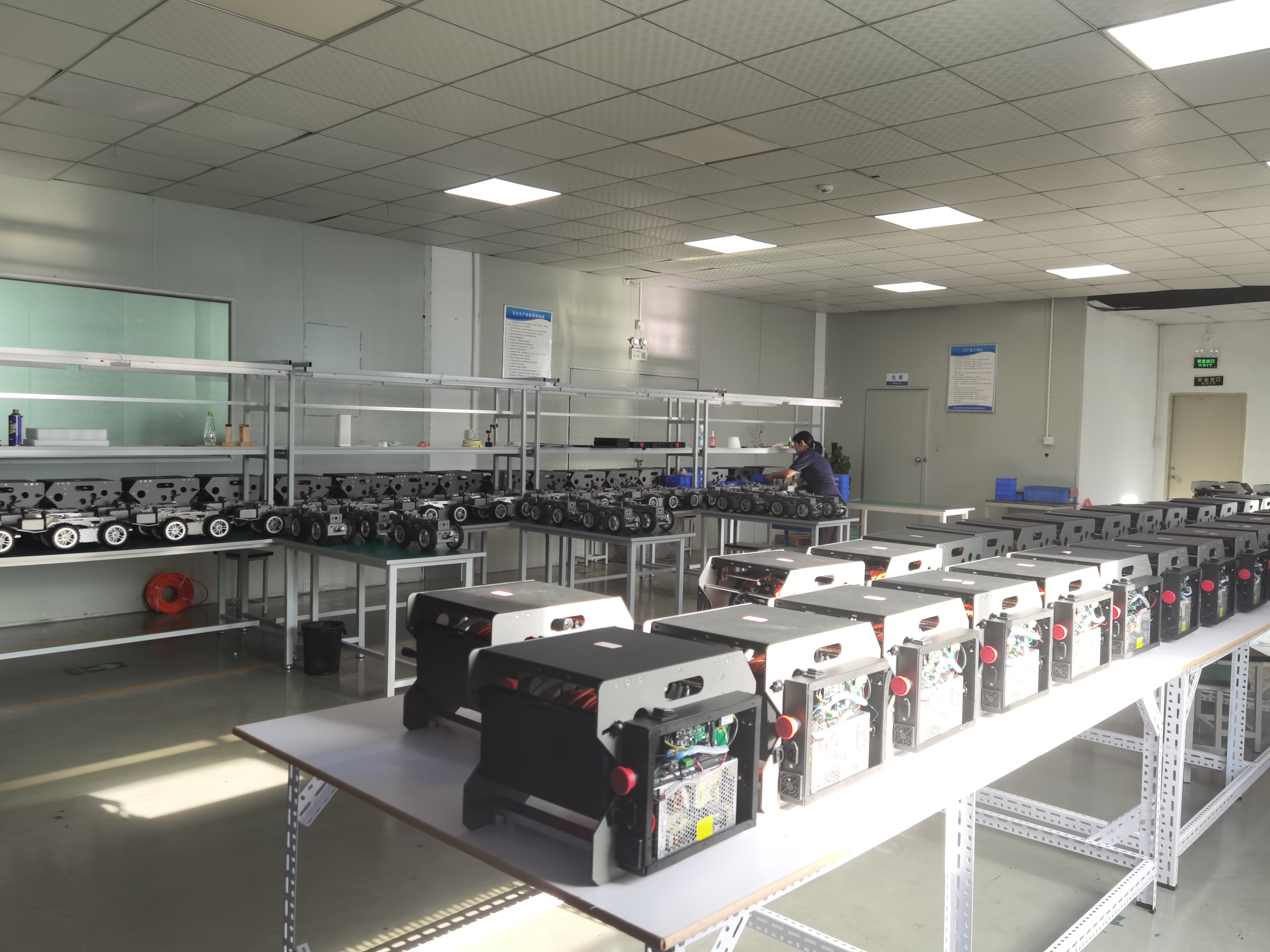
Investing in a pipe inspection camera robot is a significant capital decision for municipal utilities, plumbing contractors, and infrastructure maintenance teams. Understanding the return on that investment requires a structured look at cost drivers, operational savings, and long-term asset protection. A pipe inspection camera robot is not simply a diagnostic gadget — it is a revenue-generating, risk-reducing tool that reshapes how pipeline teams operate day to day.
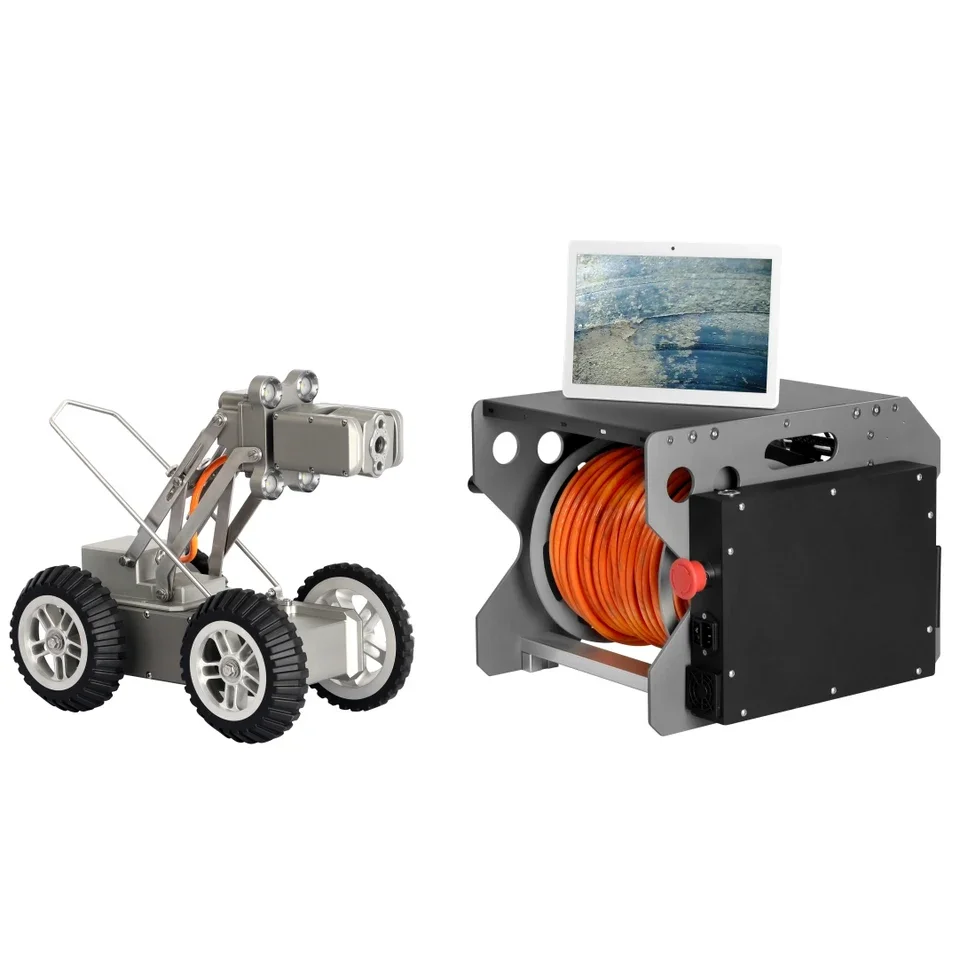
This ROI analysis examines the real financial logic behind deploying a pipe inspection camera robot, covering direct cost savings, productivity gains, and downstream value creation. Whether you manage a small plumbing business or a large municipal pipeline network, the pipe inspection camera robot investment model is worth examining closely before your next budget cycle.
Understanding the True Cost of Pipeline Inspection Without Robotics
Manual Inspection Overhead and Hidden Costs
Before calculating ROI, it is essential to baseline the costs your organization bears without a pipe inspection camera robot. Traditional pipeline inspection relies on manual entry, guesswork diagnostics, or outsourcing to specialized contractors. These approaches generate substantial labor overhead, frequent service delays, and recurring contractor fees that accumulate year after year. A pipe inspection camera robot replaces much of that recurring expenditure with a one-time capital investment. When teams use a pipe inspection camera robot in-house, the per-inspection cost drops dramatically compared to outsourcing the same job to third-party vendors.
Manual methods also carry hidden costs that rarely appear in initial budget discussions. Misdiagnosed pipe conditions can lead to unnecessary excavation, which can cost tens of thousands of dollars per incident. A pipe inspection camera robot provides high-definition 1080p video, 360-degree rotation capability, and real-time data — all of which prevent the kind of diagnostic errors that trigger expensive remediation work. Preventing even one unnecessary excavation per year often covers the full acquisition cost of a pipe inspection camera robot within a single operational cycle.
Downtime and Emergency Response Costs
Pipeline failures that go undetected generate emergency response costs that far exceed routine maintenance budgets. A pipe inspection camera robot enables scheduled proactive surveys rather than reactive emergency callouts. Each proactive inspection performed by a pipe inspection camera robot reduces the probability of unplanned outages, which are disproportionately expensive in terms of labor mobilization, bypass pumping, and public disruption penalties. Organizations that integrate a pipe inspection camera robot into their maintenance schedule consistently report lower emergency call frequency and shorter mean response times.
Direct ROI Drivers of a Pipe Inspection Camera Robot
Labor Cost Reduction Per Inspection Cycle
The most immediate and measurable ROI contribution of a pipe inspection camera robot is labor cost reduction. A pipe inspection camera robot can survey pipeline segments that would otherwise require a two- to four-person crew equipped with confined-space entry gear, breathing apparatus, and traffic control equipment. With a pipe inspection camera robot, a single trained operator can complete the same inspection in a fraction of the time. This reduction in crew size and task duration translates directly into billable hour savings or reallocation of labor to higher-value work. Over a full year of operations, the cumulative labor savings from a pipe inspection camera robot deployment often exceed the initial hardware investment by a meaningful margin.
Municipalities and contractors who deploy a pipe inspection camera robot across multiple job sites report that inspection throughput increases substantially. A pipe inspection camera robot can navigate bends, vertical drops, and submerged sections that manual approaches cannot safely or efficiently access. This expanded operational range means more pipeline coverage per shift, which increases both internal productivity and the capacity to take on more client work. Higher throughput supported by a pipe inspection camera robot directly improves revenue potential for service-oriented businesses.
Asset Life Extension and Preventive Maintenance Value
A pipe inspection camera robot enables condition-based maintenance planning, which is far more cost-efficient than age-based or reactive maintenance. When inspection teams deploy a pipe inspection camera robot on a scheduled basis, they accumulate detailed visual records of pipe degradation over time. This longitudinal data allows engineers to prioritize rehabilitation investments based on actual condition rather than assumption. Extending the serviceable life of a pipeline asset by even a few years through targeted interventions identified by a pipe inspection camera robot represents enormous capital avoidance for infrastructure owners. The pipe inspection camera robot essentially becomes an early-warning system that protects far larger investments in underground infrastructure.
Strategic and Competitive ROI Beyond Direct Cost Savings
Winning More Contracts Through Capability Differentiation
For plumbing contractors and infrastructure service firms, owning a pipe inspection camera robot creates a competitive differentiation advantage that translates into new revenue streams. Many municipal tenders and commercial maintenance contracts now require documented video evidence of pipeline condition as part of the service specification. A contractor equipped with a pipe inspection camera robot can respond to these requirements immediately, while competitors lacking this capability must either subcontract the work or decline the bid entirely. Winning one or two additional contracts per year attributable to pipe inspection camera robot ownership can represent significant top-line revenue that dwarfs the original equipment cost.
Data Documentation and Liability Risk Reduction
A pipe inspection camera robot generates defensible, time-stamped video documentation that protects service providers and asset owners from liability disputes. Without a pipe inspection camera robot, organizations rely on written logs and verbal reports that are difficult to defend in legal or regulatory proceedings. A pipe inspection camera robot produces objective visual records that clearly establish pipeline condition before and after service events. This documentation value is a real, quantifiable risk-reduction benefit. Insurance premiums, legal defense costs, and regulatory compliance expenses can all be positively influenced by the systematic use of a pipe inspection camera robot in inspection workflows. Risk-adjusted ROI analysis that incorporates these liability savings consistently strengthens the financial case for investing in a pipe inspection camera robot.
FAQ
How long does it typically take to recover the cost of a pipe inspection camera robot?
Most organizations recover the cost of a pipe inspection camera robot within one to two years of deployment, depending on inspection volume and whether the robot replaces outsourced contractor services. High-volume users with regular pipeline maintenance schedules often report payback periods well under twelve months when labor savings and contract wins are factored into the analysis.
What types of pipelines are best suited for a pipe inspection camera robot?
A pipe inspection camera robot is well suited for municipal sewer lines, stormwater drainage systems, industrial process pipelines, and large-diameter plumbing infrastructure. Models with 360-degree rotation and HD 1080p imaging are particularly effective in larger-diameter pipes where full circumferential assessment of pipe wall condition is required for accurate condition grading.
Does owning a pipe inspection camera robot require specialized operator training?
Operating a pipe inspection camera robot typically requires a moderate level of training covering system setup, navigation controls, and video data management. Most platforms are designed for field technicians rather than engineers, and many operators reach proficiency within a few supervised inspection sessions. Ongoing training investment is minimal compared to the operational value the pipe inspection camera robot delivers once deployed.