 EN
EN


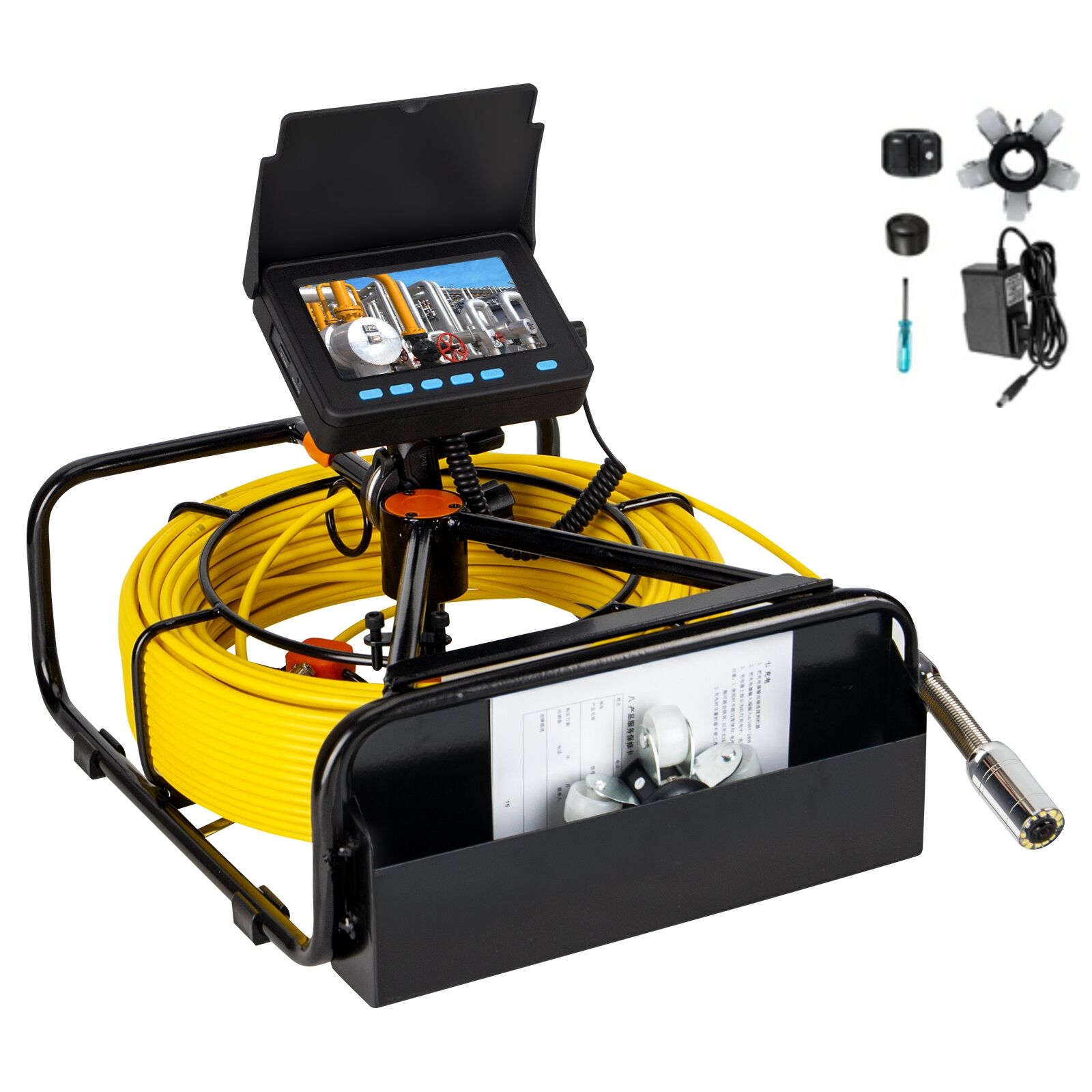
Professional plumbers and municipal maintenance crews rely on advanced diagnostic tools to identify underground pipe problems before they escalate into costly emergencies. Modern inspection technology has revolutionized how we approach drain and sewer system maintenance, allowing technicians to pinpoint issues with remarkable precision. When conducting thorough pipeline assessments, a high-quality sewer camera becomes an indispensable tool for detecting various structural and operational defects that might otherwise remain hidden until catastrophic failure occurs.
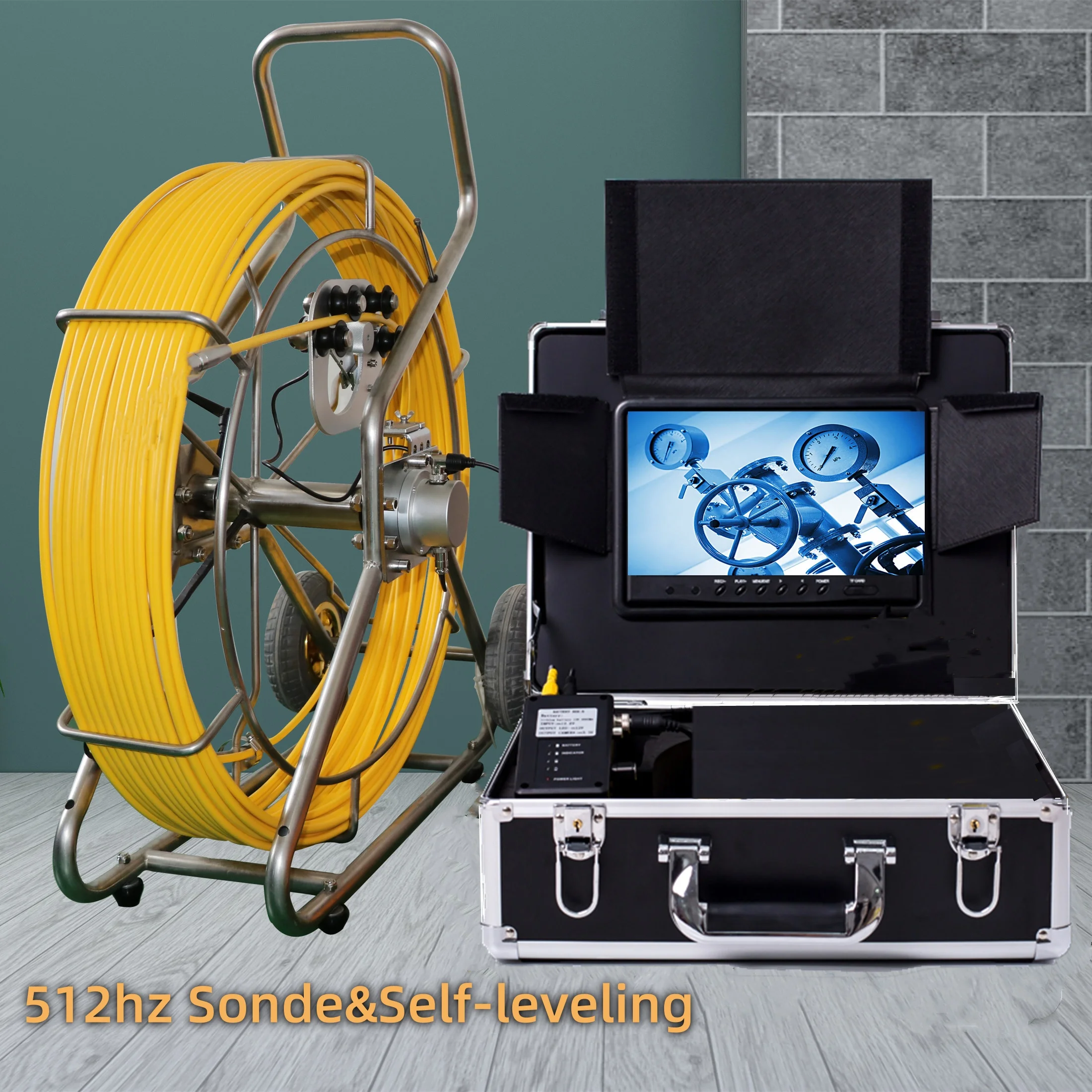
The complexity of underground infrastructure means that numerous problems can develop over time, ranging from minor blockages to severe structural damage. Professional inspections using specialized equipment help property owners and maintenance teams make informed decisions about repair priorities and budget allocation. Understanding the most frequently encountered issues during these inspections enables better preventive maintenance strategies and helps avoid unexpected system failures.
Structural Damage and Deterioration
Pipe Cracking and Fracturing
One of the most serious issues discovered during sewer camera inspections involves various forms of pipe cracking that can compromise the entire system's integrity. Longitudinal cracks often develop due to ground settlement, temperature fluctuations, or excessive loading from surface traffic. These linear fractures typically run parallel to the pipe's length and can allow groundwater infiltration while permitting sewage to leak into surrounding soil.
Circumferential cracks present different challenges, as they wrap around the pipe's diameter and often indicate structural weakness or improper installation techniques. Multiple circumferential cracks can lead to pipe collapse, creating emergency situations requiring immediate attention. Professional technicians use high-resolution inspection equipment to assess crack severity and determine whether repairs can be completed using trenchless methods or require complete pipe replacement.
Joint Separation and Misalignment
Pipe joint failures represent another common structural problem that becomes apparent during comprehensive camera inspections. Traditional clay and concrete pipes often experience joint separation as gaskets deteriorate or settling causes misalignment between pipe sections. These separations create entry points for tree roots while allowing sewage to escape into surrounding areas.
Offset joints occur when pipe sections shift vertically or horizontally, creating steps or gaps that obstruct flow and collect debris. Modern sewer camera systems equipped with self-leveling technology provide clear documentation of joint conditions, enabling accurate assessment of repair requirements and helping prioritize maintenance activities based on severity levels.
Root Intrusion and Biological Growth
Tree Root Penetration Patterns
Root intrusion represents one of the most persistent and destructive problems encountered during sewer system inspections. Trees naturally seek moisture sources, and even small cracks or joint separations provide entry points for aggressive root systems. Fine hair roots initially enter through microscopic openings, but they rapidly expand and multiply once they access the nutrient-rich environment inside sewer pipes.
Mature root masses can completely obstruct pipe flow, creating backup situations that affect multiple properties simultaneously. Different tree species exhibit varying root growth patterns, with some producing dense, fibrous masses while others develop thick, woody intrusions that can fracture pipe walls. Regular sewer camera inspections help identify early-stage root intrusion before extensive damage occurs, allowing for targeted treatment strategies.
Bacterial and Fungal Accumulation
Biological growth within sewer systems creates both operational and health concerns that become visible during detailed camera inspections. Bacterial biofilms often develop on pipe walls, reducing effective diameter and creating rough surfaces that collect debris and accelerate blockage formation. These growths thrive in environments with specific temperature and nutrient conditions commonly found in municipal sewer systems.
Fungal colonies can establish themselves in areas with adequate moisture and organic matter, particularly near joint failures or areas with reduced flow velocity. Advanced inspection equipment helps identify these biological accumulations, enabling targeted cleaning protocols and preventive treatment programs that maintain system capacity and reduce health risks associated with pathogen proliferation.
Blockages and Flow Restrictions
Grease and Fat Accumulation
Commercial and residential properties frequently contribute to sewer blockages through improper grease disposal, creating some of the most challenging problems discovered during routine inspections. Solidified grease adheres to pipe walls, gradually reducing effective diameter and creating surfaces that trap other debris materials. These accumulations often develop in areas with reduced flow velocity or temperature variations that promote solidification.
Restaurant districts and food service areas typically experience severe grease-related blockages that require specialized cleaning techniques and ongoing maintenance programs. Sewer camera technology reveals the extent and location of these accumulations, helping maintenance crews select appropriate cleaning methods and establish effective prevention strategies for commercial establishments.
Foreign Object Intrusion
Unauthorized items entering sewer systems create unexpected blockages that range from minor inconveniences to major system failures. Construction debris, including concrete chunks, tools, and building materials, often enters systems during renovation projects or inadequate site protection measures. These objects can create partial blockages that worsen over time as additional debris accumulates around the initial obstruction.
Consumer products inappropriately disposed of through drain systems contribute to persistent blockage problems in residential areas. Items such as disposable wipes, feminine hygiene products, and children's toys can combine with organic matter to create stubborn obstructions requiring mechanical removal. Professional sewer camera inspections provide clear documentation of foreign object locations and characteristics, enabling efficient removal strategies.
Corrosion and Material Degradation
Chemical Deterioration Processes
Sewer systems face constant exposure to corrosive elements that gradually degrade pipe materials and reduce structural integrity over time. Hydrogen sulfide gas produced by bacterial activity creates acidic conditions that attack concrete and metal components, leading to surface pitting, wall thinning, and eventual failure. Industrial discharge containing aggressive chemicals can accelerate these deterioration processes significantly.
Different pipe materials exhibit varying resistance levels to chemical attack, with older clay and concrete systems showing greater vulnerability compared to modern plastic alternatives. Detailed camera inspections reveal early signs of chemical damage, including surface roughening, color changes, and material loss that indicate ongoing deterioration processes requiring intervention.
Abrasion and Mechanical Wear
High-velocity flow conditions and abrasive materials transported through sewer systems create mechanical wear patterns that become apparent during thorough camera inspections. Sand, grit, and construction debris act as grinding agents that gradually erode pipe walls, particularly in areas with turbulent flow or direction changes. These wear patterns typically concentrate at pipe bottoms where sediment accumulates and flows create scouring action.
Industrial facilities often contribute abrasive materials that exceed design parameters for municipal sewer systems, creating accelerated wear in specific network sections. Modern sewer camera equipment captures detailed images of wear patterns, helping engineers assess remaining service life and plan replacement schedules based on observed deterioration rates rather than arbitrary time-based criteria.
Installation and Design Defects
Improper Slope and Gradient Issues
Incorrect pipe slopes represent fundamental design problems that create ongoing operational difficulties throughout system service life. Insufficient gradient prevents adequate self-cleansing velocity, allowing sediment accumulation and increased blockage frequency. These low-flow areas become breeding grounds for biological growth and create maintenance challenges that compound over time.
Excessive slopes can create turbulent conditions that accelerate pipe wear while making it difficult to maintain proper flow characteristics during low-usage periods. Camera inspections reveal slope irregularities and help identify sections requiring corrective action through rehabilitation or replacement programs. Accurate documentation of gradient problems enables engineers to prioritize repairs based on operational impact and long-term system performance.
Inadequate Pipe Support and Bedding
Poor installation practices often become evident during comprehensive sewer camera inspections, revealing problems that develop years after initial construction completion. Inadequate pipe bedding creates point loading that leads to cracking, deformation, and premature failure. Proper support materials and installation techniques are essential for maintaining structural integrity under varying soil and loading conditions.
Settlement and deflection problems typically result from inadequate compaction or inappropriate backfill materials during installation. These issues manifest as visible pipe deformation, joint separation, and reduced capacity that affects system performance. Professional inspection programs using advanced sewer camera technology help identify installation defects before they progress to failure conditions requiring emergency intervention.
FAQ
How often should sewer camera inspections be performed
Professional recommendations suggest conducting comprehensive sewer camera inspections every 3-5 years for residential properties and annually for commercial facilities with high usage volumes. Properties with mature trees, older infrastructure, or previous blockage history may require more frequent inspections to prevent emergency situations. Proactive scheduling helps identify problems during early stages when repair costs remain manageable.
What preparation is required before sewer camera inspection
Effective sewer camera inspections require clear access to cleanout points and removal of any obvious blockages that might prevent equipment passage. Property owners should locate and expose all accessible cleanouts while ensuring adequate workspace for technician operations. Pre-inspection cleaning may be necessary in systems with significant debris accumulation or known restriction areas.
Can sewer camera inspections detect all types of problems
Modern sewer camera technology provides excellent visibility for most common problems including cracks, blockages, root intrusion, and joint failures. However, some conditions such as minor leaks without visible damage or problems behind pipe walls may require additional testing methods. Combining camera inspections with pressure testing and flow analysis provides comprehensive system assessment capabilities.
What happens after problems are identified during inspection
Professional inspection services provide detailed reports including video documentation, problem locations, and severity assessments that help prioritize repair activities. Technicians typically offer repair recommendations ranging from simple cleaning procedures to complete section replacement based on observed conditions. Property owners receive comprehensive documentation supporting insurance claims and enabling informed decision-making about maintenance investments.