 EN
EN


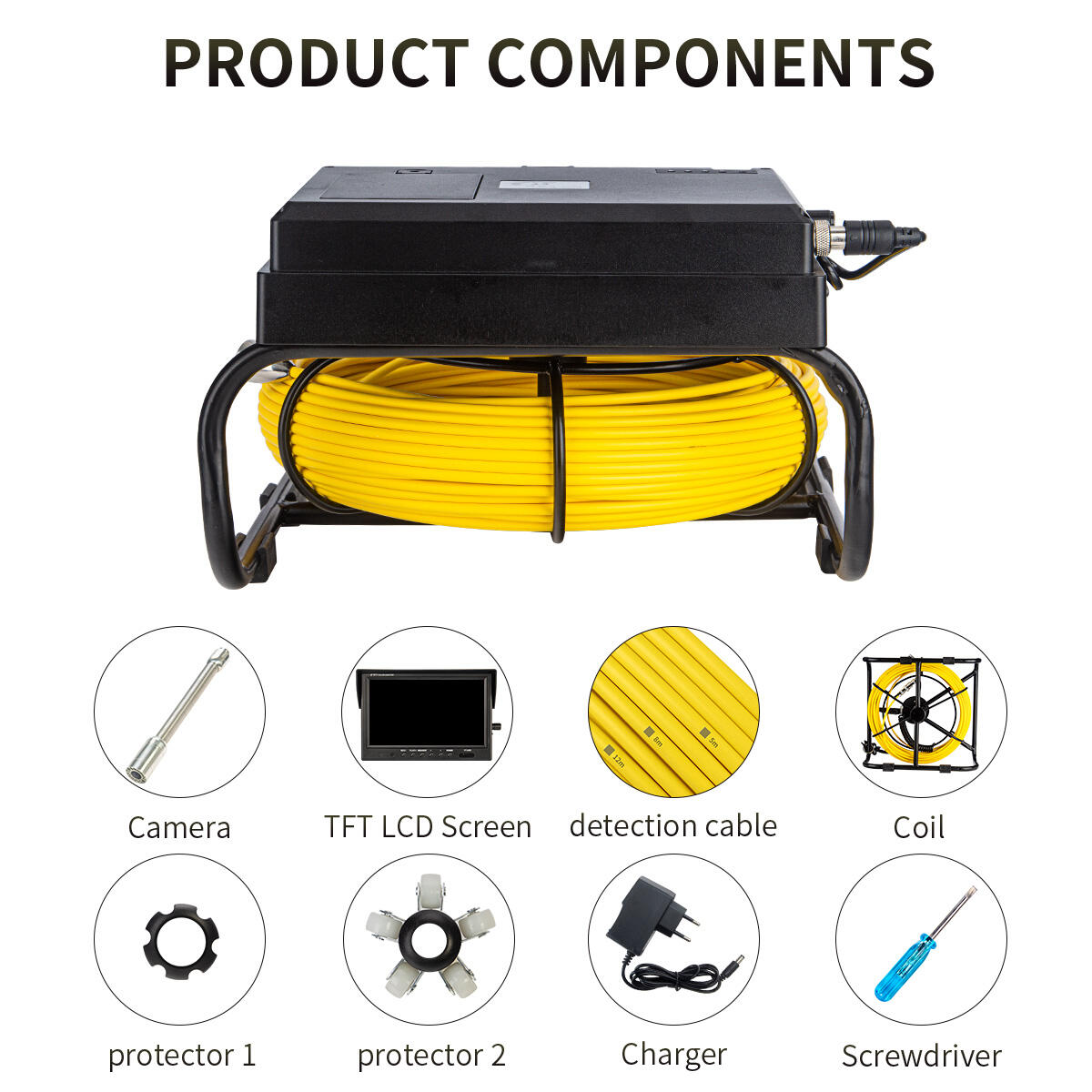
Modern plumbing diagnostics have revolutionized how professionals and homeowners approach drain maintenance and troubleshooting. The advancement of drain camera technology has made it possible to accurately identify blockages, structural damage, and maintenance needs without costly excavation or guesswork. Understanding the differences between residential and commercial drain camera applications is crucial for selecting the right equipment and achieving optimal results in various plumbing scenarios.

Understanding Drain Camera Technology Fundamentals
Core Components and Functionality
Every drain camera system consists of several essential components that work together to provide clear visual inspection of pipe interiors. The camera head contains high-resolution imaging sensors, LED lighting systems, and protective housing designed to withstand harsh sewer environments. Professional-grade units feature adjustable lighting controls, allowing operators to optimize visibility in different pipe conditions and materials.
The cable system serves as the backbone of any drain camera operation, providing both power transmission and video signal relay. Cable lengths vary significantly between residential and commercial applications, with residential units typically offering 50-100 feet of reach, while commercial systems may extend beyond 300 feet. The cable material and construction directly impact durability, flexibility, and signal quality during extended inspections.
Display units have evolved from basic analog monitors to sophisticated digital screens with recording capabilities, measurement tools, and real-time analysis features. Modern systems integrate GPS tracking, pipe mapping software, and cloud-based reporting functions that streamline documentation and client communication processes.
Image Quality and Resolution Standards
Resolution requirements differ substantially between residential and commercial drain camera applications. Residential inspections typically utilize 720p to 1080p resolution systems, which provide sufficient detail for identifying common household plumbing issues such as root intrusion, grease buildup, and minor pipe damage. These resolution levels offer excellent value for routine maintenance and diagnostic work in smaller diameter pipes.
Commercial and municipal applications demand higher resolution capabilities, often requiring 4K or specialized imaging technologies to detect subtle structural defects in large-diameter pipes. Enhanced image quality becomes critical when documenting conditions for insurance claims, regulatory compliance, or major infrastructure planning decisions.
Color accuracy and low-light performance significantly impact inspection effectiveness across both residential and commercial environments. Advanced sensor technologies and improved LED arrays enable clear visualization even in heavily contaminated or poorly lit pipe conditions.
Residential Drain Camera Applications
Typical Household Inspection Scenarios
Residential drain camera inspections primarily focus on diagnosing common plumbing problems that affect homeowner comfort and property value. Kitchen drain blockages caused by grease accumulation, food debris, and improper disposal practices represent the most frequent inspection requests. A quality drain camera can quickly identify blockage locations and determine whether mechanical cleaning or chemical treatments will be most effective.
Bathroom drain issues often involve hair accumulation, soap residue, and foreign object obstructions that require precise identification before treatment. Root intrusion into sewer lines represents another common residential concern, particularly in older neighborhoods with mature landscaping. Camera inspections can determine root penetration extent and guide targeted removal strategies.
Preventive maintenance inspections have become increasingly popular among proactive homeowners seeking to avoid costly emergency repairs. Regular camera inspections can identify developing problems such as pipe sagging, joint separation, or corrosion before they cause system failures or property damage.
Equipment Selection for Home Use
Residential drain camera selection requires balancing functionality with cost-effectiveness and ease of operation. Homeowner-friendly systems typically feature simplified controls, lightweight designs, and intuitive operation that minimizes learning curves. Cable management systems designed for residential use prioritize compact storage and quick deployment over extended reach capabilities.
Battery life considerations become particularly important for residential applications where consistent power access may be limited. Modern residential units offer 4-6 hours of continuous operation, sufficient for most household inspection projects. Charging convenience and backup power options enhance system reliability for emergency diagnostic situations.
Cost-effective residential systems often integrate smartphone connectivity, allowing users to capture images and videos directly to mobile devices. This functionality eliminates the need for separate recording equipment while providing convenient documentation and sharing capabilities for professional consultations.
Commercial Drain Camera Requirements
Industrial and Municipal Applications
Commercial drain camera operations encompass a broad range of challenging environments requiring specialized equipment capabilities. Municipal sewer systems demand robust inspection tools capable of navigating large-diameter pipes, handling aggressive chemical environments, and providing detailed documentation for regulatory compliance. These applications often involve extensive cable runs, multiple inspection points, and comprehensive reporting requirements.
Industrial facilities present unique challenges including high-temperature environments, corrosive substances, and complex pipe routing systems. Commercial-grade equipment must withstand these harsh conditions while maintaining consistent performance and accurate imaging capabilities. Specialized camera heads designed for industrial applications feature enhanced protection against chemical damage and extreme temperature variations.
Restaurant and commercial kitchen inspections require equipment capable of handling heavy grease contamination and frequent use cycles. Professional-grade systems incorporate easy cleaning protocols, replaceable components, and durable construction that maintains performance despite challenging operating conditions.
Advanced Features for Professional Use
Professional commercial systems integrate sophisticated measurement and documentation capabilities essential for accurate reporting and decision-making. Built-in distance counters, pipe diameter measurement tools, and defect classification systems streamline inspection processes and improve documentation accuracy. These features become critical for large-scale projects involving multiple inspection points and detailed condition assessments.
GPS integration and mapping capabilities enable precise location tracking for underground pipe systems, facilitating maintenance planning and emergency response coordination. Cloud-based data management systems allow real-time report generation, client access, and long-term condition monitoring across multiple properties or facilities.
Modular cable systems provide flexibility for varying inspection requirements, allowing operators to configure equipment for specific project needs. Quick-connect systems enable rapid cable changes while maintaining signal integrity and operational efficiency during extended inspection campaigns.
Key Differences in Equipment Specifications
Cable Length and Durability Requirements
Cable specifications represent one of the most significant differences between residential and commercial drain camera systems. Residential applications typically require 50-150 feet of cable reach, sufficient for most household plumbing systems and standard property sizes. Cable construction for residential use emphasizes flexibility and ease of handling over extreme durability requirements.
Commercial applications demand substantially longer cable lengths, often exceeding 300-400 feet for municipal and industrial inspections. These extended cables require enhanced construction techniques, including reinforced conductors, multiple protective layers, and specialized connectors designed for repeated use in harsh environments. Cable marking systems become essential for accurate distance measurement and location tracking during extended inspections.
Durability requirements escalate significantly in commercial environments where equipment faces daily use, aggressive chemicals, and varying temperature conditions. Commercial-grade cables incorporate specialized materials resistant to abrasion, chemical attack, and electrical interference that could compromise inspection quality or equipment longevity.
Power and Portability Considerations
Power requirements differ substantially between residential and commercial drain camera applications. Residential systems typically operate on rechargeable battery power, providing 3-6 hours of continuous use suitable for most household inspections. Lightweight construction and compact designs prioritize portability for easy transport and storage in residential settings.
Commercial systems often require extended operation periods necessitating AC power capability or high-capacity battery systems. Professional units may operate continuously for 8-12 hours, essential for large-scale inspection projects or emergency response situations. Portable generator compatibility ensures operation capability in remote locations without reliable power infrastructure.
Transport considerations become critical for commercial operations involving multiple job sites and varying access conditions. Professional systems integrate rugged carrying cases, wheeled transport options, and modular designs that facilitate efficient equipment deployment and protection during transport.
Cost Analysis and Investment Considerations
Initial Equipment Costs
Investment requirements vary dramatically between residential and commercial drain camera systems, reflecting differences in construction quality, features, and intended use intensity. Entry-level residential systems typically range from $500-$2000, providing basic inspection capabilities suitable for occasional use and simple diagnostic applications. These systems offer excellent value for homeowners and small service providers with limited inspection volume.
Professional commercial systems require substantially higher investments, ranging from $5000-$25000 depending on features, cable length, and specialized capabilities. This investment reflects enhanced durability, advanced imaging technology, and comprehensive documentation features essential for professional operations and regulatory compliance requirements.
Modular system designs allow staged investment approaches where operators can begin with basic configurations and add specialized components as business needs evolve. This flexibility reduces initial capital requirements while providing expansion pathways for growing operations.
Long-term Operating Costs
Operating cost considerations extend beyond initial equipment purchase to include maintenance, replacement parts, and training requirements. Residential systems typically require minimal maintenance beyond basic cleaning and battery replacement, making them cost-effective for occasional use applications. Simple operation procedures minimize training requirements for homeowner or small contractor use.
Commercial systems involve higher ongoing costs including regular maintenance schedules, cable replacement, and operator training programs. However, these costs are typically offset by higher utilization rates, increased inspection fees, and enhanced service capabilities that justify professional-grade equipment investments.
Warranty and service support considerations become critical for commercial operations where equipment downtime directly impacts revenue generation. Professional-grade systems typically offer extended warranty coverage and comprehensive service networks that minimize operational disruptions.
FAQ
What cable length is needed for residential drain camera inspections
Most residential drain camera inspections require 50-100 feet of cable length to reach common problem areas in household plumbing systems. This length covers main sewer lines, branch connections, and most interior drain runs in typical residential properties. Longer cables may be necessary for larger homes or properties with extensive landscaping where sewer connections are located far from the house.
Can residential drain cameras handle commercial applications
Residential drain camera systems are not typically suitable for commercial applications due to limitations in cable length, durability, and advanced features required for professional use. Commercial environments demand longer cable reaches, enhanced construction quality, and sophisticated documentation capabilities that exceed residential system specifications. Professional applications require equipment designed for intensive daily use and harsh operating conditions.
How often should drain camera inspections be performed
Residential properties benefit from drain camera inspections every 2-3 years as preventive maintenance, with additional inspections when problems arise. Commercial properties typically require annual inspections or more frequent monitoring depending on usage intensity and regulatory requirements. High-use facilities such as restaurants or industrial operations may need quarterly inspections to maintain optimal system performance and prevent costly emergency repairs.
What training is required for drain camera operation
Residential drain camera systems typically require minimal training, with most homeowners able to learn basic operation procedures within a few hours. Commercial systems demand comprehensive training programs covering equipment operation, safety procedures, inspection techniques, and reporting requirements. Professional operators often complete formal certification programs and ongoing education to maintain competency in evolving inspection technologies and industry standards.