 EN
EN


When faced with stubborn drain clogs, homeowners and professionals alike turn to one of the most effective plumbing tools available: the drain snake. This versatile device has revolutionized how we approach blocked pipes, offering a mechanical solution that outperforms chemical cleaners in both effectiveness and environmental safety. Understanding the differences between professional-grade and DIY drain snake options can save you time, money, and frustration while ensuring your plumbing problems are resolved efficiently. The choice between these two categories depends on factors such as clog severity, frequency of use, budget considerations, and technical expertise.
Understanding Drain Snake Technology and Applications
Basic Mechanics and Operation Principles
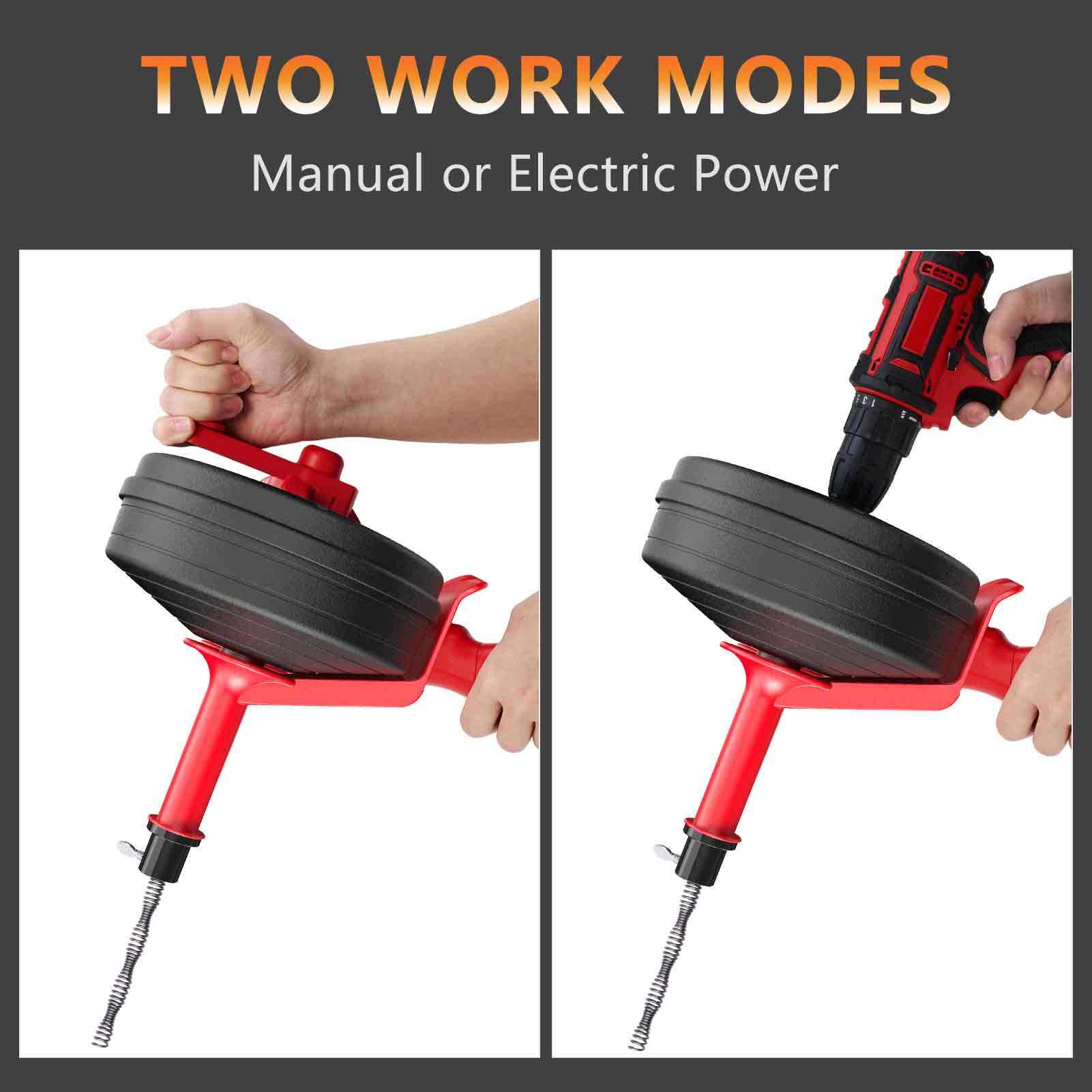
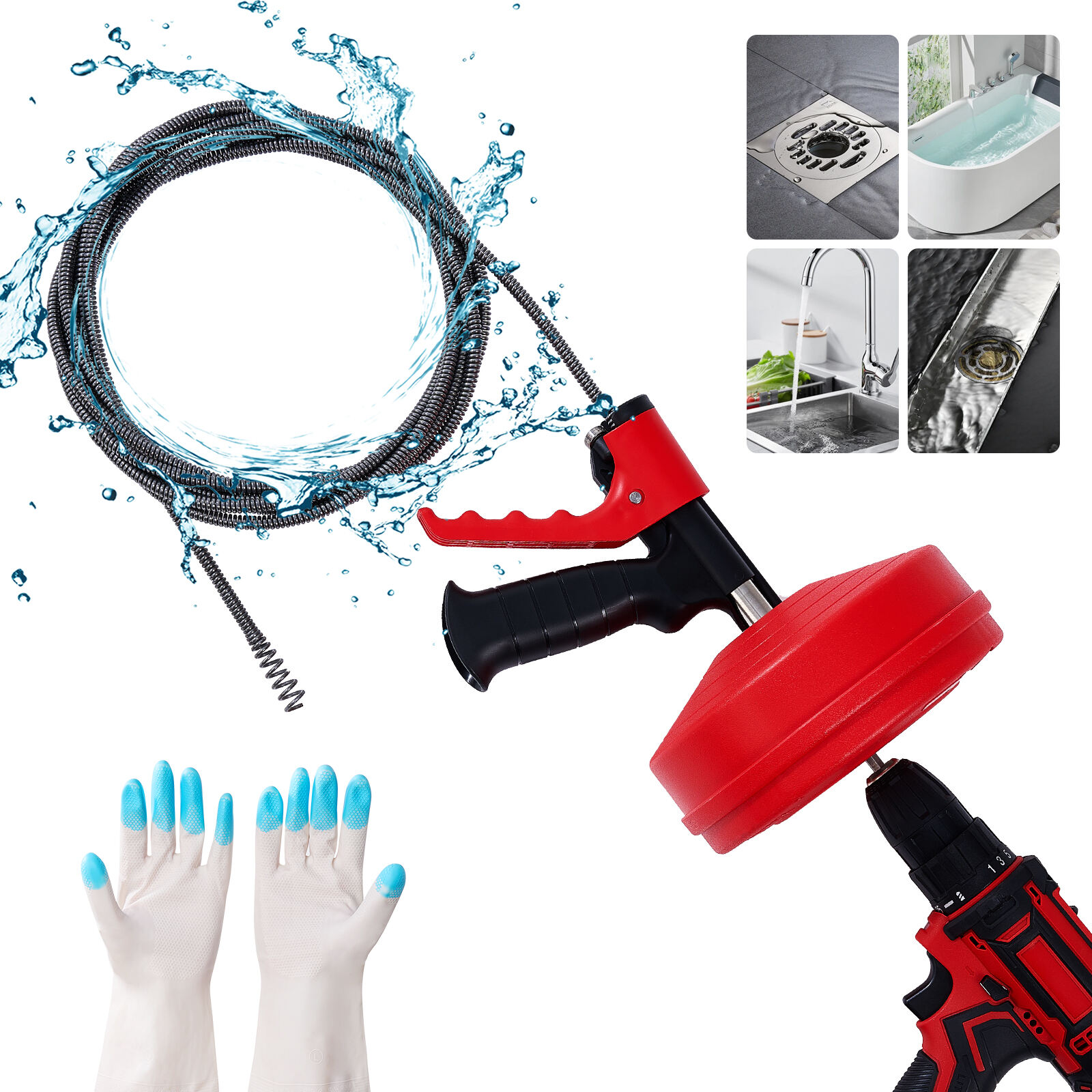
A drain snake operates on a simple yet effective mechanical principle that has remained virtually unchanged for decades. The tool consists of a flexible metal cable or spring that rotates as it advances through pipes, breaking up clogs through physical contact and rotation. Modern drain snake designs incorporate various cable materials, from basic steel springs to advanced composite materials that resist corrosion and provide superior flexibility. The rotation mechanism can be manual, requiring hand-cranking, or powered by electric or pneumatic motors for increased efficiency and reduced operator fatigue.
Professional-grade models typically feature variable speed controls, allowing operators to adjust rotation speed based on clog type and pipe material. These advanced systems often include torque limiters to prevent cable damage and reverse rotation capabilities for extracting debris. The cable diameter and length vary significantly between models, with professional versions offering multiple cable options to handle different pipe sizes and distances. Understanding these mechanical principles helps users select the appropriate tool for their specific drainage challenges.
Types of Clogs and Appropriate Solutions
Different types of clogs require specific approaches when using a drain snake effectively. Hair and soap buildup, common in bathroom drains, typically respond well to standard spring-type cables that can grab and pull out fibrous materials. Kitchen sink clogs, often caused by grease and food particles, may require more aggressive cutting heads or specialized attachments that can break through solidified fats. Tree root intrusions in main sewer lines demand heavy-duty professional equipment with cutting blades specifically designed for organic material removal.
Mineral buildup and scale deposits present unique challenges that require drain snake models with appropriate cutting or scraping attachments. Foreign object retrieval, such as jewelry or toys, often necessitates specialized retrieval heads or camera-guided systems to locate and extract items safely. Professional plumbers maintain arsenals of different cable types, cutting heads, and specialized attachments to address these varied clog scenarios effectively. DIY users should assess their typical clog types before investing in equipment to ensure they select tools capable of handling their specific drainage issues.
Professional-Grade Drain Snake Advantages
Enhanced Power and Performance Capabilities
Professional drain snake equipment delivers significantly more power and torque than consumer-grade alternatives, enabling operators to tackle severe blockages that would defeat lighter-duty tools. These machines typically feature robust motors ranging from 1/3 horsepower to over 1 horsepower, providing consistent rotation even under heavy load conditions. The increased power allows professional units to cut through tough clogs, including tree roots, mineral buildup, and compacted debris that has accumulated over years of neglect. Variable speed controls enable operators to match rotation speed to specific clog types and pipe conditions for optimal results.
Advanced professional models incorporate automatic feed systems that advance the cable at controlled rates, reducing operator fatigue while maintaining consistent pressure against obstructions. These systems often include load sensors that detect excessive resistance and automatically adjust feed rates or stop advancement to prevent cable damage. The enhanced performance capabilities of professional equipment translate to faster job completion times and higher success rates on challenging clogs. This efficiency becomes particularly important in commercial settings where downtime costs can be substantial.
Durability and Long-Term Reliability
Professional-grade drain snake machines are engineered for continuous operation under demanding conditions, incorporating industrial-grade components that withstand years of heavy use. These units feature reinforced housings, sealed motor compartments, and corrosion-resistant materials that maintain performance in harsh environments. Professional cables are manufactured from higher-grade steel alloys with superior tensile strength and flexibility, reducing the likelihood of breakage during operation. The robust construction standards ensure consistent performance even when operators encounter unexpected obstructions or challenging pipe configurations.
Regular maintenance requirements for professional equipment are typically well-documented, with readily available replacement parts and service support networks. Many manufacturers offer extended warranties and preventive maintenance programs that help maintain peak performance throughout the equipment's operational life. The initial investment in professional-grade equipment often pays dividends through reduced downtime, lower replacement costs, and improved job completion rates. This reliability becomes crucial for businesses where equipment failure can result in customer dissatisfaction and lost revenue opportunities.
DIY Drain Snake Options and Limitations
Consumer-Grade Models and Accessibility
Consumer-oriented drain snake models prioritize ease of use and affordability over raw performance, making them accessible to homeowners with limited plumbing experience. These units typically feature lightweight construction, simplified controls, and safety features designed to prevent inexperienced users from causing pipe damage or personal injury. Manual hand-crank models remain popular for their simplicity and low cost, requiring no electrical connections while providing adequate performance for basic household clogs. Battery-powered versions offer convenience and portability while maintaining user-friendly operation characteristics.
Most DIY drain snake options include basic instruction manuals and safety guidelines to help novice users achieve successful results without professional training. The simplified design philosophy extends to cable management systems, feed mechanisms, and attachment systems that prioritize intuitive operation over advanced functionality. Retailers often stock these units alongside complementary tools and accessories, creating complete drain cleaning solutions for homeowners. The widespread availability of consumer-grade models through hardware stores, home centers, and online retailers makes them easily accessible when drainage emergencies arise.
Performance Boundaries and Practical Constraints
DIY drain snake models face inherent limitations in power output, cable length, and cutting capability that restrict their effectiveness on severe or complex clogs. Motor sizes typically range from fractional horsepower units to small electric motors that may struggle with tough obstructions or extended operation periods. Cable lengths are generally limited to residential applications, with most models providing 25 to 50 feet of reach, which may prove insufficient for main line blockages or commercial installations. The lighter construction and simplified mechanisms can experience premature wear when subjected to challenging conditions or frequent use.
Safety features in consumer models sometimes limit performance to prevent pipe damage, but these same restrictions can prevent successful clog removal in difficult situations. The reduced torque output and gentler operation characteristics that protect inexperienced users may prove inadequate when confronting solidified grease, mineral deposits, or organic growth. Cable quality in budget-oriented models may compromise flexibility or durability, leading to premature failure or reduced effectiveness over time. Understanding these limitations helps homeowners set realistic expectations and avoid frustration when attempting drain cleaning projects.
Cost-Benefit Analysis and Investment Considerations
Initial Purchase Price Comparisons
The price differential between professional and DIY drain snake options reflects significant differences in construction quality, performance capabilities, and expected service life. Entry-level consumer models typically range from fifty to two hundred dollars, making them attractive options for homeowners facing occasional drain issues. Mid-range DIY units with enhanced features and improved durability may cost between two hundred and five hundred dollars, offering better performance while maintaining accessibility for residential users. Professional-grade equipment represents a substantial investment, with prices ranging from one thousand to several thousand dollars depending on power, features, and accessories included.
The initial cost comparison must consider frequency of use and expected return on investment to determine the most economical choice. Homeowners who encounter drain clogs infrequently may find that professional service calls cost less than purchasing and maintaining equipment that sees limited use. Conversely, property managers or maintenance professionals dealing with regular drainage issues may recover equipment costs quickly through reduced service call expenses and improved response times. The calculation becomes more complex when considering equipment storage requirements, maintenance costs, and operator training time necessary for effective use.
Long-Term Ownership Economics
Professional drain snake equipment typically offers superior long-term value through extended service life, lower maintenance costs, and consistent performance over many years of operation. The robust construction and quality components justify higher initial costs through reduced replacement frequency and minimal downtime for repairs. Professional models often include comprehensive warranty coverage and readily available service support that protects the investment while ensuring continued operation. The enhanced performance capabilities can reduce job completion times and improve success rates, translating to better return on investment for commercial applications.
Consumer-grade drain snake models may require more frequent replacement due to lighter construction and lower-grade components, potentially resulting in higher long-term costs despite lower initial prices. Maintenance and repair options for DIY equipment are often limited, sometimes making replacement more economical than repair when problems arise. The performance limitations of consumer models may necessitate professional service calls for challenging clogs, adding to the total cost of drain maintenance over time. Evaluating these factors requires honest assessment of expected usage patterns and performance requirements to make informed purchase decisions.
Making the Right Choice for Your Needs
Assessment Criteria and Decision Factors
Selecting between professional and DIY drain snake options requires careful evaluation of several key factors that influence both performance and cost-effectiveness. Usage frequency stands as perhaps the most important consideration, with occasional users often better served by consumer-grade equipment while frequent applications justify professional-grade investments. The complexity and severity of typical clogs encountered should guide equipment selection, as minor hair and soap clogs respond well to basic tools while root intrusions and mineral buildup require more powerful solutions. Available storage space, operator skill level, and budget constraints also significantly impact the optimal choice for specific situations.
Property type and plumbing system complexity influence equipment requirements, with older buildings or extensive pipe networks often demanding professional-grade capabilities. The availability of alternative solutions, such as professional plumbing services or preventive maintenance programs, should factor into the decision-making process. Safety considerations become particularly important for inexperienced users who may benefit from the built-in limitations of consumer-grade equipment. Emergency response requirements may favor portable, easy-to-use options over powerful but complex professional systems that require setup time and operator expertise.
Optimal Applications for Each Category
DIY drain snake models excel in residential applications where convenience, ease of use, and modest performance requirements align with their design characteristics. Single-family homeowners dealing with occasional bathroom sink clogs, shower drain hair buildup, or minor kitchen sink blockages often find consumer-grade equipment perfectly adequate for their needs. Apartment dwellers or renters may prefer lightweight, compact models that store easily and require minimal setup for quick deployment. The simplified operation and safety features of DIY equipment make them ideal for users who lack plumbing experience but want the capability to address minor issues independently.
Professional drain snake equipment proves essential for commercial applications, multi-unit residential properties, and situations involving severe or recurring blockages that exceed consumer-grade capabilities. Property management companies, maintenance departments, and professional plumbers require the power, durability, and versatility that only professional-grade equipment provides. Main line blockages, root intrusions, and commercial kitchen drain issues typically demand professional equipment to achieve successful results efficiently. The enhanced performance and reliability of professional systems justify their higher costs in applications where downtime, repeat service calls, or equipment failure can result in significant consequences.
FAQ
What size drain snake do I need for home use
For typical household drain cleaning tasks, a drain snake with 1/4-inch to 3/8-inch cable diameter and 25 to 50 feet of length provides adequate capability for most residential clogs. Kitchen sink drains usually require 3/8-inch cables for effective grease and debris removal, while bathroom drains often respond well to 1/4-inch cables designed for hair and soap buildup. The cable length should accommodate the distance from access points to potential clog locations, with 25 feet sufficient for most residential applications and 50 feet providing additional reach for challenging situations.
Can I damage my pipes using a drain snake improperly
Improper drain snake operation can potentially damage pipes, particularly older or fragile plumbing systems made from clay, cast iron, or thin-wall materials. Excessive force, inappropriate cable selection, or aggressive operation techniques may cause pipe joints to separate, create new leaks, or worsen existing pipe deterioration. Following manufacturer guidelines, using appropriate cable sizes, and exercising patience during operation significantly reduce the risk of pipe damage while ensuring effective clog removal.
How often should I replace drain snake cables
Drain snake cable replacement frequency depends on usage intensity, cable quality, and operating conditions encountered during drain cleaning activities. Professional-grade cables used daily may require replacement every six months to two years, while residential cables used occasionally may last several years with proper care and storage. Signs indicating cable replacement needs include visible kinks, fraying, reduced flexibility, or frequent binding during operation that affects performance and increases breakage risk.
What safety precautions should I follow when using a drain snake
Essential safety precautions when operating a drain snake include wearing protective eyewear and gloves, ensuring proper cable handling techniques, and maintaining awareness of rotating components during operation. Operators should avoid loose clothing or jewelry that could become entangled in moving parts, maintain stable footing on wet surfaces, and follow lockout procedures when servicing or adjusting equipment. Proper ventilation becomes important when working in confined spaces or areas where sewer gases may accumulate during drain cleaning operations.