 EN
EN


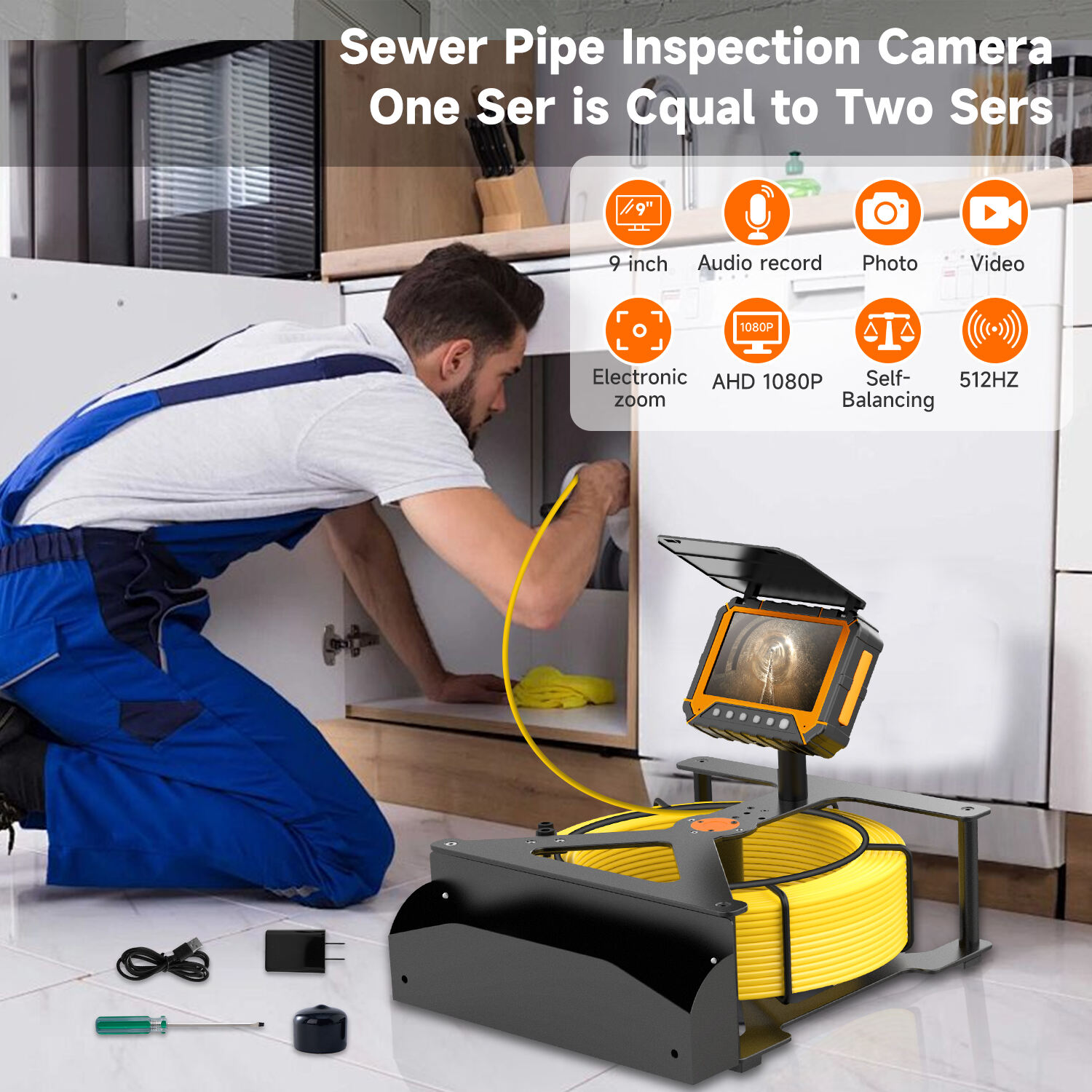
Professional plumbers and drain technicians rely heavily on advanced diagnostic equipment to identify blockages, structural damage, and other issues within pipeline systems. Among the most critical tools in their arsenal is the drain camera, which provides real-time visual inspection capabilities that eliminate guesswork and enable precise problem identification. Modern drain camera systems have evolved significantly, incorporating cutting-edge technology that transforms how professionals approach sewer line diagnostics and maintenance procedures.
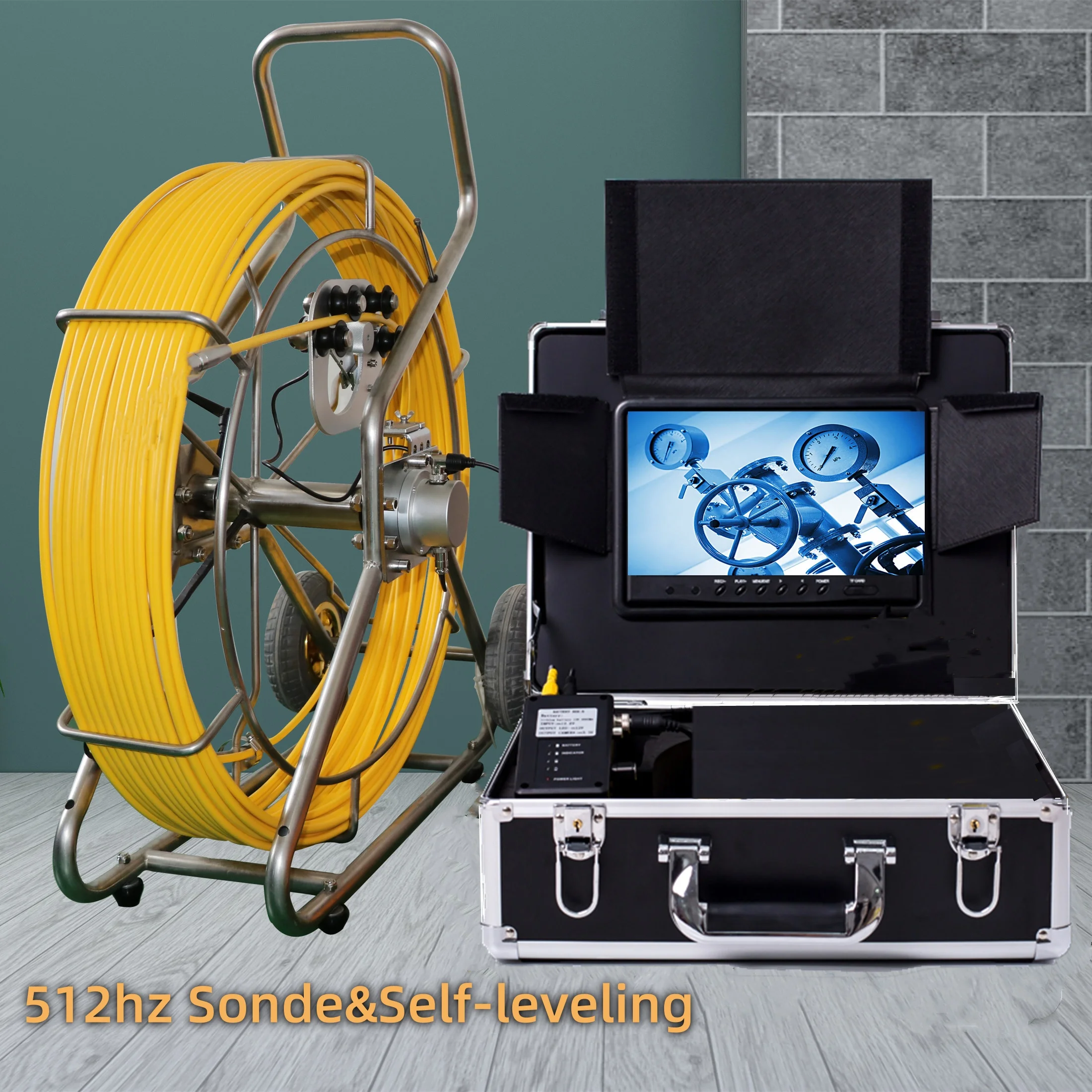
Understanding the essential features that distinguish professional-grade inspection equipment from basic consumer models is crucial for contractors who demand reliability, durability, and superior image quality. The investment in high-quality camera systems pays dividends through improved diagnostic accuracy, reduced service callbacks, and enhanced customer satisfaction. Today's sophisticated drain camera technology offers unprecedented clarity and functionality that enables technicians to detect even minor defects before they escalate into costly repairs.
Advanced Imaging Technology and Resolution
High-Definition Video Capabilities
Professional technicians prioritize drain camera systems that deliver exceptional video resolution, typically requiring 1080p full HD capability as the minimum standard for effective pipe inspection. Superior image quality enables operators to identify subtle cracks, corrosion patterns, and joint misalignments that might remain undetected with lower-resolution equipment. The clarity provided by high-definition imaging proves invaluable when documenting findings for insurance claims, municipal reports, or customer presentations.
Modern drain camera systems incorporate advanced sensor technology that maintains consistent image quality across varying lighting conditions within pipeline environments. Automatic brightness adjustment and contrast enhancement features ensure optimal visibility regardless of pipe material, water presence, or ambient conditions. These technological improvements significantly reduce the likelihood of missed defects and enable more comprehensive diagnostic reporting.
Color Accuracy and Detail Recognition
Accurate color reproduction in drain camera systems allows professionals to distinguish between different types of debris, pipe materials, and potential hazards encountered during inspections. The ability to identify rust discoloration, chemical staining, or unusual deposits provides valuable insights into pipe condition and potential failure modes. Color accuracy becomes particularly important when assessing the severity of corrosion or determining appropriate repair strategies.
Enhanced detail recognition capabilities enable technicians to spot hairline fractures, root intrusion points, and joint separation that might indicate impending system failures. Professional-grade cameras incorporate specialized lens coatings and sensor configurations designed to maximize detail visibility in challenging underground environments. This level of precision proves essential for preventive maintenance programs and long-term infrastructure planning.
Robust Construction and Durability Features
Waterproof and Chemical Resistance
The harsh environment within sewer systems demands drain camera equipment built to withstand prolonged exposure to corrosive chemicals, aggressive cleaning agents, and contaminated water. Professional-grade systems feature IP68 waterproof ratings that guarantee complete protection against water ingress under extreme pressure conditions. This level of protection ensures reliable operation even in fully flooded pipe sections or high-pressure cleaning scenarios.
Chemical resistance becomes particularly important when inspecting industrial drainage systems or municipal sewers that may contain harsh substances. High-quality drain camera housings utilize specialized materials and sealing systems designed to resist degradation from acids, bases, and organic solvents commonly encountered in commercial applications. This durability translates to reduced maintenance costs and extended equipment lifespan.
Impact and Abrasion Protection
Professional drain camera systems must endure repeated impacts against pipe walls, debris, and obstacles encountered during navigation through complex pipeline networks. Reinforced camera head construction and shock-absorbing designs protect sensitive internal components from damage while maintaining optimal imaging performance. The ability to withstand mechanical stress ensures consistent operation throughout demanding inspection procedures.
Abrasion-resistant surfaces and protective coatings prevent surface damage that could compromise image quality or structural integrity over time. Professional technicians rely on equipment that maintains performance standards despite frequent use in abrasive environments filled with sand, gravel, and sharp debris. This durability factor directly impacts the total cost of ownership and operational reliability.
Advanced Navigation and Control Systems
Self-Leveling Technology
Modern drain camera systems incorporate sophisticated self-leveling mechanisms that automatically maintain optimal viewing angles regardless of pipe orientation or camera position. This technology eliminates the disorientation that can occur when navigating through pipes with varying slopes, bends, and elevation changes. Self-leveling capability ensures consistent image orientation and reduces operator fatigue during extended inspection sessions.
The implementation of gyroscopic stabilization and motorized rotation systems enables precise camera positioning for detailed examination of specific pipe sections or defects. Professional technicians appreciate the ability to maintain steady, level images while documenting findings or capturing still photographs for reporting purposes. This technological advancement significantly improves diagnostic accuracy and documentation quality.
Precision Distance Measurement
Accurate distance measurement capabilities enable technicians to precisely locate defects, blockages, and other issues within pipeline systems for efficient repair planning. Professional drain camera systems incorporate calibrated measurement systems that account for cable stretch, pipe diameter variations, and navigation path complexity. This precision proves essential when coordinating excavation activities or planning targeted repair interventions.
Advanced systems integrate GPS technology and digital mapping capabilities that create detailed inspection records with exact location coordinates. This information becomes invaluable for municipal utilities, property managers, and facility maintenance teams who require precise documentation for regulatory compliance and asset management programs. The ability to generate accurate location data streamlines future maintenance activities and emergency response procedures.
Professional Display and Recording Features
Large Screen Visibility
Professional drain camera systems feature large, high-resolution displays that provide clear visibility for multiple operators simultaneously during complex inspection procedures. Screen sizes typically range from 9 inches to 12 inches, offering sufficient detail resolution for accurate defect identification and documentation. The larger display format reduces eye strain during extended operations and enables better collaboration between team members.
Advanced display technology incorporates anti-glare coatings and brightness adjustment capabilities that maintain visibility in various outdoor lighting conditions. Professional technicians often work in challenging environments where sunlight, artificial lighting, or shadows can compromise screen visibility. High-quality displays ensure consistent image clarity regardless of ambient conditions, enabling reliable operation throughout diverse working scenarios.
Comprehensive Recording and Documentation
Modern drain camera systems provide extensive recording capabilities that enable comprehensive documentation of inspection findings for customer reports, regulatory compliance, and warranty purposes. Professional-grade equipment supports multiple recording formats and storage options, including internal memory, removable media, and cloud-based solutions. This flexibility ensures compatibility with various reporting systems and customer requirements.
Advanced recording features include timestamp integration, GPS coordinates, and customizable overlay information that enhances the value of inspection documentation. The ability to generate detailed reports with supporting video evidence strengthens customer relationships and provides legal protection in dispute situations. Professional technicians rely on comprehensive documentation capabilities to differentiate their services and justify premium pricing structures.
Power Management and Operational Efficiency
Extended Battery Performance
Professional drain camera operations often require extended runtime capabilities to complete comprehensive inspections of large commercial or municipal systems. High-capacity battery systems provide sufficient power for full-day operations without compromising performance or requiring frequent recharging interruptions. This operational efficiency proves essential for maintaining productivity and meeting tight project deadlines.
Advanced power management systems incorporate intelligent charging algorithms and battery health monitoring that maximize operational lifespan and reliability. Professional-grade equipment features hot-swappable battery options that enable continuous operation during critical inspections. The ability to maintain consistent power delivery ensures uninterrupted workflow and prevents data loss during important documentation procedures.
Rapid Deployment and Setup
Time-efficient setup procedures enable professional technicians to respond quickly to emergency service calls and maximize billable hours throughout the workday. Modern drain camera systems feature intuitive control interfaces and automated calibration procedures that minimize preparation time. This operational efficiency translates directly to improved profitability and customer satisfaction through faster response times.
Streamlined cable management systems and organized storage solutions facilitate rapid deployment and equipment transport between job sites. Professional technicians appreciate equipment designs that prioritize portability without compromising functionality or durability. The ability to quickly establish inspection capabilities in diverse locations enhances service flexibility and competitive positioning.
FAQ
What resolution should professional drain cameras provide
Professional drain camera systems should deliver minimum 1080p full HD resolution to ensure adequate detail recognition for identifying subtle defects, cracks, and joint issues. Higher resolution capabilities enable better documentation quality and more accurate diagnostic assessments, which directly impact service quality and customer satisfaction levels.
How important is waterproof rating for drain camera equipment
Waterproof ratings of IP68 or higher are essential for professional drain camera applications, as equipment must withstand complete submersion and high-pressure water exposure during sewer line inspections. Inadequate waterproofing leads to equipment failure, costly repairs, and potential safety hazards in contaminated environments.
What cable length is recommended for commercial drain inspections
Professional drain camera systems typically require cable lengths between 100-200 meters to accommodate commercial and municipal pipeline inspections effectively. Longer cable options provide greater versatility for large-scale applications, while shorter systems may prove adequate for residential service calls and basic diagnostic work.
Do professional drain cameras require special maintenance procedures
Professional drain camera equipment requires regular cleaning, calibration, and preventive maintenance to ensure optimal performance and longevity. Proper maintenance includes thorough decontamination after each use, cable inspection for damage, and periodic calibration of measurement systems to maintain accuracy standards required for professional applications.