 EN
EN


Professional plumbers and maintenance technicians rely heavily on advanced diagnostic tools to identify blockages, structural damage, and other issues within drainage systems. Modern inspection technology has revolutionized how we approach pipe diagnostics, making it possible to pinpoint problems without destructive excavation methods. However, like any sophisticated equipment, these inspection tools can encounter operational challenges that affect their performance and accuracy during critical diagnostic procedures.
Understanding how to identify and resolve common technical issues ensures that diagnostic equipment remains reliable when conducting thorough pipe inspections. Professional technicians must be prepared to address various mechanical, electrical, and operational problems that can arise during field operations. This comprehensive troubleshooting guide addresses the most frequently encountered issues and provides practical solutions for maintaining optimal equipment performance in demanding work environments.
Power and Display Problems
Battery Performance Issues
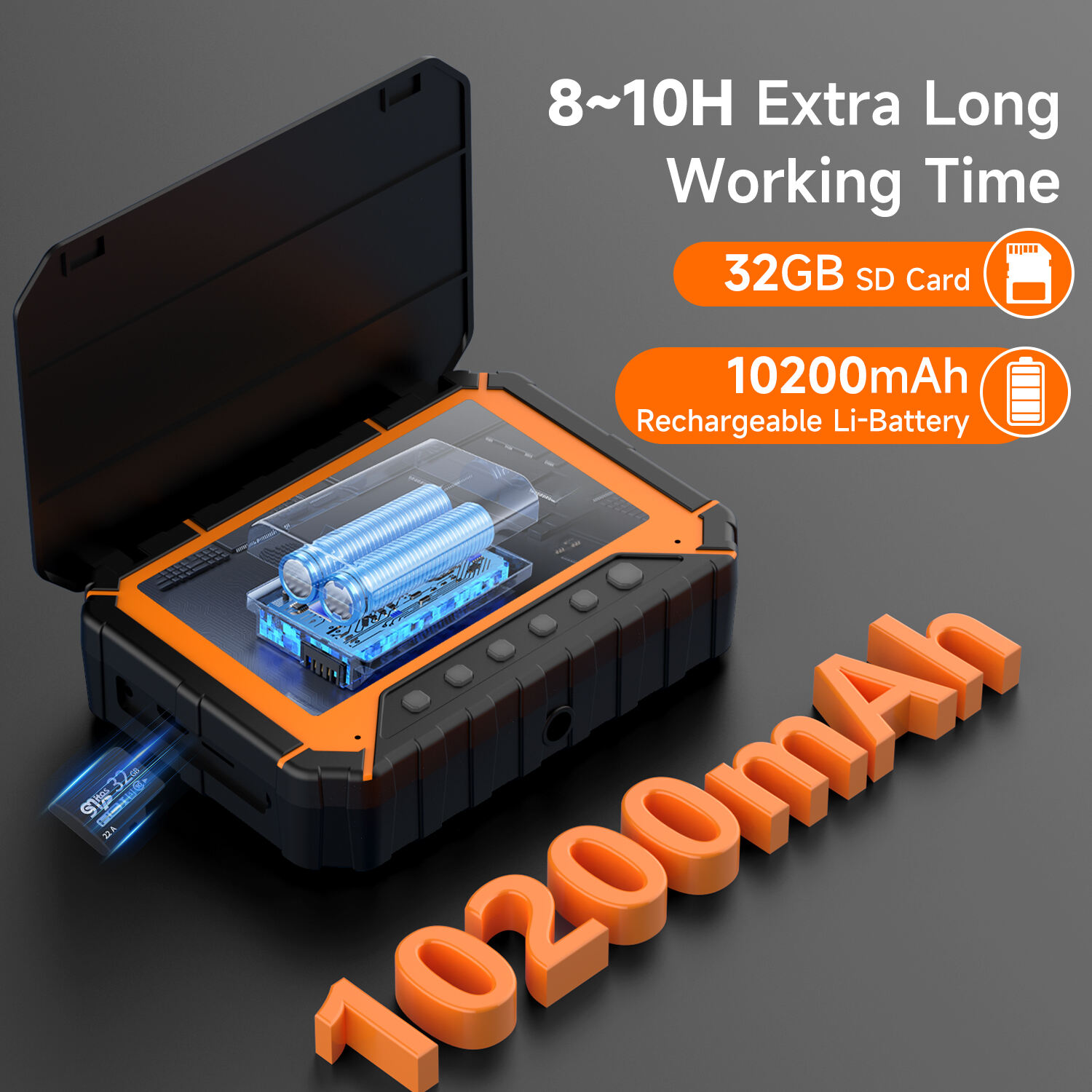
Battery-related problems represent one of the most common operational challenges encountered during field inspections. Drain camera systems typically utilize rechargeable lithium-ion batteries that can experience degradation over time, especially when subjected to extreme temperatures or improper charging cycles. When equipment fails to maintain adequate power levels during extended inspection sessions, technicians should first verify that the charging system is functioning correctly and that all connections remain secure.
Temperature extremes can significantly impact battery performance, with cold weather reducing available capacity and excessive heat potentially causing permanent damage to battery cells. Professional operators should store equipment in climate-controlled environments whenever possible and allow batteries to reach optimal operating temperatures before beginning inspection work. Regular battery maintenance, including proper charging cycles and periodic capacity testing, helps ensure reliable performance during critical diagnostic operations.
Screen Display Malfunctions
Display screen problems can severely impact the effectiveness of pipe inspection procedures, making it difficult or impossible to properly assess internal conditions. Common display issues include flickering screens, color distortion, brightness problems, and complete display failures that prevent operators from viewing live video feeds. These problems may result from loose connections, damaged display components, or software-related issues that require systematic troubleshooting approaches.
When encountering display problems, technicians should first check all cable connections to ensure secure attachment points and examine cables for signs of physical damage or wear. Environmental factors such as moisture infiltration or impact damage can also affect display performance, requiring protective measures during equipment operation and storage. Regular cleaning of display screens and protective covers helps maintain optimal visibility and prevents accumulated debris from interfering with inspection accuracy.
Camera Head and Cable Difficulties
Image Quality Degradation
Poor image quality can significantly compromise the accuracy of pipe inspections and may result from various factors including dirty lenses, inadequate lighting, or damaged camera components. drain camera systems require regular maintenance to ensure optimal image clarity and color accuracy during diagnostic procedures. Operators should establish routine cleaning protocols that address lens surfaces, lighting elements, and protective housings that can accumulate debris during normal operation.
Lighting system problems often manifest as dark or unevenly illuminated images that make it difficult to identify pipe conditions accurately. LED lighting arrays can experience individual element failures or power distribution issues that affect overall illumination quality. Regular inspection of lighting components and prompt replacement of failed elements helps maintain consistent image quality throughout extended inspection sessions.
Cable Management Problems
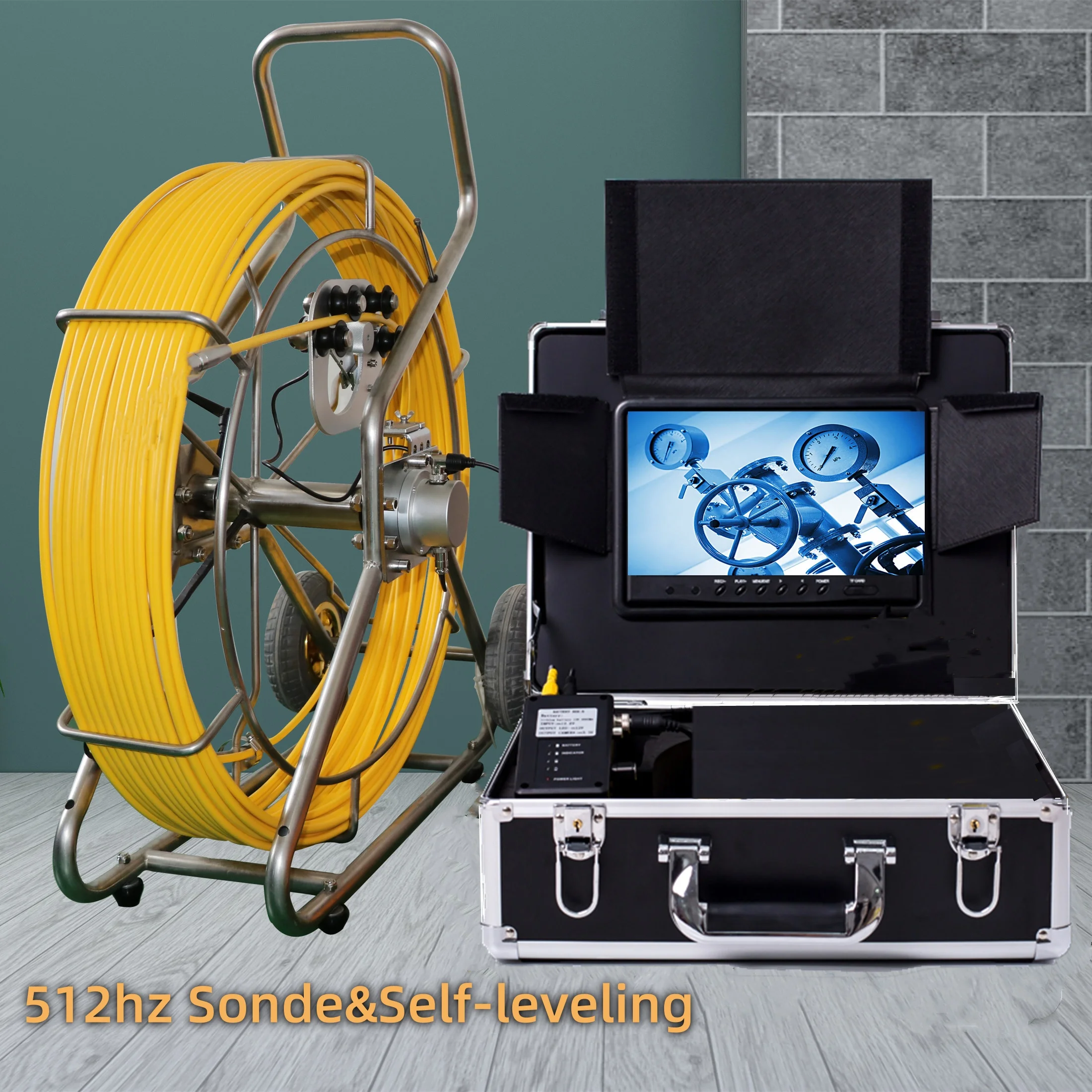
Cable-related issues represent another significant category of operational problems that can affect equipment performance and reliability. Push cables can experience kinking, twisting, or internal wire breakage that disrupts signal transmission and compromises camera functionality. Proper cable handling techniques and regular inspection procedures help identify potential problems before they result in complete system failures during critical diagnostic work.
Cable reel mechanisms can also develop mechanical problems that affect deployment and retrieval operations, including binding issues, irregular winding patterns, or damaged guide systems. These problems can lead to cable damage and may prevent operators from accessing target inspection areas effectively. Regular lubrication of mechanical components and careful attention to proper cable handling procedures help minimize wear and extend equipment service life significantly.
Connectivity and Recording Issues
Data Transfer Problems
Modern inspection systems often include digital recording capabilities and data transfer functions that allow operators to document findings and share inspection results with clients or colleagues. Connection problems between equipment components or with external devices can prevent proper data recording and transfer operations. USB ports, memory card slots, and wireless connectivity features may experience intermittent failures or complete operational breakdowns that require systematic troubleshooting approaches.
File corruption issues can also affect recorded inspection data, potentially resulting in lost documentation of critical pipe conditions or system defects. Regular backup procedures and proper file management practices help protect valuable inspection data and ensure that documentation remains accessible for future reference and analysis purposes.
Software Compatibility Challenges
Software-related problems can affect various aspects of equipment operation, including user interface functionality, recording capabilities, and data management features. Firmware updates may occasionally introduce compatibility issues or operational changes that require operator familiarization and adjustment of established procedures. Keeping software versions current while maintaining system stability requires careful attention to manufacturer recommendations and testing protocols.
Integration with external software systems or reporting platforms may also present challenges, particularly when working with older computer systems or specialized inspection management software. Establishing standardized data formats and maintaining current software versions helps minimize compatibility issues and ensures seamless integration with existing workflow processes.
Environmental and Operational Challenges
Moisture and Contamination Issues
Sewer and drainage environments present unique challenges for electronic equipment, including exposure to moisture, corrosive gases, and various contaminants that can affect system performance and longevity. Even equipment designed with robust waterproof ratings can experience problems when seals become compromised or when extreme environmental conditions exceed design specifications. Regular inspection of sealing systems and protective housings helps identify potential vulnerability points before they result in equipment damage.
Chemical contamination from aggressive wastewater or cleaning agents can also affect equipment materials and electronic components over time. Establishing proper decontamination procedures and using appropriate protective equipment helps minimize exposure risks and extends service life for critical inspection tools used in challenging environmental conditions.
Temperature Sensitivity Concerns
Extreme temperature conditions can affect various aspects of equipment performance, from battery capacity and display visibility to mechanical component operation and electronic circuit functionality. Cold weather operations may require equipment preconditioning and extended warm-up periods to achieve optimal performance levels. Hot weather conditions can affect battery life and may require additional cooling measures to prevent overheating during extended inspection sessions.
Thermal cycling between extreme temperatures can also cause mechanical stress on equipment components and may lead to premature failure of seals, connections, or other critical elements. Proper equipment storage and gradual temperature acclimation help minimize thermal stress and maintain reliable performance across varying environmental conditions encountered during field operations.
Maintenance and Prevention Strategies
Routine Inspection Protocols
Implementing comprehensive preventive maintenance programs significantly reduces the likelihood of equipment failures and extends service life for expensive inspection tools. Regular visual inspections of all system components help identify wear patterns, damage, or deterioration before problems become serious enough to affect operational capability. Documentation of maintenance activities and equipment condition assessments provides valuable data for predicting replacement needs and optimizing maintenance schedules.
Calibration procedures ensure that equipment continues to provide accurate measurements and reliable performance over time. Regular calibration checks verify that camera systems maintain proper color balance, focus accuracy, and measurement precision required for professional diagnostic work. Establishing routine calibration schedules based on manufacturer recommendations and usage patterns helps maintain equipment accuracy and reliability.
Proper Storage and Handling
Appropriate storage conditions play a crucial role in maintaining equipment reliability and preventing premature deterioration of sensitive components. Climate-controlled storage environments protect electronic components from temperature extremes and humidity fluctuations that can cause corrosion or other damage. Secure storage also protects expensive equipment from physical damage and unauthorized access that could compromise system integrity or performance.
Proper handling techniques during transport and field operations help minimize mechanical stress and reduce the risk of impact damage to sensitive components. Training operators in correct equipment handling procedures and providing appropriate protective cases or transport equipment helps ensure that inspection tools remain in optimal condition throughout their service life.
FAQ
What should I do if my inspection equipment suddenly loses power during an operation
When equipment loses power unexpectedly, first check battery connections and charge levels to ensure adequate power supply. If batteries appear properly charged, examine power cables and connections for damage or loose contacts. Consider environmental factors such as extreme temperatures that may affect battery performance, and allow equipment to reach optimal operating temperature if necessary.
How can I improve image quality when working in challenging pipe conditions
Poor image quality often results from dirty camera lenses or inadequate lighting systems. Clean camera lenses carefully with appropriate cleaning materials and check LED lighting elements for proper operation. Adjust camera settings such as brightness and contrast to optimize visibility, and consider using different lighting angles or intensities based on pipe conditions and material types.
Why does my equipment experience intermittent connectivity problems with recording devices
Intermittent connectivity issues typically stem from loose connections, damaged cables, or compatibility problems between system components. Check all cable connections for secure attachment and inspect cables for signs of wear or damage. Verify that memory cards or storage devices are properly formatted and compatible with your equipment specifications.
What preventive measures can help extend the service life of inspection equipment
Regular cleaning and maintenance procedures significantly extend equipment life and reliability. Establish routine inspection schedules to identify potential problems early, store equipment in appropriate environmental conditions, and follow manufacturer recommendations for maintenance intervals. Proper operator training and careful equipment handling also help prevent damage and ensure optimal performance over time.
Table of Contents
- Power and Display Problems
- Camera Head and Cable Difficulties
- Connectivity and Recording Issues
- Environmental and Operational Challenges
- Maintenance and Prevention Strategies
-
FAQ
- What should I do if my inspection equipment suddenly loses power during an operation
- How can I improve image quality when working in challenging pipe conditions
- Why does my equipment experience intermittent connectivity problems with recording devices
- What preventive measures can help extend the service life of inspection equipment