 EN
EN


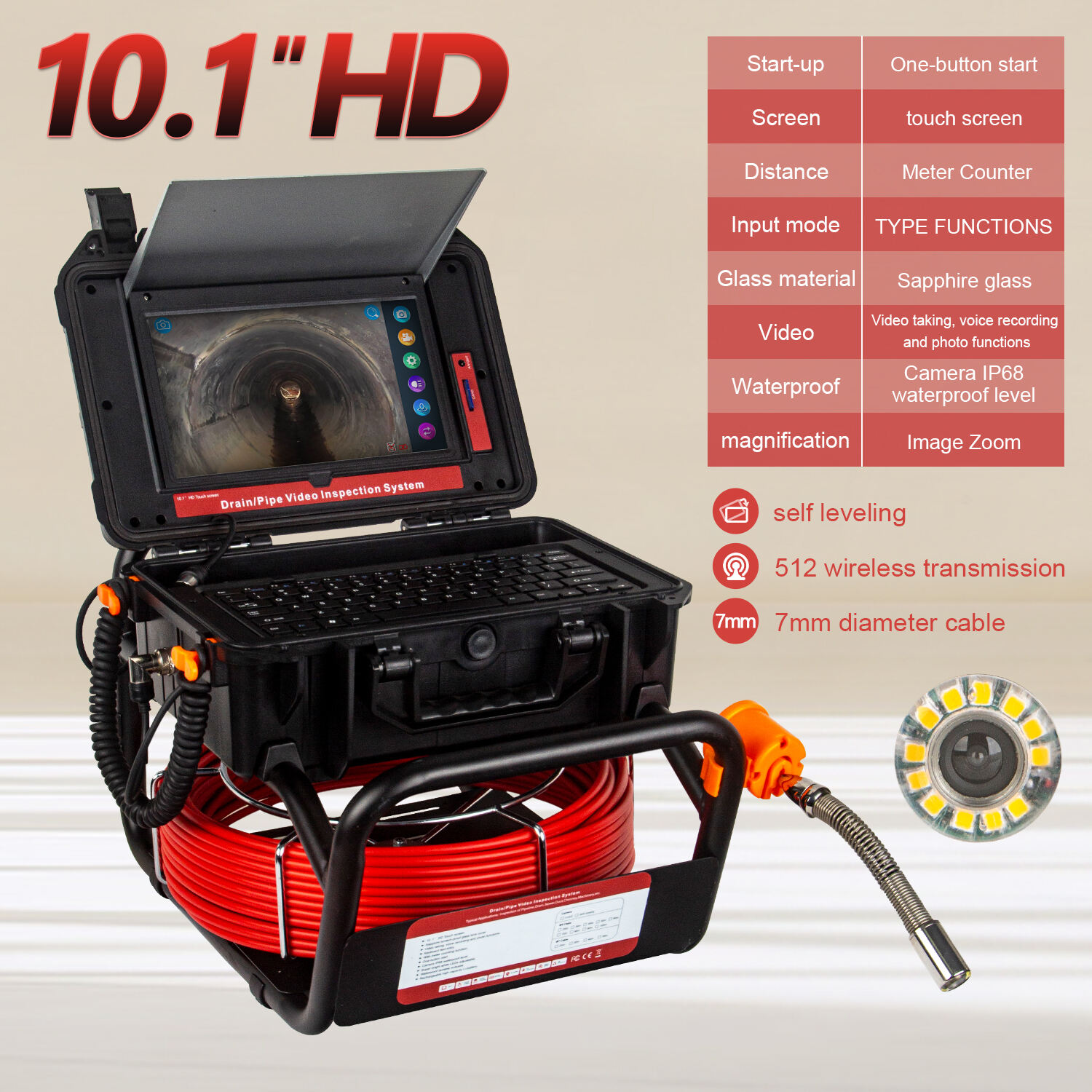
Professional plumbing diagnostics have evolved significantly with the introduction of advanced inspection technologies. A high-quality sewer camera serves as an indispensable tool for identifying blockages, pipe damage, and structural issues within drainage systems. These sophisticated devices enable technicians to conduct thorough assessments without costly excavation work. The modern sewer camera market offers numerous options with varying capabilities and features designed to meet different professional requirements.
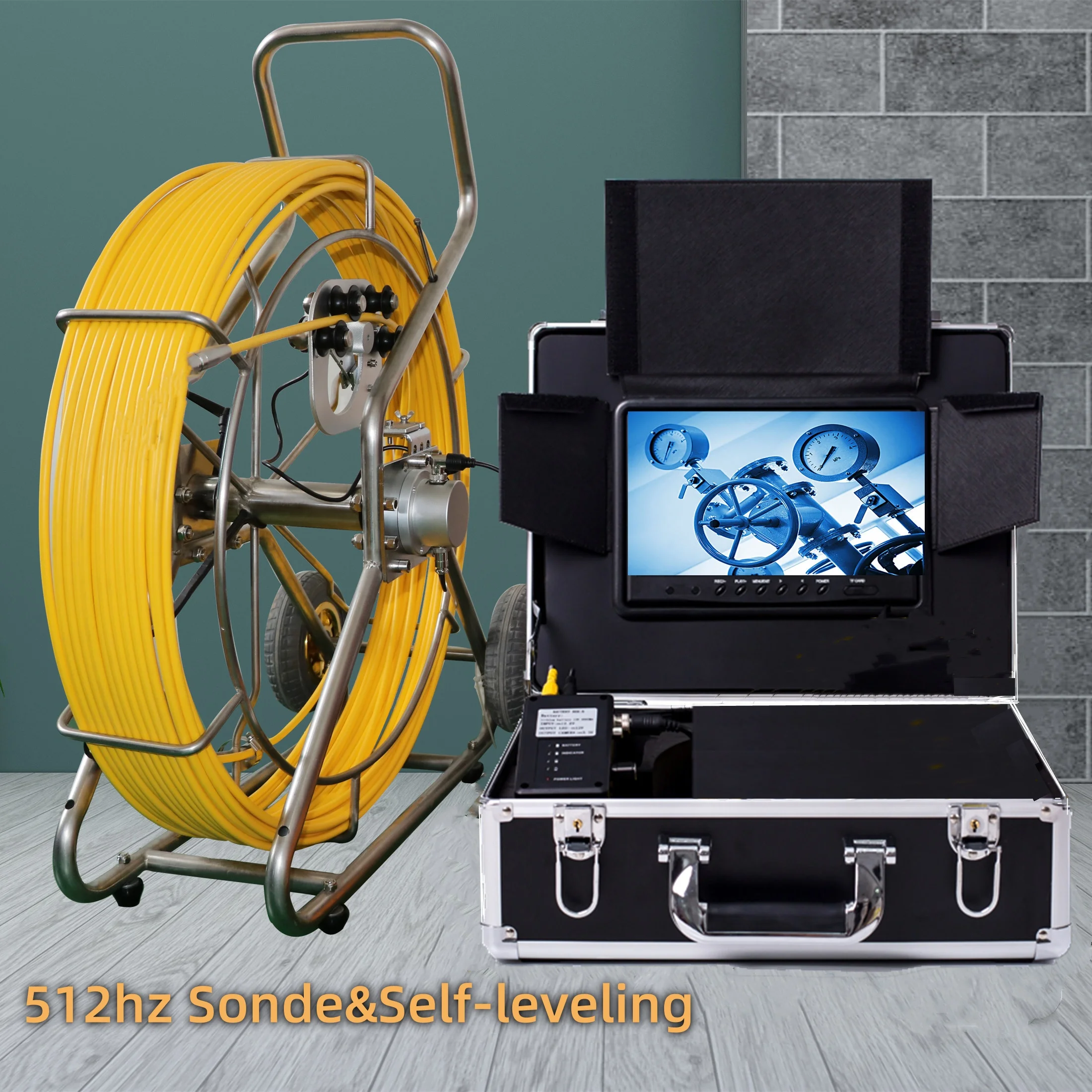
High-Resolution Imaging Capabilities
Video Quality Standards
Professional-grade inspection equipment demands superior video resolution to accurately identify pipe conditions. Modern systems typically feature 1080p HD recording capabilities that capture intricate details within sewer lines. The enhanced clarity enables technicians to distinguish between minor wear patterns and significant structural damage. High-definition footage also provides valuable documentation for client reports and insurance claims.
Advanced imaging sensors optimize performance in challenging lighting conditions commonly found in underground environments. Some models incorporate LED lighting arrays that illuminate pipe interiors effectively without causing glare or reflection issues. The combination of quality optics and proper illumination ensures consistent image clarity throughout lengthy inspection procedures.
Camera Head Design
The camera head configuration significantly impacts inspection effectiveness and equipment durability. Self-leveling camera heads maintain optimal viewing angles automatically, reducing operator fatigue during extended use. Waterproof construction with IP68 ratings protects sensitive electronics from moisture damage in harsh sewer environments. Compact designs allow navigation through tight bends and smaller pipe diameters without compromising image quality.
Sapphire glass lenses resist scratching and chemical corrosion better than standard materials. This durability ensures consistent image quality over extended service periods. Some advanced models feature interchangeable camera heads to accommodate different pipe sizes and inspection requirements effectively.
Cable Length and Durability
Extended Reach Capabilities
Professional applications often require substantial cable lengths to inspect extensive sewer systems thoroughly. Quality systems offer cables ranging from 100 to 300 meters, enabling comprehensive surveys of large commercial properties. Longer cables reduce the need for multiple access points, improving inspection efficiency and reducing labor costs. The sewer camera systems with extended reach prove invaluable for municipal and industrial applications.
Cable management systems prevent tangling and facilitate smooth deployment in challenging environments. Motorized reels enable effortless cable retrieval, reducing physical strain on operators during lengthy inspections. Proper cable organization also minimizes setup time between different inspection locations.
Construction Materials
High-grade fiberglass construction provides optimal flexibility while maintaining pushing strength through pipe systems. The cable jacket must resist chemical exposure from various sewage compositions and cleaning agents. Kevlar reinforcement cores prevent stretching and breakage under tension, ensuring reliable performance in demanding conditions.
Strain relief connections at both ends protect internal wiring from damage during frequent deployment cycles. Quality cables feature multiple conductor paths to maintain functionality even if individual wires become compromised. These design elements extend equipment lifespan and reduce maintenance requirements significantly.
Display Screen Technology
Screen Size and Visibility
Large display screens enhance viewing comfort and reduce eye strain during prolonged inspection sessions. Nine-inch screens represent the optimal balance between portability and visibility for field applications. High-brightness displays remain clearly visible in various lighting conditions, from bright outdoor settings to dimly lit basement areas.
Sunlight-readable screens eliminate the need for shading equipment in outdoor environments. Anti-glare coatings reduce reflection issues that could interfere with accurate pipe assessment. Touch-screen interfaces provide intuitive control options while wearing work gloves in professional environments.
Recording and Documentation
Built-in recording capabilities enable comprehensive documentation of inspection findings for client reports. Digital storage systems accommodate hours of video footage without quality degradation. USB connectivity allows easy file transfer to computers for detailed analysis and archival purposes.
Real-time annotation features enable technicians to add notes and measurements directly to video recordings. Time-stamping functionality helps correlate findings with specific pipe locations during post-inspection analysis. These documentation capabilities prove essential for warranty claims and maintenance planning activities.
Locating and Measurement Features
Pipe Location Technology
Integrated 512Hz sondes enable precise camera head location from ground level using compatible receivers. This technology eliminates guesswork when determining exact problem locations for targeted repairs. Accurate positioning reduces excavation costs and minimizes property damage during repair operations.
Depth measurement capabilities provide essential information for repair planning and cost estimation. Digital distance counters track cable deployment length, helping technicians map pipe layouts accurately. GPS integration in advanced systems enables precise coordinate recording for future reference and maintenance scheduling.
Measurement Tools
On-screen measurement tools allow real-time assessment of pipe diameters, crack sizes, and obstruction dimensions. Calibration features ensure measurement accuracy across different pipe materials and sizes. These capabilities enable accurate repair estimates without additional site visits or specialized equipment.
Automated measurement functions reduce operator error and improve consistency across different technicians. Digital calipers and rulers overlay directly onto live video feeds for immediate dimensional analysis. These tools prove particularly valuable for insurance documentation and engineering assessments.
Power Management and Portability
Battery Life and Performance
Extended battery life ensures complete inspection cycles without interruption or equipment charging delays. Lithium-ion battery systems provide consistent power output throughout discharge cycles, maintaining steady performance levels. Quick-charge capabilities minimize downtime between consecutive inspection appointments.
Multiple battery options allow continuous operation through battery swapping during extended projects. Power management systems optimize energy consumption to maximize operational time per charge. Battery level indicators provide accurate remaining runtime estimates for effective job scheduling.
Transport and Setup
Compact designs facilitate easy transport between multiple job sites in standard service vehicles. Integrated carrying cases protect equipment during transit while organizing accessories systematically. Quick-setup features enable rapid deployment, reducing billable setup time for client projects.
Ergonomic handles and balanced weight distribution reduce operator fatigue during equipment positioning. Modular designs allow customization based on specific inspection requirements without carrying unnecessary components. These portability features enhance productivity and reduce physical strain on field technicians.
FAQ
What pipe sizes can professional sewer cameras inspect effectively
Professional sewer camera systems typically accommodate pipes ranging from 2 inches to 36 inches in diameter. Smaller residential lines require compact camera heads, while larger commercial systems use full-sized inspection equipment. Many professional models include interchangeable camera heads to handle various pipe sizes within a single system. The key factor is selecting equipment that matches your typical inspection requirements while maintaining image quality across all pipe dimensions.
How often should sewer camera equipment undergo calibration and maintenance
Regular maintenance schedules depend on usage frequency and environmental conditions, but most professionals recommend monthly cleaning and quarterly calibration checks. Heavy-use equipment may require more frequent attention, particularly in harsh chemical environments. Proper maintenance includes camera lens cleaning, cable inspection, battery testing, and measurement tool calibration. Following manufacturer maintenance guidelines extends equipment lifespan and ensures consistent inspection accuracy.
Can sewer cameras detect all types of pipe problems and blockages
Sewer cameras excel at identifying visible problems such as cracks, breaks, root intrusion, grease buildup, and foreign objects. However, they cannot detect issues behind pipe walls or problems that do not create visible changes in pipe interiors. Ground penetrating radar or other specialized equipment may be necessary for comprehensive structural assessments. The combination of visual inspection and additional diagnostic tools provides the most thorough pipe evaluation.
What factors determine the appropriate cable length for different applications
Cable length requirements depend on building size, pipe layout complexity, and access point availability. Residential applications typically require 100-150 meters, while commercial and municipal systems may need 200-300 meters or more. Consider the longest continuous pipe run you typically encounter, plus additional length for maneuvering around obstacles. Longer cables provide greater flexibility but increase equipment cost and setup complexity for smaller jobs.