 EN
EN


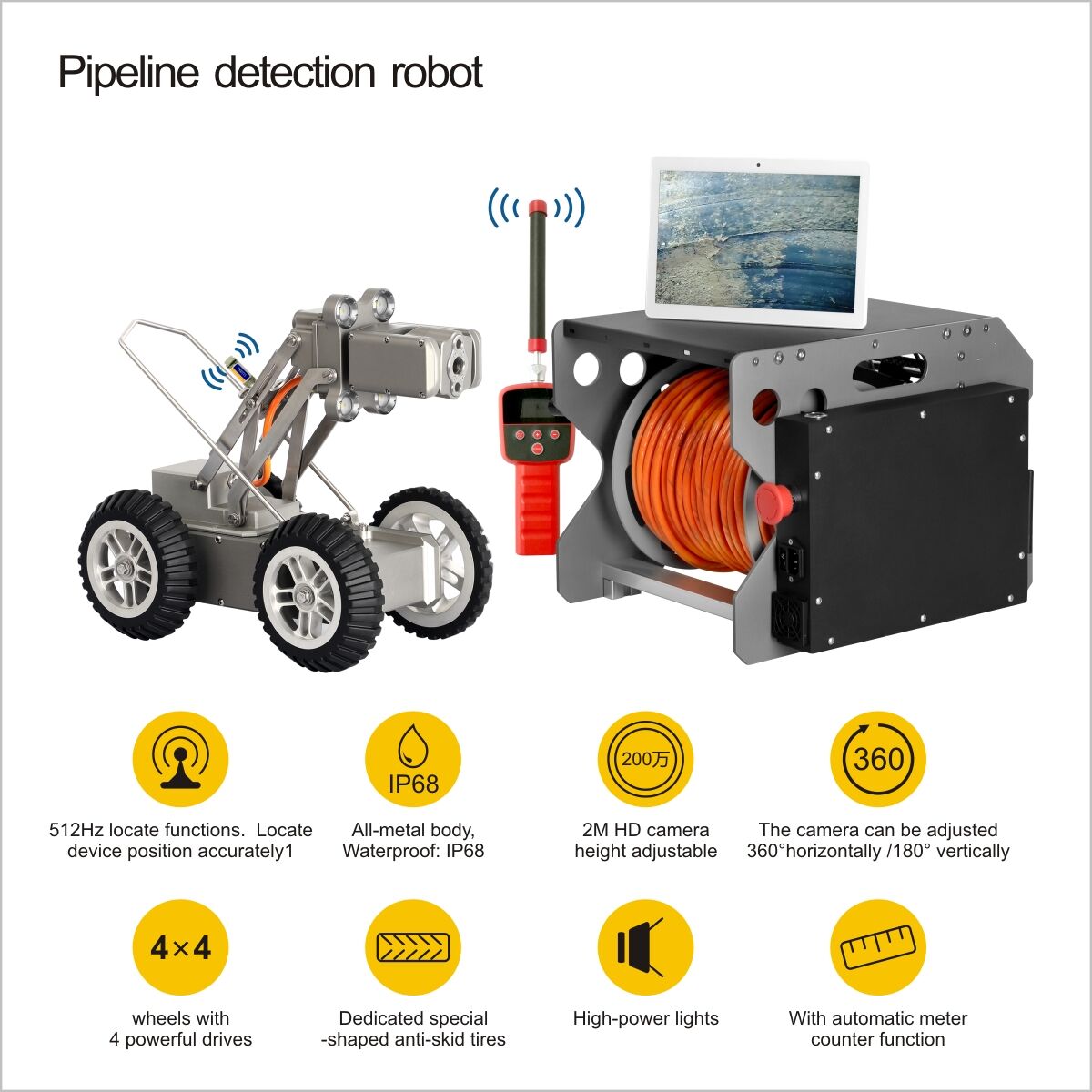
When faced with a stubborn toilet clog that won't respond to a plunger, homeowners and plumbers often turn to a more powerful solution: the toilet snake. This essential plumbing tool, also known as a drain auger, comes in two primary variants that each offer distinct advantages for different situations. Understanding the fundamental differences between electric and manual toilet snake options can help you make an informed decision for your specific plumbing needs.
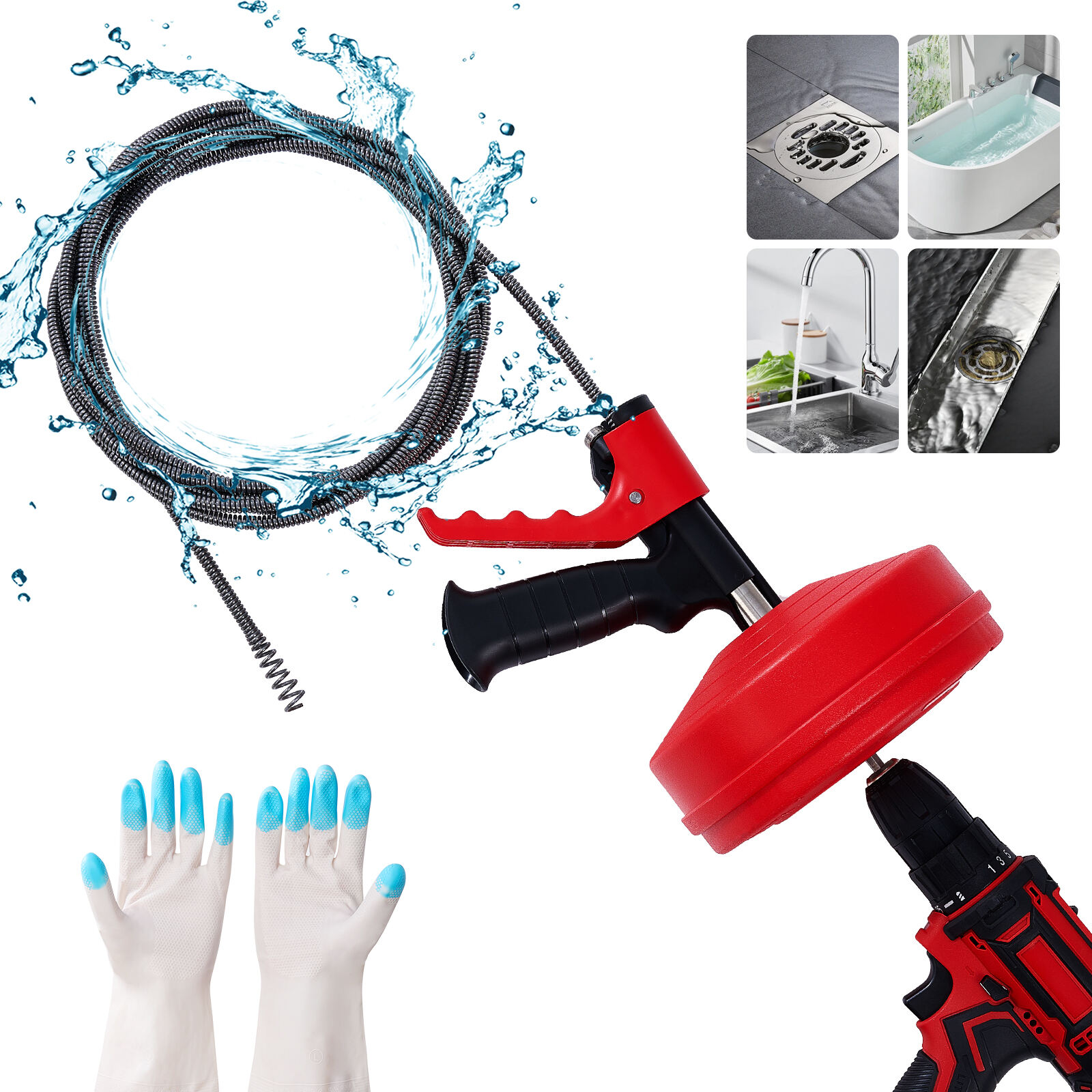
The choice between electric and manual toilet snake tools depends on various factors including the severity of the blockage, frequency of use, budget constraints, and personal preference. Both types serve the same fundamental purpose of breaking through and removing obstructions in toilet drains, but they accomplish this task through different mechanisms and offer varying levels of efficiency and convenience.
Understanding Manual Toilet Snake Technology
Basic Operation and Design Features
A manual toilet snake operates through simple mechanical action, requiring the user to physically rotate and push the cable through the drain system. The basic design consists of a flexible steel cable with a corkscrew-like tip, enclosed in a protective housing with a hand crank mechanism. This straightforward construction makes manual toilet snake tools reliable and less prone to mechanical failure compared to their electric counterparts.
The manual operation provides tactile feedback that allows experienced users to feel exactly what's happening inside the drain. This sensory connection helps determine the nature of the obstruction and ensures proper technique application. Most manual toilet snake models feature cables ranging from 15 to 50 feet in length, providing adequate reach for typical residential plumbing systems.
Advantages of Manual Toilet Snake Tools
Cost-effectiveness represents the most significant advantage of manual toilet snake equipment. These tools typically retail for significantly less than electric models, making them accessible to homeowners with limited budgets. The absence of electrical components also eliminates ongoing maintenance costs associated with motor repairs or battery replacements.
Portability stands as another key benefit of manual toilet snake tools. Without the need for power sources or heavy motors, these devices can be easily transported and used in locations where electrical outlets aren't readily available. The lightweight design makes storage convenient and reduces physical strain during extended use periods.
Exploring Electric Toilet Snake Capabilities
Advanced Motor Technology and Performance
Electric toilet snake models incorporate powerful motors that automatically rotate the cable, eliminating the need for manual cranking. This motorized operation provides consistent torque and rotation speed, often resulting in more effective obstruction removal. The motor's steady power delivery can handle tougher blockages that might prove challenging for manual operation.
Modern electric toilet snake units often feature variable speed controls, allowing operators to adjust rotation rates based on specific situations. Some models include reverse functionality, enabling users to back out of tight spots or retrieve broken cable sections. These advanced features enhance operational flexibility and effectiveness in challenging scenarios.
Efficiency and Time-Saving Benefits
The automated operation of electric toilet snake tools significantly reduces physical effort and completion time for most drain clearing tasks. Professional plumbers particularly appreciate this efficiency when handling multiple jobs throughout the day. The consistent motor power ensures optimal performance regardless of operator fatigue levels or physical limitations.
Electric models often incorporate safety features such as automatic shutoffs and overload protection, preventing damage to both the equipment and plumbing systems. These built-in safeguards help prevent costly mistakes that could result from inexperienced operation or equipment malfunction.
Comparative Analysis of Performance Factors
Effectiveness Against Different Obstruction Types
Manual toilet snake tools excel when dealing with soft obstructions such as paper products, organic waste, or hair clogs. The controlled application of force allows operators to carefully work through delicate materials without causing pipe damage. However, they may struggle with harder obstructions like mineral deposits or foreign objects that require more aggressive action.
Electric toilet snake models demonstrate superior performance against stubborn blockages, including tree roots, solidified grease, and compressed debris. The consistent motor power can maintain effective cutting action even when encountering significant resistance. This capability makes electric units preferred choices for commercial applications and severe residential problems.
User Experience and Learning Curve
Operating a manual toilet snake requires developing proper technique and physical coordination. Users must learn to apply appropriate pressure while maintaining steady rotation speed to avoid cable binding or pipe damage. This learning curve can be intimidating for inexperienced operators but ultimately provides valuable hands-on understanding of drain clearing principles.
Electric toilet snake operation is generally more straightforward, requiring minimal physical technique development. The automated motor handles rotation and torque application, allowing users to focus primarily on guidance and positioning. This simplified operation makes electric models more accessible to occasional users and those with limited physical strength.
Economic Considerations and Long-Term Value
Initial Investment and Operating Costs
The upfront cost difference between manual and electric toilet snake options can be substantial, with electric models typically costing two to five times more than comparable manual units. This price differential reflects the additional complexity of motor systems, electrical components, and advanced features included in powered models.
Operating costs for manual toilet snake tools remain minimal throughout their service life, consisting primarily of occasional cable replacement and basic maintenance supplies. Electric models require additional considerations including electricity consumption, potential motor repairs, and periodic service requirements that can accumulate over time.
Return on Investment Analysis
For professional plumbers and maintenance personnel who use toilet snake equipment regularly, electric models often provide superior return on investment through increased efficiency and reduced labor time. The time savings achieved with motorized operation can quickly offset the higher initial purchase price in commercial applications.
Homeowners who encounter drain problems infrequently may find manual toilet snake tools offer better value propositions. The lower purchase price combined with adequate performance for typical residential clogs makes manual models financially sensible choices for occasional use scenarios.
Safety and Maintenance Requirements
Operational Safety Considerations
Manual toilet snake operation presents relatively few safety risks when proper techniques are employed. The primary concerns involve avoiding excessive force that could damage pipes or cause cable binding. Users should also wear appropriate protective equipment including gloves and eye protection when working with potentially contaminated drain contents.
Electric toilet snake tools introduce additional safety considerations related to electrical operation and increased mechanical power. Proper grounding, moisture protection, and awareness of rotating components become essential safety factors. The higher torque generated by electric motors can cause more severe injuries if safety protocols aren't followed consistently.
Maintenance and Longevity Factors
Manual toilet snake maintenance requirements are straightforward, typically involving cable cleaning, lubrication of moving parts, and occasional replacement of worn components. The simple mechanical design contributes to extended service life when proper care is provided. Many manual units can provide decades of reliable service with minimal maintenance investment.
Electric toilet snake models require more comprehensive maintenance programs including motor service, electrical component inspection, and periodic calibration of control systems. While modern electric units are designed for durability, the additional complexity inevitably leads to higher maintenance requirements and potential repair costs over the equipment's service life.
FAQ
How do I determine whether a manual or electric toilet snake is right for my needs?
Consider the frequency of use, types of clogs you typically encounter, and your budget constraints. Manual toilet snake tools work well for occasional residential use and soft obstructions, while electric models excel in frequent use situations and against stubborn blockages. Professional plumbers and maintenance personnel usually benefit from electric models, while homeowners often find manual versions adequate for their needs.
Can electric toilet snake tools damage my plumbing more easily than manual versions?
Electric toilet snake models can potentially cause more damage if used improperly due to their higher torque output and consistent power delivery. However, many modern electric units include safety features like automatic shutoffs and torque limiting that help prevent pipe damage. Proper technique and understanding of your plumbing system are essential regardless of which type you choose.
What is the typical lifespan difference between manual and electric toilet snake tools?
Manual toilet snake tools typically last longer due to their simpler mechanical design, often providing 15-20 years of service with proper maintenance. Electric models generally have shorter lifespans, typically 8-15 years, due to motor wear and electrical component degradation. However, the actual lifespan depends heavily on usage frequency, maintenance quality, and operating conditions.
Are there situations where neither manual nor electric toilet snake options are appropriate?
Some severe blockages or plumbing system damage may require professional hydro-jetting, pipe replacement, or specialized equipment beyond standard toilet snake capabilities. Additionally, very old or fragile plumbing systems might be better served by gentler clearing methods. When basic toilet snake attempts fail repeatedly, consulting a professional plumber is recommended to avoid potential system damage.
Table of Contents
- Understanding Manual Toilet Snake Technology
- Exploring Electric Toilet Snake Capabilities
- Comparative Analysis of Performance Factors
- Economic Considerations and Long-Term Value
- Safety and Maintenance Requirements
-
FAQ
- How do I determine whether a manual or electric toilet snake is right for my needs?
- Can electric toilet snake tools damage my plumbing more easily than manual versions?
- What is the typical lifespan difference between manual and electric toilet snake tools?
- Are there situations where neither manual nor electric toilet snake options are appropriate?