 EN
EN


When faced with a stubborn toilet clog that won't respond to a plunger, a toilet snake becomes an essential tool for homeowners and professional plumbers alike. This specialized plumbing device, also known as a closet auger, provides the mechanical power needed to break through blockages that standard methods cannot reach. Understanding how to properly use a toilet snake can save you from expensive plumber visits while restoring your bathroom functionality quickly and efficiently.
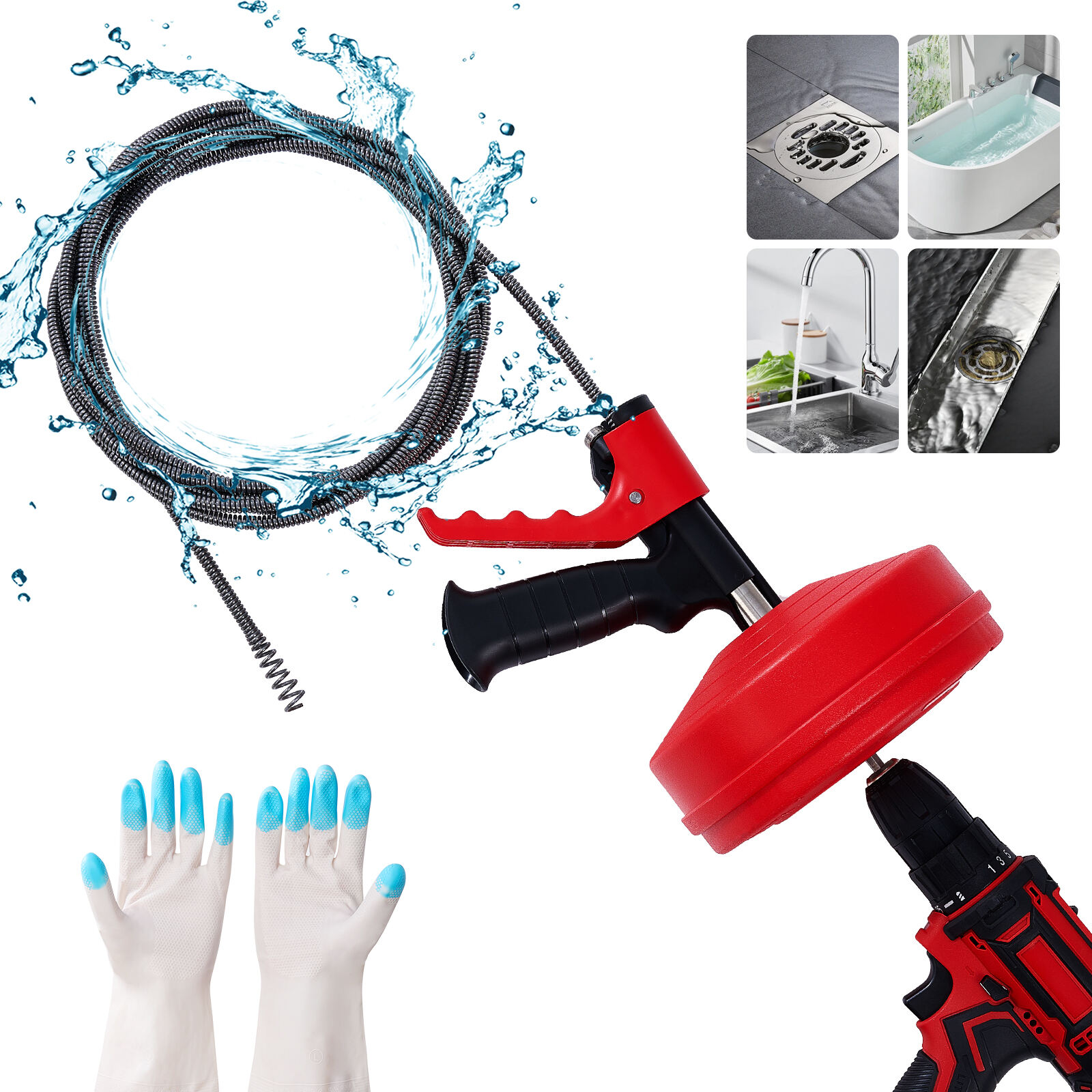
The effectiveness of a toilet snake lies in its unique design, which allows it to navigate the curved trap of your toilet while maintaining the torque necessary to break apart or retrieve obstructions. Unlike regular drain snakes used for sinks or tubs, a toilet snake features a protective sleeve that prevents damage to your toilet's porcelain surface. This guide will walk you through the complete process of using this invaluable tool, from initial preparation to final cleanup, ensuring you can tackle even the most challenging toilet blockages with confidence.
Understanding Toilet Snake Mechanics and Components
Essential Parts of a Toilet Snake
A toilet snake consists of several key components that work together to clear blockages effectively. The main cable, typically ranging from 3 to 6 feet in length, provides the reach needed to access clogs deep within the toilet trap. This flexible steel cable maintains enough rigidity to push through obstructions while remaining pliable enough to navigate the toilet's curved passages without causing damage.
The protective sleeve or boot serves as a crucial barrier between the snake's metal components and your toilet's porcelain surface. This rubber or plastic housing prevents scratches and chips while allowing the operator to maintain proper positioning during the unclogging process. The handle mechanism, often featuring a crank or rotating grip, enables you to apply rotational force to the cable, helping to break apart stubborn blockages or grab hold of foreign objects.
How Toilet Snake Technology Works
The operational principle of a toilet snake relies on combining mechanical force with rotational movement to address various types of blockages. When you insert the cable into the toilet trap and begin rotating the handle, the auger tip at the end of the cable either breaks apart soft obstructions like paper products or grabs onto solid objects for removal. This dual-action capability makes the toilet snake particularly effective against clogs that resist traditional plunging methods.
Modern toilet snake designs incorporate ergonomic features that reduce operator fatigue while maximizing clearing power. The gear ratios in quality models multiply the force applied at the handle, allowing users to generate significant torque at the auger tip without excessive physical effort. This mechanical advantage proves especially valuable when dealing with compacted waste materials or objects lodged firmly in the toilet's trap configuration.
Pre-Operation Safety and Preparation Steps
Workspace Setup and Safety Measures
Before beginning any toilet snake operation, establishing a clean and safe workspace prevents contamination and ensures efficient problem resolution. Clear the area around the toilet of any decorative items, toilet paper holders, or floor mats that might interfere with your movement or become contaminated during the process. Lay down old towels or disposable plastic sheeting to protect your flooring from any water splashes or debris that may occur during the unclogging procedure.
Personal protective equipment plays a vital role in maintaining hygiene and safety throughout the toilet snake operation. Wear rubber gloves that extend past your wrists to prevent direct contact with contaminated water or waste materials. Consider using safety glasses to protect your eyes from potential splashing, especially when working with older toilets that may have irregular water levels or when dealing with particularly stubborn blockages that require more aggressive techniques.
Initial Assessment and Tool Inspection
Examining your toilet snake before use ensures optimal performance and prevents potential complications during the clearing process. Check the cable for any kinks, breaks, or damaged sections that could interfere with operation or cause the tool to become stuck in the toilet trap. Inspect the protective boot or sleeve for cracks or wear that might allow the metal components to contact your toilet's surface, potentially causing expensive damage.
Verify that the handle mechanism operates smoothly and that all connections remain secure throughout the tool's length. Test the rotation by cranking the handle several times while observing the cable movement to ensure proper engagement between all components. A toilet snake in proper working condition will rotate smoothly without binding or irregular movement that could indicate internal damage or wear.
Step-by-Step Toilet Snake Operation Process
Initial Insertion and Positioning
Begin the toilet snake operation by carefully positioning the protective boot against the toilet bowl's drain opening, ensuring complete coverage of the porcelain surface around the trap entrance. The proper angle for insertion typically follows the natural curve of the toilet trap, which means directing the cable downward and slightly toward the back of the bowl. Maintain firm contact between the protective sleeve and the toilet surface to prevent any metal-to-porcelain contact during the clearing process.
Slowly feed the toilet snake cable into the drain opening while applying gentle forward pressure to help it navigate the initial curve of the trap. Avoid forcing the cable, as excessive pressure can cause it to kink or become damaged within the tight confines of the toilet's internal passages. The cable should move relatively smoothly through the first several inches of insertion, with resistance indicating either the presence of a blockage or the need to adjust your insertion angle.
Engaging the Blockage
Once you feel resistance that suggests contact with the obstruction, begin rotating the toilet snake handle in a clockwise direction while maintaining steady forward pressure on the cable. This combination of rotational and linear force helps the auger tip either break apart soft blockages or gain purchase on solid objects for removal. Pay attention to the feedback transmitted through the cable, as different types of obstructions will create distinct sensations during the clearing process.
Continue the rotating motion while gradually advancing the toilet snake deeper into the trap area, allowing the auger to work against the blockage from multiple angles. If you encounter significant resistance, alternate between clockwise and counterclockwise rotation to help break up compacted materials or change the angle of attack against stubborn obstructions. The key to effective toilet snake operation lies in patience and persistence rather than aggressive force that could damage your plumbing or the tool itself.
Advanced Techniques and Troubleshooting Methods
Dealing with Stubborn Blockages
When standard toilet snake techniques fail to clear persistent blockages, advanced methods can often resolve even the most challenging situations. One effective approach involves varying the speed and pressure of your rotational movements, sometimes allowing rapid short bursts of rotation to break up materials that resist steady pressure. This technique proves particularly useful against compacted paper products or organic materials that have hardened over time within the toilet trap.
Another advanced technique involves the systematic withdrawal and reinsertion of the toilet snake at different angles to attack the blockage from various directions. Each insertion attempt should vary the cable's entry angle slightly, allowing the auger tip to contact different portions of the obstruction. This multi-angle approach often succeeds where direct frontal attacks fail, especially when dealing with irregularly shaped objects or materials lodged at odd angles within the trap configuration.
Identifying and Retrieving Foreign Objects
Foreign objects present unique challenges that require modified toilet snake techniques for successful removal. When the auger tip contacts a solid object rather than soft blockage material, focus on hooking or snagging the item rather than attempting to push it further into the plumbing system. Gentle probing movements help determine the object's size, shape, and orientation, providing valuable information for developing an effective retrieval strategy.
Small toys, jewelry, or personal care items often respond well to careful manipulation with the toilet snake auger, which can grab onto surface irregularities or openings in the object. Maintain steady tension on the cable while slowly withdrawing the snake, taking care not to lose grip on the object during extraction. If initial attempts prove unsuccessful, try approaching from different angles or using a slight back-and-forth motion to work the object loose from its lodged position.
Post-Operation Cleanup and Maintenance
Proper Tool Cleaning and Storage
Thorough cleaning of your toilet snake after each use ensures long-term performance and prevents the spread of bacteria or unpleasant odors. Begin by rinsing the entire cable length with hot water to remove any debris or waste materials that may have adhered during the clearing process. Use a mild disinfectant solution and a brush to scrub the cable surface, paying particular attention to the auger tip where most contamination typically occurs.
The protective boot or sleeve requires special attention during the cleaning process, as this component comes into direct contact with contaminated surfaces during operation. Remove any removable parts according to the manufacturer's instructions and clean them separately with appropriate disinfectant solutions. Allow all components to dry completely before reassembly and storage to prevent corrosion or mold growth that could compromise future performance.
Preventing Future Toilet Blockages
Regular maintenance and proper usage habits significantly reduce the need for toilet snake interventions in most households. Educate family members about appropriate flushing practices, emphasizing that toilets should only receive human waste and toilet paper designed to dissolve quickly in water. Items like feminine hygiene products, cotton swabs, dental floss, and paper towels can create blockages that require mechanical intervention to resolve.
Monthly preventive treatments using enzyme-based cleaners help break down organic buildup within the toilet trap and connecting pipes. These biological agents work continuously to digest waste materials and prevent the formation of partial blockages that could develop into complete obstructions over time. Combining proper usage habits with regular maintenance significantly extends the intervals between necessary toilet snake operations.
Frequently Asked Questions
How do I know when to use a toilet snake instead of a plunger
A toilet snake becomes necessary when standard plunging fails to clear a blockage after several attempts or when you suspect a foreign object has been flushed. If the water level remains high despite plunging efforts or if you hear unusual sounds during flushing attempts, these indicate blockages that likely require mechanical intervention. Additionally, recurring clogs in the same toilet often suggest deeper obstructions that a toilet snake can address more effectively than surface-level plunging.
Can using a toilet snake damage my toilet or plumbing
When used properly with appropriate protective equipment, a toilet snake poses minimal risk to your toilet or plumbing system. The protective boot prevents metal-to-porcelain contact, while proper technique avoids excessive force that could damage internal components. However, aggressive use or failure to follow proper procedures can potentially crack porcelain surfaces or damage internal seals, emphasizing the importance of careful operation and patience during the clearing process.
What should I do if the toilet snake gets stuck in the toilet
If your toilet snake becomes lodged during operation, avoid applying excessive force that could worsen the situation or damage the tool. Instead, try gentle back-and-forth movements while rotating the handle to work the cable free from whatever has trapped it. Sometimes reversing the rotation direction helps release a stuck auger tip. If these methods fail, you may need to disassemble the toilet to access the trap area directly, which typically requires professional plumbing assistance.
How often should I replace or maintain my toilet snake
A quality toilet snake can provide years of reliable service with proper maintenance and care. Inspect your tool after each use for signs of wear, corrosion, or damage that could affect performance or safety. Replace the protective boot when it shows signs of cracking or wear, and consider professional servicing if the cable develops kinks or the handle mechanism becomes difficult to operate. With regular cleaning and appropriate storage, most toilet snakes require replacement only every five to ten years under normal residential use.