 EN
EN


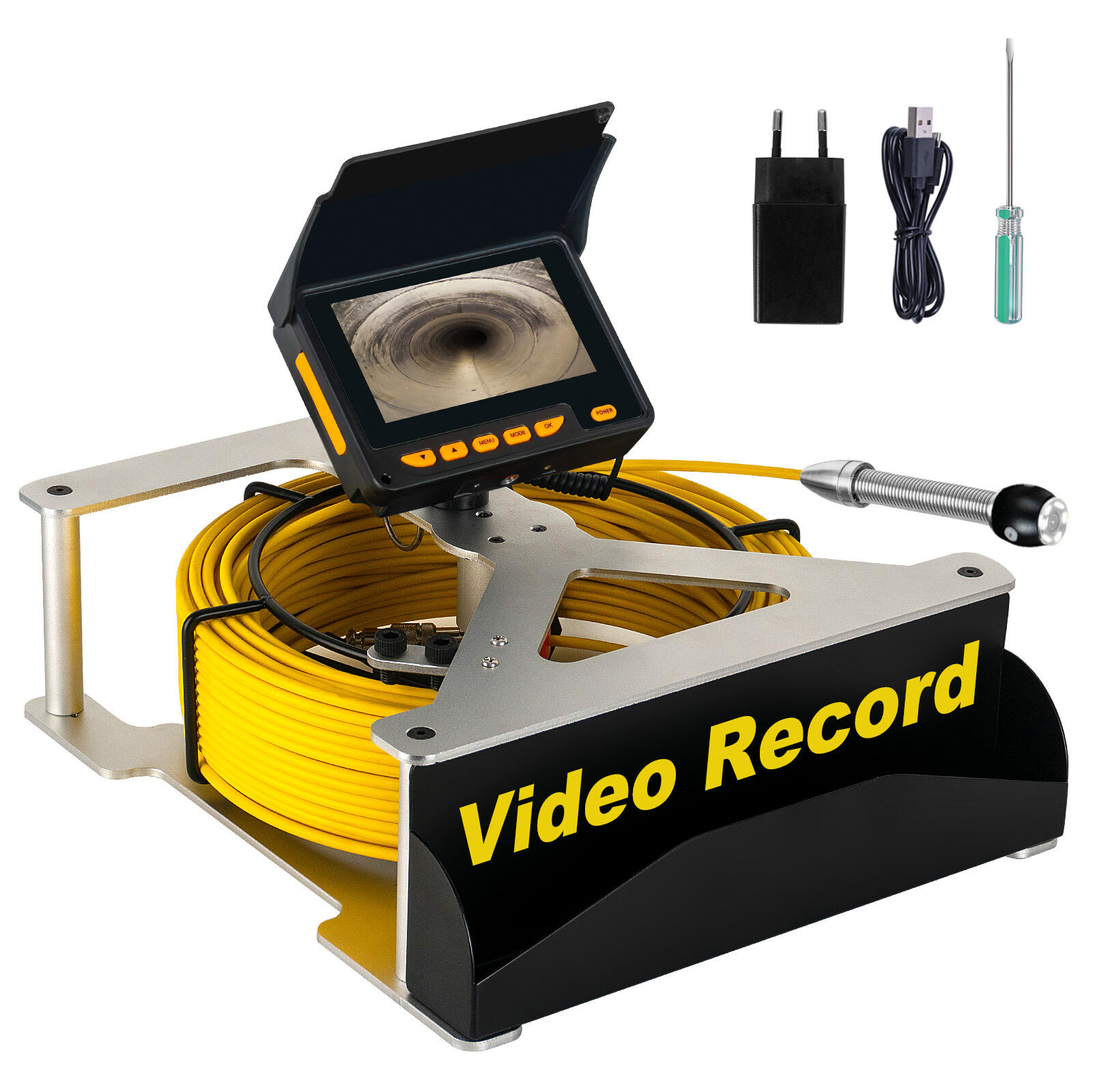
Modern plumbing inspection methods have evolved dramatically with the introduction of advanced pipe camera technology. These sophisticated tools have revolutionized how professionals diagnose pipeline issues, offering unprecedented visibility into previously inaccessible areas. A pipe camera provides real-time visual assessment capabilities that eliminate guesswork and reduce the need for destructive excavation methods. Professional plumbers and municipal utility teams now rely on these devices to deliver accurate diagnostics while minimizing disruption to property and infrastructure.
Advanced Technology Behind Modern Pipe Inspection Systems
High-Definition Visual Capabilities
Contemporary pipe camera systems incorporate cutting-edge imaging technology that delivers crystal-clear visual data from within pipeline networks. These devices feature high-definition sensors capable of capturing detailed footage in challenging underground environments. The enhanced resolution allows technicians to identify even minor defects, cracks, or blockages that might otherwise go unnoticed. Advanced lighting systems integrated into these cameras ensure optimal visibility regardless of ambient conditions within the pipeline structure.
The superior image quality produced by modern pipe camera equipment enables precise documentation of pipeline conditions. Professional-grade models often include recording capabilities that create permanent records for future reference and compliance reporting. This technological advancement has transformed routine inspections into comprehensive diagnostic procedures that provide actionable intelligence for maintenance planning and repair prioritization.
Robotic Mobility and Navigation Features
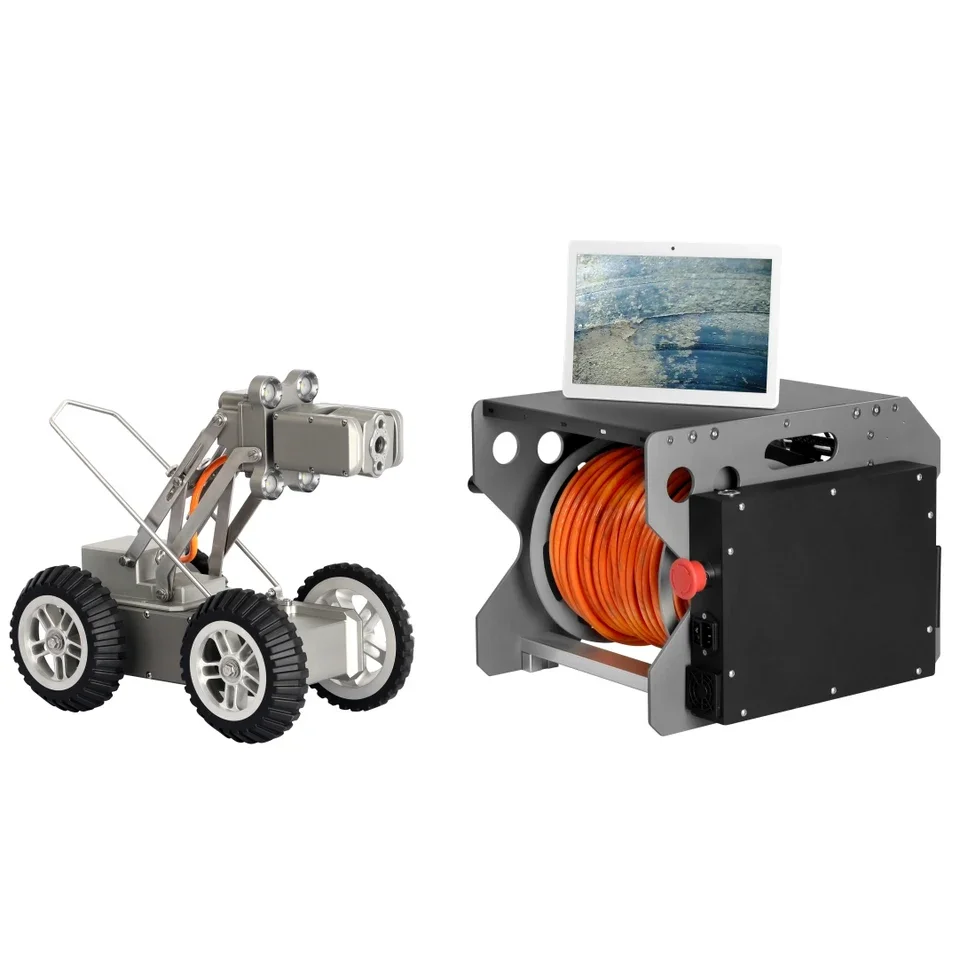
Sophisticated pipe camera systems now incorporate robotic mobility features that enhance their operational versatility. These self-propelled units can navigate through various pipe diameters and configurations with remarkable precision. The integration of crawler mechanisms allows the pipe camera to traverse extended distances while maintaining stable footage quality. Advanced models feature 360-degree rotation capabilities that provide comprehensive coverage of the entire pipe interior surface.
The mobility enhancements in modern pipe camera technology have significantly expanded their application range. These devices can now inspect municipal water systems, large-diameter storm drains, and industrial process pipelines with equal effectiveness. The robust construction and adaptive navigation systems ensure reliable performance across diverse pipeline materials and environmental conditions.
Comprehensive Applications Across Plumbing Systems
Municipal Infrastructure Assessment
Municipal utilities extensively utilize pipe camera technology for systematic infrastructure evaluation and maintenance planning. These comprehensive inspection programs help identify potential failures before they result in service disruptions or environmental incidents. The pipe camera serves as an essential tool for assessing aging pipeline networks and prioritizing replacement or rehabilitation projects based on actual condition data rather than estimated service life.
Large-scale municipal inspections benefit from the efficiency and accuracy that pipe camera systems provide. Teams can evaluate miles of underground infrastructure without requiring extensive excavation or service interruptions. This non-invasive approach significantly reduces inspection costs while providing detailed condition assessments that support informed decision-making for infrastructure investment priorities.
Commercial and Industrial Applications
Commercial facilities and industrial operations rely on pipe camera technology to maintain critical process systems and comply with regulatory requirements. Manufacturing plants use these inspection tools to monitor process piping for corrosion, scaling, or contamination that could affect product quality or safety. The detailed visual documentation provided by pipe camera inspections supports compliance with environmental regulations and quality assurance protocols.
Industrial maintenance programs incorporate regular pipe camera inspections to implement predictive maintenance strategies. This proactive approach helps prevent costly production shutdowns and equipment failures by identifying potential issues during scheduled maintenance windows. The comprehensive inspection data collected through pipe camera surveys supports asset management programs and long-term facility planning initiatives.
Diagnostic Capabilities and Problem Identification
Structural Defect Detection
Professional pipe camera systems excel at identifying various structural defects that can compromise pipeline integrity and performance. These advanced inspection tools detect cracks, joint separations, and material deterioration with exceptional accuracy. The high-resolution imaging capabilities allow technicians to assess the severity of identified defects and determine appropriate repair strategies. Early detection through pipe camera inspections prevents minor issues from developing into major system failures.
The comprehensive defect identification capabilities of modern pipe camera equipment support evidence-based maintenance decisions. Detailed visual documentation provides clear evidence of pipeline conditions that can be used for warranty claims, insurance purposes, or regulatory compliance reporting. This objective assessment approach eliminates subjective interpretation and ensures consistent evaluation standards across different inspection teams.
Blockage Location and Analysis
Pipe camera technology provides unparalleled accuracy in locating and analyzing blockages within pipeline systems. These sophisticated devices can identify the exact location, composition, and extent of obstructions that impede normal flow operations. The real-time visual feedback allows technicians to develop targeted removal strategies that minimize system disruption and restoration time. Advanced pipe camera systems can distinguish between different types of blockages, enabling appropriate treatment selection.
The precise blockage analysis capabilities of pipe camera equipment significantly improve clearing efficiency and success rates. Traditional drain cleaning methods often involve trial-and-error approaches that may not address the root cause of the obstruction. Visual confirmation through pipe camera inspection ensures that clearing efforts target the actual problem area and verify complete blockage removal before concluding the service call.
Cost-Effective Benefits for Professional Operations
Reduced Excavation Requirements
The implementation of pipe camera technology dramatically reduces the need for exploratory excavation in plumbing and utility operations. Traditional inspection methods often required extensive digging to locate and assess pipeline problems, resulting in significant labor costs and property restoration expenses. Modern pipe camera systems provide detailed internal views that eliminate guesswork and enable targeted repair approaches that minimize excavation requirements.
The cost savings achieved through reduced excavation extend beyond immediate labor and equipment expenses. Property owners benefit from minimal landscape disruption and faster restoration timelines when pipe camera inspections guide repair activities. This non-invasive approach preserves existing hardscaping, landscaping, and structural elements that would otherwise require costly replacement following traditional excavation methods.
Enhanced Service Efficiency
Professional service providers achieve significant efficiency improvements through the strategic implementation of pipe camera technology in their diagnostic procedures. These advanced tools enable rapid problem identification and accurate repair estimation that streamlines the entire service delivery process. Technicians can complete comprehensive assessments in a fraction of the time required for traditional inspection methods while providing more detailed and accurate diagnostic information.
The enhanced service efficiency delivered by pipe camera systems translates directly into improved customer satisfaction and business profitability. Service calls are completed more quickly with greater accuracy, reducing callbacks and warranty claims. The professional presentation of visual evidence builds customer confidence and supports premium service pricing for advanced diagnostic capabilities.
Technical Specifications and Equipment Selection
Camera Resolution and Image Quality Standards
Professional-grade pipe camera systems incorporate high-definition imaging technology that meets demanding inspection requirements across various applications. Modern units typically feature 1080p resolution capabilities that provide exceptional detail clarity for accurate defect identification and documentation. The superior image quality enables technicians to distinguish between different types of pipeline conditions and make informed assessment decisions based on visual evidence.
Image quality standards for pipe camera equipment continue to evolve with advancing technology and increasing user expectations. Professional models now include features such as adjustable lighting intensity, color correction capabilities, and digital zoom functions that enhance diagnostic accuracy. These advanced imaging features ensure consistent performance across different pipeline materials and environmental conditions encountered in field operations.
Mobility and Navigation Performance
The mobility characteristics of pipe camera systems directly impact their effectiveness and application versatility in professional inspection operations. High-performance models feature robust crawler mechanisms that navigate through various pipe diameters while maintaining stable video transmission. Advanced navigation systems include remote steering capabilities and obstacle negotiation features that extend the inspection range and accessibility of the equipment.
Professional pipe camera selection should consider the specific mobility requirements of intended applications, including pipe diameter ranges, turning radius limitations, and vertical navigation capabilities. Some models incorporate innovative features such as self-centering mechanisms and adaptive wheel systems that optimize performance across different pipeline configurations. These enhanced mobility features ensure reliable operation and comprehensive coverage during critical inspection procedures.
Integration with Modern Plumbing Practices
Preventive Maintenance Programs
Contemporary plumbing maintenance strategies increasingly incorporate regular pipe camera inspections as fundamental components of preventive care programs. These systematic inspection schedules enable early detection of developing problems before they result in system failures or emergency service requirements. Professional maintenance providers use pipe camera technology to establish baseline condition assessments and monitor progressive changes over time through documented inspection records.
The integration of pipe camera inspections into preventive maintenance programs delivers measurable benefits in terms of system reliability and operational costs. Property owners can avoid unexpected repair expenses and service disruptions through proactive identification and correction of minor issues. This strategic approach to pipeline maintenance extends system service life and optimizes long-term infrastructure investment returns.
Quality Assurance and Documentation
Professional plumbing operations utilize pipe camera technology to implement comprehensive quality assurance protocols that verify work completion and system performance. Post-repair inspections with pipe camera equipment provide objective confirmation that corrective actions have successfully addressed identified problems. This documentation approach protects both service providers and customers by establishing clear evidence of work quality and system condition.
The documentation capabilities of modern pipe camera systems support professional liability protection and warranty administration for plumbing service providers. Detailed visual records demonstrate proper diagnostic procedures and repair verification that can be essential for dispute resolution or insurance claims. This professional documentation standard elevates service quality and builds customer confidence in advanced diagnostic capabilities.
FAQ
What types of pipes can be inspected with pipe camera systems
Pipe camera systems are designed to inspect a wide variety of pipeline materials including PVC, cast iron, clay, concrete, and steel pipes. Modern equipment can accommodate pipe diameters ranging from small residential drain lines to large municipal water mains. The versatility of these systems makes them suitable for residential, commercial, and industrial applications across different pipeline configurations and materials.
How accurate are pipe camera inspections compared to traditional methods
Pipe camera inspections provide significantly higher accuracy than traditional diagnostic methods because they offer direct visual confirmation of pipeline conditions. While traditional methods often rely on symptoms or indirect indicators, pipe camera technology enables precise location identification and detailed condition assessment. The real-time visual feedback eliminates guesswork and provides objective evidence for informed decision-making regarding repairs or maintenance requirements.
What is the typical cost difference between pipe camera inspection and excavation methods
Pipe camera inspections typically cost 60-80% less than traditional excavation-based diagnostic methods when considering total project expenses. While the initial inspection fee may be higher than basic service calls, the elimination of excavation, restoration, and associated labor costs results in substantial overall savings. The cost-effectiveness becomes even more pronounced for complex or extensive pipeline systems where multiple excavation points would otherwise be required.
How long does a comprehensive pipe camera inspection typically take
A comprehensive pipe camera inspection typically requires 1-3 hours depending on the system complexity and length of pipeline being evaluated. Simple residential drain inspections may be completed in 30-60 minutes, while extensive commercial or municipal system assessments can require several hours or multiple sessions. The efficiency of pipe camera technology allows thorough inspection coverage in significantly less time than traditional diagnostic approaches would require.
Table of Contents
- Advanced Technology Behind Modern Pipe Inspection Systems
- Comprehensive Applications Across Plumbing Systems
- Diagnostic Capabilities and Problem Identification
- Cost-Effective Benefits for Professional Operations
- Technical Specifications and Equipment Selection
- Integration with Modern Plumbing Practices
- FAQ