 EN
EN


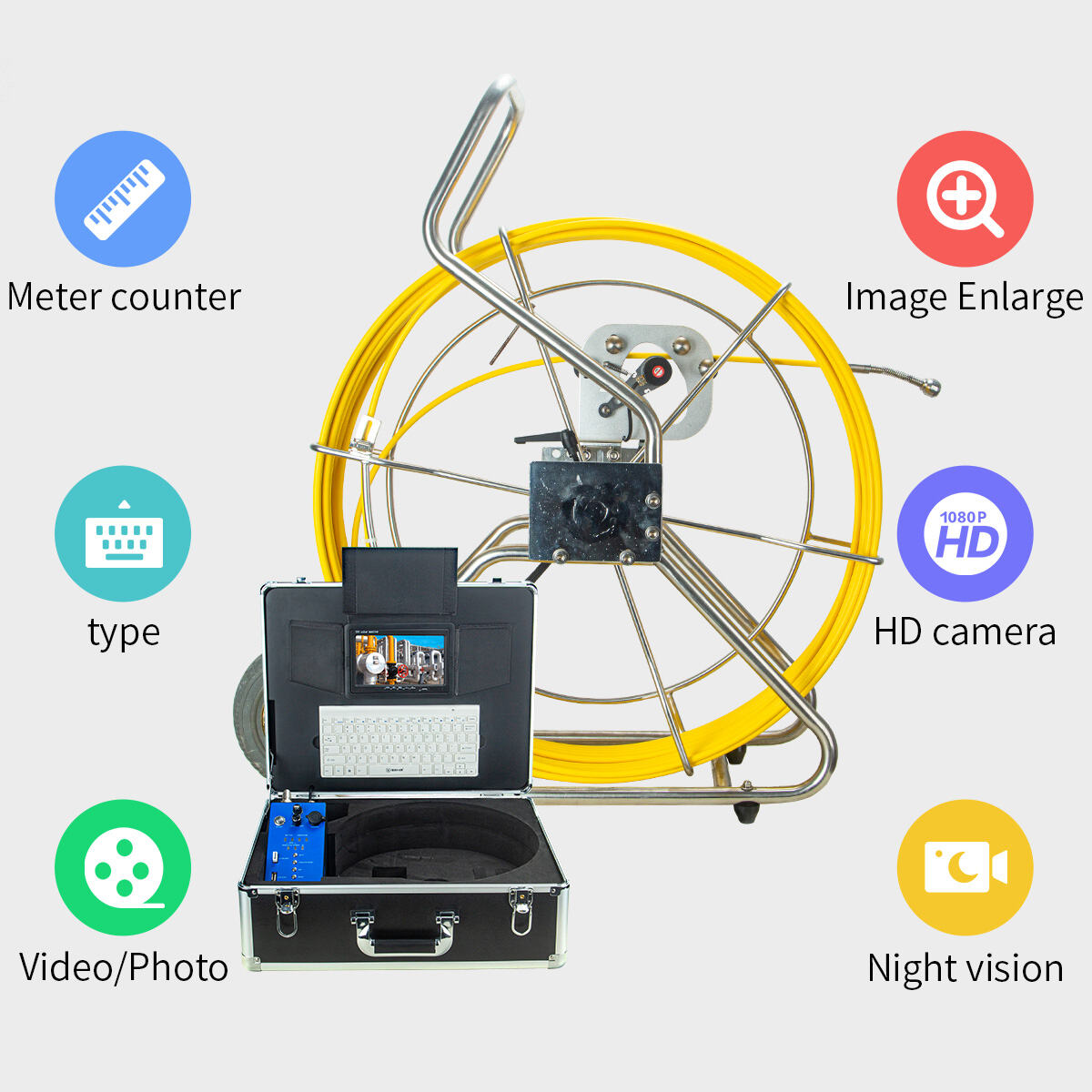
The evolution of equipment inspection has reached a pivotal moment with the widespread adoption of advanced visual inspection technologies. Traditional inspection methods often required extensive disassembly of machinery, resulting in costly downtime and potential damage to critical components. Modern industrial facilities now rely on sophisticated inspection tools that provide comprehensive visual access to internal systems without compromising operational integrity. These revolutionary inspection solutions have fundamentally changed how maintenance teams approach preventive care and diagnostic procedures across manufacturing, aerospace, automotive, and energy sectors.
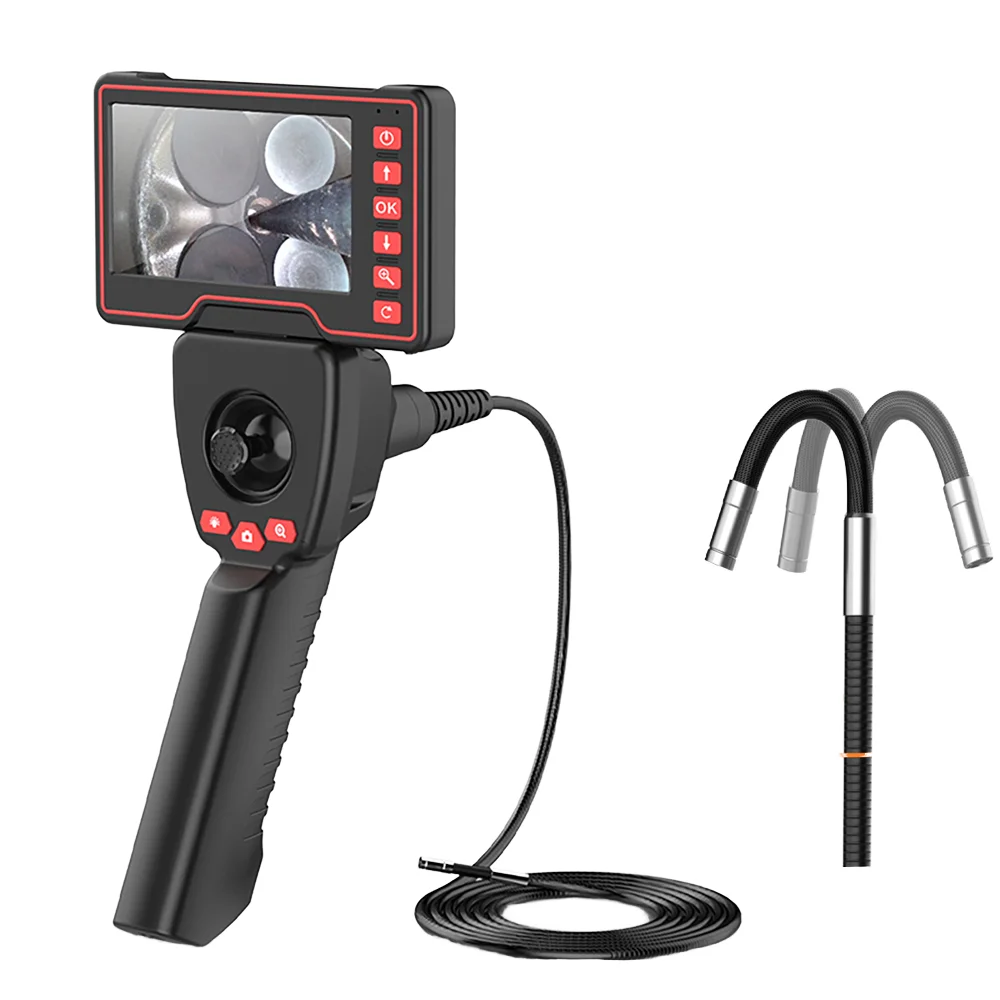
The technological advancement in visual inspection equipment represents a paradigm shift from reactive maintenance strategies to proactive condition monitoring. Professional inspection technicians can now access confined spaces, internal cavities, and complex mechanical assemblies with unprecedented clarity and precision. This transformation has enabled organizations to detect potential failures before they escalate into catastrophic breakdowns, ultimately saving millions in repair costs and production losses. The integration of high-resolution imaging capabilities with flexible insertion mechanisms has created inspection solutions that deliver both reliability and efficiency in demanding industrial environments.
Understanding Advanced Visual Inspection Technology
Core Components and Design Principles
An industrial endoscope incorporates several critical components that work synergistically to deliver exceptional inspection capabilities. The insertion tube features specialized optical fibers that transmit high-quality images from the distal tip to the viewing system, while maintaining flexibility for navigation through complex pathways. Advanced lens assemblies at the tip capture detailed visual information with superior clarity, even in low-light conditions typical of internal machinery spaces. The control unit processes these optical signals and presents them on high-resolution displays that allow inspectors to analyze findings in real-time.
Modern inspection systems integrate sophisticated illumination technologies that provide consistent lighting throughout the inspection process. LED lighting arrays deliver bright, even illumination that enhances image quality and reduces shadows that could obscure critical details. The ergonomic design of control interfaces ensures that operators can maneuver the device with precision while maintaining comfortable positioning during extended inspection sessions. These design principles collectively contribute to the effectiveness of each industrial endoscope in professional inspection applications.
Technological Integration and Smart Features
Contemporary inspection equipment incorporates intelligent features that enhance diagnostic capabilities beyond simple visual observation. Digital image processing algorithms automatically adjust contrast, brightness, and color balance to optimize image quality under varying inspection conditions. Advanced measurement functions allow technicians to calculate distances, angles, and dimensions directly from captured images, providing quantitative data essential for condition assessment. These smart features transform raw visual information into actionable intelligence that supports informed maintenance decisions.
Wireless connectivity options enable seamless integration with facility management systems and mobile devices, facilitating immediate documentation and reporting of inspection findings. Cloud-based data storage solutions ensure that inspection records are preserved and easily accessible for trend analysis and regulatory compliance purposes. The integration of artificial intelligence algorithms can assist in identifying potential defects and anomalies, reducing the likelihood of human error in critical assessments. These technological enhancements establish modern inspection systems as indispensable tools for maintaining operational excellence in industrial environments.
Applications Across Industrial Sectors
Manufacturing and Production Facilities
Manufacturing environments present unique inspection challenges that require versatile and reliable visual inspection solutions. Production equipment operates under demanding conditions with limited accessibility for traditional inspection methods, making internal component assessment particularly challenging. An industrial endoscope enables maintenance teams to examine critical wear points, internal seals, and mechanical assemblies without interrupting production schedules. This capability proves invaluable for maintaining continuous operations while ensuring equipment reliability and product quality standards.
Quality control processes benefit significantly from advanced inspection technologies that can detect manufacturing defects, contamination, or assembly errors in finished products. Inspection protocols can be integrated into production workflows to identify issues before products reach customers, reducing warranty claims and protecting brand reputation. The flexibility and precision of modern inspection equipment make it possible to examine complex geometries and internal passages that would otherwise remain inaccessible. These applications demonstrate how visual inspection technology supports both operational efficiency and quality assurance objectives in manufacturing environments.
Aerospace and Aviation Maintenance
The aerospace industry demands the highest levels of safety and reliability, making thorough inspection procedures absolutely critical for flight safety. Aircraft engines, turbines, and structural components require regular internal inspection to detect potential failures before they compromise operational safety. Advanced inspection systems provide the visual access necessary to examine turbine blades, combustion chambers, and fuel systems without extensive disassembly procedures. This capability significantly reduces maintenance time while ensuring comprehensive assessment of critical flight systems.
Regulatory compliance requirements in aviation maintenance necessitate detailed documentation of inspection findings and corrective actions. Modern inspection equipment facilitates this documentation process through integrated recording capabilities that capture both images and video evidence of component conditions. The high-resolution imaging capabilities of professional inspection systems enable detection of minute cracks, corrosion, or foreign object damage that could affect flight safety. These inspection capabilities are essential for maintaining airworthiness standards and ensuring passenger safety in commercial aviation operations.
Benefits and Operational Advantages
Cost Reduction and Efficiency Gains
The implementation of advanced visual inspection technology delivers substantial cost savings through reduced downtime and more efficient maintenance procedures. Traditional inspection methods often required complete disassembly of equipment, consuming significant labor hours and potentially causing unnecessary wear to components during reassembly. An industrial endoscope enables thorough internal inspection without disassembly, dramatically reducing the time and labor costs associated with maintenance activities. This efficiency gain allows maintenance teams to complete more inspections within the same timeframe, maximizing the utilization of skilled technicians.
Preventive maintenance strategies supported by regular visual inspection can identify potential problems before they lead to catastrophic failures and emergency repairs. Early detection of wear patterns, corrosion, or component degradation enables planned maintenance activities that cost significantly less than emergency repairs. The ability to schedule maintenance during planned downtime periods minimizes production disruptions and optimizes operational efficiency. These cost benefits make advanced inspection technology an excellent investment for facilities seeking to optimize their maintenance operations and reduce total ownership costs.
Enhanced Safety and Risk Management
Safety considerations represent a primary driver for adopting advanced inspection technologies in industrial environments. Traditional inspection procedures sometimes required personnel to enter confined spaces or work in hazardous conditions to visually assess equipment conditions. Modern inspection systems eliminate many of these safety risks by providing remote visual access to dangerous areas without exposing technicians to potential hazards. This safety improvement protects personnel while ensuring that critical inspections are completed thoroughly and consistently.
Risk management protocols benefit from the detailed documentation capabilities of professional inspection equipment, which provide objective evidence of component conditions and maintenance activities. Insurance requirements and regulatory compliance obligations often mandate specific inspection procedures and documentation standards. An industrial endoscope facilitates compliance with these requirements while providing the detailed records necessary to demonstrate due diligence in maintenance practices. This documentation capability supports risk management strategies and helps protect organizations from liability concerns related to equipment failures or safety incidents.
Selection Criteria and Technical Specifications
Performance Parameters and Capabilities
Selecting appropriate inspection equipment requires careful consideration of performance specifications that align with specific application requirements. Image resolution capabilities determine the level of detail available for identifying small defects or wear patterns, making high-definition imaging essential for critical inspection applications. Insertion tube diameter and length specifications must accommodate the access requirements of target equipment while maintaining sufficient flexibility for navigation through complex pathways. Working distance capabilities affect the ability to focus on objects at varying distances from the tip of the inspection device.
Environmental resistance specifications ensure reliable operation in demanding industrial conditions where exposure to chemicals, extreme temperatures, or mechanical stress is common. Articulation capabilities enable precise positioning of the inspection tip to examine specific areas of interest from optimal viewing angles. Battery life and power management features affect operational efficiency during extended inspection sessions. These technical specifications collectively determine the suitability of an industrial endoscope for specific inspection applications and operational environments.
Integration and Compatibility Considerations
Successful implementation of inspection technology requires consideration of integration requirements with existing maintenance management systems and documentation workflows. Compatibility with standard image and video file formats ensures seamless data sharing and archival capabilities within organizational systems. Communication interfaces and connectivity options determine the ability to transmit inspection data to remote locations or integrate with facility monitoring systems. Software compatibility affects the ability to analyze inspection data and generate reports that support maintenance decision-making processes.
Training requirements and user interface design influence the adoption success and operational effectiveness of inspection equipment within maintenance teams. Ergonomic considerations affect operator comfort and precision during extended inspection procedures, ultimately impacting the quality and consistency of inspection results. Service and support availability ensure continued operational capability and technical assistance when needed. These integration factors are essential for maximizing the return on investment and operational benefits of advanced inspection technology implementations.
Future Developments and Industry Trends
Technological Innovations and Enhancements
The continuous evolution of inspection technology promises exciting developments that will further enhance diagnostic capabilities and operational efficiency. Artificial intelligence integration will enable automated defect recognition and classification, reducing the skill requirements for effective inspection and improving consistency in condition assessment. Advanced image processing algorithms will provide enhanced visualization capabilities, including the ability to see through surface contaminants or optimize images captured under challenging lighting conditions. These innovations will make professional inspection equipment more accessible and effective across a broader range of applications.
Miniaturization trends will enable access to even smaller spaces and more confined areas within complex equipment assemblies. Improved battery technology will extend operational time and reduce charging requirements, enhancing productivity during extended inspection sessions. Wireless technology advancement will eliminate cable management concerns and improve operator mobility during inspection procedures. An industrial endoscope incorporating these technological improvements will deliver enhanced performance and operational convenience compared to current generation equipment.
Market Growth and Application Expansion
Industry adoption of advanced inspection technology continues to accelerate as organizations recognize the operational and financial benefits of proactive maintenance strategies. Regulatory requirements in various industries are increasingly emphasizing the importance of thorough inspection procedures and detailed documentation of maintenance activities. This regulatory pressure drives demand for inspection equipment that can provide the detailed visual evidence necessary for compliance demonstration. Market growth projections indicate sustained expansion in both traditional industrial applications and emerging sectors such as renewable energy and infrastructure maintenance.
Training and certification programs are developing to support the growing demand for skilled inspection technicians capable of effectively utilizing advanced inspection technologies. Educational institutions and professional organizations are incorporating inspection technology training into their curricula to prepare the next generation of maintenance professionals. This investment in human capital development ensures that organizations can fully realize the benefits of advanced inspection equipment. The combination of technological advancement and skilled personnel creates optimal conditions for continued growth in industrial inspection applications and market expansion.
FAQ
What makes an industrial endoscope different from other inspection tools
An industrial endoscope combines flexible insertion capabilities with high-resolution imaging to provide visual access to internal spaces that are impossible to reach with traditional inspection methods. Unlike rigid borescopes or fixed cameras, these devices can navigate through curved pathways and around obstacles while maintaining excellent image quality. The integration of advanced lighting systems and ergonomic controls makes them specifically designed for demanding industrial environments where reliability and precision are essential. Professional inspection equipment also includes features like measurement capabilities, recording functions, and environmental resistance that distinguish it from basic visual inspection tools.
How does inspection technology reduce maintenance costs
Advanced inspection technology reduces maintenance costs by eliminating the need for extensive disassembly procedures that consume significant labor hours and potentially cause unnecessary wear to components. Early detection of potential problems enables planned maintenance activities that cost substantially less than emergency repairs following catastrophic failures. The ability to perform thorough inspections quickly allows maintenance teams to assess more equipment within the same timeframe, improving overall efficiency. Detailed documentation capabilities also support warranty claims and insurance requirements, providing additional financial protection for organizations investing in proactive maintenance strategies.
What training is required for effective inspection equipment operation
Effective operation of professional inspection equipment requires training in both technical operation procedures and interpretation of inspection findings. Operators must understand proper insertion techniques, navigation methods, and image optimization settings to achieve optimal results during inspection procedures. Interpretation skills development focuses on recognizing normal versus abnormal conditions and understanding the significance of various defect types. Many manufacturers provide comprehensive training programs that combine classroom instruction with hands-on practice sessions to ensure operators can utilize equipment capabilities effectively and safely in their specific application environments.
How do I select the right inspection equipment for my application
Selecting appropriate inspection equipment requires careful analysis of your specific access requirements, environmental conditions, and performance expectations. Consider the diameter and length specifications needed to reach target inspection areas, along with articulation capabilities required for optimal viewing angles. Environmental factors such as temperature extremes, chemical exposure, and mechanical stress influence the durability requirements for your application. Image quality specifications, including resolution and working distance capabilities, must align with the level of detail needed for effective condition assessment. Consultation with experienced application engineers can help ensure that your equipment selection meets both current needs and future expansion requirements.