 EN
EN


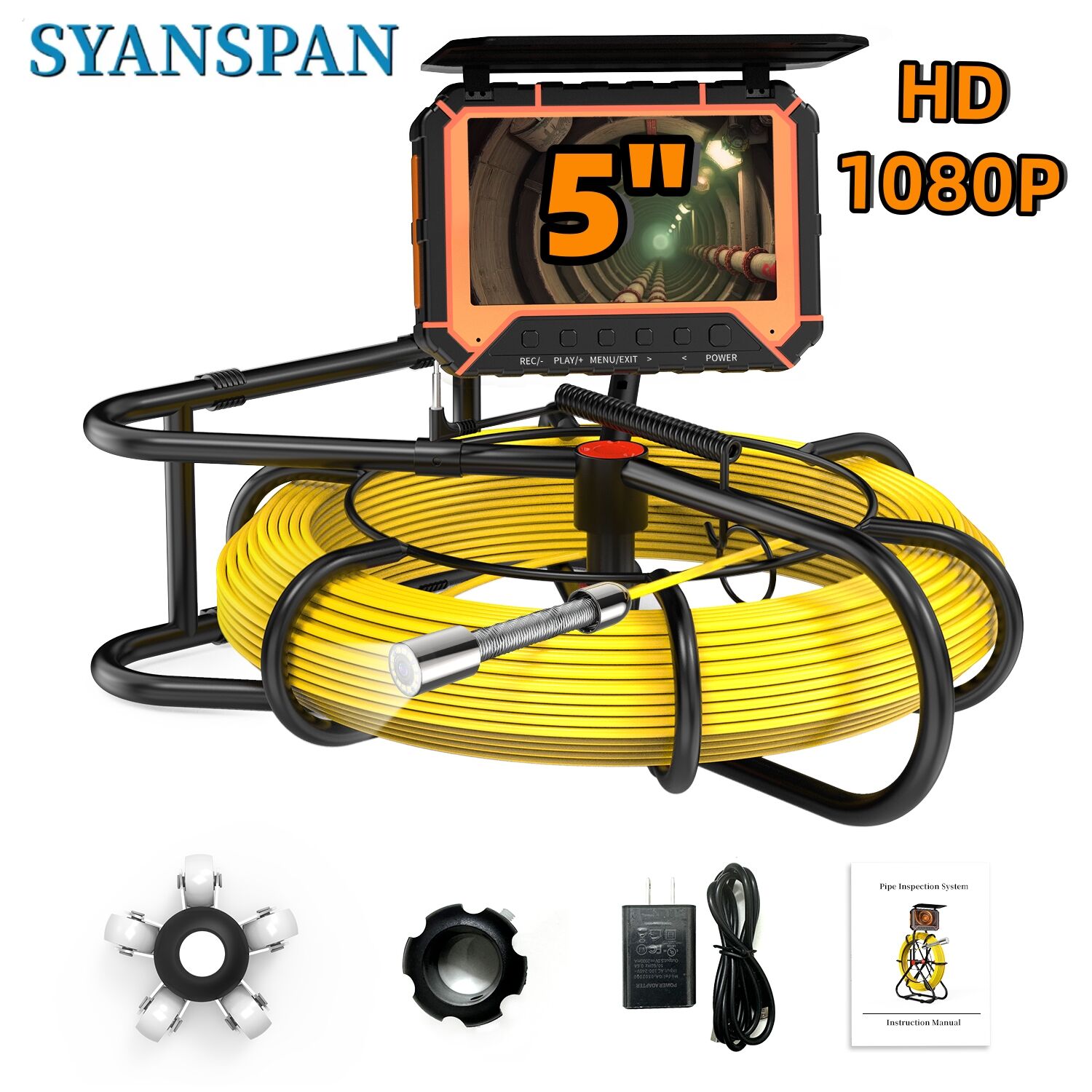
Professional plumbers and municipal maintenance teams rely on advanced diagnostic equipment to identify underground pipe issues efficiently. A modern sewer inspection camera has become an indispensable tool for accurately diagnosing blockages, structural damage, and maintenance needs in residential and commercial sewer systems. These sophisticated devices enable technicians to visually inspect pipe interiors without costly excavation, saving both time and resources while providing detailed documentation of pipeline conditions.
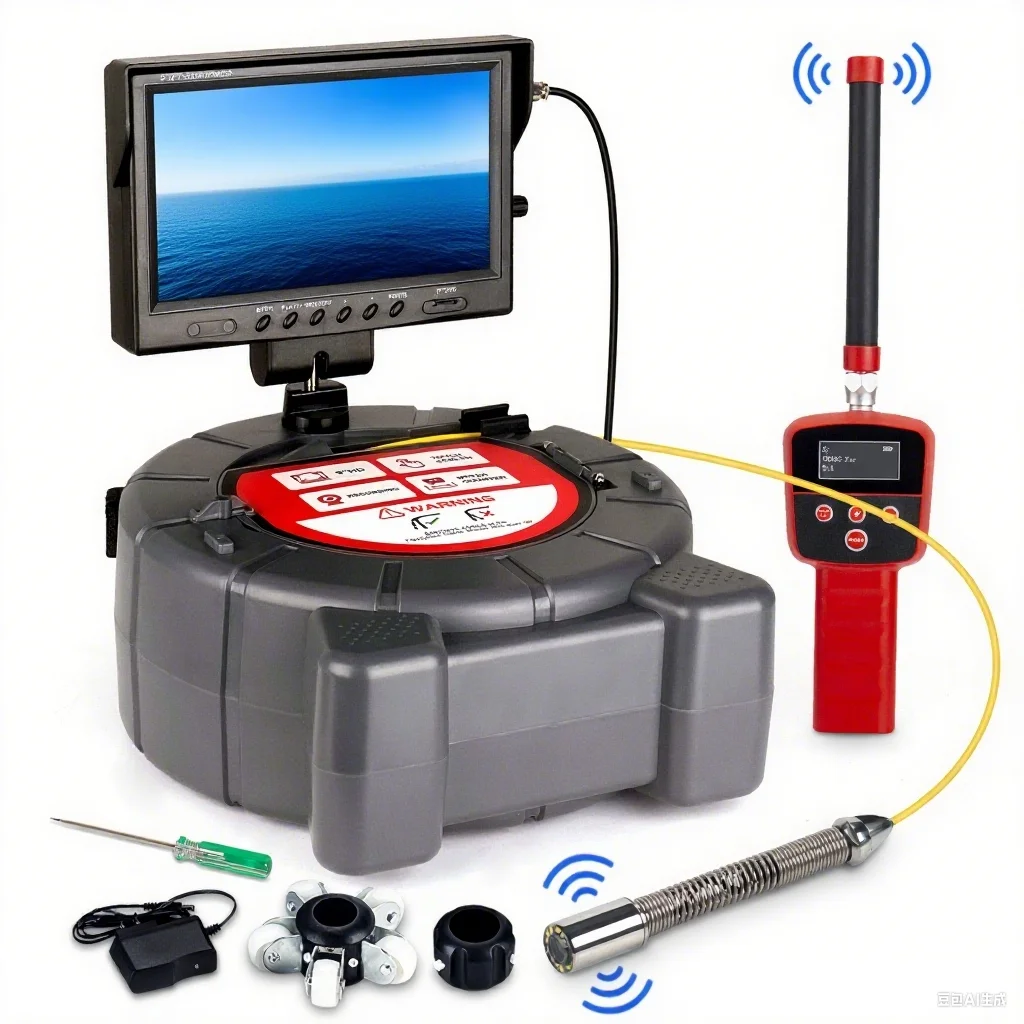
The evolution of drain inspection technology has transformed how professionals approach underground pipeline diagnostics. Today's sewer inspection camera systems incorporate cutting-edge features that deliver crystal-clear imaging, precise measurements, and comprehensive reporting capabilities. Understanding these essential features helps industry professionals select equipment that maximizes operational efficiency and diagnostic accuracy for various pipeline inspection applications.
High-Definition Video Quality and Display Technology
Superior Image Resolution Requirements
Professional-grade sewer inspection camera systems demand exceptional image clarity to identify subtle pipe defects and structural irregularities. High-definition video capture ensures technicians can distinguish between minor surface wear and critical structural damage that requires immediate attention. Modern cameras feature advanced sensors that maintain image quality even in challenging underground environments with limited lighting conditions.
The display screen size significantly impacts field usability and diagnostic accuracy. A nine-inch HD screen provides optimal visibility for detailed pipe interior examination while remaining portable enough for field operations. Large displays reduce eye strain during extended inspection sessions and enable multiple team members to simultaneously view pipeline conditions during real-time diagnostics.
Advanced Camera Head Design
The camera head represents the most critical component of any sewer inspection camera system, requiring robust construction and superior optics. Professional-grade camera heads incorporate sapphire glass lenses that resist scratching and maintain optical clarity despite exposure to harsh chemicals and abrasive materials commonly found in sewer systems. LED lighting arrays provide uniform illumination throughout the pipe interior, ensuring consistent image quality regardless of environmental conditions.
Self-leveling technology maintains proper camera orientation automatically, eliminating the need for manual adjustments during inspection procedures. This feature ensures consistent image orientation and reduces operator fatigue while improving diagnostic accuracy. Advanced camera heads also include protective housings rated for extreme temperatures and pressure variations encountered in municipal sewer systems.
Precise Locating and Measurement Capabilities
512Hz Locator Integration
Professional sewer inspection camera equipment requires integrated locating capabilities to pinpoint exact problem locations for efficient repair planning. A 512Hz locator system provides precise depth and location measurements, enabling accurate mapping of underground pipe networks. This frequency offers optimal penetration through various soil conditions while maintaining signal strength accuracy for depths commonly encountered in municipal and residential sewer systems.
The locator integration eliminates guesswork in determining exact positions of blockages, structural damage, or lateral connections. Technicians can mark surface locations directly above identified problems, facilitating targeted excavation and repair operations. This precision significantly reduces excavation costs and minimizes property disruption during sewer line repairs and maintenance procedures.
Meter Counter Functionality
Accurate distance measurement capabilities enable thorough documentation of pipe conditions and precise problem location identification. Integrated meter counters track cable deployment distance automatically, providing real-time position information throughout the inspection process. This feature proves essential for creating detailed inspection reports and developing accurate cost estimates for repair or replacement projects.
Professional-grade meter counter systems maintain accuracy even during complex navigation through multiple pipe bends and directional changes. The measurement data integrates with video recording functionality, creating comprehensive inspection documentation that includes both visual evidence and precise location information for future reference and regulatory compliance requirements.
Durable Construction and Operational Reliability
Industrial-Grade Cable Systems
The push cable represents a critical component that determines overall system reliability and inspection capability. Professional sewer inspection camera systems utilize reinforced fiberglass cables that resist kinking, crushing, and chemical degradation common in sewer environments. These cables maintain flexibility even after extended use while providing sufficient rigidity for navigating through pipe bends and obstacles.
Cable length variations accommodate different inspection requirements, from residential drain lines to extensive municipal sewer networks. Proper cable management systems prevent tangling and damage during storage and transport, extending equipment lifespan and maintaining operational reliability. Professional-grade cables also incorporate strain relief mechanisms that protect internal wiring from damage during aggressive pushing operations.
Weather-Resistant Housing Design
Field operations expose sewer inspection camera equipment to challenging environmental conditions requiring robust protective housing. Professional-grade systems feature weather-sealed enclosures that protect sensitive electronics from moisture, dust, and temperature extremes commonly encountered during outdoor inspections. These protective measures ensure consistent performance and extend equipment lifespan in demanding operational environments.
Impact-resistant construction protects valuable diagnostic equipment from accidental drops and rough handling during transport between job sites. Reinforced corner protection and shock-absorbing materials safeguard internal components while maintaining portability for field technicians. Professional housing designs also incorporate ergonomic carrying handles and secure latching mechanisms for safe equipment transport and storage.
Advanced Recording and Documentation Features
Comprehensive Video Recording Capabilities
Modern sewer inspection camera systems provide extensive recording capabilities for comprehensive documentation and client reporting. High-definition video recording captures detailed pipe interior conditions while integrated audio recording allows technicians to provide real-time commentary during inspection procedures. This combination creates complete inspection records that support accurate diagnostics and professional reporting requirements.
Digital storage capabilities enable extended recording sessions without interruption, accommodating lengthy inspections of complex pipe networks. Professional systems support multiple file formats compatible with various reporting software and client presentation requirements. Timestamp and location data embedded in recorded files provide additional documentation value for regulatory compliance and insurance claim support.
Professional Reporting Integration
Seamless integration with professional reporting software streamlines documentation processes and improves client communication. Modern sewer inspection camera systems export inspection data directly to industry-standard reporting platforms, reducing manual data entry and improving report accuracy. This integration capability significantly reduces post-inspection administrative time while ensuring consistent professional presentation standards.
Customizable report templates accommodate different client requirements and regulatory standards, enabling technicians to generate professional documentation efficiently. Integration features also support before-and-after comparisons for maintenance verification and warranty documentation purposes. Professional reporting capabilities enhance service value and support business growth through improved client satisfaction and referral generation.
Power Management and Operational Efficiency
Extended Battery Life Systems
Professional sewer inspection camera operations require reliable power systems that support extended field use without interruption. Advanced battery management systems optimize power consumption while maintaining full system functionality throughout lengthy inspection procedures. Lithium-ion battery technology provides superior energy density and consistent performance across various temperature ranges encountered in field operations.
Multiple power options, including AC adapter compatibility and vehicle charging capabilities, ensure continuous operation during extended inspection projects. Battery level indicators provide real-time power status information, preventing unexpected shutdowns during critical inspection procedures. Professional power management systems also incorporate automatic sleep modes that conserve battery life during operational pauses without compromising system readiness.
Quick Setup and Operational Efficiency
Time-efficient setup procedures maximize productive inspection time and improve operational profitability. Modern sewer inspection camera systems feature intuitive control interfaces that minimize training requirements and reduce setup complexity. Quick-connect cable systems and automated calibration procedures enable rapid deployment between multiple inspection locations throughout the workday.
Streamlined operational workflows reduce the learning curve for new technicians while improving overall inspection consistency across different operators. Standardized control layouts and logical menu structures enhance operational efficiency and reduce the potential for operator errors during complex inspection procedures. These efficiency improvements translate directly into increased daily inspection capacity and improved service delivery capabilities.
FAQ
What pipe sizes can modern sewer inspection cameras accommodate
Professional sewer inspection camera systems typically accommodate pipe diameters ranging from 2 inches to 12 inches, with specialized camera heads available for specific applications. The camera head size must be appropriately matched to pipe diameter to ensure proper navigation and optimal image quality. Most systems include multiple camera head options to accommodate various pipe sizes commonly encountered in residential and commercial applications.
How deep can sewer inspection cameras effectively operate
Modern sewer inspection camera systems with integrated 512Hz locators can effectively operate at depths up to 20 feet while maintaining accurate position tracking and signal strength. Cable lengths typically range from 100 to 400 feet, enabling comprehensive inspection of extensive pipe networks. Actual operational depth depends on soil conditions, interference factors, and specific locator technology specifications.
What maintenance requirements are necessary for professional sewer inspection cameras
Regular maintenance includes thorough cleaning of camera heads and cables after each use, particularly when exposed to sewage or chemical environments. Monthly calibration checks ensure accurate distance measurements and locator functionality. Battery maintenance, including proper charging cycles and storage procedures, extends equipment lifespan and maintains operational reliability for demanding field applications.
Can sewer inspection cameras detect all types of pipe problems
Sewer inspection camera systems excel at identifying visible structural problems, blockages, root intrusions, and joint separations. However, certain subsurface issues like hairline cracks or problems outside the visible pipe interior may require additional diagnostic methods. Professional operators combine camera inspections with other testing procedures to provide comprehensive pipeline condition assessments for complex diagnostic situations.