 EN
EN


Proper maintenance of an industrial endoscope is crucial for ensuring optimal performance, extending equipment lifespan, and maintaining inspection accuracy in critical applications. These sophisticated optical instruments require systematic care to deliver reliable results across manufacturing, aerospace, automotive, and infrastructure sectors. Understanding the fundamental principles of industrial endoscope maintenance enables organizations to maximize their investment while minimizing costly downtime and equipment failures.
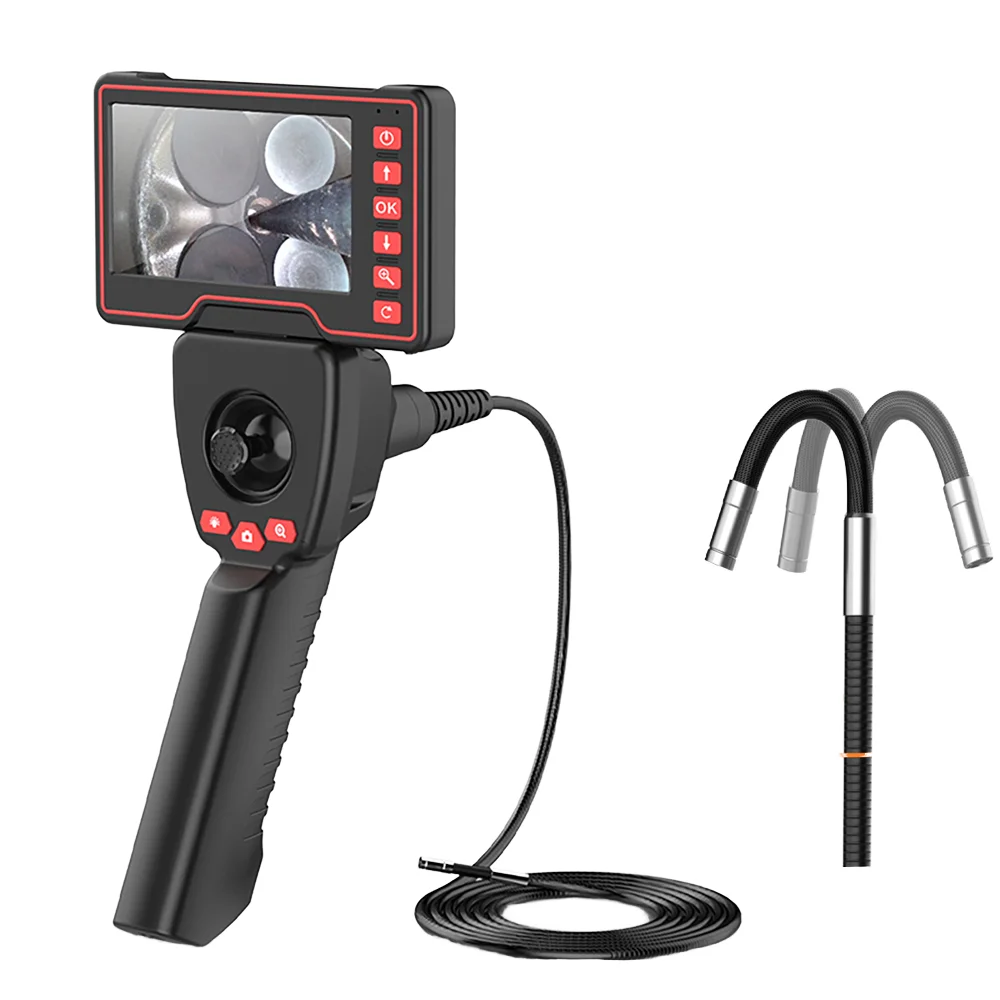
Regular maintenance protocols significantly impact the operational efficiency of inspection equipment. Professional technicians recognize that preventive care reduces emergency repairs and ensures consistent image quality during critical evaluations. The complexity of modern industrial endoscope systems demands comprehensive maintenance strategies that address both mechanical components and advanced digital imaging technologies.
Daily Cleaning and Inspection Procedures
Immediate Post-Use Cleaning Protocols
Every industrial endoscope requires immediate attention after each inspection session to prevent contamination buildup and component degradation. The insertion tube should be carefully wiped with approved cleaning solutions, ensuring complete removal of debris, oils, and residual materials from the inspection environment. This immediate cleaning prevents corrosive substances from damaging delicate optical fibers and protective sheaths.
Professional operators establish consistent cleaning routines that include gentle manipulation of flexible sections to remove trapped particles. The cleaning process must address both external surfaces and internal channels when applicable, using manufacturer-specified cleaning agents that maintain optical clarity without compromising component integrity. Proper documentation of cleaning activities helps track maintenance patterns and identify potential issues before they escalate.
Visual Component Assessment
Daily visual inspections of an industrial endoscope reveal early signs of wear, damage, or performance degradation that could affect inspection quality. Technicians examine the insertion tube for cracks, kinks, or unusual flexibility that might indicate internal fiber damage or structural compromise. The control head requires careful scrutiny to ensure buttons, dials, and display elements function properly without hesitation or irregular responses.
Camera lens clarity represents a critical assessment point during daily inspections, as even minor scratches or contamination can significantly impact image quality. Professional maintenance protocols include systematic checks of illumination systems, ensuring LED arrays or fiber optic light guides provide consistent brightness across the entire field of view. These visual assessments create baseline documentation for tracking equipment condition over time.
Preventive Maintenance Scheduling
Monthly Calibration Procedures
Monthly calibration ensures that industrial endoscope measurements remain accurate and reliable for critical quality control applications. Professional calibration procedures involve testing dimensional accuracy using certified reference standards, verifying that measurement functions produce consistent results within specified tolerances. This process identifies drift in measurement systems before it affects inspection outcomes.
Advanced industrial endoscope systems require sophisticated calibration protocols that address multiple parameters including focus accuracy, color reproduction, and geometric distortion correction. Calibration records provide valuable trend data for predicting maintenance needs and establishing replacement schedules. Professional service providers offer specialized calibration services that ensure compliance with industry standards and regulatory requirements.
Comprehensive System Testing
Regular system testing evaluates all operational aspects of an industrial endoscope to identify performance issues before they impact critical inspections. Testing protocols examine articulation mechanisms, ensuring smooth operation across full range of motion without binding or excessive play. Electronic systems require evaluation of signal processing, image storage, and data transfer capabilities to maintain operational efficiency.
Battery performance testing becomes essential for portable industrial endoscope units, as power system failures can interrupt critical inspections and compromise safety protocols. Comprehensive testing includes evaluation of charging systems, power consumption patterns, and backup power capabilities. Documentation of test results enables trend analysis and predictive maintenance scheduling that minimizes unexpected equipment failures.
Storage and Environmental Protection
Optimal Storage Conditions
Proper storage significantly extends the service life of an industrial endoscope by protecting delicate components from environmental damage and mechanical stress. Climate-controlled storage areas maintain temperature and humidity levels that prevent condensation formation and minimize thermal stress on optical elements. Specialized storage cases provide physical protection while maintaining proper coiling radius for flexible insertion tubes.
Professional storage protocols include periodic rotation of stored equipment to prevent permanent set in flexible sections and maintain uniform stress distribution across optical fiber bundles. Storage documentation tracks equipment location, condition, and last service date to ensure rotation schedules and maintenance intervals are properly maintained. Proper storage procedures prevent costly damage that could require extensive repairs or equipment replacement.
Transportation Safety Measures
Safe transportation of industrial endoscope equipment requires specialized procedures that protect sensitive components from shock, vibration, and environmental exposure. Purpose-designed transport cases provide cushioned protection while maintaining proper coiling configurations that prevent stress damage to flexible sections. Transportation protocols include pre-shipment inspections and post-arrival testing to verify equipment condition.
Professional transportation procedures address both short-term field deployments and long-distance shipping requirements, with specific protocols for air travel and international shipments. Environmental protection during transport includes moisture barriers, shock-absorbing materials, and temperature monitoring systems that ensure equipment arrives in optimal condition. Proper transportation documentation provides accountability and enables tracking of equipment condition changes during transit.
Common Maintenance Challenges
Optical System Degradation
Optical system degradation represents one of the most common maintenance challenges facing industrial endoscope operators, often manifesting as reduced image clarity, color distortion, or uneven illumination. Fiber optic bundles are particularly susceptible to damage from excessive bending, crushing forces, or exposure to harsh chemicals during inspection activities. Recognition of early degradation symptoms enables timely intervention that can prevent complete system failure.
Professional maintenance programs address optical degradation through systematic monitoring of image quality parameters and implementation of protective measures during operation. Regular assessment of fiber bundle condition helps identify damaged fibers before they significantly impact overall image quality. Proper handling techniques and operator training reduce the risk of optical system damage during routine inspection activities.
Mechanical Component Wear
Mechanical wear affects articulation systems, control mechanisms, and structural components of an industrial endoscope over time, leading to reduced precision and potential operational failures. Articulation joints experience particular stress during inspection activities, with wear patterns that can develop into binding, excessive play, or complete mechanism failure. Early identification of mechanical wear enables planned maintenance that prevents unexpected equipment downtime.
Professional maintenance protocols include regular lubrication of mechanical components, adjustment of control tensions, and replacement of wear-prone elements before they affect operational performance. Documentation of wear patterns helps predict maintenance needs and optimize replacement schedules. Proactive mechanical maintenance significantly extends equipment service life while maintaining operational reliability.
Professional Service and Support
Manufacturer Service Programs
Manufacturer service programs provide specialized maintenance support that ensures industrial endoscope systems receive expert care from factory-trained technicians. These comprehensive programs typically include preventive maintenance schedules, emergency repair services, and technical support for complex operational issues. Professional service programs maintain detailed service histories that help optimize maintenance intervals and predict component replacement needs.
Advanced service programs offer remote diagnostic capabilities that enable real-time assessment of equipment condition and performance parameters. Professional technicians can identify potential issues through remote monitoring and recommend appropriate maintenance actions before problems affect inspection operations. Service program documentation provides valuable data for warranty claims and equipment lifecycle planning.
Training and Certification Requirements
Proper training ensures that operators understand correct maintenance procedures and can identify potential issues before they require costly repairs. Certification programs validate operator competency in equipment care, cleaning procedures, and basic troubleshooting techniques. Professional training programs address both technical maintenance skills and safety procedures that protect both equipment and personnel.
Ongoing education keeps maintenance personnel current with evolving technology and improved maintenance techniques for modern industrial endoscope systems. Training documentation provides evidence of operator qualifications and helps establish accountability for equipment care. Professional certification programs often include renewal requirements that ensure operators maintain current knowledge of best practices and safety procedures.
FAQ
How often should an industrial endoscope undergo professional calibration
Professional calibration frequency depends on usage intensity and application requirements, but most industrial endoscope systems benefit from monthly calibration checks with comprehensive annual calibration by certified service providers. High-usage environments or critical measurement applications may require more frequent calibration to maintain accuracy standards. Documentation of calibration results helps establish optimal intervals for specific operational conditions.
What are the most common signs that an industrial endoscope needs maintenance
Common maintenance indicators include reduced image clarity, uneven illumination, difficulty with articulation controls, intermittent electrical connections, and visible damage to the insertion tube or control unit. Operators should also watch for unusual noise during operation, inconsistent measurement results, or error messages that suggest system malfunctions. Early recognition of these symptoms enables proactive maintenance that prevents costly repairs.
Can operators perform basic maintenance procedures without voiding warranty coverage
Most manufacturers allow basic cleaning and visual inspection procedures without affecting warranty coverage, but complex maintenance tasks typically require authorized service providers to maintain warranty protection. Operators should consult equipment documentation and manufacturer guidelines to understand which maintenance activities are permitted. Professional training programs help operators understand appropriate maintenance boundaries while maintaining warranty compliance.
How does proper maintenance affect the overall lifecycle cost of industrial endoscope equipment
Systematic maintenance significantly reduces total lifecycle costs by extending equipment service life, minimizing emergency repairs, and maintaining optimal performance throughout the operational period. Preventive maintenance costs are typically much lower than major repair expenses or premature equipment replacement. Professional maintenance programs provide measurable return on investment through improved reliability and extended service intervals.
Table of Contents
- Daily Cleaning and Inspection Procedures
- Preventive Maintenance Scheduling
- Storage and Environmental Protection
- Common Maintenance Challenges
- Professional Service and Support
-
FAQ
- How often should an industrial endoscope undergo professional calibration
- What are the most common signs that an industrial endoscope needs maintenance
- Can operators perform basic maintenance procedures without voiding warranty coverage
- How does proper maintenance affect the overall lifecycle cost of industrial endoscope equipment