 EN
EN


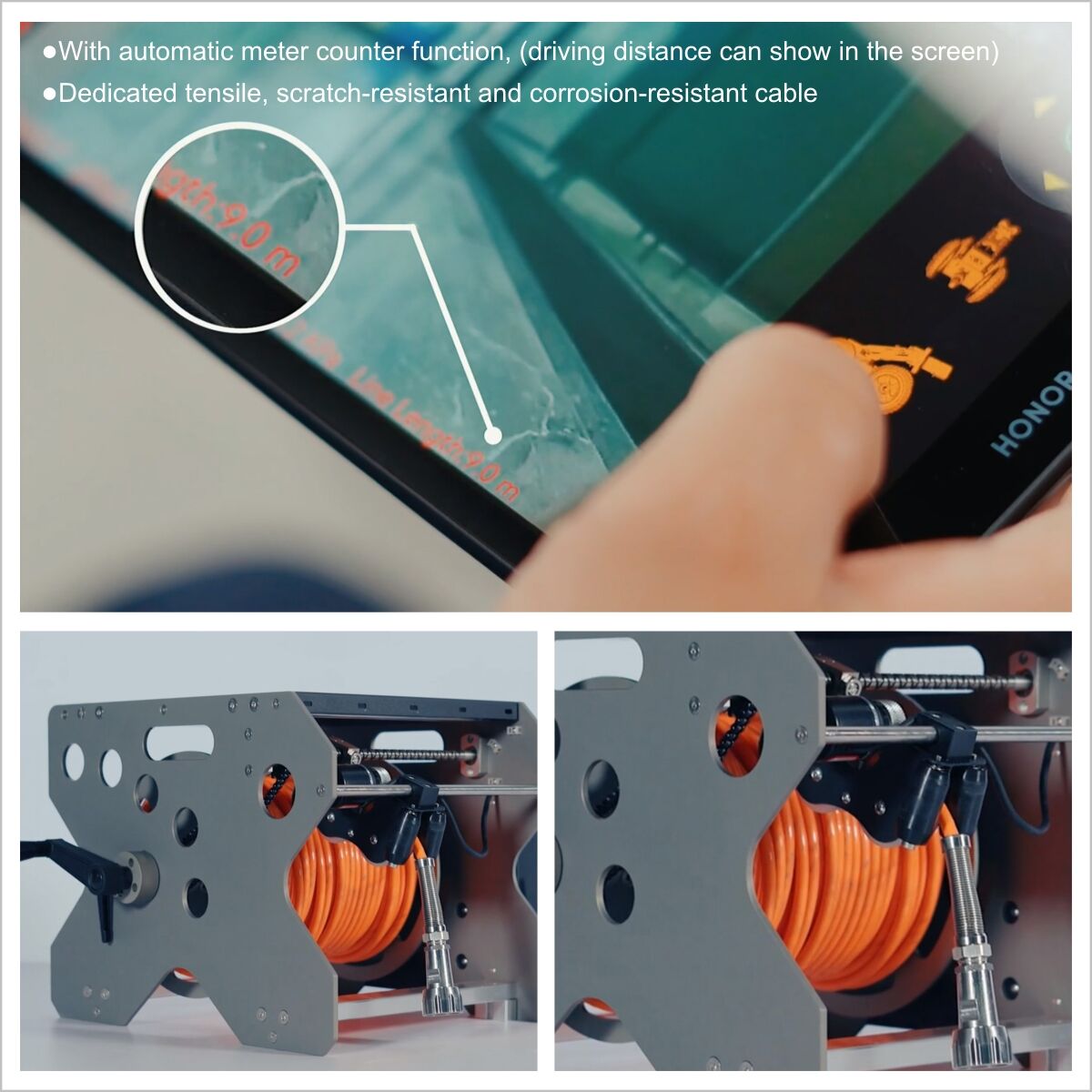
Modern sewer inspection technology has revolutionized how municipalities and contractors approach underground pipe diagnostics. A sewer robot camera represents the pinnacle of this evolution, offering unprecedented access to pipeline systems that were previously impossible to inspect thoroughly. These sophisticated devices combine advanced imaging technology with precise robotic mobility, enabling comprehensive assessments of sewer infrastructure without costly excavation procedures. Understanding the essential features of a sewer robot camera helps professionals make informed purchasing decisions that directly impact inspection efficiency and diagnostic accuracy.
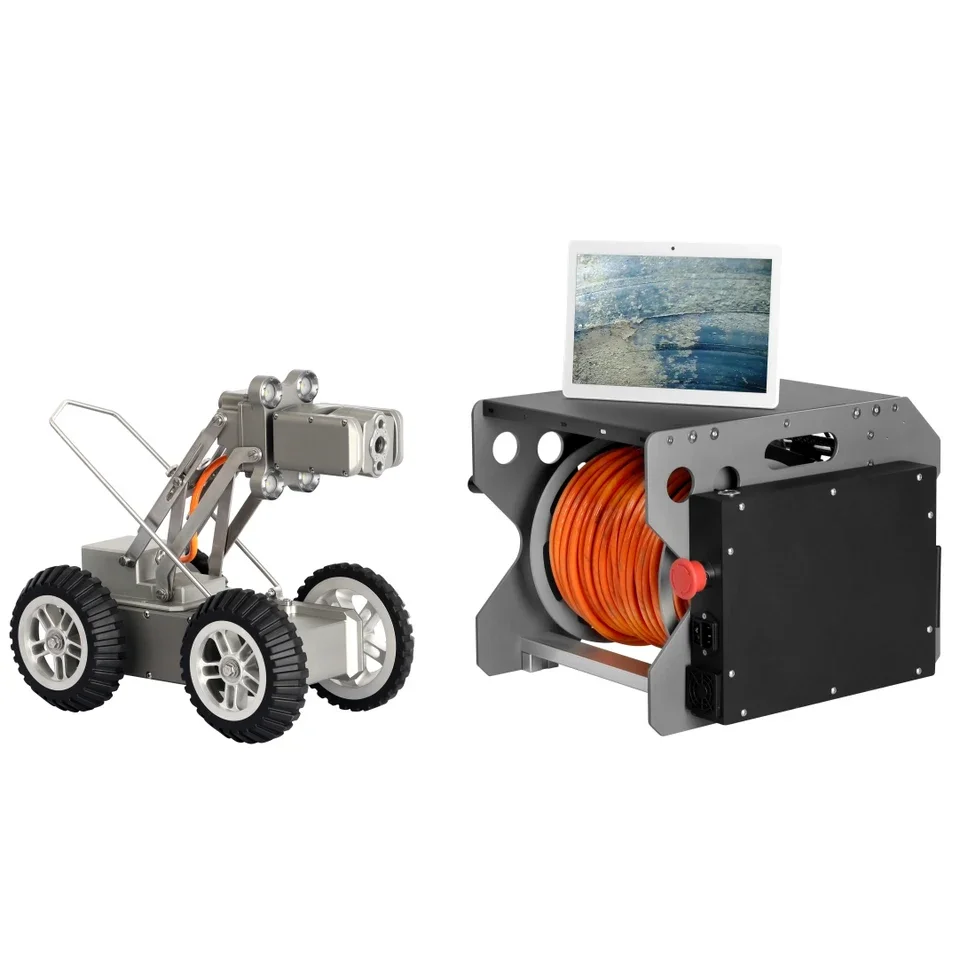
Advanced Imaging Capabilities
High-Definition Video Resolution
Professional sewer robot camera systems demand exceptional video quality to identify subtle defects within pipeline environments. High-definition 1080p resolution serves as the industry standard, providing crystal-clear imagery that reveals hairline cracks, joint separations, and material degradation patterns. Superior resolution enables operators to distinguish between normal pipe wear and critical structural issues requiring immediate attention. The enhanced clarity also facilitates accurate documentation for regulatory compliance and insurance claims processing.
Advanced sewer robot camera models incorporate progressive scan technology that eliminates motion blur during rapid camera movements through pipelines. This feature proves invaluable when inspecting lengthy sewer runs or navigating through challenging pipe configurations. The improved image stability allows operators to maintain continuous visual contact with pipe conditions while the robot traverses complex underground networks.
Panoramic Rotation Systems
Complete 360-degree rotation capability distinguishes premium sewer robot camera units from basic inspection equipment. This comprehensive viewing angle ensures no section of pipe circumference remains unexamined during inspections. Full rotation functionality becomes particularly crucial when assessing large-diameter municipal sewers where defects may occur at any radial position around the pipe interior.
The rotation mechanism must operate smoothly and quietly to avoid disturbing sediment or debris that could obscure critical visual information. Quality sewer robot camera systems feature precision-engineered rotation assemblies that maintain consistent speed throughout the full range of motion. This reliability ensures thorough documentation of all pipe surfaces while minimizing inspection time and operational costs.
Robotic Mobility and Navigation
Crawler Design and Traction
Effective sewer robot camera operation depends heavily on reliable crawler mobility across diverse pipeline conditions. Professional-grade units feature robust track systems or wheel configurations designed to navigate wet, slippery, and debris-laden pipe environments. The crawler mechanism must provide sufficient traction to maintain forward progress while carrying the camera payload and associated equipment.
Advanced crawler designs incorporate adjustable track tension systems that accommodate pipes of varying diameters without compromising mobility. This adaptability allows a single sewer robot camera to service multiple pipe sizes within municipal and commercial applications. The crawler frame construction typically utilizes corrosion-resistant materials capable of withstanding exposure to aggressive sewer environments and chemical cleaning agents.
Remote Control Precision
Sophisticated remote control systems enable operators to guide the sewer robot camera through complex pipeline networks with precision and confidence. Professional units feature responsive control interfaces that provide real-time feedback on robot position, camera orientation, and operational status. This immediate feedback allows operators to make rapid adjustments when navigating challenging pipe sections or investigating specific defects.
The control system should offer variable speed settings to accommodate different inspection requirements and pipe conditions. Slow-speed operation facilitates detailed examination of suspect areas, while higher speeds enable efficient traversal of lengthy pipe runs. Quality sewer robot camera systems maintain precise control response across the entire speed range without sacrificing maneuverability or image stability.
Lighting and Visibility Enhancement
LED Illumination Technology
Adequate lighting represents a fundamental requirement for effective sewer robot camera operations in completely dark underground environments. Modern LED lighting systems provide bright, even illumination that reveals pipe details without creating harsh shadows or glare spots. The LED configuration should distribute light uniformly across the camera field of view to ensure consistent image quality throughout the inspection process.
Energy-efficient LED technology extends operational time between battery charges while maintaining optimal brightness levels. Professional sewer robot camera units incorporate multiple LED arrays positioned strategically around the camera housing to eliminate dark zones and provide comprehensive illumination coverage. The lighting system durability becomes critical given the harsh operating conditions and frequent exposure to moisture and corrosive elements.
Adjustable Lighting Controls
Variable lighting intensity controls allow operators to optimize illumination based on specific pipe conditions and material properties. Highly reflective pipe surfaces may require reduced lighting to prevent image washout, while darker materials demand increased illumination for adequate visibility. Professional sewer robot camera systems feature multiple brightness settings accessible through the remote control interface.
Automatic lighting adjustment capabilities represent an advanced feature that maintains consistent image exposure regardless of changing pipe conditions. This automation reduces operator workload while ensuring optimal image quality throughout extended inspection procedures. The lighting control system should respond quickly to manual adjustments without introducing delays that could interrupt the inspection workflow.
Data Recording and Documentation
Built-in Recording Capabilities
Comprehensive documentation requirements necessitate reliable recording functionality integrated within the sewer robot camera system. Professional units feature high-capacity storage devices capable of capturing hours of inspection footage without interruption. The recording system should maintain consistent video quality while providing sufficient storage space for multiple inspection projects.
Real-time recording capabilities enable immediate documentation of critical findings without requiring post-inspection processing delays. Quality sewer robot camera systems incorporate timestamp and location data overlay features that facilitate accurate record keeping and regulatory compliance. The recorded footage serves as permanent documentation for maintenance planning, warranty claims, and legal proceedings when necessary.
Data Transfer and Connectivity
Modern sewer robot camera systems feature multiple connectivity options for efficient data transfer and real-time monitoring capabilities. USB, Wi-Fi, and Ethernet connections enable seamless integration with existing documentation systems and cloud-based storage platforms. This connectivity facilitates immediate sharing of inspection results with clients, regulatory agencies, and project stakeholders.
Wireless connectivity allows real-time streaming of inspection footage to remote locations, enabling expert consultation during complex diagnostic procedures. The data transfer capabilities should support various file formats compatible with industry-standard analysis software and reporting systems. Robust connectivity options enhance the sewer robot camera utility and streamline project documentation workflows.
Construction Quality and Durability
Waterproof Housing Design
Sewer environments demand exceptional waterproof protection for all electronic components within the camera system. Professional-grade housings utilize advanced sealing technologies and corrosion-resistant materials that withstand prolonged submersion in contaminated water. The housing design must protect sensitive electronics while maintaining access to essential controls and connections.
Pressure rating specifications indicate the maximum operating depth for sewer robot camera systems in flooded pipe conditions. Quality units feature robust pressure ratings that exceed typical municipal sewer operating conditions while providing safety margins for unexpected water level increases. The housing construction should undergo rigorous testing to verify waterproof integrity under simulated operating conditions.
Impact Resistance and Reliability
Underground inspection environments subject sewer robot camera equipment to significant physical stress from debris impact, pipe irregularities, and handling during deployment. Rugged construction using high-strength materials ensures reliable operation despite challenging operating conditions. The camera housing and crawler assembly must withstand repeated impacts without compromising internal components or operational capabilities.
Quality assurance testing should validate the sewer robot camera durability under simulated field conditions including temperature extremes, chemical exposure, and mechanical stress. Professional units incorporate protective features such as reinforced housings, shock-absorbing mounts, and redundant sealing systems that extend operational life while minimizing maintenance requirements.
Power Management and Runtime
Battery Technology and Capacity
Extended operational runtime enables comprehensive inspection of lengthy pipeline systems without interruption for battery changes or recharging procedures. Advanced lithium-ion battery technology provides optimal power density while maintaining consistent performance throughout the discharge cycle. Professional sewer robot camera systems feature high-capacity battery packs that support several hours of continuous operation.
Battery management systems monitor power consumption and provide accurate runtime estimates to prevent unexpected shutdowns during critical inspection phases. Smart charging capabilities protect battery longevity while minimizing downtime between inspection projects. The battery system should support rapid charging when time constraints demand quick turnaround between successive inspections.
Power Consumption Optimization
Efficient power management extends sewer robot camera operational time while maintaining full functionality across all system components. Advanced power management algorithms automatically adjust component operation to optimize battery utilization without compromising inspection quality. LED lighting dimming, processor speed adjustment, and transmission power control contribute to extended operational runtime.
Low-power standby modes preserve battery capacity during inspection pauses or equipment setup procedures. Professional sewer robot camera systems feature intelligent power management that balances performance requirements with battery conservation to maximize inspection productivity. The power system should provide clear status indicators that warn operators of declining battery levels before critical shutdowns occur.
User Interface and Control Systems
Display Screen Specifications
Professional sewer robot camera operations require high-quality display screens that provide clear visibility under various outdoor lighting conditions. Bright LCD or OLED displays with anti-glare coatings ensure excellent image visibility during daylight inspections. The display resolution should match or exceed the camera resolution to preserve image quality throughout the viewing chain.
Screen size considerations balance portability requirements with operator visibility needs. Larger displays facilitate detailed defect analysis while smaller screens enhance equipment portability for confined workspace applications. Professional units offer display brightness adjustment controls that optimize visibility based on ambient lighting conditions and operator preferences.
Control Interface Design
Intuitive control interfaces minimize operator training requirements while providing access to all essential sewer robot camera functions. Ergonomic control layouts reduce operator fatigue during extended inspection procedures and improve overall system efficiency. The control system should feature clearly labeled buttons and logical menu structures that facilitate rapid access to frequently used functions.
Tactile feedback from control buttons enables operation without requiring constant visual attention to the interface. This feature proves particularly valuable when operators must simultaneously monitor the inspection display and navigate the robot through complex pipe networks. Professional sewer robot camera systems incorporate weather-resistant controls that maintain functionality despite exposure to outdoor conditions and handling with wet gloves.
FAQ
What pipe diameter range can a sewer robot camera inspect effectively
Professional sewer robot camera systems typically accommodate pipe diameters ranging from 6 inches to 36 inches or larger, depending on the specific crawler design and camera configuration. Municipal applications often require cameras capable of inspecting pipes from 8 inches to 48 inches in diameter. The crawler mechanism must provide stable operation across this diameter range while maintaining proper camera positioning and traction. Some specialized units feature adjustable crawler configurations that optimize performance for specific pipe size ranges within municipal and commercial applications.
How deep can sewer robot cameras operate underwater
Quality sewer robot camera systems feature waterproof ratings that enable operation in fully submerged conditions up to 30 feet or more below the surface. The actual operating depth depends on the housing pressure rating and sealing system design. Professional units undergo rigorous pressure testing to verify their depth capabilities under simulated operating conditions. Operators should verify the specific depth rating for their equipment and ensure adequate safety margins for unexpected water level increases during inspection procedures.
What maintenance requirements do sewer robot cameras have
Regular maintenance for sewer robot camera systems includes thorough cleaning after each use to remove debris and contamination from the housing and crawler components. Battery maintenance involves proper charging cycles and periodic capacity testing to ensure reliable performance. Seal inspection and replacement represent critical maintenance tasks that preserve waterproof integrity. Professional units require annual calibration and testing of all electronic systems to maintain optimal performance and accuracy. Proper maintenance extends equipment life while ensuring reliable operation during critical inspection projects.
Can sewer robot cameras navigate through pipe bends and obstacles
Modern sewer robot camera crawler designs enable navigation through standard pipe bends, connections, and moderate debris accumulations. The crawler flexibility and ground clearance determine the maximum obstacle height and bend radius the system can traverse. Professional units feature low-profile designs and flexible coupling systems that improve navigation through challenging pipe configurations. However, significant debris blockages or severe pipe deformation may require preliminary cleaning before successful camera passage. Operators should assess pipe conditions and select appropriate equipment based on expected navigation challenges.