 EN
EN


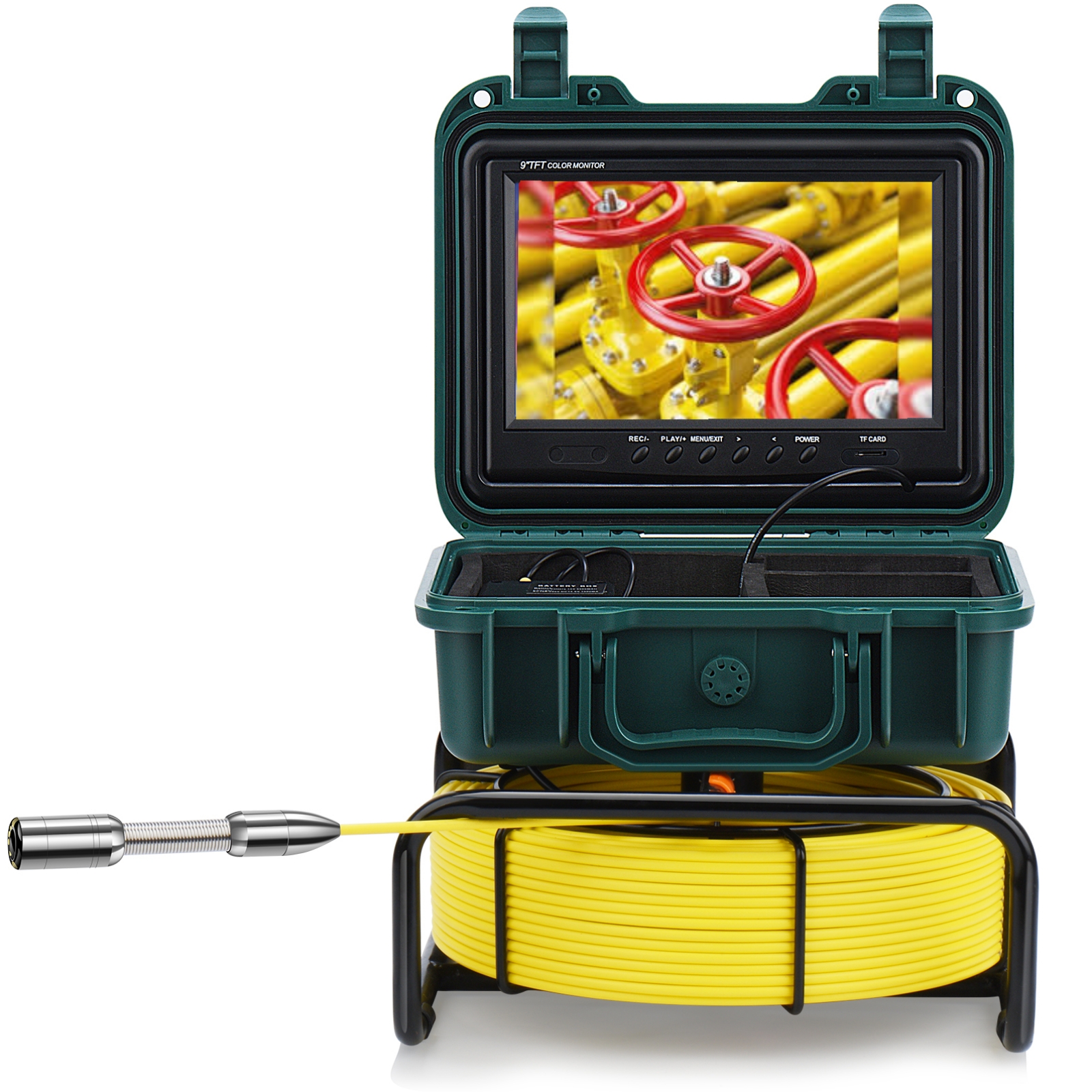
Choosing the right pipe inspection camera is not a one-size-fits-all decision. Whether you are a facility manager maintaining a complex industrial drainage network or a plumber servicing residential homes, the type of camera system you need differs significantly in terms of build quality, image resolution, cable length, and operational complexity. Understanding these distinctions before making a purchase can save both time and money while ensuring your inspection work meets the demands of the environment you operate in.
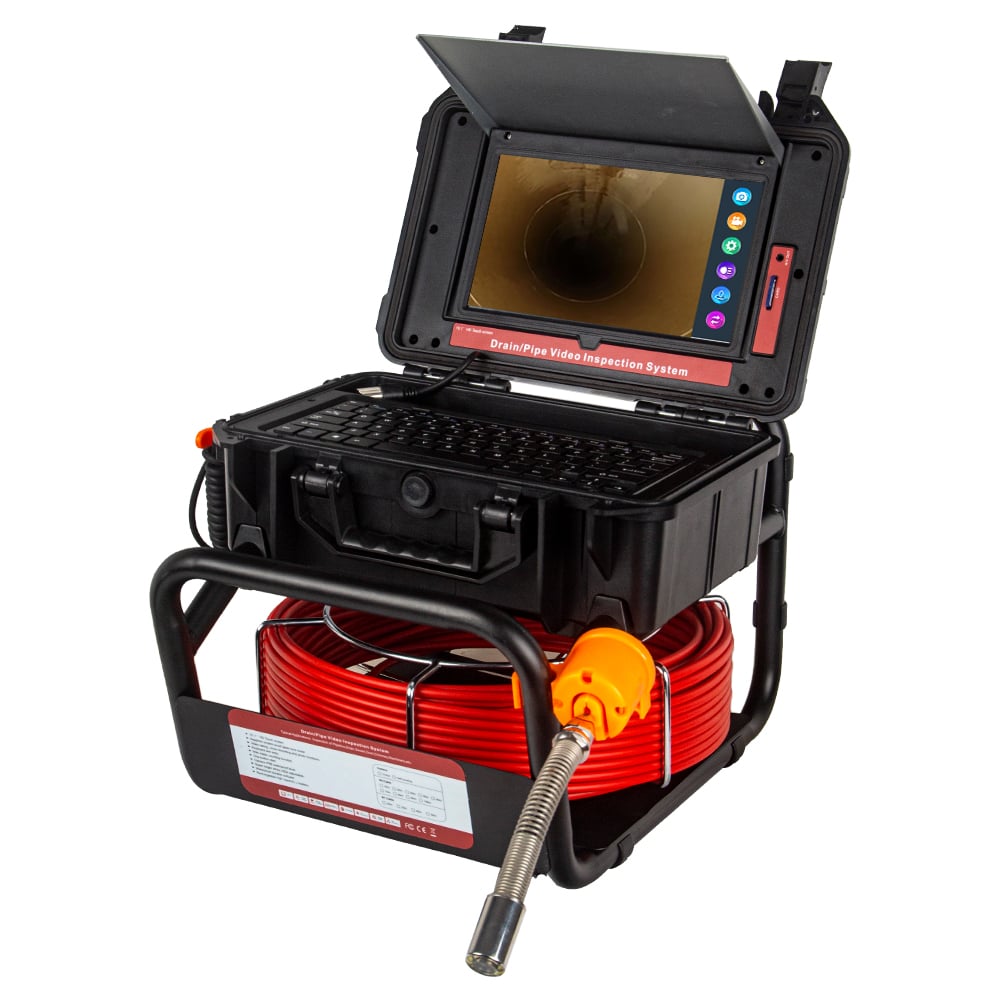
This guide is designed to help professionals and procurement specialists alike understand the core differences between industrial-grade and residential-grade pipe inspection camera systems. By breaking down the key technical and operational distinctions, you will be equipped to make an informed selection based on your specific use case, pipe diameter, inspection depth, and working environment. The goal is to eliminate guesswork and ensure your investment delivers reliable, long-term performance in the field.
Understanding the Core Differences in Application Context
The Scale and Complexity of Industrial Pipelines
Industrial pipelines are characterized by their scale, material diversity, and exposure to harsh operating conditions. These systems may span hundreds of meters, carry high-pressure fluids or gases, and operate in environments with extreme temperatures, chemical exposure, or explosive atmospheres. A pipe inspection camera used in these settings must be engineered to withstand far more punishment than its residential counterpart, and it must deliver consistent image quality across long cable runs.
Industrial pipelines often have diameters ranging from 100mm to over 1000mm, which means the camera head, lighting system, and crawler mechanism must be scaled accordingly. Operators typically deal with complex networks involving bends, junctions, and vertical drops, all of which demand a highly maneuverable and rugged camera system. The data captured must also be precise enough to satisfy engineering reports, regulatory compliance documentation, and infrastructure maintenance records.
In contrast to shorter residential jobs, industrial inspections may require continuous operation over several hours or even full work shifts. This places demanding requirements on battery life, heat dissipation, and overall system durability. Choosing a pipe inspection camera that is rated for industrial applications means accepting no compromise on robustness, even if it comes with a higher upfront investment.
The Practical Demands of Residential Pipe Inspections
Residential plumbing systems are smaller in scale but no less important to service correctly. Common inspection scenarios include diagnosing blockages, locating root intrusions, identifying pipe cracks, and assessing the condition of drain lines before a property purchase. A pipe inspection camera used in residential settings typically needs to navigate pipes with diameters between 50mm and 150mm, which defines the minimum camera head size and pushrod flexibility required.
Portability and ease of use are often the top priorities for residential plumbers. Unlike large industrial crawler systems that may require a vehicle or support crew, residential inspection cameras are typically designed for single-operator use. They are compact, lightweight, and quick to deploy, making them ideal for rapid diagnostic jobs across multiple properties in a single day. The simpler operational interface also reduces training time for technicians.
While the environmental conditions in residential settings are far less extreme than in industrial environments, the camera still needs to be fully waterproof to handle sewage and standing water. An IP68-rated pipe inspection camera with a high-definition camera head is sufficient for most residential applications, delivering clear images without the complexity and cost associated with industrial-grade systems.
Key Technical Specifications That Separate Industrial from Residential Systems
Image Quality, Resolution, and Lighting Performance
Image resolution is a critical differentiator when comparing industrial and residential pipe inspection camera systems. Residential units often operate effectively at 720p or 1080p resolution, which is sufficient to identify visible blockages, cracks, and joint displacement within shorter pipeline sections. However, industrial applications frequently demand higher-resolution imaging, sometimes coupled with optical zoom, to accurately assess subtle defects, material degradation, or structural anomalies within longer and wider pipelines.
Lighting is equally important, as inspection cameras must illuminate the interior of a dark, often murky environment. Residential camera systems typically use a ring of LED lights around the camera head, which provides adequate illumination for narrower pipes. Industrial systems may use high-intensity adjustable lighting arrays that can be tuned to minimize glare off pipe walls while ensuring maximum visibility across wider pipe cross-sections. The quality of lighting directly impacts the reliability of defect detection.
A 1080p pipe inspection camera with a high-brightness camera head and IP68 waterproofing represents a versatile solution that bridges the gap between lighter residential use and mid-range industrial applications. Systems with a 9-inch screen and keyboard interface offer operators the ability to annotate footage, record video, and navigate the display hands-free, improving efficiency in both field environments.
Cable Length, Pushrod Flexibility, and Crawler Systems
One of the most immediately visible differences between residential and industrial pipe inspection camera setups is the cable or pushrod length. Residential systems typically offer cable lengths between 20 and 60 meters, which is more than adequate for navigating standard household drain lines, sewer connections, and lateral pipes. The cable is usually semi-rigid, allowing the operator to push it through bends manually without the need for motorized assistance.
Industrial systems, by contrast, may require cable or crawler systems with reach extending to 300 meters or more. These setups use motorized cable reels and often deploy self-propelled crawler vehicles equipped with the camera head. The crawler provides traction against pipe walls and allows precise control over camera positioning, which is essential when inspecting long-distance or large-diameter infrastructure such as municipal sewer mains, stormwater tunnels, and industrial process pipelines.
Pushrod flexibility also differs in how it handles multiple bends. In residential plumbing, the pushrod needs to be stiff enough to advance through a 50mm waste pipe yet flexible enough to navigate standard 90-degree fittings. Industrial crawler-based systems bypass this limitation through wheel-driven mobility, which is why the selection of the right pipe inspection camera mechanism depends as much on pipe diameter and inspection distance as it does on any other factor.
Waterproofing, Durability, and Environmental Ratings
IP Ratings and What They Mean for Your Inspection Environment
The Ingress Protection (IP) rating of a pipe inspection camera tells you how well the device resists solid particles and liquids. An IP68 rating, which is the highest available under the IEC standard, indicates full protection against dust and the ability to withstand continuous immersion in water beyond one meter. For any camera system that will be inserted into live or partially live pipe systems, IP68 is the minimum acceptable standard regardless of whether the application is residential or industrial.
In industrial environments, cameras may also need protection against chemical corrosion, high-pressure water jets, or even volatile organic compounds. This extends the specification requirements beyond IP ratings into material selection, where camera housings made from stainless steel or chemically resistant polymers provide significantly longer service life compared to standard plastic-bodied residential units. Industrial cameras may also require ATEX certification in environments where flammable gases may be present.
When evaluating a pipe inspection camera for durability, it is important to consider not just the camera head but also the cable jacket, connectors, and reel drum. Weak points in any of these components can result in water ingress, short circuits, or mechanical failure mid-inspection. Industrial users are particularly advised to verify end-to-end system ratings rather than relying solely on the manufacturer's camera head IP specification.
Display Units, Onboard Storage, and Reporting Capabilities
The control unit or monitor of a pipe inspection camera system plays a major role in field productivity. Residential systems typically feature compact handheld monitors with basic video recording functions, often storing footage on SD cards or USB drives. These are straightforward and reliable for plumbers who need to show footage to homeowners or record job documentation. A screen size of 7 to 9 inches strikes a good balance between portability and visibility in outdoor lighting conditions.
Industrial inspection systems take the display and reporting functions to a higher level. They may include integrated software for CCTV pipeline assessment, allowing operators to code defects according to standards such as PACP or EN 13508-2 in real time. The footage captured is often used as part of a formal condition assessment report, which is submitted to asset owners or government bodies as evidence of infrastructure health. This demands high-capacity onboard storage, GPS logging, and direct export to reporting software platforms.
For users operating in the middle ground between full industrial and basic residential requirements, a pipe inspection camera with a 9-inch screen, keyboard interface, and onboard video recording offers a compelling balance. The keyboard allows for text annotation during recording, which simplifies post-inspection reporting and helps operators document findings without additional equipment. These mid-range systems are particularly well suited for drainage contractors, municipal maintenance crews, and property inspection firms.
Selecting the Right Pipe Inspection Camera for Your Specific Needs
Matching Camera Specifications to Pipe Diameter and Inspection Depth
The most fundamental step in selecting the right pipe inspection camera is matching the camera head diameter to the pipe size you will be inspecting. Camera heads that are too large cannot enter the pipe, while heads that are too small may not provide sufficient contact with the pipe walls for stable imaging. Most manufacturers provide guidance on the minimum and maximum pipe diameter suitable for each camera head size, which should be the first filter applied during product selection.
Inspection depth is the second most important variable. For residential jobs rarely exceeding 30 to 40 meters, a standard pushrod camera with appropriate cable length is sufficient. For commercial or light industrial applications involving longer drain runs or deeper inspection points, operators should consider systems with 60 to 120 meters of cable and a motorized reel to manage cable fatigue and kinking. Full industrial crawler systems become necessary when inspection distances exceed 150 meters or when large-diameter structures must be traversed.
Beyond these primary factors, consider the frequency of use and the working environment. A contractor performing dozens of residential inspections per week will benefit from a durable, easy-to-clean system with fast setup times. A municipal engineer conducting quarterly infrastructure assessments will prioritize data quality, formal reporting capabilities, and long-term reliability of the pipe inspection camera platform. Both users have valid but distinct needs that a single product category cannot satisfy equally.
Evaluating Total Cost of Ownership Beyond the Purchase Price
The purchase price of a pipe inspection camera is only one component of its true cost. Camera heads, cables, and connectors are all consumable or wear-prone components that will require periodic replacement depending on inspection frequency and operating conditions. Industrial users in particular should factor in the availability and cost of spare parts, the manufacturer's warranty terms, and the accessibility of local technical support when evaluating total cost of ownership.
Software licensing can also add significantly to the long-term cost of industrial inspection systems. Platforms that include pipeline assessment coding, database management, and reporting tools may charge annual subscription fees in addition to the hardware cost. Residential and small commercial operators who do not require formal reporting can avoid these costs by selecting systems with simpler, self-contained recording and playback features.
Training is another cost dimension that is often overlooked. Industrial crawler systems require more extensive operator training than residential pushrod cameras, both in terms of physical operation and data interpretation. Investing in the right level of training for your team ensures that your pipe inspection camera system delivers its intended performance rather than generating unreliable or incomplete inspection data. This investment pays dividends in reduced repeat inspections and stronger client confidence in your reporting.
FAQ
What is the main difference between an industrial and a residential pipe inspection camera?
The primary differences lie in build quality, cable length, resolution, and system complexity. A residential pipe inspection camera is designed for smaller-diameter pipes, shorter runs, and single-operator use in relatively benign environments. An industrial camera system is built to withstand harsh conditions, cover longer distances, and produce high-quality footage suitable for formal engineering assessments and regulatory documentation.
Is an IP68-rated pipe inspection camera suitable for industrial use?
IP68 waterproofing is a solid baseline for any pipe inspection camera, but industrial use may require additional specifications depending on the environment. Chemical resistance, high-pressure water rating, ATEX certification for hazardous atmospheres, and robust cable jacket materials are all factors that extend beyond IP68 for demanding industrial applications. Always verify the full specification sheet before deploying a camera in a specialized industrial environment.
How long of a cable do I need for a residential pipe inspection?
For most residential inspections, a cable length of 30 to 60 meters is sufficient to cover standard drain lines, lateral connections, and sewer laterals from the property to the main. If your work regularly involves deeper inspection points or longer commercial drain runs, consider a pipe inspection camera with at least 80 to 100 meters of cable to handle those applications without requiring a second setup.
Can a single pipe inspection camera system work for both residential and light industrial applications?
Yes, mid-range systems that combine 1080p resolution, IP68 waterproofing, a 9-inch display, onboard keyboard annotation, and cable lengths in the 60 to 100 meter range can effectively serve both residential and light industrial inspection needs. These systems offer a practical balance of portability and capability, making them a cost-effective choice for drainage contractors, municipal maintenance crews, and inspection firms that handle a variety of project types without requiring full industrial crawler infrastructure.
Table of Contents
- Understanding the Core Differences in Application Context
- Key Technical Specifications That Separate Industrial from Residential Systems
- Waterproofing, Durability, and Environmental Ratings
- Selecting the Right Pipe Inspection Camera for Your Specific Needs
-
FAQ
- What is the main difference between an industrial and a residential pipe inspection camera?
- Is an IP68-rated pipe inspection camera suitable for industrial use?
- How long of a cable do I need for a residential pipe inspection?
- Can a single pipe inspection camera system work for both residential and light industrial applications?