 EN
EN


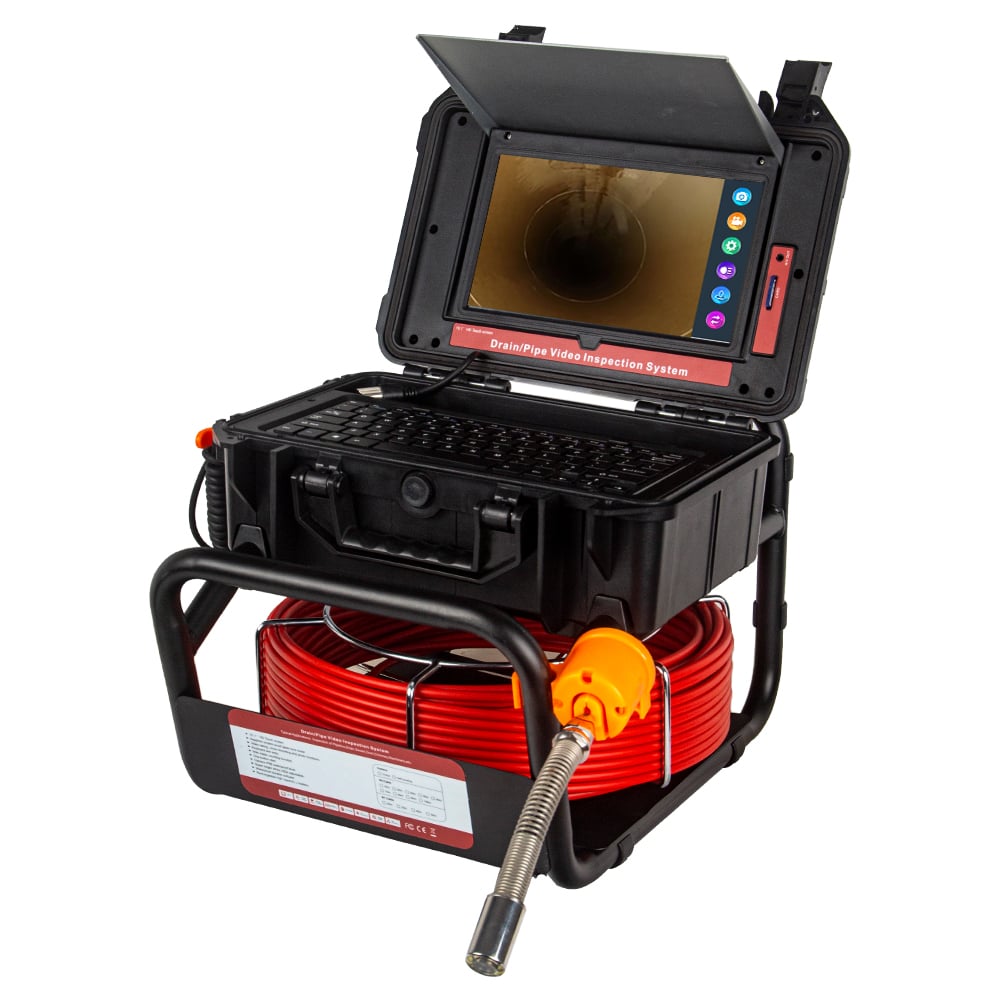
The field of underground and in-wall infrastructure inspection has been transformed dramatically over the past decade, and the pipe inspection camera sits at the center of this transformation. What was once a slow, disruptive, and expensive process of digging trenches to locate damage or blockages has evolved into a precise, real-time diagnostic operation that saves time, reduces labor costs, and delivers verifiable visual data to operators and engineers. As municipalities, construction firms, and facility management teams continue to demand greater accuracy and efficiency, manufacturers have responded with a new generation of advanced inspection tools that push the boundaries of what was previously thought possible.
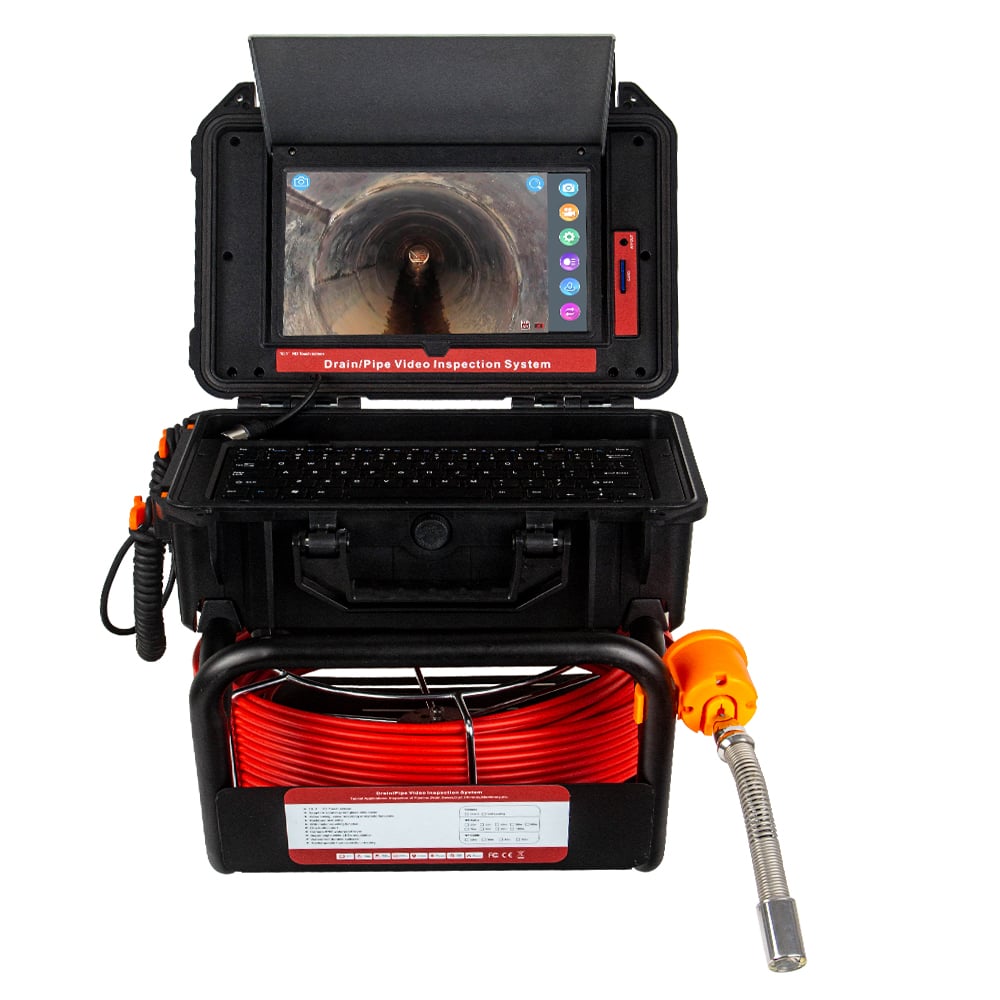
Understanding the latest innovations in pipe inspection camera technology is no longer just relevant to specialized contractors. Engineers, facility managers, utility inspectors, and procurement professionals all benefit from keeping pace with these advances. The improvements span imaging resolution, self-leveling mechanics, locating precision, display quality, waterproofing standards, and data integration capabilities. This article unpacks the most significant technological developments shaping the current and near-future landscape of pipeline inspection, offering practical insights for professionals who rely on these tools in demanding real-world environments.
High-Definition Imaging and Visual Clarity Advancements
The Shift to 1080p Full HD Video Capture
Early pipe inspection camera systems were limited to standard-definition video, which made it difficult to identify fine cracks, hairline fractures, root intrusions, or coating degradation inside pipe walls. The industry has now firmly transitioned to full HD 1080p resolution, and this single change has had a profound impact on diagnostic accuracy. Operators can now clearly identify the precise nature and extent of defects without ambiguity, reducing the likelihood of misdiagnosis and unnecessary excavation work.
A modern pipe inspection camera equipped with 1080p head resolution captures crisp, detailed footage even in low-light subterranean conditions. This is critical because many sewer and drainage pipes run underground where light is entirely absent except for the camera's own illumination. The combination of high-resolution sensors and well-engineered LED lighting systems ensures that every section of pipe is documented with clinical clarity, making the footage useful not only for immediate diagnosis but also for long-term record-keeping and regulatory reporting.
Video compression and storage technologies have advanced alongside sensor improvements. Inspection footage can now be stored on removable media, transmitted over Wi-Fi to tablets or laptops, or uploaded directly to cloud-based project management platforms. This makes it far easier to share findings across project teams, archive inspection histories, and produce professional client reports with embedded video clips and still images extracted directly from high-definition footage.
Enhanced LED Lighting and Dynamic Exposure Control
Image quality in a pipe inspection camera is not determined by the sensor alone. The lighting system plays an equally critical role, particularly inside pipes where reflective moisture, varying pipe diameters, and debris create challenging visual environments. Innovations in high-output LED arrays now allow for adjustable brightness levels, ensuring that the camera head neither overexposes shiny metal pipe surfaces nor underexposes dark concrete or clay interiors.
Dynamic exposure control, increasingly integrated into modern inspection cameras, allows the system to automatically adjust light sensitivity based on real-time conditions. This minimizes the manual adjustments operators previously had to make during long inspection runs and ensures that consistent image quality is maintained even as the camera transitions between different pipe materials, diameters, or cleanliness levels. For professionals conducting multi-hour inspection campaigns, this automation significantly reduces operator fatigue and the risk of capturing unusable footage.
Self-Leveling Camera Head Technology
Why Camera Head Orientation Matters
One of the most operationally significant innovations in the pipe inspection camera industry is the development of self-leveling camera heads. In conventional camera systems, the head rotates with the push rod as it navigates bends and junctions, causing the image to rotate unpredictably. This makes it difficult to maintain consistent orientation when reviewing footage and can lead to misinterpretation of defect locations relative to the pipe's clock positions — a critical factor in engineering assessments and repair planning.
A self-leveling pipe inspection camera uses internal gyroscopic or counterweight-based mechanisms to keep the camera head in a stable, upright orientation regardless of how the push rod twists during navigation. This means the operator always sees a correctly oriented view of the pipe interior, with the bottom of the pipe always appearing at the bottom of the screen. The practical benefit is enormous: defects can be reported using standardized clock-face notation, improving communication between field technicians and office-based engineers.
For inspection work in large-diameter sewer mains or drainage systems where precise structural assessments are required, self-leveling functionality is no longer a luxury. It is increasingly becoming a baseline expectation in professional-grade pipe inspection camera specifications, especially for work that must comply with pipeline condition assessment standards used by municipal utility authorities.
Integration with Sonde Locating Systems
Modern self-leveling pipe inspection camera systems are frequently paired with integrated sonde transmitters, typically operating at 512 Hz. A sonde is a small radio transmitter housed near the camera head that broadcasts a signal through the pipe wall to the surface above. Using a compatible locator device, a surface technician can trace the exact path of the camera underground, pinpoint its location with high accuracy, and determine the depth of the pipe at any given point.
The 512 Hz frequency has become an industry standard for sonde-based pipe locating because it offers a strong balance between signal penetration depth and locating precision. When combined with a self-leveling camera head and HD video capture, the result is a pipe inspection camera system that simultaneously delivers visual condition data and accurate geospatial location data. This dual capability is particularly valuable for infrastructure rehabilitation projects where contractors need to plan trenchless repair operations based on precise underground mapping.
Waterproofing Standards and Durability Engineering
IP68 Rating as the New Benchmark
The operational environment of a pipe inspection camera is inherently harsh. Camera heads and push rods are routinely submerged in sewage, chemical effluent, stormwater, and sediment-filled drainage systems. Early inspection cameras frequently suffered from water ingress, corroded connectors, and lens fogging — problems that caused expensive downtime and shortened equipment service life. The industry has responded by standardizing on IP68 waterproofing ratings for the camera head and related components.
IP68 is the highest classification in the IEC 60529 ingress protection standard. It certifies that the protected component can be continuously submerged in water beyond one meter depth under defined test conditions. For a pipe inspection camera operating in fully flooded sewer lines or submerged drainage culverts, this rating provides a meaningful assurance of reliability. Operators can push the camera through standing water without concern about immediate equipment failure, enabling inspections that would previously have required costly pipe dewatering operations.
Beyond the camera head itself, modern systems apply robust engineering to the push rod, cable management systems, and connectors. Reinforced fiberglass or stainless-steel push rods resist corrosion and deformation even after prolonged exposure to aggressive wastewater chemistries. Sealed connector interfaces prevent moisture from migrating back along the cable to the control unit, a common failure mode in earlier inspection equipment generations.
Ruggedized Monitor and Control Unit Design
The controller and display unit of a pipe inspection camera has also benefited from significant durability engineering. Field units are now commonly built with impact-resistant housings, reinforced glass screens rated for outdoor sunlight visibility, and ergonomic designs that minimize operator fatigue during extended inspection sessions. A 9-inch display size has emerged as a practical standard for self-contained portable inspection systems, offering sufficient screen real estate to review HD footage clearly without making the unit too bulky for single-operator use.
Touchscreen interfaces with glove-compatible sensitivity are increasingly common, as field technicians often work in cold or wet conditions where bare-hand operation is impractical. Battery life has also improved significantly, with modern systems offering extended operational runtimes sufficient to complete full-day inspection campaigns without recharging. These hardware durability improvements directly reduce the total cost of ownership for organizations that rely heavily on pipe inspection camera deployments across large infrastructure networks.
Push Rod Engineering and Extended Reach Capabilities
200-Meter Inspection Range and Cable Management
The physical reach of a pipe inspection camera has expanded substantially in recent product generations. Systems offering push rod lengths of up to 200 meters are now commercially available in portable self-contained configurations. This extended reach is transformative for inspecting long drainage runs, municipal sewer mains, or industrial process pipelines without requiring multiple access point entries that add time and cost to inspection operations.
Managing 200 meters of push rod and signal cable requires careful engineering of the reel and cable management system. Modern inspection camera reels use self-feeding mechanisms and smooth-drag designs that reduce the physical effort required to push and retrieve the camera head over long distances. The signal cable integrated within the push rod must maintain reliable video and power transmission across the full length without introducing interference, voltage drop, or mechanical strain failures — all of which have been addressed through improvements in cable construction and shielding technology.
Cable counters integrated into the reel unit provide real-time distance tracking, allowing operators to log the precise cable depth at which defects or features are observed. This information feeds directly into inspection reports and digital condition assessment databases, improving the spatial accuracy of pipe condition records and making it easier to correlate video findings with above-ground surface features or known infrastructure layouts.
Camera Head Size Variants and Application Flexibility
The pipe inspection camera market now offers a much wider range of camera head diameters than in previous generations, allowing a single organization to inspect pipes spanning a broad range of sizes using compatible or interchangeable heads. Small-diameter camera heads designed for pipes as narrow as 50mm allow inspection of domestic drain lines and service laterals that were previously inaccessible to standard equipment. Larger heads with wider fields of view and multiple lens configurations are available for inspecting trunk mains or culverts with diameters exceeding 300mm.
This flexibility is commercially important because infrastructure inspection contractors increasingly serve multiple client segments — from residential plumbers conducting drain surveys to municipal engineers inspecting large wastewater infrastructure. Having a pipe inspection camera platform that can accommodate multiple head types and push rod lengths through a single controller interface reduces capital investment and simplifies technician training, providing a clear operational and financial advantage.
Data Integration, Reporting, and Smart Features
On-Screen Data Overlay and GPS Tagging
A major differentiator in the latest generation of pipe inspection camera systems is their ability to overlay operational data directly onto the video feed. Real-time on-screen display of cable distance, inspection date and time, operator identification, project reference number, and GPS coordinates enriches every recorded frame with contextual metadata. This eliminates the manual logging of observation points that was previously required and reduces the risk of data entry errors corrupting inspection records.
GPS tagging is particularly valuable for surface-accessible inspection points where the geographic location of each observation needs to be integrated into GIS mapping systems or asset management platforms. When a pipe inspection camera records a defect observation tagged with precise GPS coordinates, that data point can be directly imported into infrastructure mapping software, creating a continuously updated digital twin of the underground network that facility managers and engineers can reference for maintenance planning and capital investment prioritization.
Wireless Connectivity and Report Generation
Wireless connectivity via Wi-Fi has become a standard feature in premium pipe inspection camera platforms. Operators can stream live video to a tablet or smartphone held by a second team member, or transmit footage in real time to a remote engineer monitoring the inspection from an office location. This collaborative capability is especially useful in complex inspection projects where a field technician requires immediate expert interpretation of observations without needing to retrieve and return the camera for review.
Automated report generation software, increasingly bundled with professional-grade pipe inspection camera systems, converts raw inspection data into structured condition assessment reports formatted to industry standards. These reports include annotated still images captured from the HD video, defect classification codes, distance-referenced observation logs, and summary condition scores. The reduction in post-inspection office time that this automation delivers has a direct positive impact on project profitability and client turnaround times for inspection service providers.
As artificial intelligence and machine learning capabilities continue to mature, early experimental integrations are beginning to appear in pipe inspection camera platforms in the form of automated defect detection algorithms. These systems analyze video footage in real time or post-processing to flag potential crack patterns, joint defects, root intrusions, or sediment deposits, drawing the operator's attention to anomalies that might otherwise be missed during long inspection runs. While still an emerging capability, AI-assisted inspection represents the next significant frontier for the industry.
FAQ
What does IP68 mean for a pipe inspection camera?
IP68 is an ingress protection rating that certifies the camera head can be continuously submerged in water at depths exceeding one meter under defined test conditions. For a pipe inspection camera, this means the equipment can operate safely inside fully flooded pipes or sewer lines without water ingress causing damage to the lens, LED lighting, or internal electronics. It is currently considered the benchmark waterproofing standard for professional-grade inspection equipment.
Why is self-leveling important in a pipe inspection camera?
Self-leveling keeps the camera head in a consistent upright orientation regardless of how the push rod rotates during navigation. This ensures the pipe's bottom always appears at the bottom of the screen, which is essential for accurately reporting defect positions using clock-face notation. Without self-leveling, footage can be disorienting, and defect location reports may be inconsistent or require time-consuming post-processing corrections to interpret accurately.
How far can a modern pipe inspection camera reach?
Contemporary portable pipe inspection camera systems are available with push rod lengths of up to 200 meters, enabling inspection of long drainage runs and sewer mains from a single access point. The achievable reach in practice depends on pipe diameter, pipe condition, number of bends, and push rod material. Fiberglass rods generally offer better stiffness and push-through performance in longer runs compared to earlier spring-steel cable designs.
What is a sonde transmitter and why is it integrated into a pipe inspection camera?
A sonde is a small radio frequency transmitter housed near the camera head that broadcasts a locating signal through the pipe wall to the surface. A compatible surface locator picks up the 512 Hz signal and allows a technician to trace the camera's exact underground path, determine pipe depth, and pinpoint specific defect locations for trenchless repair targeting. Integration of a sonde into the pipe inspection camera provides both visual condition assessment and accurate underground mapping in a single operation.