 EN
EN


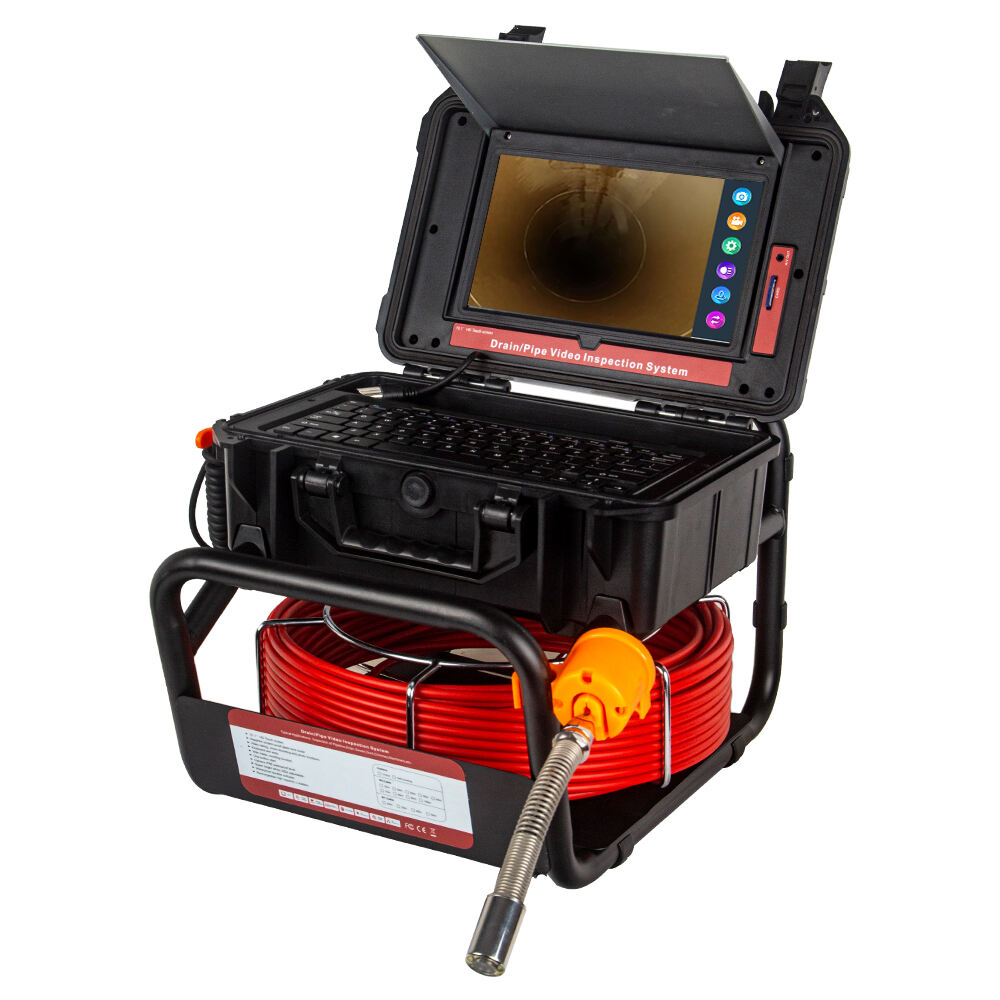
Choosing the right pipe inspection camera is one of the most consequential decisions a plumbing contractor, municipal maintenance team, or facility manager can make. The market offers a wide range of systems, from basic handheld units to sophisticated crawler-based inspection rigs, and the differences between them go far beyond price. Understanding what features genuinely matter — and why — separates a tool that gets the job done from one that creates more frustration than clarity on the worksite.
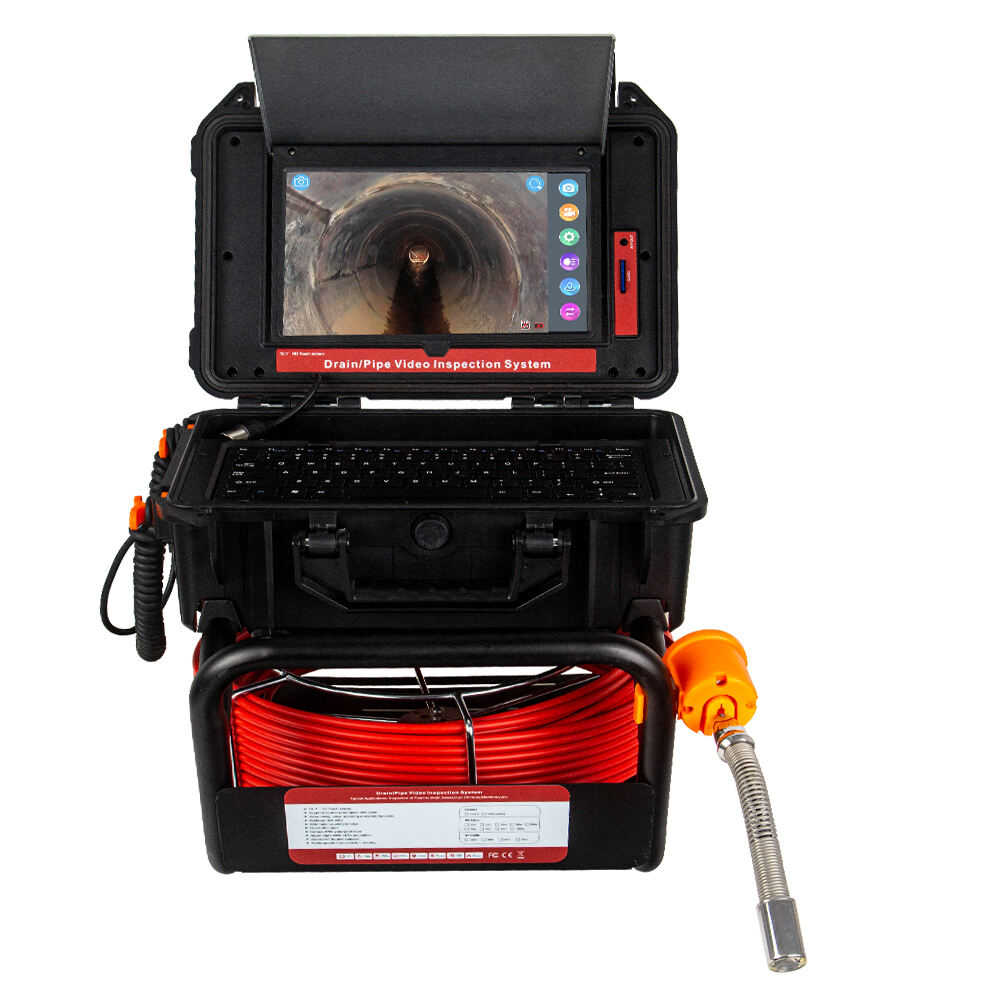
A high-quality pipe inspection camera does more than capture video inside a dark, wet conduit. It delivers actionable data — precise fault location, accurate visual diagnosis, and reliable performance under demanding field conditions. This article breaks down the essential features you should evaluate before selecting a pipe inspection camera, helping you match system capabilities to the real-world demands of your inspection workflow.
Camera Head Specifications and Optical Performance
Resolution and Image Sensor Quality
The camera head is the central diagnostic component of any pipe inspection camera, and its optical quality determines how much useful information you extract from each inspection run. Resolution is the starting point — higher-resolution sensors produce sharper images that reveal fine cracks, root intrusions, joint displacements, and corrosion pitting that lower-resolution heads simply miss. For professional applications, look for camera heads with at least 480 TV lines, though high-definition variants offering 720p or 1080p are increasingly accessible and highly recommended for detailed condition assessment.
Beyond raw resolution, the image sensor's sensitivity in low-light environments matters significantly. Pipe interiors are dark by nature, and the quality of illumination paired with sensor sensitivity determines whether your footage is crisp and diagnostic or grainy and ambiguous. A pipe inspection camera with a high-sensitivity CMOS or CCD sensor paired with adjustable LED lighting provides far more consistent visual results across different pipe materials and diameters.
Color rendering accuracy also plays a role that is often underestimated. When assessing pipe condition, distinguishing between rust staining, grease buildup, and active structural damage requires true color representation. A camera head with accurate color reproduction reduces misinterpretation and supports more reliable reporting.
Camera Head Size and Articulation
The physical dimensions of the camera head must be matched to the pipe diameters you inspect most frequently. A pipe inspection camera designed for 2-inch to 4-inch diameter pipes will use a significantly smaller camera head than one intended for 8-inch to 24-inch diameter main lines. Using a head that is too small for a large pipe results in poor central image framing and unstable navigation; using one that is too large for a narrow pipe is simply impossible.
Self-leveling camera heads are a critical convenience feature for systems deployed in horizontal runs. They automatically rotate to keep the image upright regardless of how the cable twists during insertion, which dramatically reduces fatigue and misinterpretation during extended inspection sessions. Some professional-grade systems also offer pan-and-tilt functionality, enabling operators to examine lateral connections or inspect specific areas of interest from multiple angles without withdrawing and reinserting the camera.
Cable and Push Rod System Quality
Cable Length, Diameter, and Flexibility
The push cable is the physical link between the operator and the camera head, and its engineering directly affects how far and how smoothly the pipe inspection camera can travel through a pipe system. Cable length requirements vary enormously by application — a residential service lateral might require only 30 meters of cable, while inspecting a commercial main line or stormwater culvert could demand 100 meters or more. Always assess your typical inspection depth before specifying cable length.
Cable diameter affects both flexibility and column strength. Thinner cables navigate tight bends and smaller-diameter pipes more easily but may lack the push force needed to travel long distances or overcome significant friction. Heavier-gauge cables offer more rigidity for longer runs but are less suitable for navigating multiple 90-degree bends in succession. The best pipe inspection camera systems allow operators to select the appropriate cable specification for each application rather than imposing a one-size-fits-all solution.
Cable jacketing material is also worth evaluating carefully. Fiberglass-reinforced polymer cables resist kinking, maintain shape memory for controlled navigation, and tolerate exposure to sewage, chemicals, and abrasive surfaces better than standard steel-wound cables. Durability here translates directly into lower replacement costs over the system's operational life.
Reel and Cable Management Design
How the cable is stored and deployed has a practical impact on daily workflow efficiency. A well-designed reel system for a pipe inspection camera maintains consistent tension during deployment, prevents cable tangling, and allows the operator to track how far the camera head has traveled into the pipe. Integrated depth counters, either mechanical or digital, remove guesswork from fault location reporting.
Some reel systems also integrate the electrical connections and signal transmission components within the reel housing itself, reducing the number of external connection points that can fail in wet or dirty field conditions. This kind of thoughtful mechanical design separates systems built for durability from those designed primarily around cost reduction.
Locator Compatibility and Fault Positioning
Integrated Sonde and 512Hz Signal Transmission
One of the most practically valuable features in a professional pipe inspection camera system is an integrated sonde transmitter — a device housed within the camera head that broadcasts a locatable radio frequency signal. When paired with a compatible surface locator receiver, this allows the operator to pinpoint the camera head's exact position underground without excavation, mapping where faults are located relative to surface features.
The 512Hz frequency is the industry-standard sonde frequency used by the vast majority of professional pipe locating receivers worldwide. A pipe inspection camera equipped with a 512Hz sonde transmitter ensures broad compatibility with third-party locators already in use by contractors and utility teams. This matters enormously in practice — when you can confirm the camera is directly beneath a visible surface mark, you can dig precisely, saving time and reducing unnecessary excavation costs.
Systems that bundle a matched locator receiver with the pipe inspection camera unit offer particular value for teams building out their inspection capability from scratch. A good example is a complete system that pairs the camera reel with a dedicated surface receiver, allowing immediate locator capability without additional procurement. The pipe inspection camera systems that include both the sonde-equipped camera head and a compatible receiver represent a well-integrated field solution for fault location work.
Depth Reading and Surface Marking Accuracy
Beyond simply detecting a signal, a quality locator receiver should provide an accurate depth reading — indicating how far below the surface the camera head is positioned. This depth data is essential for planning safe excavation, particularly in urban environments where service depths vary and ground disturbance risks are high. The accuracy of the depth reading depends on the quality of the sonde signal, the sensitivity of the receiver, and the absence of nearby interference sources.
When evaluating a pipe inspection camera system for locator performance, consider the operating range of the sonde — how deep it can reliably transmit through soil and through pipe materials. Heavy clay soils, reinforced concrete pipes, and cast iron conduits all attenuate signals differently. A stronger sonde transmitter operating at 512Hz gives the operator greater confidence in challenging ground conditions.
Display, Recording, and Data Management
Monitor Quality and Viewing Ergonomics
The control unit display is where all the diagnostic value of a pipe inspection camera system becomes visible to the operator. Screen size, brightness, and resolution collectively determine whether you can accurately assess pipe condition during a live inspection run. A display that is too small, too dim in direct sunlight, or too low in resolution undermines the investment made in a high-quality camera head.
For field use, displays of 7 inches or larger with high-brightness panels — typically 1000 nits or above — are significantly more practical than smaller or dimmer alternatives. Tilt-adjustable monitors reduce neck strain during long inspection sessions and allow viewing from multiple operator positions. Some systems mount the display on the reel housing itself, while others use detached handheld monitors with wireless connectivity, each offering different ergonomic trade-offs depending on your workflow.
Video Recording, Timestamping, and Report Generation
Modern professional pipe inspection camera systems record footage directly to SD cards, USB drives, or onboard storage in standard video formats such as MP4 or AVI. This recorded footage becomes the evidentiary record for client reporting, insurance documentation, and repair planning. Systems that automatically embed timestamp, date, operator ID, and distance counter data as on-screen overlays onto the recorded video produce far more useful documentation than those that require manual annotation after the fact.
Some advanced pipe inspection camera platforms integrate with inspection reporting software, allowing operators to tag defects during the inspection run with standardized codes — such as PACP-compliant classifications — and automatically generate structured reports at the end of each job. This level of integration can significantly reduce administrative time and improve the consistency and professionalism of client deliverables.
Photo capture capability, in addition to video recording, is valuable for creating summary defect documentation. The ability to freeze-frame and capture still images at key points during the inspection provides a quick-reference visual record that clients and engineers can review without needing to scrub through full video footage.
Durability, Environmental Ratings, and Build Quality
IP and Waterproofing Standards
A pipe inspection camera operates in one of the harshest environments possible — submerged in sewage, exposed to chemical effluent, and subjected to physical impact as the cable navigates sharp bends and rough pipe surfaces. The camera head's waterproofing standard is therefore a non-negotiable specification. Look for IP68-rated camera heads as the baseline for professional deployment, indicating continuous submersion capability beyond one meter depth.
The control unit and reel housing also require adequate environmental protection, though their exposure is typically less severe than the camera head itself. IP54 or higher ratings for the control unit protect against water spray and dust ingress during typical outdoor field use. Systems with poorly sealed control units frequently suffer connector corrosion, display moisture ingress, and electronic failure after extended field use — a costly consequence of underspecifying build quality.
Materials, Connector Reliability, and Service Support
The structural materials used in the camera head and reel assembly determine long-term durability under demanding conditions. Stainless steel camera heads resist corrosion from sewage, industrial effluent, and chemical drain cleaners more reliably than plastic or aluminum alternatives. The connector between the camera head and push cable is a high-wear junction that should be designed for easy field inspection and replacement rather than requiring workshop service every time it is damaged.
When evaluating a pipe inspection camera for long-term investment value, consider the availability of spare parts — particularly camera heads, cables, and connectors — and the accessibility of technical support from the supplier. A system that performs well initially but becomes unusable because replacement components are unavailable represents poor total cost of ownership despite an attractive initial price.
The overall build philosophy of a pipe inspection camera system should reflect field realism. Systems designed with tool-free cable connection, rubberized control housings, and simple access panels for battery replacement or card swapping reduce downtime and frustration in practice. These small design decisions accumulate into significant efficiency advantages over years of regular use.
FAQ
What pipe diameter range does a standard pipe inspection camera cover?
Most professional pipe inspection camera systems are designed for specific diameter ranges, commonly categorized as small-diameter (1.5 to 4 inches), medium-diameter (4 to 12 inches), and large-diameter (12 inches and above) systems. The camera head size, cable rigidity, and wheel skid attachments are typically tailored to these ranges. Some systems offer interchangeable camera heads or adjustable skid systems to broaden the diameter range a single unit can cover effectively.
How important is the 512Hz sonde frequency for locator compatibility?
The 512Hz frequency is the globally recognized standard for pipe inspection sonde transmitters, which means a pipe inspection camera equipped with a 512Hz sonde will be compatible with the vast majority of surface locator receivers used by contractors and utility companies worldwide. This compatibility is critically important for teams that work with multiple equipment suppliers or need to use client-supplied locating equipment on specific job sites. Non-standard sonde frequencies create significant compatibility barriers and reduce operational flexibility.
Can a pipe inspection camera be used in pressurized water lines?
Standard pipe inspection camera systems are designed for gravity-fed drain, sewer, and stormwater applications rather than pressurized water mains. Inspection of pressurized lines requires specialized equipment with pressure-rated fittings, insertion valves, and camera assemblies built to withstand system pressure. Attempting to use a standard pipe inspection camera in a pressurized line risks equipment damage and creates a safety hazard. Always confirm the pressure rating of any camera system before deploying it in pressurized pipeline applications.
What recording format should I look for in a pipe inspection camera system?
For maximum compatibility and long-term usability, a pipe inspection camera system that records in standard MP4 or AVI format is strongly preferred over proprietary formats. Standard formats can be viewed on any computer, shared with clients without requiring special software, and integrated into reporting platforms without conversion steps. Additionally, look for systems that embed date, time, and distance counter data as permanent overlays on the recorded footage, as this metadata adds significant evidentiary and reporting value to every inspection file you produce.