 EN
EN


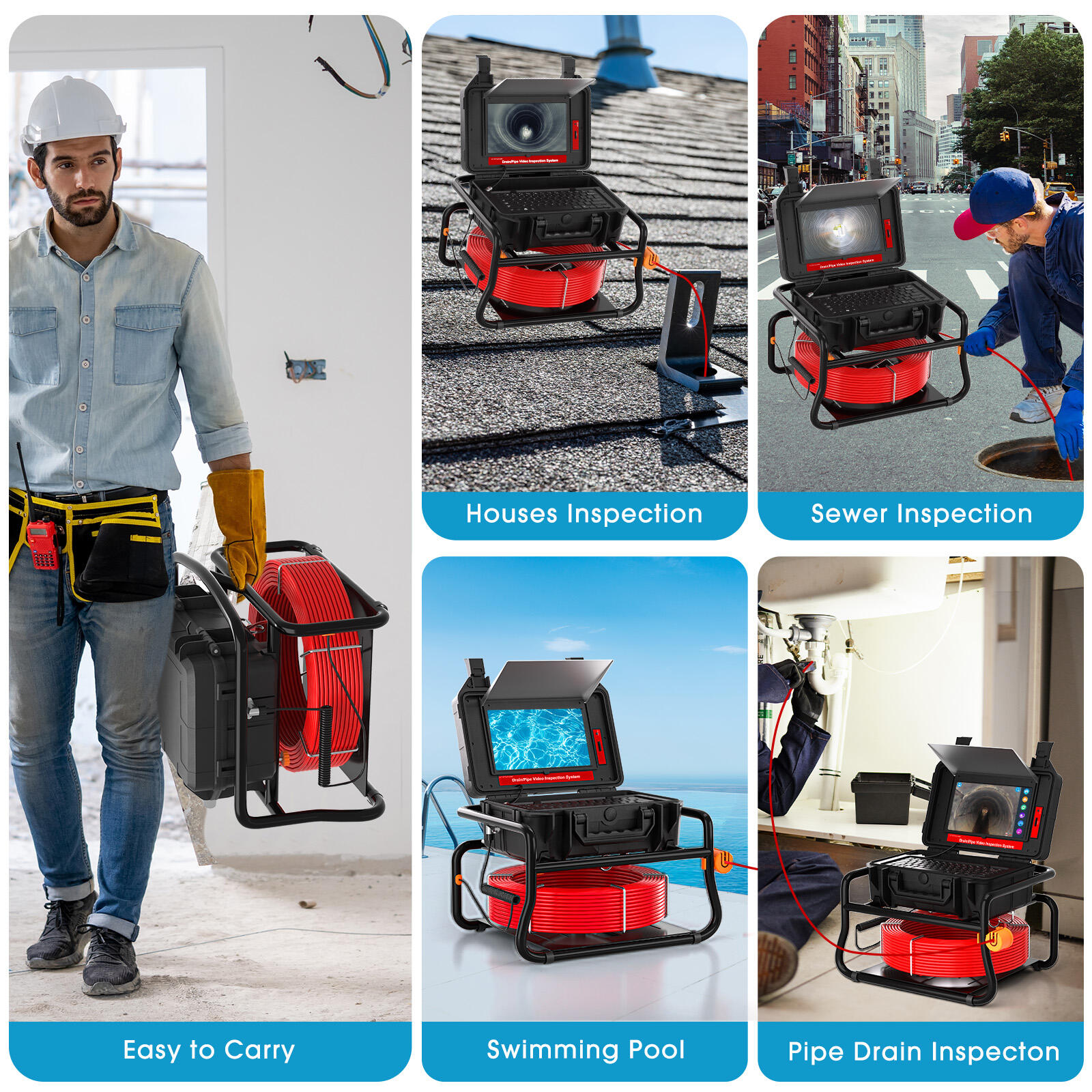
The pipe camera industry has experienced unprecedented technological advancement in 2024, revolutionizing how professionals approach pipeline inspection and maintenance. These cutting-edge innovations have transformed traditional diagnostic methods, introducing features that enhance accuracy, efficiency, and operational safety. Modern pipe camera systems now incorporate advanced imaging technologies, wireless connectivity, and intelligent automation that significantly improve inspection outcomes across municipal, industrial, and residential applications.
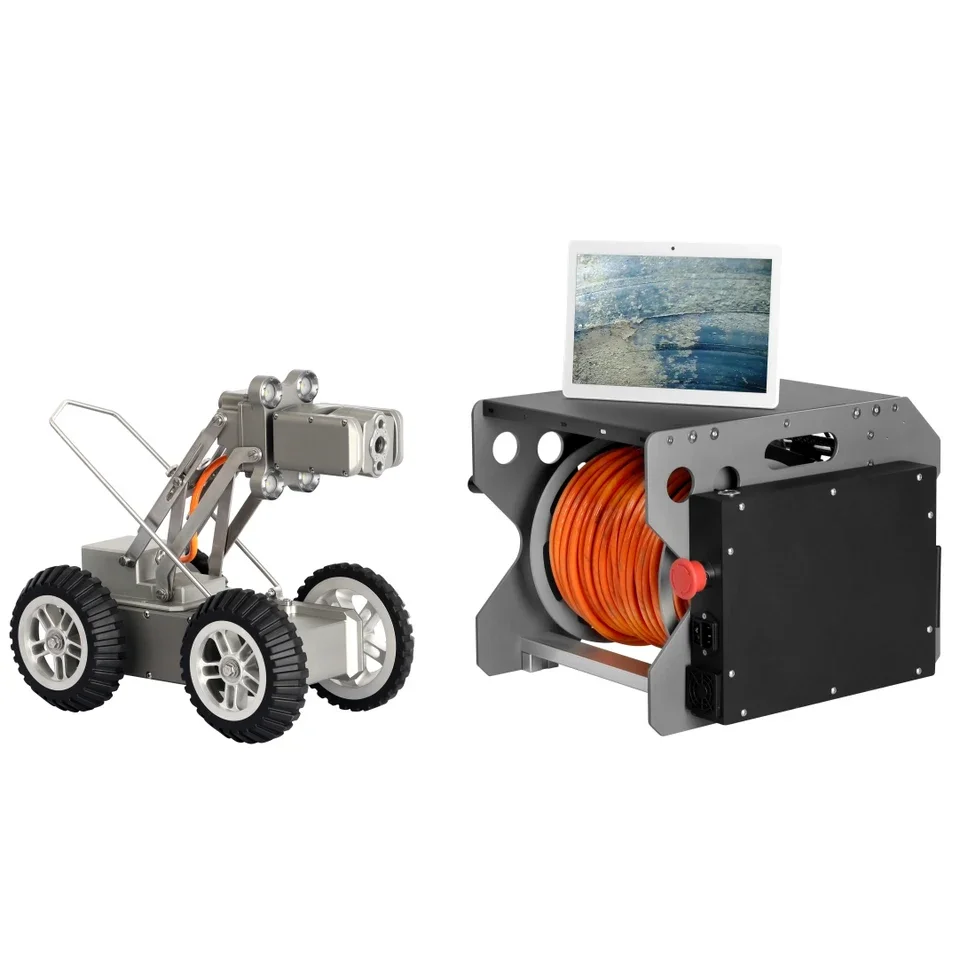
The latest pipe camera technology represents a paradigm shift from conventional inspection methods, offering professionals unprecedented visibility into pipeline conditions. These 2024 innovations combine high-definition imaging, robotic mobility, and real-time data transmission to deliver comprehensive inspection solutions. Understanding these technological breakthroughs is essential for industry professionals seeking to optimize their pipeline maintenance strategies and stay competitive in an increasingly demanding market.
High-Definition Imaging Breakthroughs
4K Ultra-High-Definition Resolution Systems
The most significant advancement in 2024 pipe camera technology involves the integration of 4K ultra-high-definition imaging capabilities. Modern pipe camera systems now deliver crystal-clear resolution that reveals minute pipeline defects previously invisible to standard definition equipment. These advanced imaging sensors capture intricate details such as hairline cracks, minor corrosion patterns, and subtle structural anomalies with remarkable clarity.
Professional-grade pipe camera units featuring 4K resolution enable inspectors to identify potential problems before they escalate into costly failures. The enhanced image quality facilitates more accurate condition assessments, allowing maintenance teams to prioritize repairs based on precise visual evidence rather than educated guesswork.
Advanced color reproduction technology ensures that pipe camera systems accurately represent actual pipeline conditions, eliminating color distortion that could lead to misdiagnosis. This technological improvement proves particularly valuable when assessing pipe material conditions, corrosion levels, and contamination presence within various pipeline environments.
360-Degree Panoramic Viewing Technology
Revolutionary 360-degree rotation capabilities represent another major innovation in 2024 pipe camera technology. These systems provide comprehensive circumferential viewing without requiring multiple inspection passes, significantly reducing operational time and costs. The panoramic viewing feature enables inspectors to examine entire pipe sections thoroughly, ensuring no potential issues remain undetected.
Advanced motorized rotation mechanisms allow precise camera positioning and smooth panoramic sweeps throughout the inspection process. This pipe camera technology eliminates blind spots that traditional fixed-position cameras often miss, providing complete pipeline visibility for comprehensive condition documentation.
Professional inspection teams report significant improvements in detection accuracy when utilizing 360-degree pipe camera systems compared to conventional linear inspection methods. The comprehensive viewing capability proves especially valuable in large-diameter pipelines where traditional cameras cannot capture complete circumferential details in single passes.
Smart Connectivity and Data Integration
Wireless Real-Time Transmission
Wireless connectivity represents a transformative innovation in 2024 pipe camera technology, enabling real-time data transmission without cumbersome cable connections. Modern wireless pipe camera systems utilize advanced radio frequency protocols to maintain stable connections over extended distances, ensuring continuous data flow throughout inspection operations.
These wireless pipe camera innovations eliminate cable-related limitations that previously restricted inspection depth and maneuverability. Professional teams can now conduct inspections in complex pipeline networks without worrying about cable snags, tangles, or length constraints that compromised operational efficiency.
Real-time wireless transmission enables immediate collaboration between field inspection teams and remote technical specialists. This connectivity improvement allows expert consultation during active inspections, facilitating faster decision-making and more accurate condition assessments without delaying operational schedules.
Cloud-Based Data Management Systems
Advanced cloud integration capabilities distinguish 2024 pipe camera technology from previous generations, offering seamless data storage, sharing, and analysis solutions. Modern pipe camera systems automatically upload inspection footage and measurement data to secure cloud platforms, ensuring immediate backup and accessibility from multiple locations.
Cloud-based pipe camera data management systems provide sophisticated analysis tools that identify patterns, track condition changes over time, and generate predictive maintenance recommendations. These intelligent systems help maintenance teams optimize inspection schedules and prioritize repairs based on historical performance data and trending analysis.
Professional organizations benefit from centralized data management that enables standardized reporting across multiple inspection teams and geographic locations. This technological advancement ensures consistent documentation quality and facilitates comprehensive asset management strategies for large pipeline networks.
Advanced Navigation and Control Systems
Robotic Crawling Technology
Sophisticated robotic crawling mechanisms represent a major leap forward in 2024 pipe camera technology, enabling autonomous navigation through complex pipeline systems. These advanced robotic units feature intelligent traction control systems that adapt to varying pipe materials, diameters, and surface conditions without manual intervention.
Modern pipe camera robots incorporate multiple propulsion methods, including magnetic wheel systems for ferrous pipes, pneumatic expansion mechanisms for various diameters, and tracked drive systems for challenging surface conditions. This versatility ensures reliable performance across diverse pipeline environments and applications.
Advanced sensors integrated into pipe camera robotic systems provide real-time feedback about navigation conditions, automatically adjusting speed and traction to maintain optimal inspection quality. These intelligent systems can navigate around obstacles, traverse elevation changes, and maintain stable positioning during extended inspection procedures.
GPS Integration and Positioning Accuracy
GPS integration technology enhances pipe camera systems with precise location tracking capabilities that revolutionize inspection documentation and maintenance planning. Modern pipe camera equipment automatically records exact geographic coordinates for every inspection point, creating detailed location maps that facilitate future maintenance activities.
Advanced positioning systems combine GPS data with internal distance measurements to provide accurate location information even in underground pipeline networks where direct satellite communication is impossible. This pipe camera technology ensures precise defect location documentation that enables targeted repair strategies.
Professional maintenance teams utilize GPS-enhanced pipe camera data to create comprehensive pipeline asset maps that integrate condition assessments with precise geographic information. This technological capability proves invaluable for emergency response planning and long-term infrastructure management strategies.
Artificial Intelligence and Automated Analysis
Machine Learning Defect Recognition
Artificial intelligence integration represents the most revolutionary advancement in 2024 pipe camera technology, introducing automated defect recognition capabilities that significantly enhance inspection accuracy and efficiency. Machine learning algorithms analyze pipe camera footage in real-time, automatically identifying cracks, corrosion, blockages, and structural anomalies with remarkable precision.
Advanced AI-powered pipe camera systems continuously learn from inspection data, improving recognition accuracy and expanding defect classification capabilities over time. These intelligent systems can distinguish between different defect types, assess severity levels, and prioritize findings based on risk assessment algorithms developed through extensive training data.
Professional inspection teams report dramatic improvements in consistency and accuracy when utilizing AI-enhanced pipe camera technology compared to manual analysis methods. The automated recognition capabilities eliminate human error factors and ensure standardized defect classification across different operators and inspection conditions.
Predictive Maintenance Analytics
Sophisticated predictive analytics capabilities distinguish 2024 pipe camera technology through advanced algorithms that forecast future pipeline conditions based on current inspection data and historical trends. These intelligent systems analyze pipe camera footage to identify early warning signs that indicate potential future failures.
Advanced pipe camera analytics platforms process multiple data sources, including visual inspection results, environmental conditions, operational parameters, and historical maintenance records to generate accurate failure probability assessments. This comprehensive analysis enables proactive maintenance strategies that prevent costly emergency repairs.
Professional maintenance organizations utilize predictive pipe camera analytics to optimize resource allocation, schedule preventive maintenance activities, and justify capital improvement investments based on data-driven condition assessments and failure risk projections.
Industry-Specific Application Enhancements
Municipal Infrastructure Solutions
Municipal applications have driven significant innovations in 2024 pipe camera technology, resulting in specialized systems designed for large-diameter sewer lines, stormwater management systems, and aging infrastructure assessment. These municipal-focused pipe camera solutions incorporate heavy-duty construction, extended battery life, and specialized lighting systems optimized for challenging underground environments.
Advanced municipal pipe camera systems feature specialized wheels and traction mechanisms designed specifically for concrete pipes, clay tiles, and other common municipal pipeline materials. These systems maintain stable operation in wet conditions, debris-laden environments, and varying pipe geometries commonly encountered in municipal infrastructure networks.
Professional municipal maintenance teams benefit from pipe camera innovations that include specialized reporting formats compliant with regulatory requirements and standardized condition assessment protocols. These technological improvements streamline documentation processes and facilitate compliance with environmental protection and infrastructure management regulations.
Industrial Process Pipeline Inspection
Industrial applications have influenced pipe camera technology development through demanding requirements for chemical resistance, high-temperature operation, and explosion-proof construction. Modern industrial pipe camera systems incorporate specialized materials and protective coatings that withstand harsh chemical environments while maintaining inspection quality.
Advanced industrial pipe camera units feature temperature-resistant components that operate reliably in high-heat environments commonly found in power generation, petrochemical processing, and manufacturing facilities. These specialized systems maintain imaging quality and electronic reliability under extreme operational conditions that would damage conventional inspection equipment.
Professional industrial maintenance teams utilize pipe camera technology specifically designed for process piping inspection, including specialized lighting systems optimized for metallic pipe surfaces and advanced imaging algorithms that enhance visibility in reflective environments typical of industrial pipeline networks.
FAQ
What are the key technological improvements in 2024 pipe camera systems?
The 2024 pipe camera innovations include 4K ultra-high-definition imaging, 360-degree panoramic viewing, wireless real-time transmission, AI-powered defect recognition, and advanced robotic navigation systems. These technological improvements provide significantly enhanced inspection accuracy, operational efficiency, and data management capabilities compared to previous generation systems.
How does wireless connectivity improve pipe camera inspection operations?
Wireless connectivity eliminates cable-related limitations, enabling real-time data transmission without distance restrictions or cable management concerns. This pipe camera innovation allows immediate collaboration between field teams and remote specialists, facilitates deeper inspections in complex pipeline networks, and reduces operational setup time while improving inspection flexibility.
What benefits does AI integration provide in modern pipe camera systems?
AI integration in pipe camera technology provides automated defect recognition, predictive maintenance analytics, and consistent condition assessment capabilities. These intelligent systems eliminate human error factors, improve inspection accuracy, and generate data-driven maintenance recommendations that optimize resource allocation and prevent costly emergency repairs.
How do 2024 pipe camera innovations address different industry applications?
Modern pipe camera technology incorporates industry-specific enhancements including municipal-grade durability for large infrastructure systems, chemical-resistant materials for industrial applications, and specialized navigation systems for various pipe materials and environments. These targeted innovations ensure optimal performance across diverse operational requirements and environmental conditions.