 EN
EN


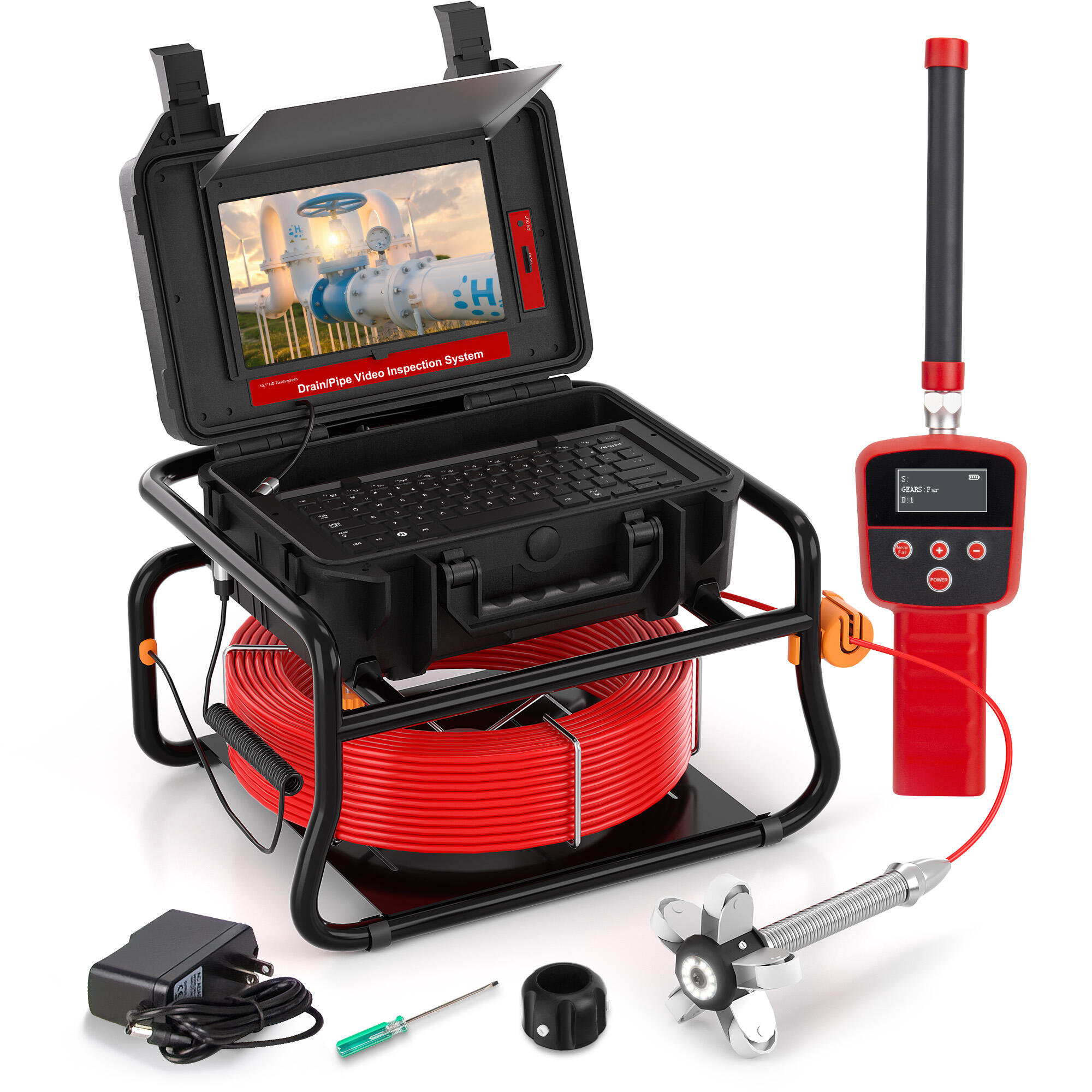
Modern plumbing diagnostics have evolved significantly with the introduction of advanced sewer inspection camera technology. Professional plumbers and drain cleaning contractors now rely heavily on visual inspection systems to accurately diagnose underground pipe issues without costly excavation. The choice between wireless and wired sewer inspection camera systems represents a critical decision that impacts both operational efficiency and diagnostic accuracy in commercial and residential applications.

The technological advancement in pipeline inspection equipment has created distinct advantages for both wireless and wired configurations. Each system type offers unique benefits depending on specific application requirements, working environment conditions, and operational preferences. Understanding these differences enables contractors to make informed equipment investments that maximize productivity and service quality.
Fundamental Technology Differences
Wireless System Architecture
Wireless sewer inspection camera systems utilize advanced digital transmission protocols to relay video signals from the camera head to portable receiving units. These systems incorporate sophisticated compression algorithms that maintain high-resolution image quality while minimizing signal latency. The camera head contains integrated transmitters that communicate with handheld monitors or tablet devices through proprietary wireless protocols.
Modern wireless systems feature rechargeable lithium battery packs that provide extended operational periods without external power connections. The elimination of physical cables reduces setup complexity and allows operators greater mobility during inspection procedures. Advanced wireless models incorporate self-leveling camera heads and integrated LED lighting systems that automatically adjust brightness based on pipe conditions.
Wired System Configuration
Traditional wired sewer inspection camera systems rely on coaxial or fiber optic cables to transmit video signals directly to monitoring equipment. These hardwired connections ensure consistent signal transmission without interference from external radio frequency sources. The cable assembly typically includes integrated power conductors that supply continuous electricity to camera components and lighting systems.
Wired systems often feature ruggedized cable construction designed to withstand harsh sewer environments including chemical exposure and mechanical stress. Professional-grade models incorporate reinforced cable jackets and specialized connectors that maintain reliable connections despite repeated flexing and environmental challenges. The direct electrical connection enables unlimited operational time without battery replacement concerns.
Performance Comparison Analysis
Signal Quality and Reliability
Signal transmission quality represents a fundamental consideration when selecting between wireless and wired sewer inspection camera configurations. Wired systems typically deliver superior signal consistency due to the direct physical connection between camera and display components. This hardwired approach eliminates potential interference from wireless devices, metal structures, or electromagnetic fields commonly encountered in urban environments.
Wireless systems have significantly improved in recent years, with many professional models achieving near-parity with wired alternatives in terms of image clarity and transmission stability. However, wireless signals may experience occasional interference in environments with high radio frequency activity or when operating near metal pipes and structures. Advanced wireless models incorporate frequency-hopping technology and error correction protocols to minimize these potential disruptions.
Operational Range and Flexibility
The operational range capabilities differ substantially between wireless and wired sewer inspection camera systems. Wireless configurations typically offer limited transmission range, usually effective within 100-300 feet depending on environmental conditions and obstruction levels. This range limitation can restrict inspection depth in longer pipeline runs or require multiple setup positions for comprehensive system evaluation.
Wired systems provide virtually unlimited operational range, limited only by available cable length. Professional models commonly include 200-400 feet of cable, enabling deep pipeline penetration for comprehensive municipal sewer system inspections. The physical cable connection maintains consistent performance regardless of distance, ensuring reliable operation in extensive underground networks where wireless signals might struggle to penetrate.
Practical Application Considerations
Setup and Deployment Efficiency
Wireless sewer inspection camera systems excel in rapid deployment scenarios where quick setup minimizes customer disruption. The absence of cable management requirements allows technicians to begin inspections immediately upon arrival at job sites. This efficiency advantage becomes particularly valuable in residential service calls where space constraints and customer convenience are primary concerns.
The streamlined deployment process of wireless systems reduces labor time and enables technicians to complete more inspections per day. Quick setup capabilities also facilitate repeat inspections during repair verification or maintenance follow-up visits. However, operators must ensure adequate battery charge levels and verify wireless signal strength before commencing inspection procedures.
Environmental Adaptability
Environmental conditions significantly impact the performance characteristics of both wireless and wired sewer inspection camera systems. Wireless configurations may experience performance degradation in areas with high electromagnetic interference, including industrial facilities or dense urban environments with numerous wireless devices. Metal pipe materials can also create signal reflection and absorption issues that affect transmission quality.
Wired systems demonstrate superior environmental resilience due to their shielded cable construction and direct electrical connections. These systems maintain consistent performance in challenging environments including chemical treatment facilities, industrial complexes, and underground utility tunnels. The physical cable protection also provides better resistance to moisture, temperature extremes, and mechanical stress encountered in demanding sewer inspection applications.
Cost-Benefit Analysis
Initial Investment Considerations
The initial purchase price typically favors wireless sewer inspection camera systems, which generally cost less than comparable wired alternatives. Wireless models eliminate expensive cable assemblies and associated connectors that contribute significantly to wired system costs. The simplified components and manufacturing processes of wireless systems enable manufacturers to offer competitive pricing for entry-level and mid-range inspection equipment.
However, professional-grade wireless systems with advanced features like self-leveling cameras, integrated sondes, and high-resolution displays can approach or exceed the cost of basic wired alternatives. The total cost consideration must include accessories, replacement parts, and expected service life to accurately compare long-term value propositions between system types.
Long-term Operating Expenses
Operating expense patterns differ significantly between wireless and wired sewer inspection camera configurations. Wireless systems require periodic battery replacement or recharging, creating ongoing consumable costs and potential downtime during charging cycles. Battery performance degradation over time may necessitate more frequent replacements, increasing long-term operating expenses.
Wired systems typically incur higher cable maintenance and replacement costs due to the mechanical stress and environmental exposure inherent in sewer inspection applications. Cable damage from sharp objects, chemical corrosion, or excessive bending can require expensive repairs or complete replacement. However, the absence of battery-related costs and longer component lifespan often result in lower total operating expenses over extended service periods.
Professional Application Scenarios
Residential Service Applications
Residential sewer inspection typically favors wireless camera systems due to the convenience and efficiency advantages in homeowner situations. The quick setup and compact equipment footprint minimize disruption to landscaping and reduce the complexity of accessing residential sewer systems. Wireless systems also eliminate trip hazards associated with long cable runs across driveways and walkways.
The typical inspection distances in residential applications rarely exceed the operational range limitations of wireless systems. Most residential sewer lines extend less than 100 feet from the house to the main connection, well within the effective range of modern wireless sewer inspection camera equipment. The portability and ease of use make wireless systems ideal for routine maintenance inspections and diagnostic troubleshooting in residential markets.
Commercial and Municipal Applications
Large-scale commercial and municipal sewer inspection projects typically require the extended range and reliability of wired sewer inspection camera systems. Municipal sewer mains often extend hundreds of feet between access points, exceeding the practical operational range of wireless alternatives. The consistent signal quality and unlimited operational time of wired systems enable comprehensive documentation of extensive pipeline networks.
Commercial applications also benefit from the robust construction and environmental resistance of wired systems. Industrial facilities with high electromagnetic interference levels, chemical processing plants, and underground utility corridors present challenging environments where wired systems demonstrate superior reliability. The professional documentation capabilities and integration with recording equipment favor wired systems for municipal asset management and compliance reporting requirements.
Technological Innovation Trends
Wireless Technology Advancement
Recent developments in wireless sewer inspection camera technology have addressed many traditional limitations through improved battery technology, enhanced signal processing, and advanced antenna design. Modern wireless systems incorporate intelligent power management that extends battery life while maintaining high-performance operation. Some models feature rapid charging capabilities that minimize downtime between inspection jobs.
The integration of WiFi connectivity and smartphone applications has expanded the functionality of wireless inspection systems beyond traditional monitoring capabilities. Technicians can now capture and immediately share inspection footage with customers or supervisors using mobile devices. Cloud-based data storage and remote viewing capabilities enable real-time collaboration and expert consultation during complex diagnostic procedures.
Hybrid System Development
Emerging hybrid technologies attempt to combine the advantages of both wireless and wired sewer inspection camera approaches through innovative design solutions. Some manufacturers offer systems with detachable wireless modules that can operate independently for short-range inspections or connect to extension cables for longer-distance applications. These versatile configurations provide operational flexibility while maintaining cost-effectiveness.
Advanced hybrid systems may incorporate wireless transmission for the initial pipe section combined with automated cable deployment for extended range requirements. Smart switching technology automatically selects the optimal transmission method based on distance and signal quality parameters. These intelligent systems represent the future evolution of sewer inspection camera technology, offering unprecedented operational versatility.
Selection Criteria and Recommendations
Application-Specific Considerations
Selecting the appropriate sewer inspection camera system requires careful evaluation of specific application requirements and operational constraints. Contractors primarily serving residential markets may benefit from wireless systems that prioritize convenience and rapid deployment capabilities. The cost savings and efficiency gains in typical residential applications often outweigh any technical limitations of wireless technology.
Municipal contractors and large commercial service providers should consider wired systems for their superior range and reliability characteristics. The investment in more expensive wired equipment typically provides better long-term value through increased capability and reduced operating limitations. Professional documentation requirements and extensive pipeline networks favor the robust performance of wired inspection systems.
Operational Environment Assessment
Environmental conditions at typical job sites significantly influence the optimal choice between wireless and wired sewer inspection camera configurations. Areas with high radio frequency interference, extensive metal infrastructure, or challenging physical access may favor wired systems despite their increased complexity. The reliability advantages of hardwired connections often justify the additional setup time in demanding environments.
Contractors operating in diverse environments may benefit from maintaining both wireless and wired inspection capabilities to optimize equipment selection for specific job requirements. This dual-system approach maximizes operational flexibility while ensuring appropriate technology deployment for varying customer needs and site conditions. The investment in multiple systems can improve overall service efficiency and customer satisfaction levels.
FAQ
What is the typical operational range difference between wireless and wired sewer inspection cameras
Wireless sewer inspection camera systems typically operate effectively within 100-300 feet, depending on environmental conditions and signal interference. Wired systems offer virtually unlimited range, commonly available with 200-400 feet of cable, and can extend further with additional cable sections. The range limitation of wireless systems makes them ideal for residential applications, while wired systems excel in municipal and long-distance commercial inspections.
How do battery requirements affect wireless sewer inspection camera productivity
Battery life in wireless systems varies from 4-8 hours depending on usage intensity and camera features. Professional contractors typically carry spare battery packs or portable charging solutions to minimize downtime. Modern lithium battery technology provides rapid charging capabilities, often reaching 80% capacity within 2-3 hours. Proper battery management ensures continuous operation throughout typical workdays without significant productivity impact.
Which system type provides better image quality for documentation purposes
Both wireless and wired sewer inspection camera systems can achieve excellent image quality with modern digital technology. Wired systems traditionally offer more consistent signal transmission, resulting in stable video recording without compression artifacts. High-end wireless systems now approach wired quality through advanced compression algorithms and error correction. For critical documentation requiring guaranteed image fidelity, wired systems maintain a slight advantage in signal stability.
What are the main maintenance differences between wireless and wired inspection systems
Wireless systems require regular battery maintenance, including charging cycles and eventual replacement after 2-3 years of service. Wired systems need cable inspection and replacement due to mechanical wear, cuts, or environmental damage. Cable repairs can be expensive but occur less frequently than battery maintenance. Both system types require similar camera head cleaning and LED maintenance. Overall maintenance costs tend to be comparable over the equipment lifecycle, with different expense timing patterns.
Table of Contents
- Fundamental Technology Differences
- Performance Comparison Analysis
- Practical Application Considerations
- Cost-Benefit Analysis
- Professional Application Scenarios
- Technological Innovation Trends
- Selection Criteria and Recommendations
-
FAQ
- What is the typical operational range difference between wireless and wired sewer inspection cameras
- How do battery requirements affect wireless sewer inspection camera productivity
- Which system type provides better image quality for documentation purposes
- What are the main maintenance differences between wireless and wired inspection systems