 EN
EN


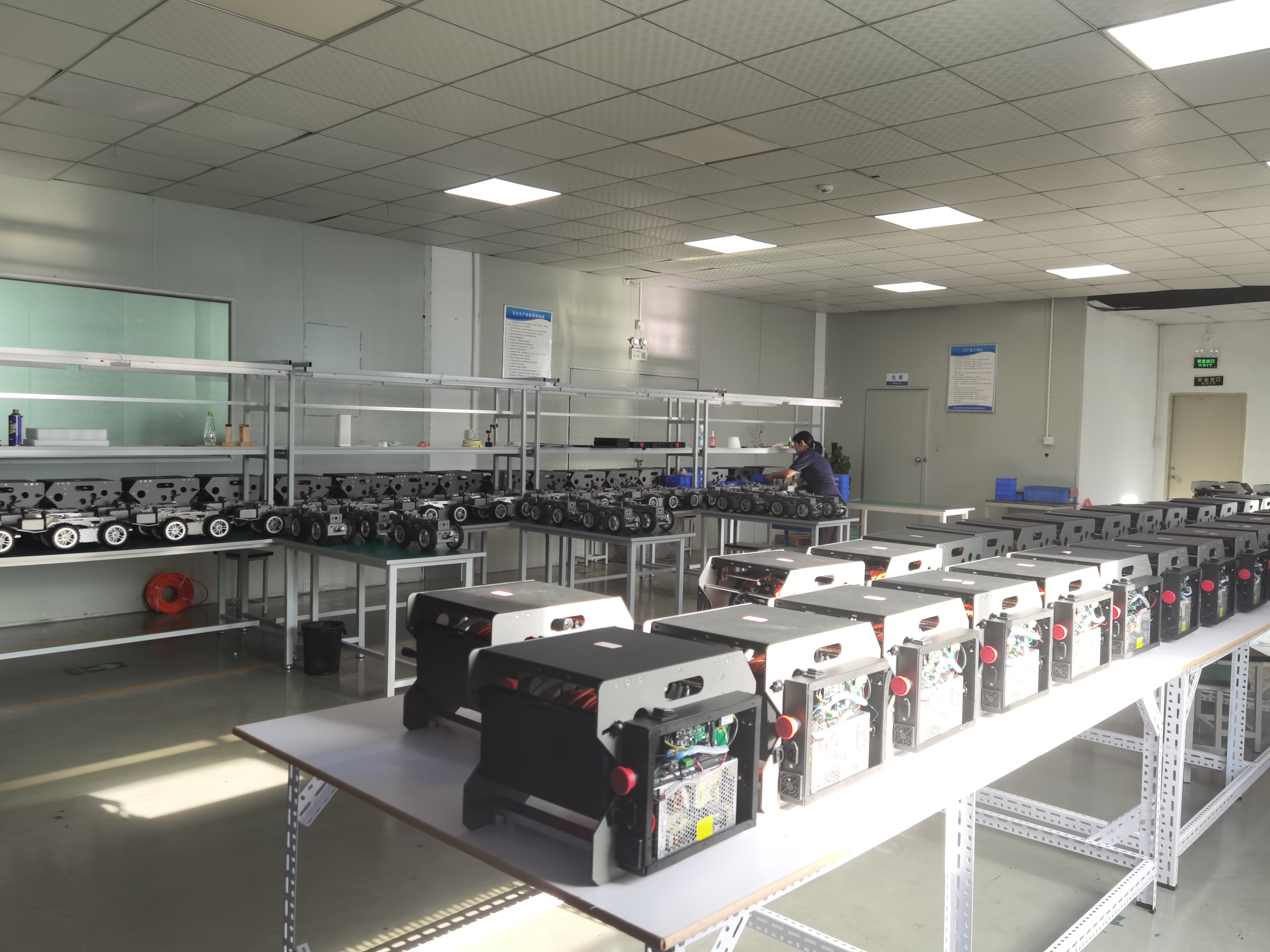
Choosing the right pipe inspection camera robot starts with understanding how industrial and commercial applications differ in their demands. A pipe inspection camera robot designed for a municipal sewer network faces entirely different pressure, pipe diameter, debris load, and reporting requirements than one used in a commercial building's drainage system. Selecting the wrong category of pipe inspection camera robot can result in poor image quality, mechanical failures, or inspection data that does not meet regulatory standards. Understanding these distinctions is the first step toward making a confident and cost-effective equipment decision.
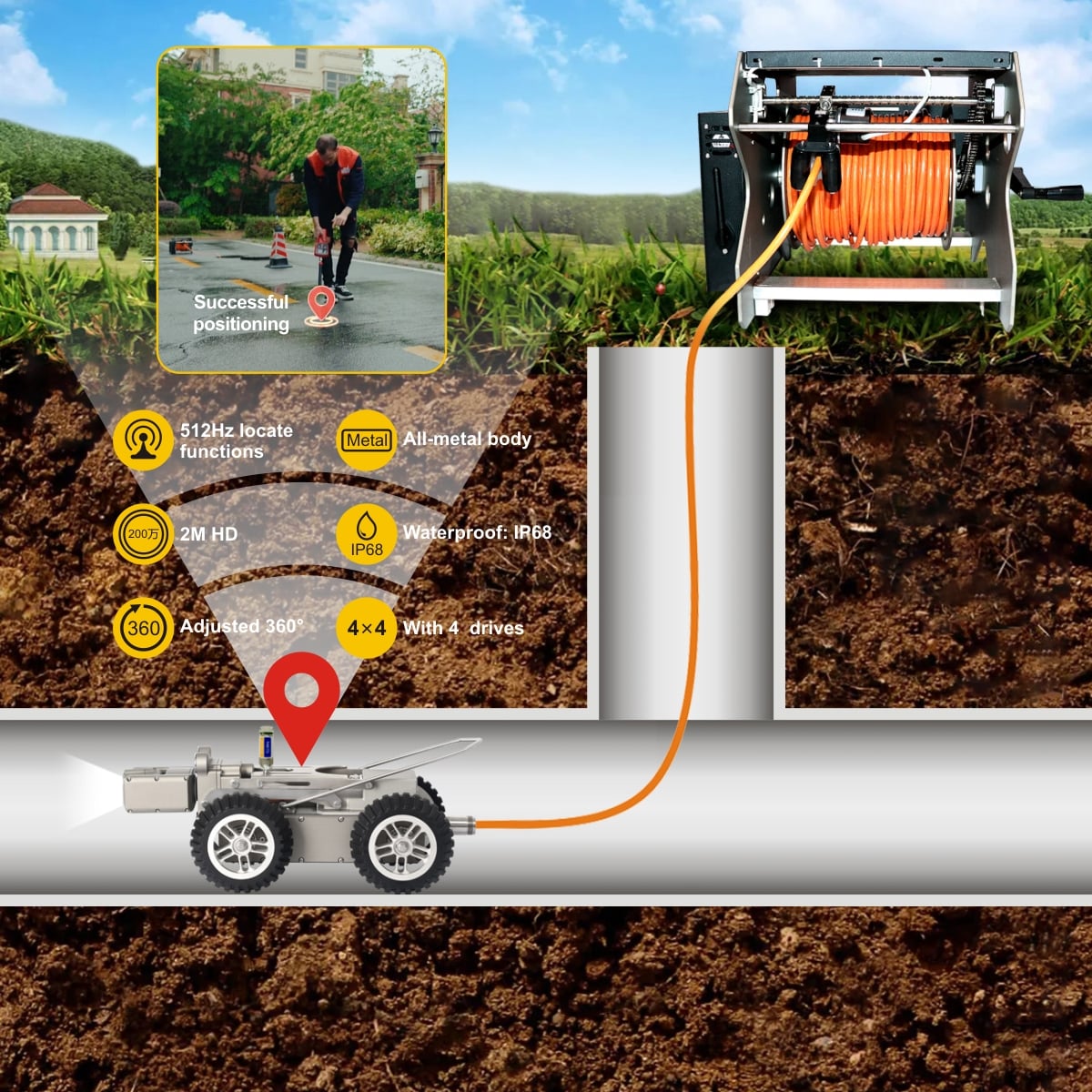
Both industrial and commercial settings rely on the pipe inspection camera robot as a primary tool for non-destructive pipe assessment. However, the environments, pipe sizes, operational durations, and reporting expectations vary significantly between the two categories. A pipe inspection camera robot used in heavy infrastructure must handle large-diameter pipes, extended cable runs, and rugged terrain. In contrast, a pipe inspection camera robot deployed in commercial plumbing focuses on smaller pipe diameters, quicker inspections, and ease of operation. This article breaks down the core differences so that buyers, engineers, and facility managers can identify which type of pipe inspection camera robot suits their specific context.
Defining Industrial Pipeline Inspection Needs
Scale, Environment, and Technical Demands
Industrial pipeline inspection involves large-scale infrastructure such as municipal sewer mains, stormwater culverts, oil and gas transmission lines, and industrial plant drainage systems. In these environments, the pipe inspection camera robot must navigate pipes that can range from 200 mm to over 1200 mm in diameter. The robot must withstand submerged conditions, chemical exposure, high-pressure water flow, and significant debris accumulation. A pipe inspection camera robot built for industrial work typically features a robust stainless-steel chassis, high-torque drive motors, and long cable reels that can extend 150 meters or more. The pipe inspection camera robot must also capture HD 1080p video with pan-and-tilt or full 360-degree camera rotation so that inspectors can document every defect, joint displacement, or infiltration point along large pipeline segments.
Reporting Standards and Compliance Requirements
Industrial inspections are frequently governed by national or regional pipeline condition assessment standards. The pipe inspection camera robot used in these settings must integrate with professional reporting software, generate structured defect codes, and produce documentation suitable for asset management databases. Municipalities and infrastructure owners require the pipe inspection camera robot to deliver georeferenced inspection logs, GPS coordinates, and structured condition grades. This level of data output separates a professional-grade industrial pipe inspection camera robot from simpler systems. The pipe inspection camera robot must also support multiple lighting configurations to clearly capture defects inside large-diameter concrete, clay, or HDPE pipes where ambient light is entirely absent and pipe walls curve away from the camera.
Defining Commercial Pipe Inspection Scenarios
Typical Applications in Commercial Buildings
Commercial pipe inspection covers the drainage and plumbing systems found in office buildings, hotels, retail complexes, restaurants, and apartment structures. In these contexts, the pipe inspection camera robot typically works with pipe diameters ranging from 50 mm to 200 mm. The pipe inspection camera robot must be compact, lightweight, and easy to set up in confined mechanical rooms or access-restricted utility corridors. Commercial plumbers and facility maintenance teams use the pipe inspection camera robot to locate blockages, root intrusions, grease buildup, and pipe joint gaps without opening walls or floors. The pipe inspection camera robot in commercial use prioritizes portability, intuitive controls, and a quick deployment cycle over the heavy-duty endurance required in industrial environments. A pipe inspection camera robot with a 30- to 60-meter cable reel is often sufficient for most commercial drainage runs.
Operator Profile and Ease of Use
Commercial environments are often served by general plumbing contractors or in-house maintenance staff rather than dedicated pipeline inspection engineers. This means the pipe inspection camera robot must be straightforward to operate, with simplified controls and on-screen guidance. The pipe inspection camera robot used commercially does not need to produce NASSCO or WRc standard inspection codes, but it should still record clear video, timestamp footage, and allow simple report generation for property managers. A pipe inspection camera robot that is intuitive to set up and operate reduces training time and increases service efficiency for commercial teams who may use the equipment only periodically. Build quality still matters, but the pipe inspection camera robot in this category is optimized for frequent, fast, low-complexity inspections rather than marathon pipeline surveys.
Key Selection Factors When Comparing the Two Categories
Pipe Diameter Range and Crawler Size
The most immediate selection factor is the pipe diameter range your application demands. An industrial pipe inspection camera robot must physically fit inside large-diameter pipes and maintain stable traction on curved or irregular invert surfaces. Industrial pipe inspection camera robot systems often feature interchangeable wheel sets to accommodate varying pipe diameters within the same inspection contract. A commercial pipe inspection camera robot, by contrast, uses a smaller push-rod or self-propelled crawler optimized for the confined bends and junctions typical of building plumbing. Matching the pipe inspection camera robot to the actual pipe size in your application prevents costly misfits, poor traction, and inadequate image coverage during the survey.
Budget, Total Cost, and Long-Term Value
Industrial pipe inspection camera robot systems carry a significantly higher purchase and maintenance cost, reflecting their heavy-duty construction, extended cable lengths, and advanced reporting software. For organizations managing public infrastructure or large plant facilities, this investment is justified by the volume of inspections performed and the regulatory value of detailed condition reports. A commercial pipe inspection camera robot represents a lower entry cost and is appropriate for contractors who perform building-level drain surveys regularly. The pipe inspection camera robot you select should align with your inspection volume, pipe sizes, reporting obligations, and budget horizon. Renting a high-spec industrial pipe inspection camera robot for occasional commercial use is rarely cost-effective, and deploying a light commercial pipe inspection camera robot in large-diameter municipal pipes risks equipment damage and incomplete data collection.
FAQ
Can a commercial pipe inspection camera robot be used for industrial pipelines?
A commercial pipe inspection camera robot can handle light-duty tasks in smaller industrial pipes, but it is generally not rated for large-diameter mains, extended cable runs, or the harsh chemical and hydraulic conditions found in heavy industrial environments. Using a commercial pipe inspection camera robot beyond its design limits risks mechanical failure and produces incomplete inspection records that may not satisfy compliance requirements.
What camera resolution does an industrial pipe inspection camera robot require?
An industrial pipe inspection camera robot should deliver at minimum HD 1080p resolution with 360-degree pan-and-tilt capability to capture full pipe wall coverage in large-diameter mains. Higher resolution and adjustable zoom allow engineers to detect hairline cracks, joint offsets, and surface erosion that lower-resolution systems might miss. The pipe inspection camera robot's lighting system is equally critical for consistent image quality in long, dark pipeline segments.
How do I decide between an industrial and a commercial pipe inspection camera robot?
Start by identifying the pipe diameters, required cable length, reporting standards, and inspection frequency in your application. If you are surveying municipal mains, plant drainage, or large-diameter infrastructure, an industrial pipe inspection camera robot is the appropriate choice. If your work centers on building drainage, smaller service laterals, and fast-turnaround reporting for property managers, a commercial pipe inspection camera robot will deliver better value and operational efficiency without unnecessary complexity.