 EN
EN


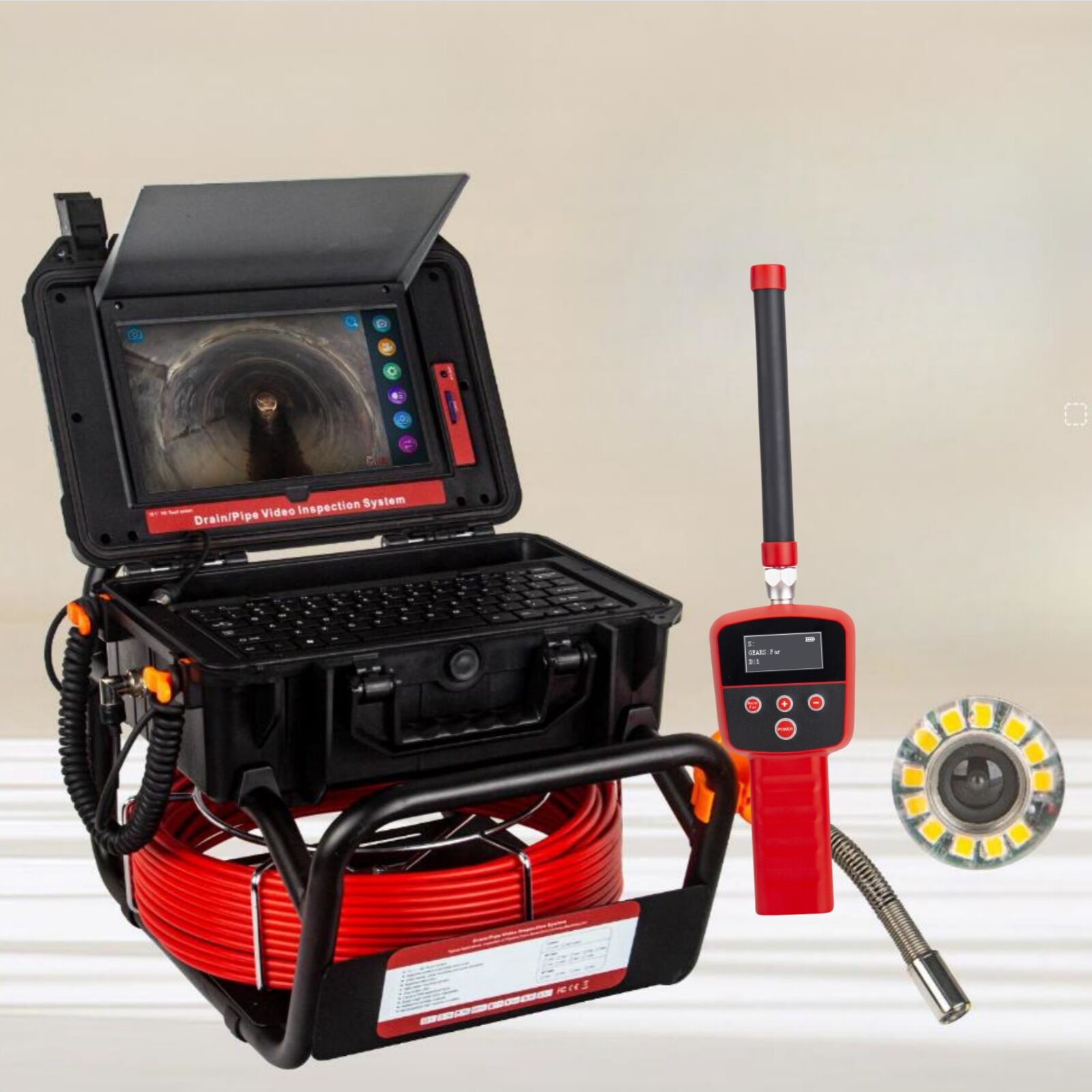
Modern infrastructure maintenance has undergone a revolutionary transformation with the advent of advanced inspection technologies. Among these innovations, sewer camera systems have emerged as indispensable tools for municipal authorities, plumbing professionals, and facility managers worldwide. These sophisticated devices enable comprehensive pipeline assessment without the need for destructive excavation, saving both time and costs while providing detailed visual documentation of underground infrastructure conditions.
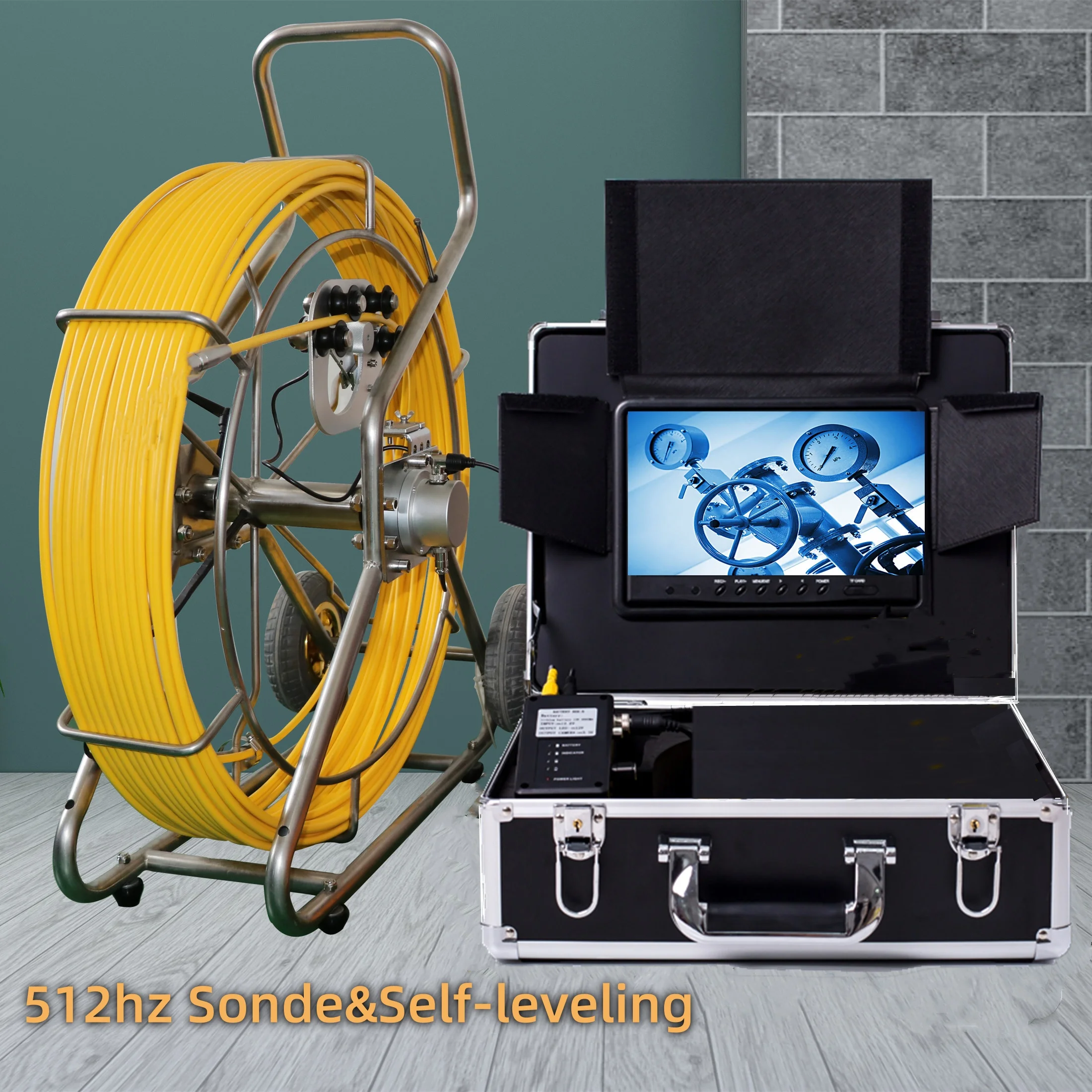
The evolution of pipeline inspection technology has progressed from rudimentary mechanical tools to highly sophisticated digital systems capable of capturing high-definition imagery in challenging underground environments. Today's inspection equipment incorporates cutting-edge features such as self-leveling capabilities, waterproof housings rated to IP68 standards, and advanced imaging sensors that deliver crystal-clear footage even in the harshest conditions. These technological advances have fundamentally changed how professionals approach underground infrastructure assessment and maintenance planning.
Industry professionals now rely on these advanced inspection systems to identify structural defects, blockages, root intrusions, and other pipeline issues with unprecedented accuracy. The ability to capture detailed visual evidence has transformed maintenance strategies from reactive approaches to proactive management systems, ultimately extending infrastructure lifespan and reducing emergency repair costs significantly.
Advanced Imaging Technologies in Pipeline Inspection
High-Definition Camera Systems
Contemporary pipeline inspection relies heavily on high-definition imaging capabilities that deliver exceptional visual clarity in challenging underground environments. Modern systems incorporate advanced CMOS sensors capable of capturing 1080p resolution footage, ensuring that even minute defects and structural anomalies are clearly visible during inspection procedures. These high-resolution capabilities enable professionals to make informed decisions about maintenance priorities and repair strategies.
The integration of advanced lens technologies and optimized lighting systems ensures consistent image quality throughout extended inspection sessions. Professional-grade imaging sensors are specifically engineered to perform reliably in low-light conditions commonly encountered in underground pipeline networks, delivering consistent results regardless of environmental challenges.
Self-Leveling Technology
One of the most significant innovations in modern inspection equipment is the incorporation of self-leveling mechanisms that maintain optimal camera orientation throughout the inspection process. This technology ensures that captured footage maintains consistent perspective and orientation, eliminating the disorienting effects of camera rotation that previously complicated analysis procedures.
Self-leveling systems utilize sophisticated gyroscopic mechanisms and electronic stabilization to counteract the natural rotation that occurs as inspection equipment travels through pipeline networks. This technological advancement has dramatically improved the quality of inspection documentation while reducing the expertise required to interpret captured footage effectively.
Waterproofing and Durability Standards
IP68 Protection Rating
Professional pipeline inspection equipment must withstand extreme environmental conditions, including complete submersion in contaminated water and exposure to corrosive substances commonly found in sewer systems. The IP68 protection rating represents the highest standard for waterproof enclosures, ensuring that sensitive electronic components remain fully protected even during extended underwater operations.
This superior protection standard enables inspection equipment to function reliably in the most challenging underground environments, including storm drains, sanitary sewers, and industrial waste systems. The robust construction methods required to achieve IP68 certification involve precision engineering of gasket systems, housing materials, and connector assemblies that maintain integrity under extreme pressure conditions.
Robust Construction Materials
The harsh operating environment of underground pipeline systems demands exceptionally durable construction materials and engineering approaches. Modern inspection equipment incorporates high-grade stainless steel components, reinforced polymer housings, and specialized coatings designed to resist chemical corrosion and physical damage from debris and abrasive materials.
Advanced manufacturing techniques ensure that critical components maintain structural integrity even after thousands of inspection cycles in challenging environments. The selection of materials and construction methods reflects decades of field experience and continuous refinement based on real-world operating conditions encountered by professional users.
Digital Display and Control Systems
Large Screen Monitoring
Modern inspection systems feature large, high-resolution display screens that provide operators with clear, detailed views of pipeline conditions during real-time inspection procedures. These advanced display systems typically measure nine inches or larger, offering sufficient screen real estate to identify subtle defects and structural issues that might be missed on smaller displays.
The integration of anti-glare screen technologies and adjustable brightness controls ensures optimal visibility in various lighting conditions, from bright outdoor work sites to dimly lit basement locations. Professional-grade displays incorporate specialized coatings and backlighting systems designed to maintain image clarity and color accuracy throughout extended inspection sessions.
Intuitive Control Interfaces
User-friendly control systems have become essential features of professional inspection equipment, enabling operators to focus on inspection procedures rather than struggling with complex technical interfaces. Modern systems incorporate intuitive button layouts, responsive touch controls, and clearly labeled functions that reduce training requirements and minimize operational errors.
Advanced control systems provide immediate access to critical functions such as image capture, video recording, distance measurement, and lighting adjustment. The streamlined interface design reflects extensive user feedback and ergonomic considerations that enhance operator efficiency during extended inspection procedures.
Cable Management and Mobility Features
Extended Cable Systems
Professional pipeline inspection requires extensive cable systems capable of reaching remote sections of underground infrastructure networks. Modern equipment typically incorporates cable lengths of 200 meters or more, constructed from high-grade materials designed to withstand repeated flexing, tension loads, and exposure to harsh environmental conditions.
The engineering of these extended cable systems involves careful consideration of signal transmission quality, mechanical strength, and flexibility requirements. Advanced cable designs incorporate multiple conductor arrangements, reinforcement materials, and specialized jacketing compounds that maintain performance characteristics throughout the operational lifespan of the sewer camera system.
Portable System Design
The demanding nature of field inspection work requires equipment designs that prioritize portability without compromising functionality or durability. Modern systems incorporate lightweight materials, compact component arrangements, and ergonomic carrying solutions that enable single-operator deployment in challenging access locations.
Thoughtful system design includes considerations for transportation between job sites, setup procedures in confined spaces, and storage requirements in service vehicles. The balance between comprehensive functionality and practical portability represents a critical design challenge that modern manufacturers have addressed through innovative engineering approaches and material selection strategies.
Locating and Documentation Capabilities
Integrated Sonde Technology
Advanced pipeline inspection systems incorporate sophisticated locating technologies that enable precise determination of camera head position within underground infrastructure networks. The integration of 512Hz sonde transmitters provides accurate location data that can be detected using compatible receiving equipment from ground level, eliminating guesswork in defect location procedures.
This locating capability proves invaluable when coordinating repair activities, as maintenance crews can precisely identify the location of identified problems without extensive excavation or exploratory procedures. The accuracy of modern sonde systems typically enables location determination within centimeters, significantly reducing the scope and cost of repair operations.
Comprehensive Recording Functions
Professional inspection procedures require detailed documentation capabilities that provide permanent records of pipeline conditions for regulatory compliance, insurance purposes, and future maintenance planning. Modern systems incorporate high-capacity storage solutions, multiple recording formats, and integrated data management features that streamline documentation procedures.
The ability to capture both still images and continuous video footage enables comprehensive documentation of inspection findings. Advanced systems provide metadata integration, timestamp recording, and distance measurement data that enhance the value and usability of inspection documentation for various stakeholders.
Cost-Effectiveness and ROI Considerations
Factory Direct Pricing
The availability of factory-direct pricing has made advanced pipeline inspection technology more accessible to a broader range of professional users, from large municipal departments to independent service providers. Direct manufacturer relationships eliminate intermediary markups while providing access to technical support and customization options that enhance equipment value.
Factory pricing strategies reflect the growing demand for professional-grade inspection equipment and the economies of scale achieved through streamlined manufacturing and distribution processes. These cost advantages enable smaller operations to invest in advanced technology that was previously accessible only to large organizations with substantial equipment budgets.
Operational Efficiency Benefits
The return on investment for advanced inspection equipment extends far beyond the initial purchase price, encompassing reduced labor costs, accelerated inspection procedures, and improved accuracy in problem identification. Professional users report significant improvements in operational efficiency when transitioning from traditional inspection methods to modern camera-based systems.
The ability to complete thorough pipeline inspections without excavation or disassembly procedures represents substantial cost savings in both time and materials. These operational advantages compound over time, typically resulting in complete cost recovery within the first year of regular use for most professional applications.
FAQ
What makes modern sewer camera systems superior to traditional inspection methods
Modern sewer camera systems offer significant advantages over traditional inspection approaches through their ability to provide real-time visual documentation without requiring excavation or pipeline disassembly. Advanced features such as high-definition imaging, self-leveling technology, and waterproof construction enable comprehensive assessment of pipeline conditions while maintaining operational safety and efficiency standards.
How does IP68 waterproof rating benefit professional pipeline inspection
The IP68 waterproof rating ensures that inspection equipment can function reliably even when completely submerged in contaminated water or exposed to high-pressure conditions commonly encountered in underground pipeline systems. This superior protection standard extends equipment lifespan and reduces maintenance requirements while ensuring consistent performance in challenging environmental conditions.
What cable length is typically required for comprehensive pipeline inspection
Professional pipeline inspection applications typically require cable systems of 200 meters or more to reach remote sections of underground infrastructure networks. Extended cable capabilities enable comprehensive system assessment without requiring multiple access points, reducing setup time and improving inspection efficiency for large-scale infrastructure projects.
How do self-leveling mechanisms improve inspection quality
Self-leveling technology maintains consistent camera orientation throughout inspection procedures, eliminating the disorienting rotation effects that previously complicated footage analysis. This advancement ensures that captured video maintains proper perspective and enables more accurate assessment of pipeline conditions, defects, and structural integrity issues.