 EN
EN


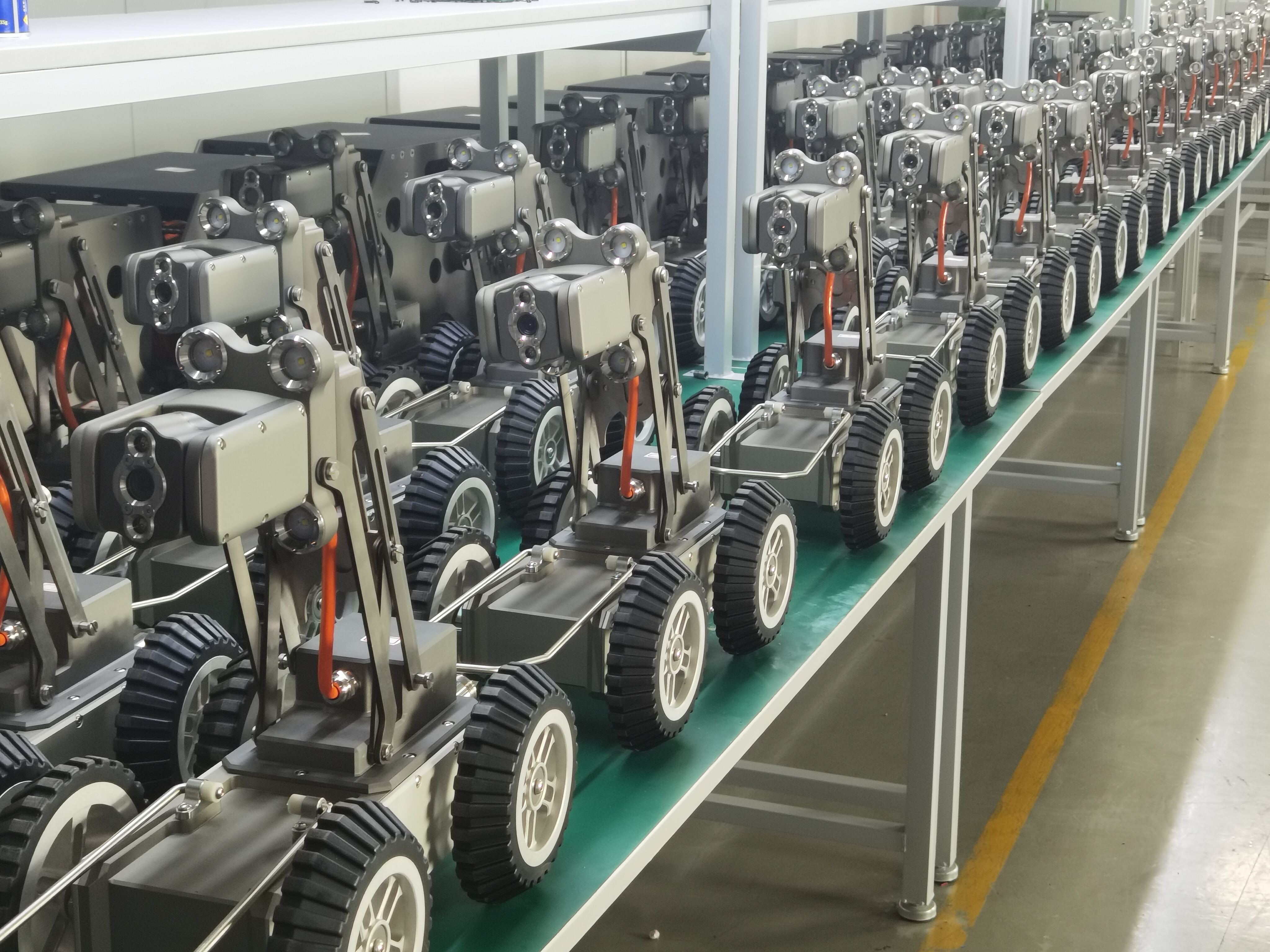
Municipal utilities and industrial facilities worldwide are discovering that investing in advanced inspection technology represents one of the most strategic decisions they can make for long-term operational efficiency. The implementation of a sewer robot camera system transforms traditional pipeline maintenance from reactive guesswork into proactive, data-driven management. Understanding the true cost implications and return on investment potential of these sophisticated inspection tools becomes crucial for organizations seeking to optimize their infrastructure management budgets while maintaining regulatory compliance and operational excellence.
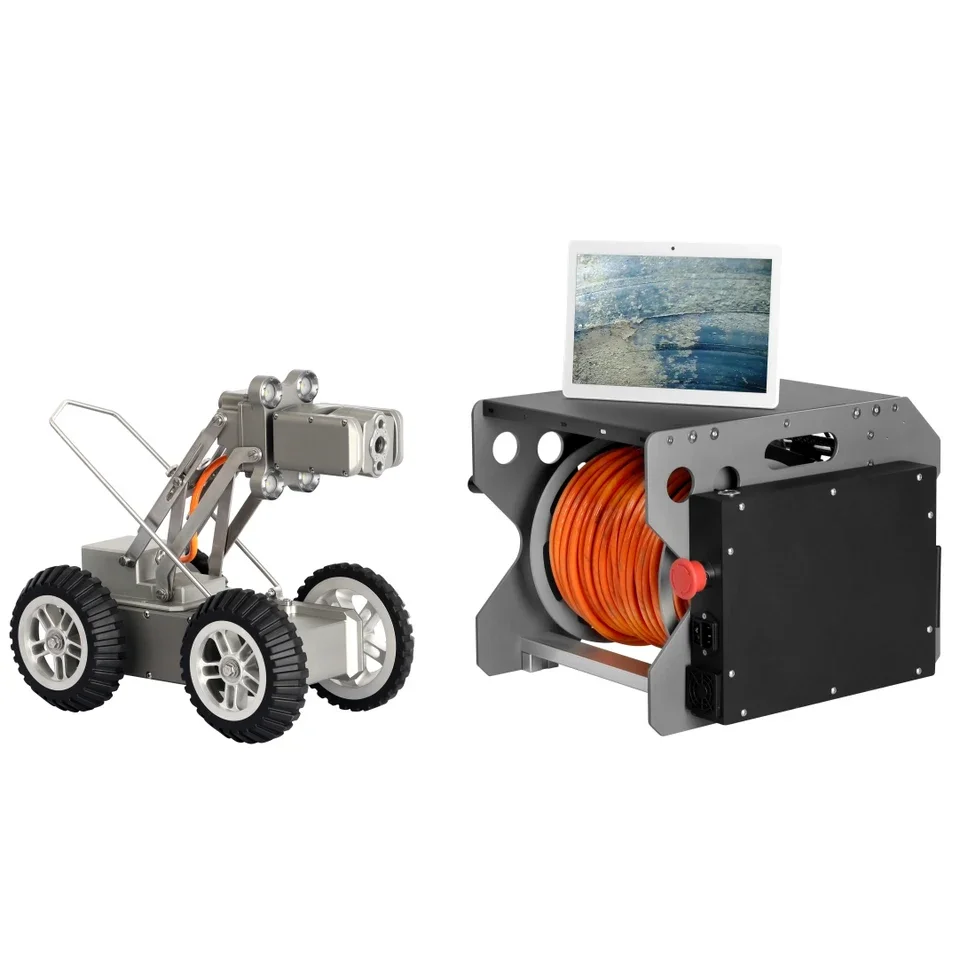
The financial landscape surrounding pipeline inspection technology has evolved dramatically over the past decade, with sewer robot camera systems emerging as essential equipment rather than luxury investments. These automated inspection platforms deliver unprecedented visibility into underground infrastructure conditions, enabling maintenance teams to identify potential problems before they escalate into costly emergency repairs or environmental incidents.
Initial Investment Considerations for Sewer Robot Camera Systems
Equipment Purchase Costs and Specifications
The upfront cost of a professional-grade sewer robot camera typically ranges from $15,000 to $85,000, depending on the system's capabilities, build quality, and included accessories. Entry-level units designed for smaller municipalities or contractors often feature standard definition cameras and basic navigation systems, while premium models incorporate 4K recording capabilities, advanced lighting systems, and sophisticated remote control interfaces. The price variation reflects significant differences in durability, inspection range, and operational versatility that directly impact long-term value delivery.
Beyond the base unit cost, organizations must factor in essential accessories such as additional cable reels, specialized camera heads for different pipe diameters, portable monitors, and ruggedized storage cases. These supplementary components typically add 20-30% to the initial equipment investment but prove indispensable for comprehensive inspection operations across diverse infrastructure networks.
Training and Implementation Expenses
Successful deployment of a sewer robot camera requires comprehensive operator training that encompasses both technical operation and data interpretation skills. Professional training programs typically cost between $2,500 and $5,000 per technician, covering equipment handling, safety protocols, video analysis techniques, and report generation procedures. This investment in human capital ensures maximum utilization of the system's capabilities while minimizing the risk of equipment damage or operational errors.
Implementation costs also include software licensing for video analysis and report generation applications, which may require annual subscription fees ranging from $1,200 to $3,600 depending on the feature set and user capacity. Organizations should also budget for initial calibration services and technical support packages that facilitate smooth integration with existing maintenance workflows.
Operational Cost Analysis and Long-Term Expenses
Maintenance and Service Requirements
Regular maintenance of a sewer robot camera system typically represents 8-12% of the original purchase price annually, encompassing preventive servicing, component replacement, and calibration verification. Camera head replacements, cable repairs, and electronic component servicing constitute the primary maintenance expenses, with costs varying based on usage intensity and operating environment conditions. Establishing relationships with certified service providers ensures rapid response times and maintains warranty coverage throughout the equipment lifecycle.
Extended warranty programs and service contracts provide predictable maintenance budgeting while guaranteeing access to technical expertise and genuine replacement parts. These programs typically cost 15-20% of the equipment value annually but deliver significant value through priority service response, loaner equipment availability, and comprehensive technical support services.
Operational Efficiency and Resource Allocation
The operational efficiency gains achieved through sewer robot camera deployment extend far beyond simple cost reduction metrics. These systems enable single-operator inspections that previously required multi-person crews, reducing labor costs by approximately 60-75% per inspection mile. The enhanced inspection speed and accuracy allow maintenance teams to cover significantly more infrastructure area within existing budget constraints while generating comprehensive documentation for regulatory compliance and asset management purposes.
Data collection capabilities inherent in modern sewer robot camera systems eliminate the need for expensive third-party inspection services, which typically charge $3-8 per linear foot for professional pipeline assessment. In-house inspection capabilities provide immediate access to critical infrastructure condition data while maintaining complete control over scheduling and documentation standards.
Return on Investment Calculations and Financial Benefits
Direct Cost Savings and Avoided Expenses
Organizations implementing sewer robot camera technology consistently report 300-500% return on investment within the first three years of operation. These returns stem primarily from avoided emergency repair costs, reduced service disruption incidents, and optimized maintenance scheduling based on actual infrastructure condition rather than arbitrary time intervals. Emergency pipeline repairs often cost 5-10 times more than planned maintenance activities, making proactive inspection capabilities extremely valuable for budget management.
The precision diagnostic capabilities of modern inspection systems enable targeted repair strategies that address specific problem areas rather than implementing wholesale pipeline replacement projects. This surgical approach to infrastructure maintenance can reduce repair costs by 40-60% while extending overall system lifecycle significantly beyond traditional maintenance approaches.
Productivity and Revenue Enhancement
For contractor organizations, sewer robot camera systems represent powerful revenue generation tools that enable expansion into high-value inspection services markets. Professional inspection services command premium pricing due to the specialized equipment requirements and technical expertise involved. Contractors typically achieve complete equipment payback within 12-18 months through dedicated inspection service offerings while simultaneously enhancing their primary service capabilities.
The competitive advantages gained through advanced inspection capabilities often translate into increased market share and customer retention rates. Organizations equipped with state-of-the-art diagnostic tools can offer more comprehensive service packages, faster problem resolution, and superior customer communication through detailed visual documentation of infrastructure conditions.
Industry-Specific Applications and Value Propositions
Municipal Infrastructure Management
Municipal utilities face increasing regulatory pressure to maintain comprehensive infrastructure condition assessments while operating under constrained budgets and staffing limitations. Sewer robot camera systems enable compliance with federal inspection requirements at significantly lower costs than traditional excavation-based assessment methods. The detailed documentation capabilities support grant applications, infrastructure planning initiatives, and regulatory reporting requirements that justify the equipment investment through multiple administrative benefits.
Asset management integration capabilities allow municipalities to incorporate inspection data directly into computerized maintenance management systems, enabling data-driven decision making for capital improvement planning and budget allocation. This integration supports more accurate lifecycle cost modeling and helps optimize infrastructure replacement timing to minimize overall system costs.
Industrial and Commercial Applications
Industrial facilities utilizing sewer robot camera technology achieve significant value through environmental compliance assurance and process optimization opportunities. Regular pipeline inspections help identify potential environmental release points before they develop into regulatory violations or cleanup requirements. The documentation capabilities support environmental management system requirements while providing evidence of proactive stewardship for regulatory agencies.
Manufacturing facilities benefit from reduced production disruptions through predictive maintenance scheduling based on actual pipeline conditions rather than conservative safety margins. This approach minimizes unnecessary downtime while ensuring reliable waste management system performance throughout critical production periods.
Technology Evolution and Future Investment Considerations
Emerging Features and Capabilities
The sewer robot camera industry continues advancing rapidly, with new features enhancing inspection accuracy and operational efficiency regularly. Artificial intelligence integration now enables automated defect detection and classification, reducing operator workload while improving inspection consistency. These advanced capabilities justify premium pricing through enhanced productivity and reduced training requirements for new operators.
Wireless communication capabilities and cloud-based data management systems represent emerging trends that enhance operational flexibility while reducing data management overhead. These features support remote monitoring capabilities and facilitate real-time collaboration between field teams and engineering staff, improving decision-making speed and accuracy.
Scalability and System Integration
Modern sewer robot camera systems offer excellent scalability options that allow organizations to expand capabilities gradually as budgets and operational requirements evolve. Modular design approaches enable component upgrades and feature additions without requiring complete system replacement, protecting initial investments while accommodating growth requirements.
Integration capabilities with geographic information systems, asset management platforms, and mobile workforce management tools enhance the value proposition by eliminating data silos and supporting comprehensive infrastructure management approaches. These integration benefits often justify premium equipment costs through improved operational coordination and reduced administrative overhead.
Risk Management and Insurance Considerations
Liability Reduction and Compliance Benefits
Implementing comprehensive inspection protocols using sewer robot camera technology significantly reduces organizational liability exposure related to infrastructure failures and environmental incidents. Insurance providers increasingly recognize the risk mitigation value of proactive inspection programs, often offering premium reductions for organizations demonstrating systematic infrastructure monitoring capabilities.
The detailed documentation provided by modern inspection systems supports legal defense strategies in the event of infrastructure-related incidents while demonstrating due diligence in maintenance practices. This documentation value often proves invaluable during regulatory investigations or legal proceedings, justifying equipment investments through reduced legal exposure and associated costs.
Business Continuity and Operational Resilience
Organizations equipped with sewer robot camera systems demonstrate superior operational resilience through enhanced situational awareness and rapid response capabilities during emergency situations. The ability to quickly assess infrastructure damage following natural disasters or operational incidents enables faster recovery and reduced business interruption costs.
Emergency response capabilities provided by portable inspection equipment prove particularly valuable during crisis situations when traditional assessment methods may be impractical or impossible. This operational flexibility represents significant intangible value that supports business continuity planning and disaster recovery preparedness initiatives.
FAQ
What factors most significantly impact sewer robot camera system costs?
The primary cost drivers include camera resolution and imaging capabilities, cable length and durability specifications, control system sophistication, and included software packages. Professional-grade systems with 4K cameras, 500+ foot cable capacity, and advanced control interfaces typically command premium pricing but deliver superior inspection capabilities and longer service life. Organizations should evaluate their specific operational requirements against available budget to determine the optimal feature set for their applications.
How quickly can organizations expect to achieve return on investment from sewer robot camera systems?
Most organizations achieve complete ROI within 18-36 months through a combination of reduced labor costs, avoided emergency repairs, and enhanced operational efficiency. Contractor organizations focusing on inspection services often achieve faster payback periods of 12-18 months due to direct revenue generation capabilities. The actual ROI timeline depends on usage intensity, local service costs, and the organization's ability to integrate the technology effectively into existing workflows.
What ongoing training requirements should organizations budget for when implementing sewer robot camera technology?
Initial operator certification typically requires 16-24 hours of hands-on training costing $2,500-5,000 per technician. Organizations should budget for annual refresher training and advanced technique workshops to maintain proficiency and incorporate new features or capabilities. Additional training may be required when upgrading equipment or expanding inspection services into new application areas such as industrial process piping or specialized municipal infrastructure.
How do insurance and regulatory compliance benefits factor into the overall value proposition?
Many insurance providers offer 10-20% premium reductions for organizations implementing systematic infrastructure inspection programs using professional-grade equipment. Regulatory compliance benefits include streamlined reporting processes, enhanced documentation capabilities, and demonstrated due diligence that supports legal defense strategies. These indirect benefits often represent 15-25% additional value beyond direct operational cost savings, making the total value proposition significantly more attractive than equipment costs alone might suggest.
Table of Contents
- Initial Investment Considerations for Sewer Robot Camera Systems
- Operational Cost Analysis and Long-Term Expenses
- Return on Investment Calculations and Financial Benefits
- Industry-Specific Applications and Value Propositions
- Technology Evolution and Future Investment Considerations
- Risk Management and Insurance Considerations
-
FAQ
- What factors most significantly impact sewer robot camera system costs?
- How quickly can organizations expect to achieve return on investment from sewer robot camera systems?
- What ongoing training requirements should organizations budget for when implementing sewer robot camera technology?
- How do insurance and regulatory compliance benefits factor into the overall value proposition?