 EN
EN


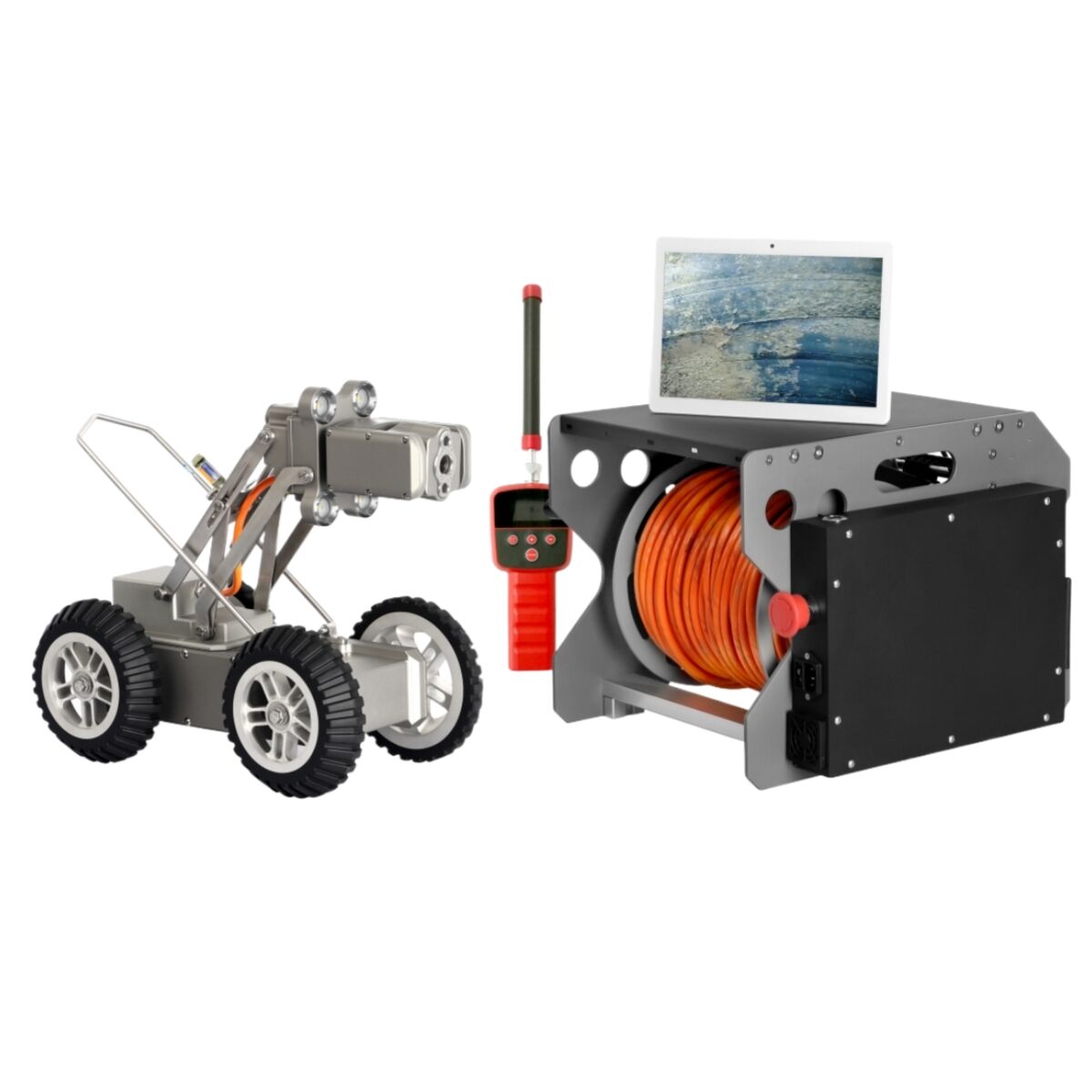
Memilih peralatan inspeksi pipa jenis crawler terbaik memerlukan pemahaman mendalam mengenai spesifikasi teknis, kemampuan operasional, dan kinerja nyata yang membedakan sistem inspeksi kelas profesional dari alternatif dasar. Fasilitas industri, utilitas kota, serta kontraktor inspeksi komersial menghadapi tantangan unik saat mengevaluasi teknologi crawler pipa, karena investasi tersebut secara langsung memengaruhi akurasi diagnosis, efisiensi operasional, dan pengendalian biaya perawatan jangka panjang. Ulasan ahli ini mengkaji fitur kritis, tolok ukur kinerja, serta kriteria pemilihan yang menjadi ciri khas solusi unggul perayapan pipa untuk aplikasi inspeksi yang menuntut di berbagai sistem drainase, jaringan saluran pembuangan, dan infrastruktur pipa industri.
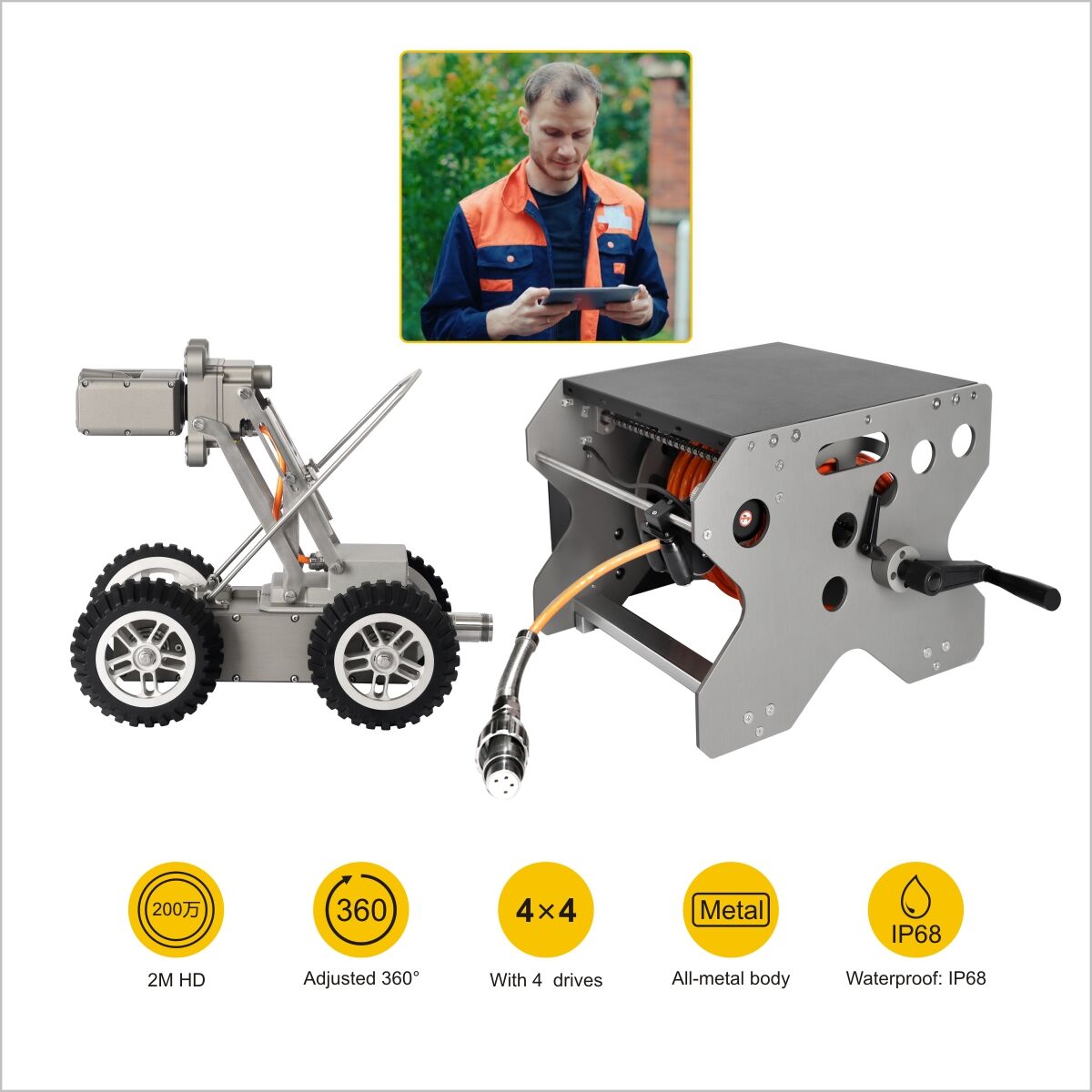
Pasar inspeksi pipa dengan alat merayap (pipe crawl) telah berkembang pesat berkat kemajuan dalam bidang robotika, teknologi pencitraan, dan sistem kendali jarak jauh yang memungkinkan diagnosis pipa secara komprehensif di lingkungan yang sebelumnya tidak dapat diakses oleh tim inspeksi. Peralatan kelas profesional kini dilengkapi kamera definisi tinggi dengan kemampuan rotasi 360 derajat, pemancar pelacak terintegrasi untuk penentuan posisi yang presisi, serta platform crawler yang kokoh yang dirancang untuk melewati rintangan, perubahan diameter pipa, dan kondisi aliran yang bervariasi. Memahami fitur mana yang benar-benar memberikan nilai operasional nyata—dibandingkan klaim pemasaran semata—memerlukan evaluasi kinerja berbagai sistem tersebut dalam berbagai skenario inspeksi, mulai dari survei saluran pembuangan rumah tangga hingga penilaian sistem pembuangan limbah perkotaan berdiameter besar.
Fitur Kinerja Kritis dalam Sistem Pipe Crawl Profesional
Teknologi Kamera dan Kemampuan Pencitraan
Sistem kamera merupakan inti diagnostik dari setiap platform inspeksi pipa berjalan (pipe crawl), yang menentukan kualitas dan kelengkapan data inspeksi yang dikumpulkan selama survei. Sistem profesional dilengkapi sensor beresolusi tinggi yang mampu menangkap citra detail dalam kondisi pencahayaan rendah—yang umum ditemui di lingkungan pipa bawah tanah—dilengkapi susunan lampu yang dapat disesuaikan untuk menerangi bagian dalam pipa tanpa menimbulkan silau atau efek pembilasan (washout) yang mengaburkan identifikasi cacat. Peralatan inspeksi pipa berjalan canggih dilengkapi mekanisme rotasi motorik untuk gerak putar-miring (pan-and-tilt) atau rotasi 360 derajat, memungkinkan inspeksi menyeluruh terhadap dinding pipa tanpa memerlukan beberapa kali lintasan, sehingga secara signifikan mengurangi waktu inspeksi sekaligus meningkatkan tingkat deteksi cacat.
Kejernihan gambar pada berbagai jarak menentukan apakah operator dapat mengidentifikasi secara akurat retakan, korosi, pergeseran sambungan, masuknya akar, dan kerusakan struktural yang mengancam integritas pipa. Sistem dengan kemampuan zoom optik memungkinkan pemeriksaan detail terhadap area tertentu tanpa perlu mengubah posisi crawler, sedangkan lensa sudut lebar memberikan konteks untuk memahami lokasi cacat relatif terhadap fitur pipa dan koneksi infrastruktur. Peralatan pipe crawler terbaik menyeimbangkan resolusi, bidang pandang (field of view), dan kinerja dalam kondisi pencahayaan rendah guna menghasilkan citra berkualitas diagnostik di seluruh rentang skenario inspeksi yang dijumpai dalam aplikasi municipal, industri, dan komersial.
Desain Platform Crawler dan Kemudahan Manuver
Desain mekanis platform perayap secara langsung memengaruhi konfigurasi pipa mana yang dapat dilalui dan diperiksa secara sukses oleh sistem. Peralatan perayap pipa profesional menggunakan konfigurasi roda modular dengan lebar tapak yang dapat disesuaikan untuk menyesuaikan berbagai diameter pipa, mulai dari saluran pembuangan rumah tangga kecil hingga saluran limbah komersial dan perkotaan berukuran besar. Sistem penggerak harus mampu memberikan traksi yang cukup untuk mengatasi rintangan seperti akumulasi sedimen, puing-puing, genangan air, serta sambungan pipa, sekaligus mempertahankan posisi kamera yang stabil guna menjamin kualitas gambar yang konsisten sepanjang proses inspeksi.
Jarak bebas tanah, kemampuan artikulasi, dan kinerja pendakian rintangan menentukan apakah suatu perayapan pipa sistem dapat menavigasi kondisi pipa di dunia nyata atau macet pada hambatan signifikan pertama. Konstruksi yang kokoh menggunakan bahan tahan korosi memastikan operasi andal di lingkungan air limbah yang secara kimiawi agresif, sementara rumah motor yang kedap dan sambungan kabel tahan air melindungi komponen elektronik dari kerusakan akibat kelembapan yang menyebabkan kegagalan dini. Sistem terbaik mengintegrasikan manajemen kabel fleksibel yang mencegah kusut dan hambatan tarik, sehingga memungkinkan pergerakan lancar dua arah melalui jaringan pipa kompleks, termasuk belokan, transisi vertikal, dan perubahan diameter.
Integrasi Locator dan Akurasi Penentuan Posisi
Pemancar pelacak terintegrasi, yang biasanya beroperasi pada frekuensi 512 Hz, memungkinkan pelacakan posisi sistem penjelajah pipa (pipe crawl system) di permukaan dalam jaringan pipa bawah tanah. Kemampuan ini sangat penting untuk mendokumentasikan lokasi cacat relatif terhadap penanda permukaan, merencanakan penggalian atau pekerjaan rehabilitasi, serta menyusun catatan kondisi pipa pasca-pembangunan (as-built records) yang akurat. Peralatan profesional mengintegrasikan pemancar ini langsung ke dalam platform crawler itu sendiri, sehingga sinyal dihasilkan secara tepat dari posisi kamera—bukan dengan menggunakan probe pelacak terpisah yang menambah kompleksitas dan berpotensi menimbulkan kesalahan penentuan posisi.
Kekuatan dan stabilitas sinyal pelacak menentukan kedalaman deteksi serta akurasi dalam kondisi tanah yang menantang, termasuk area dengan gangguan elektromagnetik, penguburan dalam, atau infrastruktur logam di atasnya. Sistem pipa crawler berkualitas tinggi menghasilkan pola sinyal yang konsisten sehingga operator berpengalaman dapat mendeteksi dan menginterpretasikannya secara andal pada kedalaman lebih dari dua puluh kaki, sedangkan peralatan kelas bawah mungkin menghasilkan sinyal lemah atau tidak stabil yang mengurangi akurasi penentuan posisi. Integrasi pengukuran jarak melalui encoder kabel atau sensor rotasi roda memberikan referensi tambahan untuk penentuan posisi, memungkinkan operator menyusun laporan inspeksi terperinci dengan lokasi cacat yang dicatat secara tepat dalam satuan kaki atau meter dari titik akses.
Pertimbangan Operasional untuk Berbagai Aplikasi Inspeksi
Persyaratan Inspeksi Saluran Pembuangan untuk Hunian dan Komersial
Survei saluran pembuangan perumahan dan inspeksi saluran komersial kecil memerlukan peralatan penjelajah pipa yang menyeimbangkan ukuran kompak dengan kemampuan diagnostik yang memadai. Sistem yang dirancang khusus untuk aplikasi ini umumnya mampu menjangkau diameter pipa mulai dari dua inci hingga dua belas inci, dengan platform penjelajah (crawler) yang kompak sehingga mampu melewati tikungan tajam, perubahan arah berkali-kali, serta penurunan vertikal yang umum ditemui dalam sistem saluran pembuangan bangunan. Panjang kabel untuk pekerjaan perumahan umumnya berkisar antara seratus hingga tiga ratus kaki, yang cukup untuk sebagian besar inspeksi saluran lateral bangunan tanpa memerlukan titik akses tambahan di tengah jalur.
Kontraktor yang melakukan inspeksi rumah sebelum pembelian, survei pemeliharaan preventif, atau diagnosis masalah memerlukan sistem perambatan pipa yang dapat dioperasikan dengan cepat serta menghasilkan citra yang jernih sehingga dapat dipahami klien. Antarmuka kontrol yang ramah pengguna dengan operasi intuitif mengurangi kebutuhan pelatihan dan meningkatkan produktivitas, sementara kemampuan perekaman terintegrasi menangkap dokumentasi video untuk laporan klien dan referensi arsip. Peralatan terbaik untuk segmen aplikasi ini mengutamakan keandalan, kemudahan penggunaan, dan kualitas citra diagnostik dibandingkan kemampuan mencapai kedalaman ekstrem atau fitur khusus yang hanya diperlukan dalam lingkungan municipal atau industri.
Standar Penilaian Jaringan Saluran Pembuangan Municipal
Program inspeksi saluran pembuangan kota memerlukan peralatan penjelajah pipa yang memenuhi standar kinerja lebih tinggi dalam hal ketahanan, kemampuan diagnostik, dan kepatuhan dokumentasi. Kota-kota dan instansi utilitas yang melakukan survei penilaian kondisi untuk perencanaan modal, pelaporan regulasi, atau prioritisasi rehabilitasi membutuhkan sistem yang mampu menginspeksi saluran utama berdiameter besar—mulai dari delapan inci hingga tiga puluh enam inci atau lebih—sering kali dengan panjang kabel melebihi lima ratus kaki guna meminimalkan kebutuhan titik akses.
Kesesuaian dengan standar pengkodean NASSCO PACP memerlukan kualitas gambar dan kemampuan dokumentasi yang mendukung klasifikasi cacat serta penilaian tingkat keparahan secara standar. Sistem inspeksi pipa kota profesional mencakup fitur-fitur seperti tampilan tumpang susun (overlay) yang menunjukkan jarak, waktu, dan parameter inspeksi; anotasi suara terintegrasi untuk pencatatan observasi secara real-time; serta fungsi ekspor yang kompatibel dengan basis data manajemen aset. Tuntutan operasional penggunaan harian terus-menerus dalam lingkungan limbah cair yang menantang mengharuskan konstruksi yang kokoh, suku cadang pengganti yang mudah tersedia, serta dukungan produsen yang meminimalkan waktu henti saat perbaikan diperlukan.
Inspeksi Jalur Pipa Industri dan Sistem Proses
Fasilitas industri memanfaatkan teknologi perayapan pipa untuk memeriksa pipa proses, sistem air pendingin, infrastruktur air hujan, serta aplikasi khusus lainnya yang berada di luar cakupan inspeksi saluran pembuangan konvensional. Lingkungan semacam ini dapat menimbulkan tantangan unik, seperti suhu tinggi, paparan bahan kimia, atmosfer berisiko ledakan, atau persyaratan sanitasi kelas makanan—yang semuanya menuntut konfigurasi peralatan khusus. Pemilihan sistem perayapan pipa yang tepat untuk aplikasi industri memerlukan evaluasi cermat terhadap kesesuaian lingkungan, konstruksi material, serta kepatuhan terhadap sertifikasi yang relevan dengan konteks operasional spesifik.
Pabrik pengolahan bahan kimia, kilang minyak bumi, dan fasilitas manufaktur sering memerlukan peralatan tahan ledakan yang telah disertifikasi untuk digunakan di lokasi berbahaya terklasifikasi, sedangkan operasi pengolahan makanan menuntut sistem dengan desain sanitasi yang mampu menahan pembersihan dan sterilisasi berkala. Peralatan inspeksi pipa jenis crawler terbaik untuk aplikasi industri menawarkan opsi penyesuaian guna memenuhi kebutuhan khusus ini, sekaligus mempertahankan kemampuan diagnostik dan keandalan yang diharapkan dari sistem inspeksi profesional.
Spesifikasi Teknis yang Menentukan Kualitas Peralatan
Konstruksi Kabel dan Kualitas Transmisi
Kabel umbilikus yang menghubungkan platform crawler ke unit kontrol berfungsi secara kritis dalam beberapa hal: menyalurkan daya untuk menggerakkan motor dan penerangan, membawa sinyal video dari kamera, serta menyediakan pengikat mekanis untuk pengambilan kembali crawler. Sistem pipe crawler kelas profesional menggunakan konstruksi kabel yang diperkuat dengan anyaman Kevlar atau baja guna menahan abrasi, pemotongan, dan gaya tarik yang muncul selama navigasi melalui pipa berisi puing dan di atas rintangan tajam. Fleksibilitas kabel secara langsung memengaruhi kemudahan pemasangan serta jari-jari lengkung minimum yang dapat dilalui sistem; kabel yang lebih kaku menimbulkan kesulitan navigasi di pipa berdiameter kecil dengan banyak belokan.
Teknologi transmisi video menentukan apakah kualitas gambar menurun seiring dengan penambahan panjang kabel, suatu pertimbangan kritis untuk inspeksi jarak jauh dalam sistem perkotaan. Sistem transmisi digital mempertahankan kualitas gambar yang konsisten tanpa dipengaruhi oleh panjang kabel, sedangkan sistem analog dapat mengalami degradasi sinyal, gangguan, atau kehilangan resolusi pada jarak lebih dari beberapa ratus kaki. Peralatan pipe crawl terbaik dilengkapi fitur manajemen kabel seperti gulungan bertenaga dengan pengendalian ketegangan yang konsisten, penghitung kedalaman untuk penentuan posisi yang akurat, serta penyimpanan pelindung guna mencegah kerusakan selama pengangkutan dan di antara penggunaan.
Antarmuka Pengendali dan Sistem Perekaman
Antarmuka unit kontrol menentukan efisiensi operator dan kualitas dokumentasi yang dihasilkan selama pemeriksaan. Sistem pipa crawler modern dilengkapi layar beresolusi tinggi yang tetap terlihat jelas dalam kondisi luar ruangan yang terang, serta kontrol intuitif untuk navigasi crawler, penyesuaian kamera, intensitas pencahayaan, dan fungsi perekaman. Desain ergonomis mengurangi kelelahan operator selama sesi pemeriksaan yang berkepanjangan, sementara konstruksi yang tahan banting mampu menahan penggunaan di lapangan—misalnya di truk utilitas, mobil van, dan lokasi kerja sementara.
Kemampuan perekaman terintegrasi dengan kapasitas penyimpanan yang memadai memungkinkan penangkapan seluruh proses inspeksi secara utuh tanpa terputus akibat pergantian media atau transfer berkas. Sistem yang mendukung berbagai format video, tingkat kompresi yang dapat disesuaikan, serta penyesuaian tampilan overlay memberikan fleksibilitas guna memenuhi berbagai kebutuhan dokumentasi dan preferensi klien. Kemampuan untuk mengambil gambar diam pada lokasi cacat kritis, menambahkan anotasi teks, serta menghasilkan laporan inspeksi langsung dari unit kendali meningkatkan produktivitas dan mengurangi waktu pemrosesan pasca-inspeksi. Peralatan pipa crawler profesional mencakup fitur manajemen data yang andal guna mengorganisasi inspeksi berdasarkan proyek, klien, atau lokasi, sekaligus melindungi integritas data melalui media penyimpanan yang andal dan opsi pencadangan.
Sistem Daya dan Kapasitas Waktu Operasi
Persyaratan daya listrik dan masa pakai baterai secara signifikan memengaruhi fleksibilitas operasional serta produktivitas. Sistem dengan manajemen daya yang efisien memperpanjang durasi inspeksi antar siklus pengisian daya, sehingga mengurangi gangguan dan meningkatkan jumlah survei yang dapat diselesaikan per hari. Unit kontrol berbasis baterai menghilangkan ketergantungan terhadap daya kendaraan atau stopkontak AC, memungkinkan penerapan di lokasi terpencil atau area tanpa akses listrik yang mudah. Peralatan pipa crawler terbaik memanfaatkan baterai lithium berkapasitas tinggi dengan sistem manajemen pengisian cerdas yang memaksimalkan umur siklus dan memberikan perkiraan masa pakai baterai yang andal.
Konsumsi daya bervariasi tergantung pada beban motor crawler, intensitas pencahayaan, dan operasi kamera, dengan sistem profesional tipikal memberikan empat hingga delapan jam operasi terus-menerus dalam kondisi normal. Sistem yang dilengkapi fitur hemat daya—seperti penyesuaian otomatis intensitas pencahayaan, mode tidur selama navigasi, serta pengendali motor yang efisien—memperpanjang masa pakai baterai tanpa mengorbankan kinerja. Pemahaman terhadap kebutuhan daya dan masa pakai baterai yang tersedia memungkinkan operator merencanakan jadwal inspeksi secara tepat serta menyiapkan sumber daya cadangan untuk penugasan lapangan berdurasi panjang.
Kriteria Pemilihan Berdasarkan Kebutuhan Operasional
Menyesuaikan Kemampuan Peralatan dengan Volume Inspeksi
Kontraktor dan pemerintah daerah dengan volume inspeksi tinggi memerlukan perayapan pipa peralatan yang dirancang untuk penggunaan profesional terus-menerus dengan konstruksi yang kokoh, dukungan layanan yang mudah diakses, serta jaminan lengkap. Sistem yang dirancang untuk penggunaan sesekali mungkin tidak memiliki ketahanan yang diperlukan untuk operasi harian, sehingga komponen-komponennya dapat mengalami kegagalan lebih awal akibat tekanan dari pemanfaatan yang sering, navigasi terus-menerus di lingkungan abrasif, serta paparan berulang terhadap kelembapan dan bahan kimia.
Mengevaluasi total biaya kepemilikan, bukan harga pembelian awal, memberikan perbandingan yang lebih akurat saat memilih sistem pipa crawl untuk operasi bervolume tinggi. Peralatan kelas profesional dengan biaya akuisisi yang lebih tinggi sering kali menghasilkan biaya operasional yang lebih rendah melalui peningkatan keandalan, interval perawatan yang lebih panjang, ketersediaan suku cadang yang lebih baik, serta dukungan pabrikan yang unggul. Operator yang melakukan ratusan inspeksi setiap tahun mendapatkan manfaat dari investasi pada sistem yang dirancang khusus untuk layanan komersial, alih-alih platform pemula yang memerlukan perbaikan berkala dan pada akhirnya harus diganti seiring meningkatnya volume inspeksi.
Penentuan Prioritas Fitur untuk Optimalisasi Anggaran
Organisasi dengan anggaran terbatas harus memprioritaskan fitur-fitur yang memberikan nilai diagnostik maksimal sesuai kebutuhan aplikasi spesifik mereka. Sistem perambanan pipa (pipe crawl system) komprehensif dengan semua fitur yang tersedia berpotensi melebihi batasan anggaran, sekaligus mencakup kemampuan yang jarang dimanfaatkan dalam operasi aktual. Mengidentifikasi fitur esensial dibandingkan peningkatan yang diinginkan memungkinkan pemilihan sistem yang memberikan kinerja memadai dengan biaya yang dapat diterima, serta membuka peluang peningkatan di masa depan seiring perkembangan kebutuhan operasional atau peningkatan ketersediaan anggaran.
Untuk pekerjaan inspeksi dasar di lingkungan perumahan, prioritas umumnya mencakup resolusi kamera yang memadai untuk identifikasi cacat, panjang kabel yang cukup untuk survei lateral standar, serta kinerja yang andal dengan kebutuhan perawatan minimal. Operasional tingkat kota mungkin lebih memprioritaskan integrasi alat pelacak (locator), kemampuan dokumentasi yang sesuai standar NASSCO, dan kompatibilitas dengan pipa berdiameter besar—daripada ukuran yang ringkas atau fitur penyebaran cepat. Memahami kemampuan mana yang secara langsung mendukung tujuan operasional—dibandingkan yang hanya bersifat tambahan—memastikan alokasi anggaran difokuskan pada fitur yang benar-benar meningkatkan efektivitas inspeksi dan produktivitas bisnis.
Dukungan dan Ketersediaan Layanan Pabrikan
Kualitas dukungan produsen secara signifikan memengaruhi kepuasan jangka panjang terhadap investasi peralatan pipa crawl. Dukungan teknis yang responsif, sumber daya pelatihan yang komprehensif, serta suku cadang pengganti yang mudah tersedia meminimalkan waktu henti ketika muncul masalah dan memastikan operator dapat memaksimalkan kemampuan sistem. Produsen yang menyediakan dokumentasi detail, video pelatihan, serta bantuan teknis berkelanjutan memungkinkan organisasi memelihara peralatan secara efektif dan menangani masalah kecil tanpa harus mengandalkan layanan pabrik.
Ketersediaan jaringan layanan dan waktu penyelesaian perbaikan menjadi faktor kritis bagi organisasi yang bergantung pada peralatan inspeksi pipa (pipe crawl) untuk operasional harian. Sistem yang memerlukan pengembalian ke pabrik untuk perbaikan rutin dapat tetap tidak beroperasi selama berminggu-minggu, sedangkan produsen yang memiliki pusat layanan regional atau fasilitas perbaikan resmi menyediakan waktu penyelesaian yang lebih cepat serta biaya pengiriman yang lebih rendah. Pemasok peralatan terbaik memahami bahwa pengguna profesional membutuhkan dukungan berkelanjutan yang andal, sehingga mereka menyusun operasi layanan mereka guna meminimalkan gangguan terhadap pelanggan tanpa mengorbankan standar kualitas perbaikan yang tinggi.
Metode Evaluasi dan Pengujian Praktis
Verifikasi Kinerja dalam Kondisi yang Representatif
Evaluasi menyeluruh terhadap peralatan inspeksi pipa (pipe crawl equipment) memerlukan pengujian dalam kondisi yang mewakili lingkungan operasional aktual, bukan hanya mengandalkan spesifikasi pabrikan atau demonstrasi terkendali. Meminta periode uji coba atau kesempatan penyewaan memungkinkan penilaian kinerja sistem saat melewati rintangan, perubahan diameter, serta akumulasi kotoran yang umum ditemui pada pipa di dunia nyata. Penilaian kualitas gambar harus dilakukan dalam kondisi pipa aktual—dengan tantangan pencahayaan yang bervariasi, kelembapan, dan jarak—bukan pada pipa demonstrasi bersih yang menampilkan peralatan dalam kondisi optimal.
Operator harus mengevaluasi traksi crawler pada permukaan basah, kemampuan memanjat sambungan pipa dan rintangan, serta stabilitas selama rotasi kamera guna memastikan sistem mampu mengatasi tantangan navigasi khas tanpa macet atau kehilangan orientasi kamera. Pengujian kekuatan sinyal locator pada berbagai kedalaman dan kondisi permukaan tanah memverifikasi apakah pemancar terintegrasi menyediakan kemampuan penentuan posisi yang memadai untuk aplikasi yang dimaksud. Karakteristik penanganan kabel, kegunaan antarmuka kontrol, serta penilaian kualitas perekaman dalam kondisi lapangan memberikan wawasan yang tidak dapat direplikasi melalui demonstrasi di ruang pamer.
Analisis Komparatif di Antara Berbagai Sistem
Apabila memungkinkan, perbandingan berdampingan antarberbagai sistem inspeksi pipa yang melakukan tugas inspeksi identik akan mengungkap perbedaan kinerja praktis yang mungkin tidak tercakup hanya oleh spesifikasi saja. Operator dapat langsung membandingkan kualitas gambar, kemudahan navigasi, aksesibilitas fitur, serta pengalaman pengguna secara keseluruhan di antara berbagai sistem yang bersaing. Menghadirkan perwakilan produsen ke lokasi inspeksi yang sama untuk demonstrasi perbandingan menjamin bahwa evaluasi dilakukan dalam kondisi yang identik, sehingga menghilangkan variabel-variabel yang berpotensi memengaruhi hasil ketika pengujian dilakukan pada waktu atau lokasi berbeda.
Organisasi yang telah memiliki peralatan inspeksi pipa harus menetapkan kriteria yang jelas mengenai apa yang dianggap sebagai peningkatan yang berarti sebelum mempertimbangkan penggantian atau pembelian sistem tambahan. Peningkatan bertahap yang memberikan manfaat operasional minimal jarang membenarkan investasi, sedangkan kemampuan yang memungkinkan penawaran layanan baru atau meningkatkan produktivitas secara signifikan dapat membenarkan pembaruan—bahkan ketika peralatan yang ada masih berfungsi dengan baik. Perbandingan objektif berdasarkan metrik kinerja yang terdokumentasi dan kebutuhan operasional menghasilkan keputusan pembelian yang lebih baik dibandingkan penilaian subjektif yang dipengaruhi terutama oleh pemasaran produsen atau antusiasme terhadap fitur baru.
Penilaian Keandalan Jangka Panjang Melalui Umpan Balik Pengguna
Meneliti pengalaman keandalan jangka panjang dari pengguna saat ini memberikan wawasan berharga mengenai kinerja sistem pipa merayap di luar masa pembelian awal. Organisasi yang mengoperasikan peralatan selama beberapa tahun dapat melaporkan kebutuhan pemeliharaan aktual, titik kegagalan umum, ketersediaan suku cadang, serta kualitas dukungan pabrikan—faktor-faktor yang tidak dapat dinilai calon pembeli selama evaluasi awal. Forum industri, asosiasi profesional, dan kelompok utilitas regional sering kali memfasilitasi pertukaran informasi yang membantu calon pembeli mengidentifikasi sistem dengan keandalan terbukti, dibandingkan sistem lain yang memiliki masalah kronis yang baru muncul setelah penggunaan dalam jangka waktu lama.
Pola umpan balik pengguna yang menunjukkan kepuasan konsisten di berbagai aplikasi dan lingkungan operasional mengindikasikan sistem yang dirancang dengan baik serta pengendalian kualitas yang memadai. Sebaliknya, keluhan berulang mengenai komponen tertentu, dukungan produsen, atau kegagalan dini menandakan potensi masalah yang perlu dipertimbangkan secara cermat sebelum pembelian. Peralatan pipa crawl terbaik mempertahankan reputasi positif pengguna selama bertahun-tahun pelayanan di lapangan, menunjukkan bahwa kinerja awal bertransformasi menjadi keandalan jangka panjang serta komitmen produsen terhadap keberhasilan pelanggan.
Pertanyaan yang Sering Diajukan
Rentang diameter pipa apa yang harus didukung oleh peralatan pipa crawl profesional?
Sistem perangkak pipa profesional harus mampu menangani seluruh rentang diameter pipa yang ditemui di area penerapan yang dituju. Untuk pekerjaan perumahan dan komersial kecil, cakupan dari 2 inci hingga 12 inci mencakup sebagian besar saluran pembuangan samping dan saluran pembuangan bangunan. Inspeksi tingkat kota memerlukan kemampuan dari 6 inci hingga 36 inci atau lebih besar guna penilaian saluran utama. Sistem terbaik menawarkan konfigurasi perangkak yang dapat disesuaikan atau platform yang dapat dipertukarkan, yang mampu beradaptasi dengan berbagai rentang diameter tanpa memerlukan penggantian sistem secara keseluruhan, sehingga memberikan fleksibilitas operasional dan perlindungan investasi seiring perluasan layanan yang ditawarkan.
Seberapa pentingkah rotasi kamera 360 derajat dibandingkan sistem pandangan maju tetap?
Kemampuan rotasi kamera secara signifikan meningkatkan kelengkapan inspeksi dan tingkat deteksi cacat dibandingkan sistem pandangan ke depan tetap. Pipa dengan kerusakan struktural, pemisahan sambungan, atau koneksi lateral yang berada pada berbagai posisi jam di sekeliling lingkar pipa dapat luput terdeteksi oleh kamera tetap yang hanya menangkap pandangan ke depan. Peralatan inspeksi pipa profesional dengan kemampuan rotasi 360 derajat atau kemampuan pan-and-tilt memungkinkan inspeksi dinding secara komprehensif, mendokumentasikan kondisi di semua posisi tanpa memerlukan beberapa kali proses inspeksi. Fitur ini terbukti sangat bernilai dalam aplikasi municipal, di mana penilaian kondisi secara lengkap mendukung perencanaan modal dan kepatuhan terhadap persyaratan regulasi.
Apa yang dimaksud dengan kemampuan locator yang memadai untuk akurasi penentuan posisi bawah permukaan?
Kemampuan pelokasi yang memadai memerlukan teknologi pemancar 512 Hz terintegrasi yang menghasilkan kekuatan sinyal cukup untuk mendeteksi secara andal di permukaan pada kedalaman maksimum yang ditemui dalam aplikasi khas. Sistem profesional harus mampu memberikan sinyal yang dapat dideteksi pada kedalaman 15 hingga 20 kaki dalam kondisi tanah normal, dengan karakteristik sinyal yang konsisten sehingga operator berpengalaman dapat menafsirkannya secara akurat. Pemancar pelokasi harus dipasang di dalam platform crawler tepat pada posisi kamera, guna memastikan pengukuran di permukaan sesuai secara tepat dengan titik inspeksi. Sistem yang tidak dilengkapi pelokasi terintegrasi atau menggunakan pemancar sinyal lemah akan mengurangi akurasi penentuan posisi—yang merupakan hal penting dalam dokumentasi cacat dan perencanaan perbaikan.
Bagaimana panjang kabel memengaruhi kinerja dan kesesuaian sistem pipa crawl?
Panjang kabel menentukan jarak inspeksi maksimum yang dapat dicapai dari satu titik akses, sehingga berdampak langsung terhadap efisiensi operasional dan kesesuaian aplikasi. Inspeksi perumahan umumnya memerlukan kabel sepanjang 100 hingga 300 kaki untuk survei lateral bangunan, sedangkan penilaian saluran utama tingkat kota mungkin membutuhkan kabel sepanjang 500 kaki atau lebih guna meminimalkan pembuatan titik akses yang mahal. Kabel yang lebih panjang meningkatkan berat sistem, kebutuhan penyimpanan, serta potensi degradasi sinyal pada sistem analog; meskipun teknologi transmisi digital mampu mempertahankan kualitas gambar tanpa dipengaruhi oleh panjang kabel. Organisasi harus memilih panjang kabel yang sesuai dengan kebutuhan inspeksi utama mereka, sambil mempertimbangkan bahwa panjang berlebih justru menambah bobot dan kompleksitas penerapan yang tidak perlu untuk inspeksi rutin berjarak pendek.
Daftar Isi
- Fitur Kinerja Kritis dalam Sistem Pipe Crawl Profesional
- Pertimbangan Operasional untuk Berbagai Aplikasi Inspeksi
- Spesifikasi Teknis yang Menentukan Kualitas Peralatan
- Kriteria Pemilihan Berdasarkan Kebutuhan Operasional
- Metode Evaluasi dan Pengujian Praktis
-
Pertanyaan yang Sering Diajukan
- Rentang diameter pipa apa yang harus didukung oleh peralatan pipa crawl profesional?
- Seberapa pentingkah rotasi kamera 360 derajat dibandingkan sistem pandangan maju tetap?
- Apa yang dimaksud dengan kemampuan locator yang memadai untuk akurasi penentuan posisi bawah permukaan?
- Bagaimana panjang kabel memengaruhi kinerja dan kesesuaian sistem pipa crawl?